Entertainment
8 Animated Movies That Redefined Modern Animation

Animation is over a century old, with its origins dating back even further. However, the medium is at an all-time high in popularity right now, with shows such as One Piece and movies like KPop Demon Hunters taking over the globe with overwhelming fame. But modern animation didn’t just end up here; there was a clear path set up by many influential works, and some of the best animated movies of all time.
Some of the best animated movies today are inspired by legendary classics or modern masterpieces, which is why this list highlights eight animated movies that redefined modern animation. Based on style, groundbreaking aspects, influence, originality, popularity, critical acclaim, and overall quality, these eight animated movies redefined what it means to be an animated movie.
8
‘Klaus’ (2019)


This list has a couple of Christmas movies, but considering the holiday is a treasure trove of animated classics, it shouldn’t be too surprising. One of the most recent entries featured is Klaus, which follows the lowest-rated postman being sent to the North Pole, where he encounters a peculiar individual named Klaus (J.K. Simmons).
Klaus is one of the greatest modern Christmas movies for many reasons, including its wholesome story, timeless themes, stylized art, and dynamic lighting. The last element specifically redefined how modern animated movies are made, highlighting beautiful lighting that enhanced the film as a whole, leading other movies to follow suit.
7
‘Fantastic Mr. Fox’ (2009)

There are a couple of stop-motion movies on this list, including Fantastic Mr. Fox, directed by the legendary Wes Anderson. After the titular character can’t control his animal instincts, he is kicked out of the community and forced to survive with his family in the wild, relying on his dormant animal instincts.
Fantastic Mr. Fox didn’t necessarily change stop-motion in general, but it redefined how it is used, viewed, and portrayed. In a medium focused on flawless, fluid motions, it adopted a rough, tactile, handmade aesthetic that added a sense of realism. Anderson transitioned his iconic cinematography to animation, resulting in a stunning movie with a sophisticated feeling. Fantastic Mr. Fox is a peculiar film, but that added spice made it a unique blend that captured the hearts of fans and other creators alike.
6
‘Akira’ (1988)

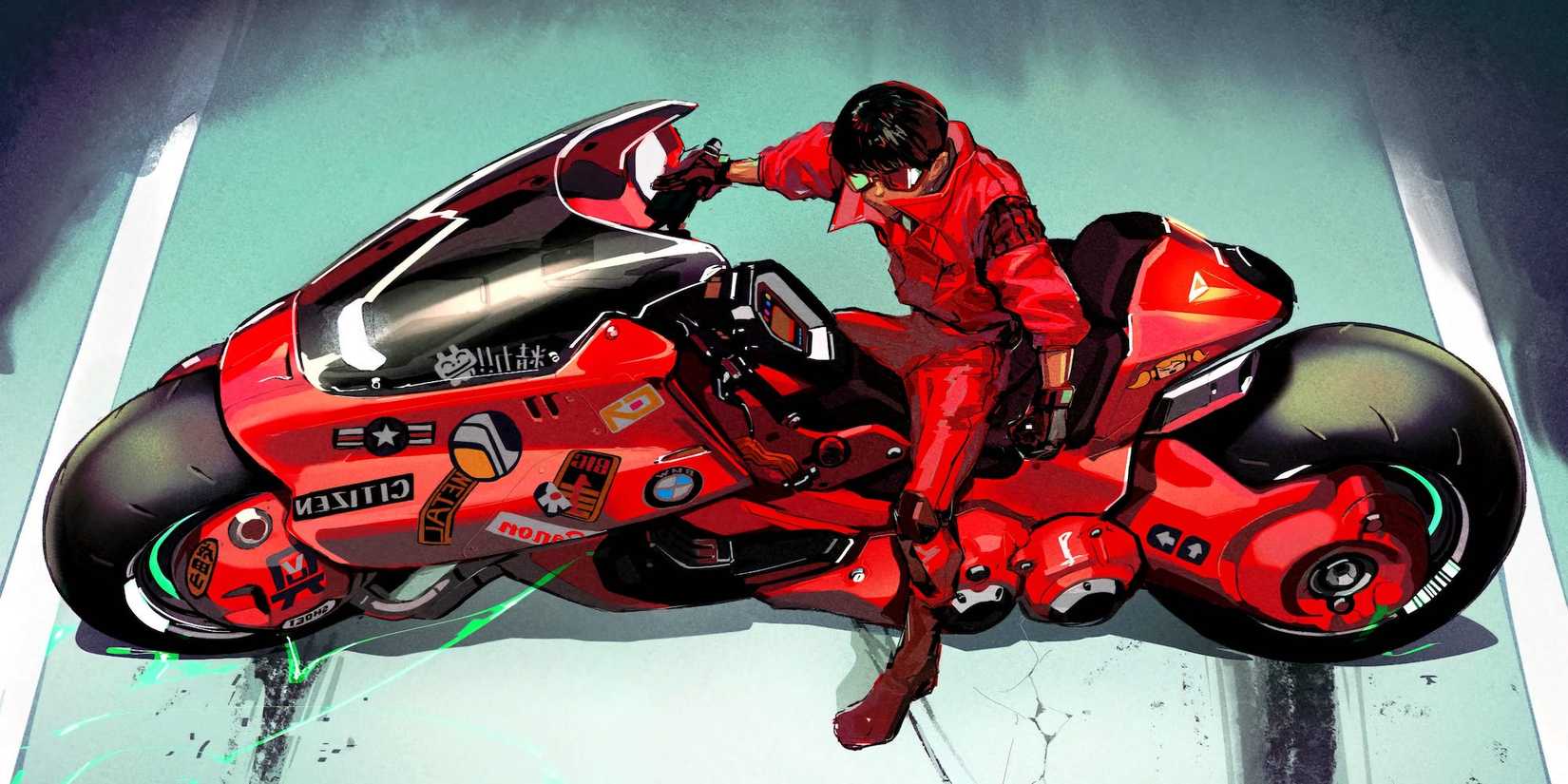
Anime has done a lot of heavy lifting to get animation in the mainstream, and one of the most influential classics of this medium is Akira. Set in a post-apocalyptic future where Neo Tokyo is full of gangs and corrupt officials, the movie follows the leader of a bike gang searching for his kidnapped friend, who was experimented on, giving him psychic powers.
Akira isn’t exactly a modern movie, but even as the oldest film featured on this list, its influence continues into the modern day. It did wonders for how anime is viewed, providing a dark, complex story that changed the culture surrounding it. Not to mention, Akira features gorgeous art and hand-drawn animation that kept the technique alive, with its legacy still impacting modern anime films. This anime movie also defined the cyberpunk style, which many other animated and live-action films adopted.
5
‘Loving Vincent’ (2017)

Animation is art, but Loving Vincent took things to another level. Paying homage to Vincent van Gogh, this movie follows the man who delivered Van Gogh’s final letter before his death. However, questioning the mysterious circumstances around his passing, the deliveryman suspects foul play and investigates the murder to find the truth.
Loving Vincent is the most ambitious animated movie of all time, being entirely comprised of oil paintings — over 65,000 to be exact. Based on 94 of the legendary artist’s paintings, this movie accomplished an impossible task and, in the meantime, proved animation can still innovate. No other film has recreated this feat, but Loving Vincent looks like a painting and still redefined what the medium could be.
4
‘The Nightmare Before Christmas’ (1993)

The second stop-motion film on this list is The Nightmare Before Christmas, one of the best Christmas and Halloween movies of all time. Bored with Halloween, Jack Skellington (Christ Sarandon) discovers a mysterious portal that takes him to a new world full of joy and cheer. He is now determined to capture Santa Claus and take over Christmas for himself, delivering his spooky gifts to all the children of the world.
The Nightmare Before Christmas saved stop-motion, preventing it from becoming a relic of the past and making it a celebrated medium. The film also revitalized interest in gothic storytelling and Halloween, revamping the genre, which remains popular today. A lot of today’s influence can be seen in The Nightmare Before Christmas, which redefined animation by bringing stop-motion back into the limelight and popularizing its distinct spooky style that defined an entire genre.
3
‘Spider-Man: Into the Spider-Verse’ (2018)
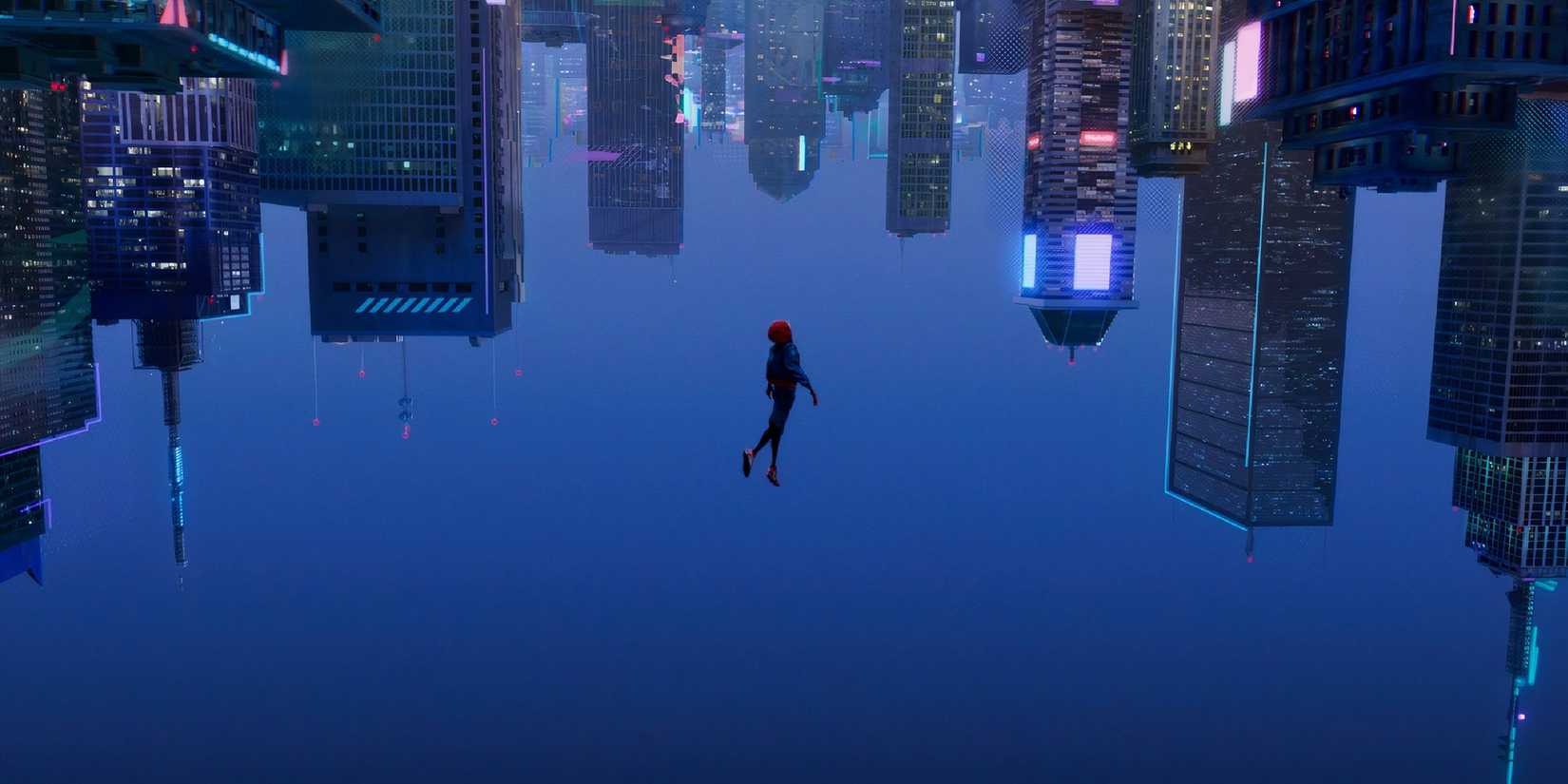
Everyone knows and loves Spider-Man, but Spider-Man: Into the Spider-Verse introduced Miles Morales (Shameik Moore) to the world. After Miles becomes the new Spider-Man, he needs to learn how to be a hero while helping the other Spider-People return to their respective universes. However, Kingpin (Liev Schreiber) and other villains make this task much harder than it needs to be.
After 20 years of similar CGI styles, Spider-Man: Into the Spider-Verse introduced a new aesthetic that proved CGI could be so much more. Its comic-book atmosphere and vibrant style redefined the modern animated-movie look, with its DNA evident in many new films. This movie established a new iconic visual language that almost every new film has followed, proving it is one of the most ambitious animated movies.
2
‘Spirited Away’ (2001)
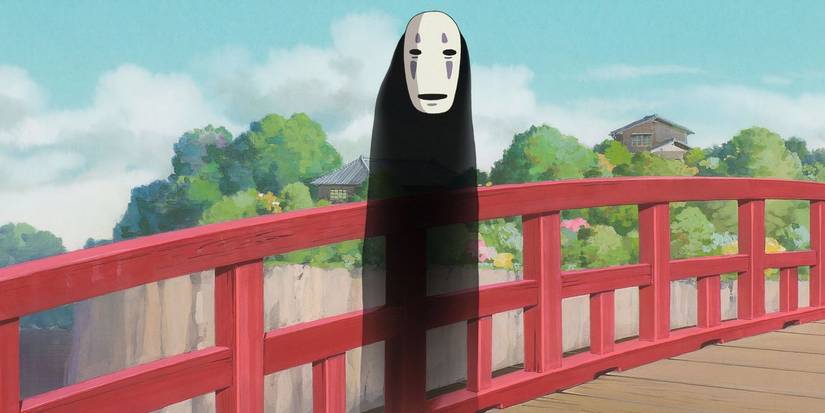
This list wouldn’t feel right without at least one Studio Ghibli film, one of the greatest animation studios of all time. Their magnum opus is Spirited Away, which follows Chiyo, a young girl who moves to a new house. However, when her parents are cursed, she must travel to the supernatural resort to find a way to reverse it. Working together with whimsical creatures, Chiyo goes on a magical journey throughout the mysterious resort.
Studio Ghibli is known for its moments of stillness, where it relies solely on atmospheric storytelling, and Spirited Away highlighted its importance, leading many more films to adopt this technique. It also features stunning hand-drawn animation, some of the best of all time, which remains a spectacle even compared to modern films, proving the magic is still there and that it should be preserved. Spirited Away further established anime as high art, making the medium even more popular and groundbreaking.
1
‘Toy Story’ (1995)
If Studio Ghibli isn’t the greatest animation studio ever, then it is Pixar, whose first work is also their most influential, Toy Story. When Andy (Donald Reignoux) buys a new and improved toy, Buzz (Tim Allen), his old favorite, Woody (Tom Hanks), must reluctantly work with him to get back home after they are mistakenly thrown into the trash.
Before Toy Story, CGI was a gimmick used for backgrounds and occasional moments, but when it became the first fully CGI movie, it shifted the landscape in a big way. Most animated movies now use CGI, and it all started with Toy Story, proving that it redefined modern animation more than any other series. The entire animated trilogy is flawless, but this first movie in particular triggered the migration away from 2D to 3D. Not to mention, it also focused on digital cinematography, which enhanced how animated films were presented, yet another influence that changed animation forever.

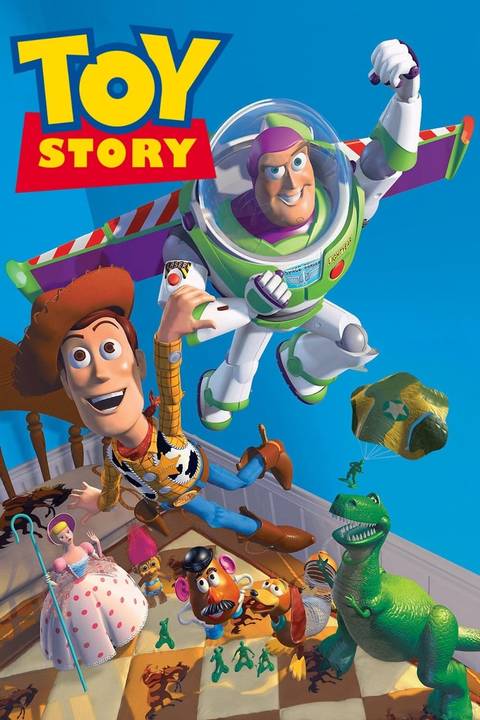
Toy Story
- Release Date
-
October 30, 1995
- Runtime
-
81 minutes
- Director
-
John Lasseter
- Writers
-
John Lasseter, Andrew Stanton, Joss Whedon, Alec Sokolow, Joel Cohen, Joe Ranft, Pete Docter
-

-

Tim Allen
Buzz Lightyear (voice)

You must be logged in to post a comment Login