Entertainment
8 Best Movie Trilogies With Great Acting

A trilogy with great acting is difficult in a way single films rarely have to be. One performance can impress in two hours. Across three films, actors have to survive time, repetition, tonal shifts, aging, grief, corruption, romance, spiritual exhaustion, or complete moral defeat without making the character feel artificially consistent.
That is why these trilogies stand apart. The performances carry history from one film to the next. You can see people harden, soften, lie better, love worse, lose patience, lose innocence, and sometimes lose themselves completely. The best acting here is not always the loudest. Sometimes it is a glance held too long, a voice that has changed after years, or a person realizing too late that they have become someone they once feared.
8
The Dark Knight Trilogy (2005–2012)

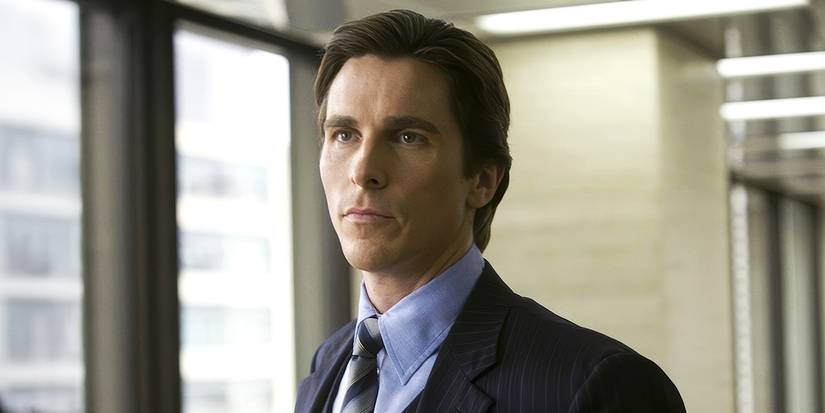
Bruce Wayne (Christian Bale) is a risky role because the costume can easily become more interesting than the man. Bale avoids that by treating Bruce as three different public performances before Batman even enters the picture: the careless billionaire act, the controlled private heir, and the wounded obsessive who can only explain himself through mission language. Across the trilogy, Bale makes the body change too. In Batman Begins, Bruce is restless and hungry. In The Dark Knight, he is more disciplined but also more uncertain. In The Dark Knight Rises, he looks like a man whose ideals outlived his strength.
The supporting performances are the reason the trilogy earns a place here. The Joker (Heath Ledger) feels unpredictable without turning him into empty chaos. Gordon (Gary Oldman) gives ordinary decency under impossible pressure. Alfred (Michael Caine) makes his love for Bruce feel warm, angry, and sometimes helpless. Harvey Dent (Aaron Eckhart), Selina Kyle (Anne Hathaway), Bane (Tom Hardy), Scarecrow (Cillian Murphy), and Ra’s al Ghul (Liam Neeson) all understand the world they are in. This trilogy has spectacle, but the actors give it its moral pain.
7
The Vengeance Trilogy (2002–2005)
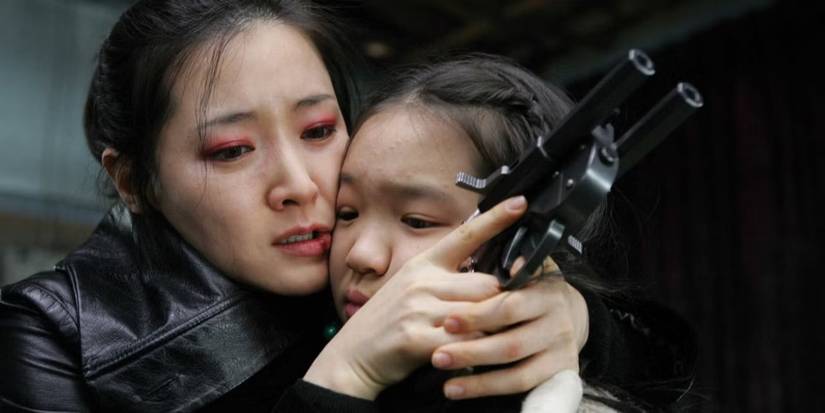
Park Chan-wook’s vengeance films do not share one continuing cast of characters, so the acting achievement is different. Each film asks performers to enter a world where revenge has already damaged the person seeking it. Nobody gets to play pain in a simple line. In Sympathy for Mr. Vengeance, Ryu (Shin Ha-kyun) is painfully inexpressive without being blank, while Park Dong-jin (Song Kang-ho) turns a grieving father’s rage into something frighteningly human.
Then Oldboy takes everything further through Oh Dae-su (Choi Min-sik), whose performance is physical, humiliating, funny, disgusting, broken, and strangely tender, sometimes within the same stretch of screen time. He plays a man rebuilt by captivity, then destroyed by knowledge. Lady Vengeance depends on Geum-ja (Lee Young-ae) doing something quieter and more difficult. Geum-ja has to seem controlled, holy to some people, terrifying to others, and privately consumed by guilt. The trilogy’s acting is extraordinary because revenge keeps changing shape: panic, grief, performance, obsession, shame, and punishment all demand different emotional languages.
6
The Lord of the Rings Trilogy (2001–2003)

Fantasy acting can go wrong fast when performers either underplay the scale or become too theatrical for the camera. The Lord of the Rings gets the balance right almost everywhere. Frodo (Elijah Wood) gives Frodo a softness that makes the later exhaustion genuinely painful. He plays heroism as endurance that becomes harder to access each time the Ring tightens its hold on him. Sam (Sean Astin) gives the trilogy’s most open heart without making him childish or simple.
The ensemble keeps Middle-earth emotionally readable. Aragorn (Viggo Mortensen) makes Aragorn’s reluctance feel tied to fear of failure, not false modesty. Gandalf (Ian McKellen) gives authority, humor, irritation, grief, and deep affection. Gollum (Andy Serkis) changes the entire trilogy, making him pathetic, funny, frightening, and heartbreaking without letting the digital performance lose human detail. Théoden (Bernard Hill), Éowyn (Miranda Otto), Boromir (Sean Bean), Arwen (Liv Tyler), Saruman (Christopher Lee), and Denethor (John Noble) each add weight to their corners of the story. The acting makes the mythology feel personal.
5
The Human Condition Trilogy (1959–1961)
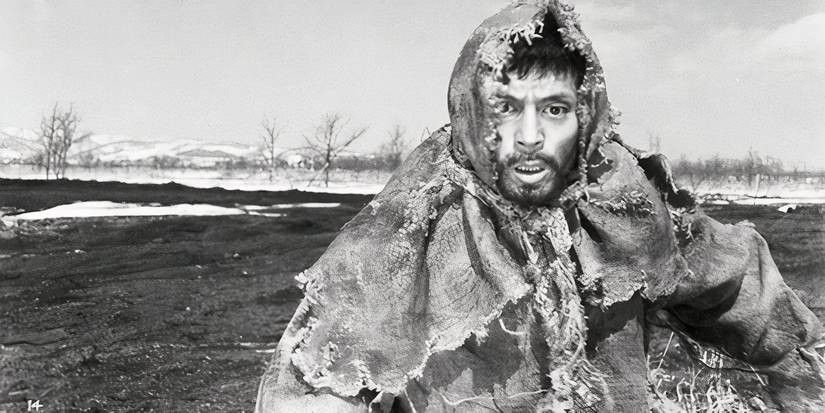
There are performances that feel impressive, and then there is Kaji (Tatsuya Nakadai), which feels almost physically punishing to watch by the end. Across Masaki Kobayashi’s trilogy, Kaji begins as a principled man trying to protect Chinese laborers under Japanese imperial rule, then is forced into military life, war, defeat, hunger, and moral isolation. Kaji never becomes a clean symbol of goodness. That is the greatness of the performance. He is sincere, stubborn, naïve, angry, frightened, proud, and sometimes wrong even when his conscience is right.
The acting has to carry an enormous historical and ethical burden without flattening Kaji into a lesson. Kaji’s face changes across the three films in a way that feels severe and earned. His eyes lose expectation. His voice becomes harsher. His attempts to argue with power become more desperate because he understands the cost better each time. Michiko (Michiyo Aratama) is just as essential because her love for Kaji never feels decorative. She represents the life he keeps trying to deserve and keeps being pulled away from. Few trilogy performances show idealism being tested this completely.
4
The Apu Trilogy (1955–1959)
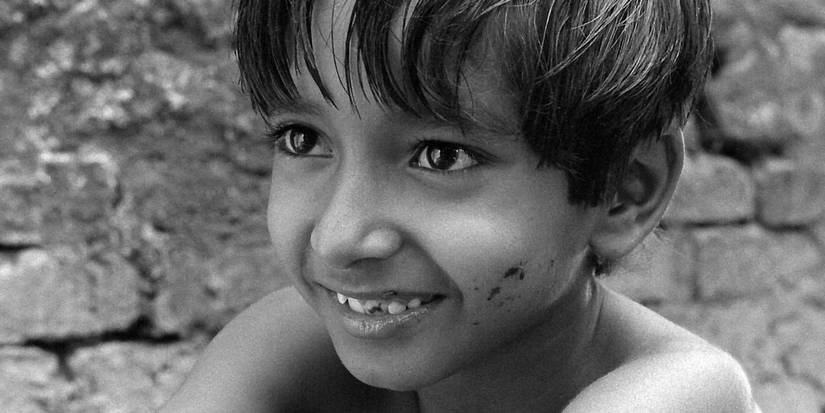
The acting in The Apu Trilogy is devastating because so much of it feels unforced. Satyajit Ray’s films ask performers to show life changing through small domestic gestures, disappointments, silences, and moments of joy that pass quickly. In Pather Panchali, young Apu and Durga are played with such natural curiosity that the film seems to remember childhood from the inside. Harihar (Kanu Banerjee) gives warmth and weakness, while Sarbajaya (Karuna Banerjee) becomes one of cinema’s great portraits of maternal strain.
The later films deepen everything. Apu grows through different performers, and the trilogy allows that change to feel natural rather than disruptive. Adolescent Apu (Smaran Ghosal) captures the adolescent pull between home and education in Aparajito. Adult Apu (Soumitra Chatterjee) gives charm, intelligence, romantic surprise, and later a grief so severe that it changes how he moves through the world. Aparna (Sharmila Tagore) is unforgettable because she turns a sudden marriage into something tender with tiny shifts of trust and amusement. The performances never beg for attention. They become powerful because they feel completely tied to ordinary life.
3
The Three Colours Trilogy (1993–1994)
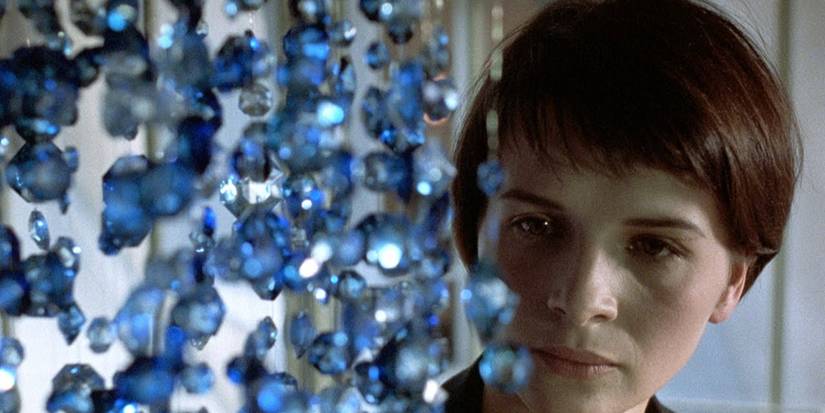
The Three Colours Trilogy needed actors who can make abstract ideas feel painfully private and it nailed that part. Blue belongs to Julie (Juliette Binoche), and her work is almost frightening in its restraint. Julie loses her husband and child, then tries to detach from memory, music, friendship, and desire. Julie shows that refusal through her breathing, her stillness, the way she listens, and the way pain interrupts her even when she tries to control the room around her.
White shifted into a completely different acting register. Karol (Zbigniew Zamachowski) is wounded, funny, humiliated, petty, and determined without losing sympathy, while Dominique (Julie Delpy) gives enough sharpness to keep the film from making their marriage too easy to judge. Red is the most generous of the three, and Valentine (Irène Jacob) has a rare openness that never feels naïve. Opposite her, the retired judge (Jean-Louis Trintignant) is cold, ashamed, amused, and lonely in ways that slowly become moving. The acting across the trilogy is remarkable because each film uses a different emotional temperature and every lead adjusts perfectly.
2
The Before Trilogy (1995–2013)

This ranking would collapse without Jesse (Ethan Hawke) and Céline (Julie Delpy) near the top. Hawke and Delpy play two people learning how their own charm changes with age. In Before Sunrise, Jesse and Céline are curious, flirtatious, insecure, clever, and young enough to think one night can reveal everything. The performances have awkwardness built into them, which is why the romance feels alive instead of polished.
Nine years later in Before Sunset, the acting becomes sharper and more guarded. Jesse uses jokes and stories to hide regret. Céline keeps shifting between warmth, anger, and self-protection because she knows exactly what that Vienna night cost her. In Before Midnight, Hawke and Delpy make long-term love feel brutally specific: interruptions, old complaints, parenting fatigue, sexual history, intellectual sparring, resentment, tenderness, and the terrible skill of knowing how to hurt someone precisely. The achievement is almost unfair. You do not feel actors returning to roles and instead, feel two people carrying eighteen years of unfinished conversation.
1
The Godfather Trilogy (1972–1990)
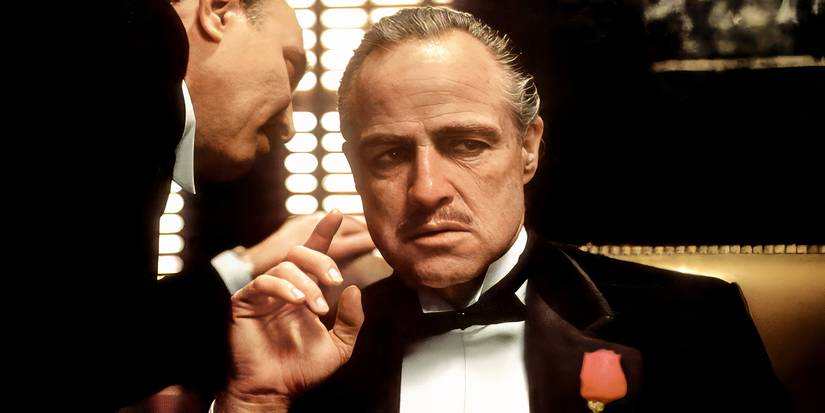
No trilogy gives actors more room to show power changing people than The Godfather. Michael Corleone (Al Pacino) is one of cinema’s great long-form performances because the transformation is so carefully measured. In the first film, Michael watches the family business with distance, then starts making choices that narrow his soul without him fully admitting it. In the second, he has become controlled, suspicious, brilliant, and emotionally unreachable. In the third, he wants forgiveness, but Michael makes that desire feel trapped inside a man who still knows how to command before he knows how to confess.
The surrounding performances are just as essential. Vito Corleone (Marlon Brando) gives warmth, calculation, age, and authority without ever needing to raise the performance into caricature. Young Vito Corleone (Robert De Niro) becomes a separate person rather than a Brando imitation. Kay (Diane Keaton) gives the trilogy’s clearest moral injury. Fredo Corleone (John Cazale) is weak, loving, resentful, and unbearable to dismiss. Connie Corleone (Talia Shire), Sonny Corleone (James Caan), Tom Hagen (Robert Duvall), Vincent Mancini (Andy Garcia), and Don Altobello (Eli Wallach) all add different kinds of family pressure. The acting is top-notch because every major relationship changes meaning as the trilogy continues. Love becomes leverage. Loyalty becomes fear. Family becomes the place where nobody survives untouched. When you look back and understand that Francis Ford Coppola made the first film in 1972, it feels unreal.

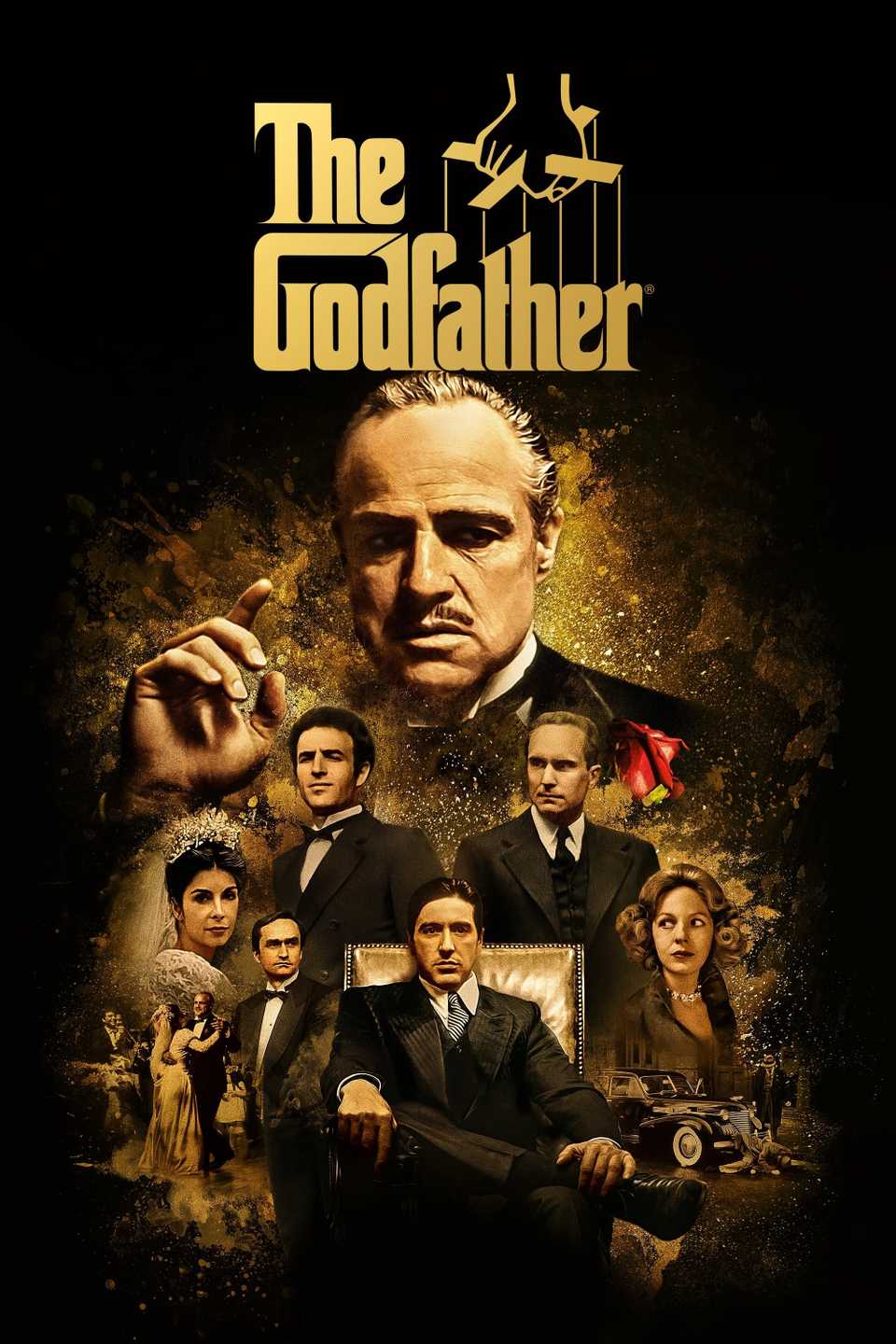
The Godfather
- Release Date
-
March 24, 1972
- Runtime
-
175 minutes
- Director
-
Francis Ford Coppola
- Writers
-
Mario Puzo, Francis Ford Coppola
You must be logged in to post a comment Login