Entertainment
8 Greatest Historical Epics of All Time, Ranked (#1 Is a True Masterpiece)

There’s something uniquely impressive about a great historical epic. These movies aren’t just about stories set in the past — they recreate entire worlds, bringing empires, political upheavals, and larger-than-life figures to the screen on a scale that can make history feel almost immediate. And when they work, the result is the kind of filmmaking that feels almost impossible to replicate today.
Of course, the greatest historical epics also understand that spectacle alone isn’t enough. Beneath the enormous battle sequences, lavish costumes, and sweeping landscapes are rich, powerful tales about ambition, sacrifice, and human nature. So, whether they’re set in ancient Japan or the American Civil War, these are the historical epics that have proved just how extraordinary the genre can be.
8
‘Barry Lyndon’ (1975)

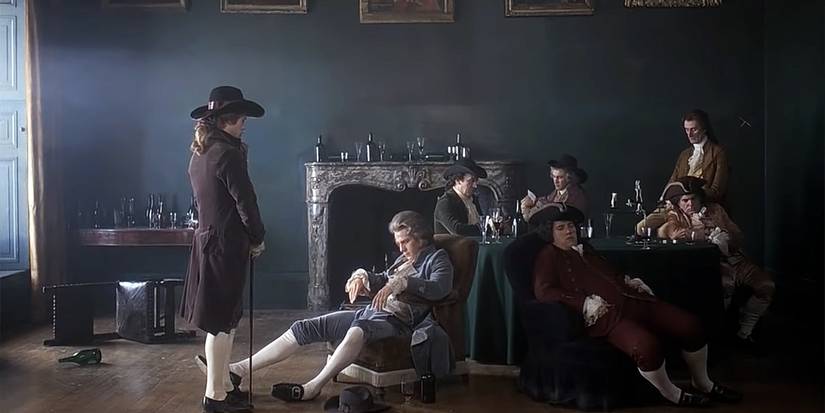
Redman Barry (Ryan O’Neal), an ambitious Irishman, claws his way into the European aristocracy through duels, deception, and an advantageous marriage to the wealthy Lady Lyndon (Marisa Berenson). But upon finally achieving the social status he long craved, Barry discovers that becoming a gentleman is considerably easier than remaining one, as his ambition and arrogance gradually threaten everything he built.
Stanley Kubrick‘s meticulous recreation of 18th-century Europe practically captures the beauty of an old painting with its sprawling landscapes, elaborate costumes, and candlelit interiors. Yet beneath all that visual splendor lies a wonderfully cynical story about class, vanity, and the absurdity of social ambition. Sure, Barry Lyndon may be a little slow, but its hypnotic atmosphere and astonishing craftsmanship make it one of the most distinctive historical epics ever made.
7
‘Saving Private Ryan’ (1998)
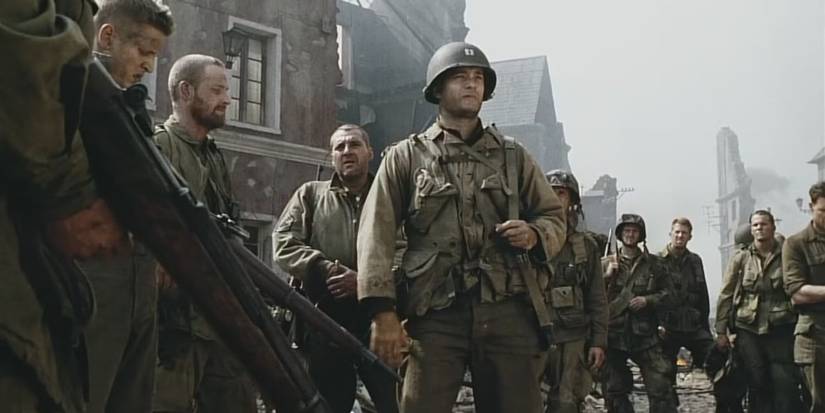
Captain John Miller (Tom Hanks) and his squad of American soldiers travel across Nazi-occupied France in search of Private James Francis Ryan (Matt Damon), whose brothers had been killed in combat. Their mission is to make sure Ryan is brought home safely, prompting the men to question why they must sacrifice so much for one man.
Saving Private Ryan‘s depiction of World War II is famously visceral, but Steven Spielberg makes sure to never let the spectacle overwhelm the human story. Hanks gives the film a quietly commanding center, while the camaraderie between the soldiers makes every subsequent loss hit harder. It’s an extraordinarily raw epic that masterfully showcases the brutal realities of war.
6
‘The Last Emperor’ (1987)

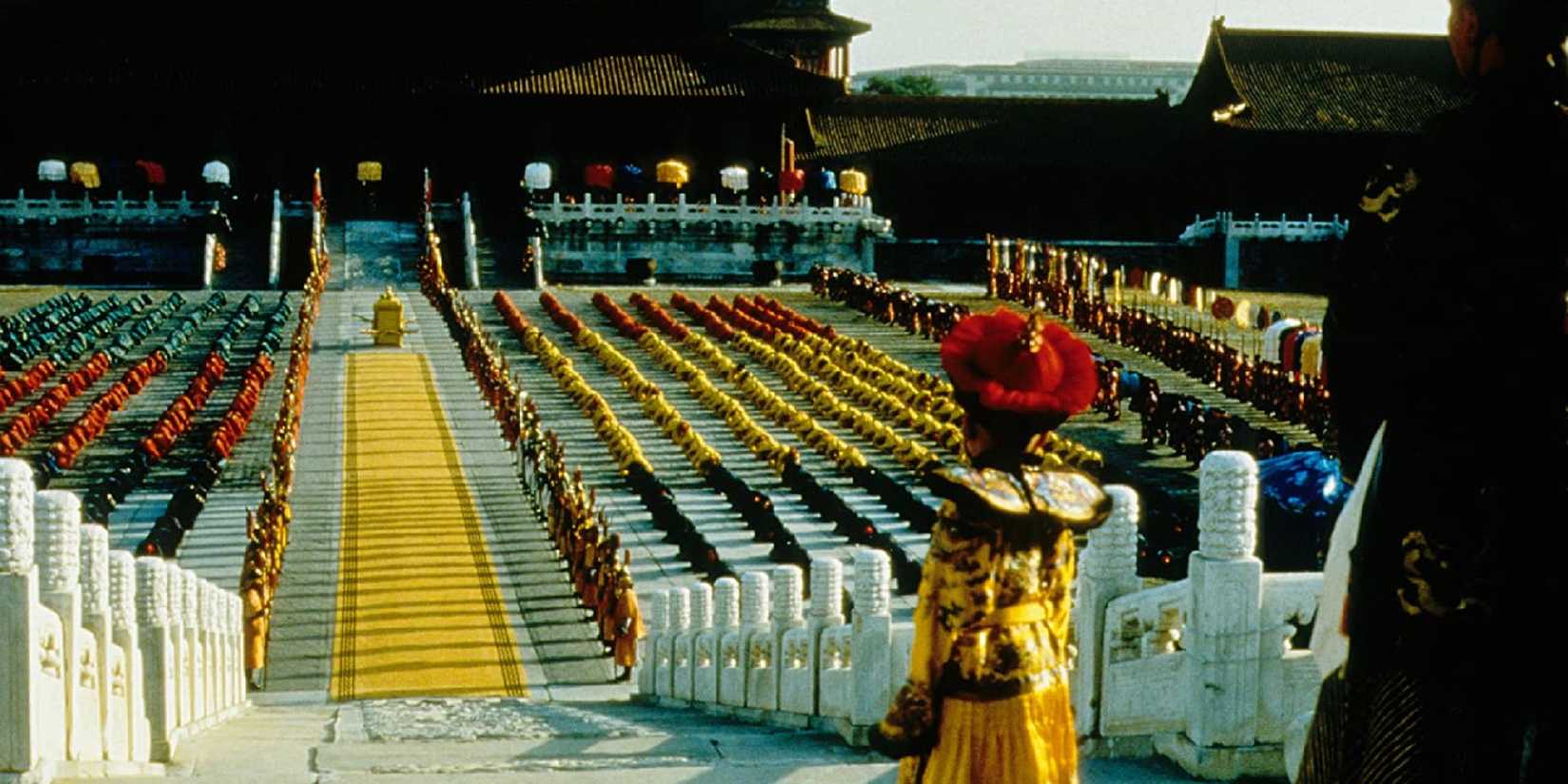
Bernardo Bertolucci‘s The Last Emperor chronicles the life of Puyi, who becomes China’s final emperor at just three years old. Raised in a palace in extraordinary isolation, Puyi (John Lone) grows up believing himself to be the center of the universe — that is, before political upheaval strips him of his imperial power.
The scale of the film is enormous, but it’s the personal journey that becomes the emotional anchor. For instance, the Forbidden City provides a spectacular backdrop for a story about a man who has immense symbolic power but remarkably little control over his own life. Winner of all nine Oscars for which it was nominated, including Best Picture and Best Director, The Last Emperor remains an astonishing achievement in period filmmaking.
5
‘Gangs of New York’ (2002)
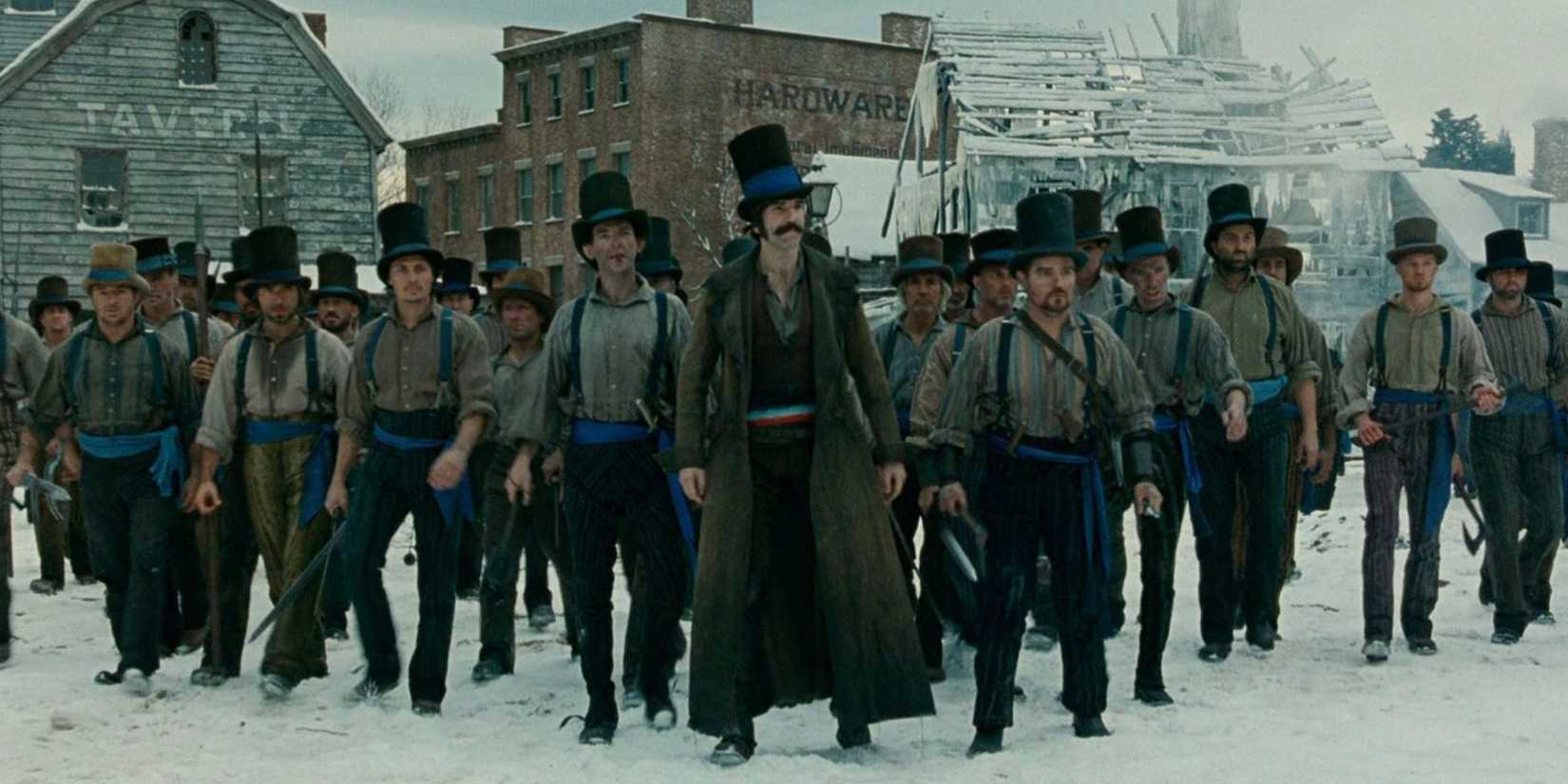
Set in the 19th century, Amsterdam Vallon (Leonardo DiCaprio) returns to New York City’s brutal Five Points neighborhood years after his father was murdered by powerful gang leader Bill “The Butcher” Cutting (Daniel Day-Lewis). Determined to embark on his journey of revenge, Amsterdam infiltrates Bill’s circle to take him down from the inside just as tensions between rival gangs threaten to consume the city.
Gangs of New York is at its best when Martin Scorsese plunges headfirst into the filthy, chaotic world of old New York, turning the city itself into a character of its own. Day-Lewis is utterly magnetic, delivering a performance so theatrical, vicious, and strangely charismatic that he almost appears to be having the time of his life. With enormous battle sequences, lavish production design, and a rich story about America’s bloody foundations, this is a historical epic with plenty of teeth.
4
‘Glory’ (1989)

Glory tells the story of the 54th Massachusetts Infantry Regiment, one of the first African American regiments organized in the Union Army during the American Civil War. In this, Colonel Robert Gould Shaw (Matthew Broderick) trains the regiment, while also trying to secure proper recognition for his soldiers, who face both the Confederate army and racism within their own ranks.
What makes the film so powerful is the way it turns a significant piece of military history into an intensely personal tale about courage, discrimination, and brotherhood. Broderick brings quiet determination to Shaw, while the rest of the stacked cast — including Denzel Washington‘s Oscar-winning performance — remains incredibly unforgettable. It’s a historical epic that’s not as frequently spoken about, but one that deserves all the spotlight, especially since it carries so much heart.
3
‘The Bridge on the River Kwai’ (1957)

Set during World War II, Allied POWs in a Japanese internment camp are ordered to build a railway bridge for their captors. Their natural instinct is to sabotage its construction. However, under the leadership of British Colonel Nicholson (Alec Guinness), they’re persuaded to remain obedient, unaware that Nicholson holds his own ulterior motives with the project.
David Lean turns the construction of a bridge into an extraordinary examination of military pride, obsession, and the psychological effects of war. Guinness gives an Oscar-winning performance, gradually transforming Nicholson from a principled officer into a man so consumed by his own idea of honor. Of course, the film’s spectacular finale remains a true highlight, but the real strength of The Bridge on the River Kwai lies in how cleverly it questions what heroism actually looks like.
2
‘Ran’ (1985)
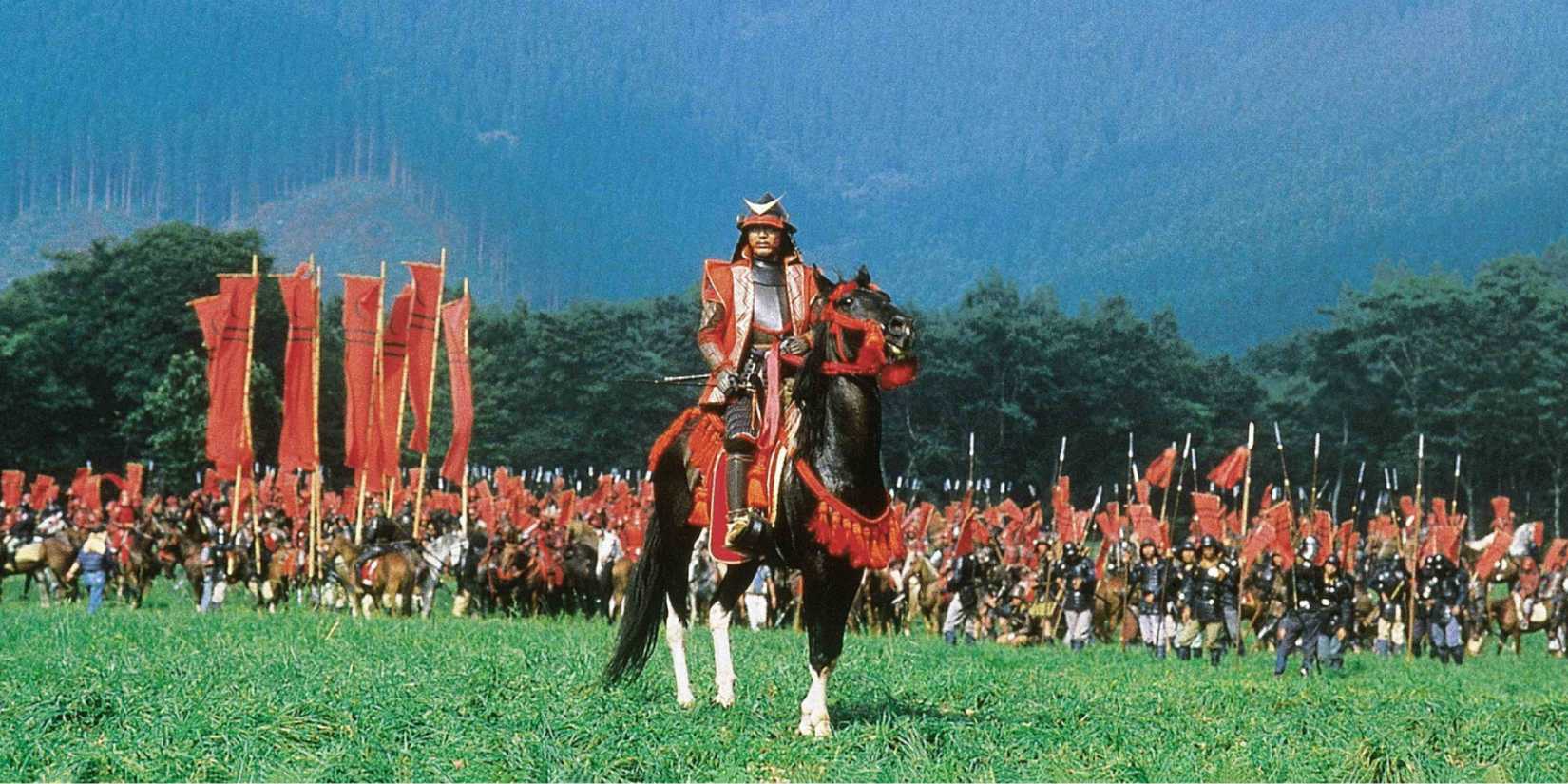
Reimagining Shakespeare’s King Lear in 16th-century Japan, aging warlord Hidetora Ichimonji (Tatsuya Nakadai) decides to divide his kingdom among his three sons, believing he can finally step away from power. Instead, his decision unleashes betrayal, ambition, and all-out warfare as his family tears itself apart.
Few filmmakers understood scale like Akira Kurosawa, and Ran might be his most visually astonishing achievement. Its vast battle scenes are composed with utter precision, while the striking colors and costumes turn the film into a moving work of art. Yet the spectacle only amplifies the tragedy, with Hidetora’s empire crumbling from the same arrogance and hunger for power that built it. Bleak, beautiful, and undoubtedly devastating, Ran is historical epic filmmaking at its most operatic.
1
‘Lawrence of Arabia’ (1962)

T.E. Lawrence (Peter O’Toole) is a British Army officer who becomes instrumental in uniting Arab tribes against the Ottoman Empire during World War I. But as he transforms from an obscure officer into a legendary military figure, his growing fame begins to complicate his sense of identity and morality.
Calling Lawrence of Arabia a masterpiece almost feels like an understatement. For one, David Lean transforms the desert into one of cinema’s most magnificent landscapes, while O’Toole gives a mesmerizing performance as a man simultaneously fascinated and horrified by the legend he is creating. The film’s enormous battles and breathtaking compositions are matched by a deeply complicated character study about power, identity, and mythmaking. More than six decades later, it remains the blueprint by which every other historical epic is measured.

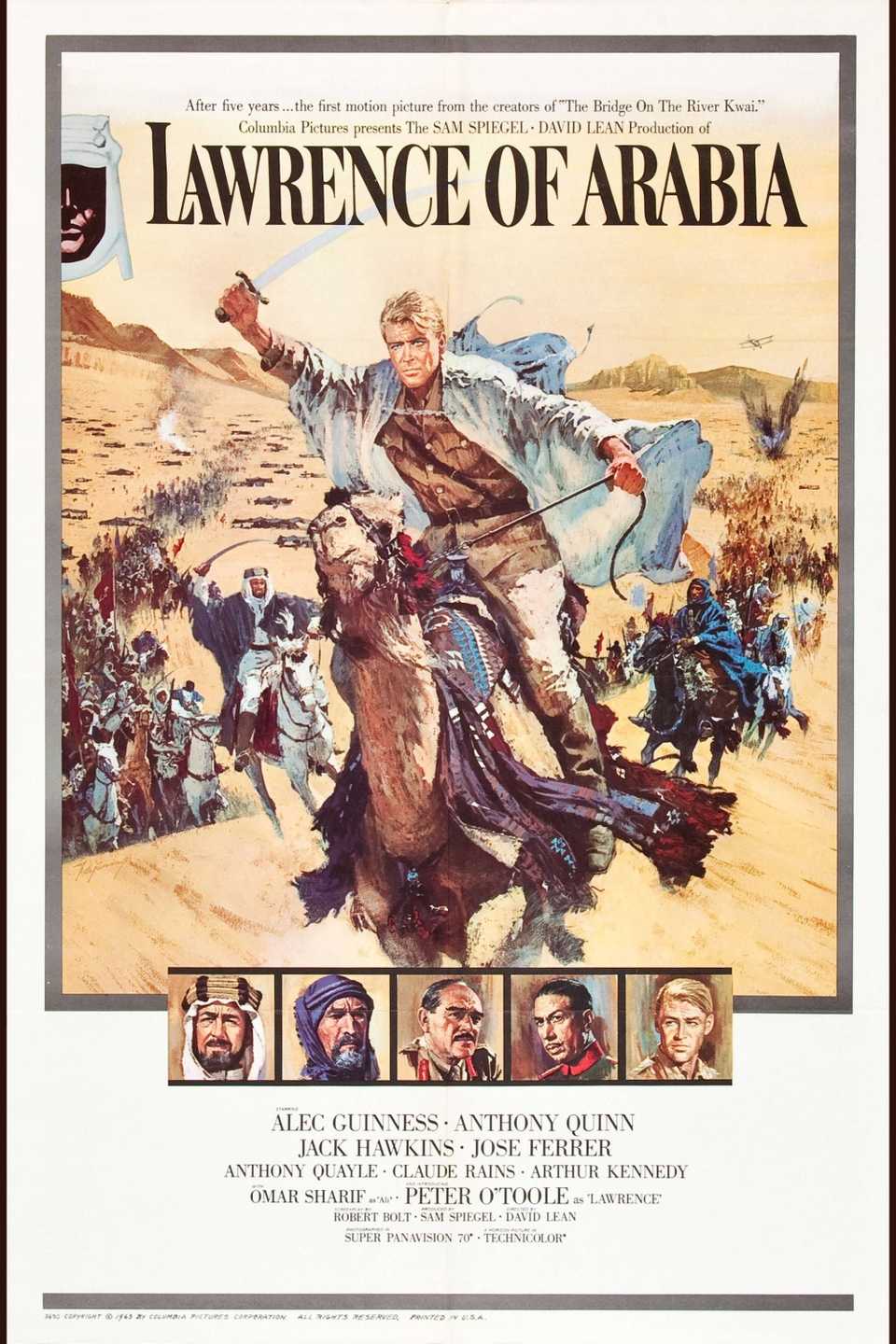
Lawrence of Arabia
- Release Date
-
December 11, 1962
- Runtime
-
228 minutes
- Director
-
David Lean
- Writers
-
Robert Bolt, Michael Wilson
You must be logged in to post a comment Login