Fantasy is such an expansive, storied, and prolific genre that there exists a myriad of subgenres under its umbrella, but it can all be broadly categorized into two boxes. Low fantasy is set in the real world, or a highly realistic historical setting, and magic in it tends to intrude upon an otherwise quite normal world. High fantasy, on the other hand, is all about vast fictional worlds where magic is a regular part of everyday living. Both low and high fantasies can have exceptionally written magic systems (the set of rules that dictates how magic works in a story), but it’s more common to find these sorts of legendary systems in high fantasy.
For proof, one needn’t look any further than classics like A Wizard of Earthsea and modern gems like Shadow and Bone, groundbreaking books that display some of the most fascinating worldbuilding the fantasy genre has ever seen on the printed page. Many elements define whether a book’s worldbuilding is widely considered great, including a good magic system. As long as it makes sense, is well-integrated into the fictional world’s culture, and serves the tone and characters of the story well, a high fantasy book’s magic system can be counted among the best.
Advertisement
‘Shadow and Bone’ (2012)
Cover of Shadow and BoneImage via Henry Holt and Company
Young adult fantasy has given bookworms several of the most compelling magic systems in the genre’s history, and Leigh Bardugo‘s magic system for Shadow and Boneis right up there as one of the best. The first installment in the trilogy of the same name, this YA gem was Bardugo’s debut novel, and what an introduction it was. Wonderfully plotted and elevated by some exceptional worldbuilding, it may not be particularly juicy or substantial fantasy, but it’s more than entertaining enough for those who tend to enjoy the genre’s YA variety.
For all its minor flaws, however, Shadow and Bone is one of the modern fantasy books with the best magic systems. Known as the Small Science, this magic is practiced by users called Grisha, who are able to manipulate matter on a molecular level. It’s a hard and logical system whose tangible limitations make it drive the plot and character development forward in all sorts of meaningful ways.
Advertisement
‘Blood of Elves’ (1994)
The front cover of the book ‘Blood of Elves’ by Andrzej Sapkowski.Image via superNOWA/Andrzej Sapkowski
Polish fantasy writer Andrzej Sapkowski was the mind behind the Witcherseries of books. They were well-known in Poland from the start, but it wouldn’t be until CD Projekt Red’s video game adaptations saw the light of day that the series was launched into proper international prominence. Though Blood of Elves (which was first translated into English in 2008, 14 years after its original publication) was predated by the short story books Sword of Destiny and The Last Wish, this is the first novel in the series—and what an introduction it is, considering that it’s among the best dark fantasy books of all time.
Sword of Destiny and The Last Wish were technically the introduction to the magic system of the Witcher universe, but it’s Blood of Elves that turns it into a far more structured, logical, and rigorous system. Ideal for those who love hard magic systems (those that have much stricter mechanics), Blood of Elves shows magic as both an art and a science that requires immense discipline, sacrifice, and rigorous study. It’s a fascinatingly complex and layered approach to high fantasy.
Advertisement
‘The Way of Kings’ (2010)
The cover of the book ‘The Way of Kings’ by Brandon Sanderson.Image via Tor Books
There are few fantasy authors working today who are more prolific than Brandon Sanderson. But far from just being immensely productive, Sanderson is also an exceptional master of speculative fiction, particularly skilled at crafting some of the coolest and most memorable magic systems in the history of fantasy. There is, for instance, The Stormlight Archive, one of the most essential fantasy book series of the 21st century. The series contains several distinct but interconnected magic systems which lovers of hard magic should immediately fall in love with.
There’s the Surgebinding that allows users to manipulate ten fundamental forces of nature; there’s the magitech of Fabrials; and your darker and more unpredictable alternatives, Voidbinding and the Old Magic. Sanderson crafts this tapestry of magic systems with admirable rigor and perfectly logical rules, making the sky-high stakes clear and tying magic to character growth. The Way of Kings is a phenomenal introduction to The Stormlight Archive and one of those rare books with better worldbuilding than Harry Potter, largely thanks to how its different magic systems shape the entire world of the series.
Advertisement
‘A Wizard of Earthsea’ (1968)
Image via Parnassus Press
Throughout the 20th-century history of speculative fiction, rarely have there ever been any authors more important or revolutionary than Ursula K. Le Guin. Anyone interested in getting started on her work may as well jump right into her best-known book series: the high fantasy masterpieces of The Earthsea Cycle, starting with A Wizard of Earthsea. Regarded as one of the most influential children’s fantasy classics in history, it’s one of those classic fantasy books that are still a must-read in 2026.
It’s a book that works on several levels: as a coming-of-age story, as a traditional fantasy epic, and as a phenomenal way to introduce younger readers to high fantasy. It’s one of the most prominent examples of soft magic, where at no point does Le Guin treat the magic system of A Wizard of Earthsea like a scientific textbook. Rather, magicis largely psychological and heavily influenced by Taoist philosophy, where wizards’ task is to maintain the fundamental balance of the universe. Names in Earthsea carry literal magic power, a system tied deeply to the protagonist’s coming-of-age journey.
Advertisement
‘The Name of the Wind’ (2007)
Image via DAW Books
Though Patrick Rothfuss has kept fans waiting 15 years (and counting) for the third and final chapter in his Kingkiller Chronicles, one fact remains unchanged: The Name of the Wind is one of the most foundational works of literary high fantasy of the 2000s, one of those fantasy books better than most movies out there. It’s a phenomenal introduction to the story of Kvothe, elevated by some of the most beautiful and rhythmic prose that the fantasy genre has seen in years. Epic in scale yet deeply intimate in its character-driven scope, it’s a masterpiece whose fame is well-earned.
A brilliant blend of hard and soft elements that boosts some of the most enrapturing world-building fantasy fans can find.
Advertisement
A big source of The Name of the Wind‘s charm is its magic system, a brilliant blend of hard and soft elements that boasts some of the most enrapturing worldbuilding that fantasy fans can find in a 21st-century novel. Sympathy is a hyper-logical hard magic that’s as fascinating to learn about as it is fun to watch in action, while Naming (clearly inspired by Le Guin’s Earthsea) is a wonderfully poetic soft magic. This perfectly-balanced blend adds volumes to the sheer depth of The Name of the Wind‘s lore and philosophy, making it one of the most layered works of high fantasy in recent memory.
‘The Eye of the World’ (1990)
Image via Tor Books/ Orbit
Advertisement
Robert Jordan‘s The Wheel of Time series was originally planned as a trilogy, but ended up spanning a whopping 14 volumes in the end. The result? Some of the most legendary works of high fantasy since J. R. R. Tolkien, including the series’ masterful opening chapter, The Eye of the World. Every Wheel of Time novel could technically be counted among the fantasy books with the best worldbuilding, but Eye of the World is particularly worthy of praise for how masterfully it introduces the reader to this world, these characters, and this groundbreaking magic system.
Before The Eye of the World, fantasy books’ magic systems were largely governed by a kind of Tolkienesque mysticism. The One Power introduced here was the genre’s first significant shift toward more rule-based magic systems, and for that alone, it’s one of the most revolutionary magic systems in the history of high fantasy. In fact, it was Jordan and The Eye of the World that really pioneered the idea of magic being a system, and not just a vague element inherent to the fantasy genre. It’s historic, and it’s still incredibly entertaining to read.
‘Gardens of the Moon’ (1999)
Image via Tor Fantasy
Advertisement
You can never go wrong with the classics, and it doesn’t get much more classic than Canadian author Steven Erikson‘s massive epic fantasy series Malazan Book of the Fallen. Several of the most perfectly written fantasy books of all time are contained within Malazan, and though Gardens of the Moon may or may not be one of the best in the series (depending on which fan you ask), it sure was a phenomenal introduction to it. And as a phenomenal introduction to Malazan, it fittingly serves as an impressive introduction to the world’s magic system.
In the world of Malazan, magic flows from Warrens, self-contained parallel universes each tied to a certain element or concept. A series of 10 epic books consisting of well over 3 million words naturally requires a fittingly complex magic system, and the Warrens system present in Gardens of the Moon is nothing if not complex. There is tremendous tension, mystery, and even cosmic horror in the magic of Gardens of the Moon, helping establish the riveting world that fuels Malazan.
‘Mistborn: The Final Empire’ (2006)
Image via Tor Books
Advertisement
As if any more proof were needed that there’s no fantasy author working today quite like Brandon Sanderson, there’s also the Mistborn series, an essential part of Sanderson’s overarching Cosmere shared universe. Mistborn: The Final Empireis the beginning of the first trilogy of the series, known as Era One, and it’s easily one of the best fantasy novels of the last two decades. The book’s character writing is relatively shallow, but the true star of the show here is the worldbuilding, which may very well be the best of Sanderson’s whole bibliography.
It was actually Sanderson himself who coined the distinction between hard and soft magic systems, and the magic system found in The Final Empire may well be the best hard magic system ever printed on a page, whether it’s high or low fantasy we’re talking about. IfEra One of Mistborn is one of the best book trilogies of all time, it’s largely because The Final Empire‘s Allomancy is such a fascinating concept through and through. Tightly constructed, mathematically symmetrical, and largely dictated by the socioeconomic class divide, it’s one of the most complex and engrossing magic systems fantasy has ever seen.
Thriller movies and TV shows are great, but the genre is best experienced on the page. A visual medium can show the audience what is happening, but a book traps them inside the characters’ thoughts, fears, and paranoia. Thriller novels offer a sense of immersion that doesn’t need background music cues or lingering shots to offer the audience hints.
Instead, readers have to search for clues themselves, question every narrator, and essentially become a part of the mystery at hand. The tension here depends entirely on the author’s ability to control what the reader knows, and, more importantly, what they don’t. Given that, here is a list of the best thriller books of all time that continue to define the genreto this day.
Advertisement
10
‘The Girl With the Dragon Tattoo’ (2005)
Image via Norstedts Förlag
Stieg Larsson’sThe Girl With the Dragon Tattoo is the first book in the Millennium series and serves as the perfect slow-burn thriller. The story follows disgraced financial journalist Mikael Blomkvist, whom wealthy industrialist Henrik Vanger hires to investigate the four-decade-old disappearance of his great-niece, Harriet. Henrik is convinced that someone within the enormous, deeply dysfunctional Vanger family was responsible for the crime. This leads Mikael on a sprawling investigation that brings him to Lisbeth Salander, a brilliant hacker and private investigator whose ability to uncover other people’s secrets makes her uniquely suited to this case built around generations of lies.
Mikael and Lisbeth are initially treated as the leads of two separate stories that unfold simultaneously. However, once they finally cross paths, the book becomes impossible to put down thanks to their unique dynamic. Larsson also gives the mystery far more weight than a conventional cold case. The novel’s original Swedish title translates to Men Who Hate Women, which reveals the uglier subject hiding beneath its missing-person premise.
Advertisement
9
‘The Day of the Jackal’ (1971)
Image via Penguin
Frederick Forsyth’s political thriller, The Day of the Jackal, begins in 1962, after repeated attempts by the far-right OAS to assassinate French President Charles de Gaulle have ended in disaster. The organization is heavily infiltrated by French intelligence, so its leaders decide their only remaining option is to hire someone the authorities have never seen before. That’s when the Jackal enters the story as a nameless English assassin who accepts the contract and begins constructing an extraordinarily detailed plan to kill one of the most heavily protected men in the world. Meanwhile, quiet and methodical police commissioner Claude Lebel is given the seemingly impossible task of identifying and stopping a killer whose real name, appearance, and location are completely unknown.
The genius of the novel is that readers already know de Gaulle survived. Forsyth cannot create suspense by making anyone wonder whether history will be rewritten, so he builds it in how dangerously close the Jackal might come to it. The two men barely share the page, yet their battle of patience and intelligence makes the novel feel as fast-paced as ever. Obviously, Forsyth’s background as a journalist gives the book a frightening sense of authenticity. He blends the fictional plot with real political tensions and genuine events surrounding the OAS to fully immerse the reader in an operation of this scale. This documentary-like realism completely redefines what readers expected from political thrillers, and remains the benchmark for the genre to this day.
Advertisement
8
‘The Silent Patient’ (2019)
Image via Celadon Books
Alex Michaelides’ The Silent Patient begins with an almost impossible mystery, which is what makes it such a compelling read. The story follows Alicia Berenson, a successful painter with a seemingly happy marriage. Things take a turn when one fateful evening, she shoots her husband Gabriel five times in the face. After the murder, she never speaks again, not even to defend herself or offer any kind of explanation. Her silence turns the case into a national obsession and eventually brings her to the Grove, a secure psychiatric facility. Years later, psychotherapist Theo Faber becomes determined to uncover the truth.
He believes that getting Alicia to speak will finally explain the murder, but his interest in her quickly becomes more personal than professional. Soon enough, Theo’s investigation leads him to believe that nearly everyone involved in the mystery is hiding something. The central question of the story is pretty simple. The readers constantly wonder why Alicia killed her husband, and every chapter of the novel keeps the pace moving to answer that question. The Silent Patient is best known for its final twist, but the reveal works because of how carefully the author builds everything that comes before it.
Advertisement
7
‘The Talented Mr. Ripley’ (1955)
Image via Coward-McCann
The Talented Mr. Ripleyis Patricia Highsmith’s brilliant psychological thriller that is still an important part of pop culture today. The story introduces readers to Tom Ripley, a struggling young con artist surviving through petty scams in New York. His fortunes change when wealthy businessman Herbert Greenleaf offers to send him to Italy to convince his son, Dickie, to return home and join the family business. Tom barely knows Dickie, but he happily exaggerates their friendship for the free trip. Once he reaches the beautiful seaside village of Mongibello, however, he becomes fascinated by Dickie’s money, confidence, and carefree lifestyle. The catch is that becoming Dickie’s friend isn’t enough.
Tom slowly begins to believe he deserves Dickie’s life more than Dickie does, and this obsession leads him into murder, identity theft, and an increasingly complicated web of lies. Highsmith traps readers inside Tom’s mind while he does all these unhinged, selfish things. As he switches between identities and attempts to stay ahead of the police, the tension comes from never knowing what he might do next, or how much further he is willing to go to protect a life he has stolen. The novel became the first of five books about Ripley, but the opening installment remains one of the most iconic crime stories ever told.
Advertisement
6
‘The Bourne Identity’ (1980)
Image via Hachette/ Richard Marek
The Bourne Identity begins with a man being pulled from the Mediterranean Sea. His body is filled with bullets and his memory almost completely erased. He doesn’t even remember his name or where he comes from. All he knows is that his instincts tell him how to fight, escape surveillance, and recognize danger before anyone else does. The only clue is a Swiss bank-account number hidden beneath his skin. When he follows it to Zurich, he discovers millions of francs, the name Jason Bourne, and several armed men who seem very determined to stop him from learning anything else. That is the intriguing premise of Robert Ludlum’s genre-defining thriller novel, but the story is far from over here.
The author keeps complicating the central character’s identity every step of the way. The evidence suggests that he may be a professional assassin known as Cain, yet other clues point toward a much stronger covert operation involving the CIA. That forces Bourne to hunt for the truth while questioning whether the person he used to be is someone he should even want to remember. Unlike the considerably simpler film adaptation (which later turned into multiple rewatchable Bourne movies), the novel does not provide one easy answer and move on. It keeps peeling away layers until Bourne’s past becomes more morally complicated than the reader expects.
Advertisement
Collider Exclusive · Horror Survival Quiz Which Horror Villain Do You Have the Best Chance of Surviving? Jason Voorhees · Michael Myers · Freddy Krueger · Pennywise · Chucky
Advertisement
Five killers. Five completely different ways to die — if you’re not smart enough, fast enough, or self-aware enough to avoid it. Only one of them is the villain your particular set of instincts gives you a fighting chance against. Eight questions will figure out which one.
🏕️Jason
🔪Michael
💤Freddy
🎈Pennywise
Advertisement
🪆Chucky
Advertisement
01
Something feels wrong. You can’t explain it — you just know. What do you do? First instincts are the difference between the survivor and the first act casualty.
Advertisement
02
Where are you most likely to find yourself when things go wrong? Setting is everything in horror. Where you are determines which rules apply.
Advertisement
03
What is your most reliable survival asset? Every survivor has a quality the villain didn’t account for. What’s yours?
Advertisement
04
What kind of fear is hardest for you to fight through? Knowing your weakness is the first step to not dying because of it.
Advertisement
05
You’re with a group when things start going wrong. What’s your role? Horror movies are brutally clear about who survives group situations and who doesn’t.
Advertisement
06
What’s the horror movie mistake you’re most likely to make? Honest self-assessment is a survival skill. Denial is not.
Advertisement
07
What’s your best weapon against something that can’t be stopped by conventional means? Every horror villain has a weakness. The survivors are always the ones who find it.
Advertisement
08
It’s the final scene. You’re the last one standing. How did you make it? The final survivor always has a reason. What’s yours?
Advertisement
Your Survival Odds Have Been Calculated Your Best Chance Is Against…
Your instincts, your strengths, and your particular way of thinking under pressure point to one villain you actually have a fighting chance against. Everyone else — good luck.
Advertisement
Camp Crystal Lake · Friday the 13th
Jason Voorhees
Jason is relentless, but he is also predictable — and that is the gap you would exploit.
He moves in straight lines toward his target. He doesn’t strategise, doesn’t adapt, doesn’t outsmart. He simply pursues.
Your ability to keep moving, use the environment, and resist the panic that freezes most victims gives you a genuine edge.
The Crystal Lake survivors were always the ones who stopped running in circles and started thinking about terrain, water, and distance.
You think like that. Which means Jason, for all his indestructibility, would face someone who simply refused to be where he expected.
Advertisement
Haddonfield, Illinois · Halloween
Michael Myers
Michael watches before he moves. He is patient, methodical, and almost impossible to detect — until it’s too late for anyone who isn’t paying close enough attention.
But you are paying attention. You notice the shape in the window, the car parked slightly wrong, the silence where there should be sound.
Michael’s power lies in the invisibility of ordinary suburbia — the fact that nothing ever looks wrong until it already is.
Your spatial awareness and instinct to map every room, every exit, and every shadow before you need them is precisely the quality Laurie Strode had.
You are not a victim waiting to happen. You are someone who already suspects something is wrong — and acts on it.
Advertisement
Elm Street · A Nightmare on Elm Street
Freddy Krueger
Freddy wins by getting inside your head — using your own fears, your own memories, your own subconscious as weapons against you. That strategy requires a target who can be destabilised.
You are harder to destabilise than most. You’ve faced uncomfortable truths about yourself and you haven’t looked away.
The survivors on Elm Street were always the ones who understood what was happening and chose to face it rather than flee from it.
Freddy’s greatest weakness is that his power evaporates in the presence of someone who refuses to give him the fear he feeds on.
Your psychological resilience — the ability to stay grounded when reality itself becomes unreliable — is exactly the quality that keeps you alive here.
Advertisement
Derry, Maine · It
Pennywise
Pennywise is ancient, shapeshifting, and feeds on terror — but it has one critical vulnerability: it cannot function against someone who genuinely stops being afraid of it.
The Losers Club didn’t survive because they were braver than everyone else. They survived because they faced their fears together, and faced them honestly.
You ask the questions others avoid. You look directly at what frightens you rather than turning away.
That directness — the refusal to let fear fester in the dark — is Pennywise’s worst nightmare.
It chose the wrong target when it chose you. You are exactly the kind of person whose fear tastes like nothing at all.
Advertisement
Chicago · Child’s Play
Chucky
Chucky’s greatest advantage is that nobody takes him seriously until it’s already too late. He exploits the gap between how something looks and what it actually is.
You don’t have that gap. You take threats seriously regardless of how they present — and you never make the mistake of underestimating something because of its size or appearance.
Chucky relies on surprise, on the delay between recognition and response. You close that delay faster than almost anyone.
Your instinct to treat every unfamiliar thing with appropriate scepticism — rather than dismissing it because it seems absurd — is the exact quality that keeps you breathing.
Against Chucky, not laughing is already winning. You are very good at not laughing.
Advertisement
5
‘Rebecca’ (1938)
A grayscale photo of concrete stairs with the logo for Rebecca by Daphne du Maurier.Image via William Morrow Paperbacks, 2006
Advertisement
It’s easy to mistake Daphne du Maurier’sRebecca for a romance in the beginning, but it slowly reveals its much darker narrative. The story follows an unnamed narrator, a shy young woman working as a paid companion in Monte Carlo when she meets the wealthy and recently widowed Maxim de Winter. Their courtship moves quickly, and before long, she becomes the second Mrs. de Winter and returns with him to Manderley, his enormous estate on the Cornwall coast. However, instead of beginning a perfect new life, she finds herself living in the shadow of Maxim’s first wife, Rebecca, who drowned less than a year earlier.
The most fascinating part of the novel is how Rebecca dominates almost every page, even though she is dead. Her belongings remain untouched, the staff still compare everything to the way she once ran the house, and her former maid, Mrs. Danvers, makes it clear that the new Mrs. de Winter will never be considered a worthy replacement. It’s almost as if Rebecca is haunting the narrator, which gives the book a unique, unsettling quality. All of that slowly builds up to the mystery surrounding Rebecca’s final moments, but even after the truth surfaces, Rebecca never offers the readers a clear resolution, which becomes the novel’s greatest strength.
4
‘The Spy Who Came in from the Cold’ (1963)
Image via Victor Gollancz
Advertisement
The Spy Who Came in from the Cold by John le Carré strips away the glamor mainstream entertainment associated with espionage. The story follows worn-down British intelligence officer Alec Leamas, whose network in East Germany has been systematically destroyed by Hans-Dieter Mundt, a ruthless counterintelligence chief. After watching his final agent get shot while attempting to cross the Berlin Wall, Leamas returns to London expecting retirement. Instead, Control offers him one last operation to publicly destroy his own life, pose as a bitter former agent, and convince East German intelligence that Mundt has secretly been working for Britain. Leamas begins drinking heavily, loses his job, and allows himself to appear like a man who has been abandoned by the country he once served. The performance eventually attracts the attention of East German agents, who believe he may be willing to sell them British secrets.
Once they make contact, Leamas is pulled deeper into a dangerous intelligence operation where everyone has their own version of the truth. This uncertainty is what makes the novel so gripping, but its moral bleakness is what made it revolutionary. It’s important to remember that the story was published when James Bond was transforming the spy thriller genre. However, The Spy Who Came in from the Coldpresented spies as exhausted professionals working for institutions that treat them as expendable. The novel’s final stretch is devastating because its betrayals are not grand or theatrical, but cold and completely believable. The Spy Who Came in from the Cold did not simply make the spy novel darker. It exposed the uncomfortable possibility that, in the real world of espionage, the good side may not exist after all.
3
‘Gone Girl’ (2012)
Book cover for Gillian Flynn’s Gone GirlImage via Phoenix
Advertisement
Gillian Flynn’s Gone Girl begins on Nick and Amy Dunne’s 5th wedding anniversary, when Amy suddenly disappears from their home in North Carthage, Missouri. The living room shows signs of a struggle, and the police immediately begin asking difficult questions. What makes things worse, though, is that Nick doesn’t behave like a grieving husband. He avoids simple questions and repeatedly lies about his marriage, and soon enough, the public decides that he might be the person responsible for Amy’s disappearance. The novel unfolds through Nick’s account of the investigation and entries from Amy’s diary, which trace their relationship from an exciting New York romance to an increasingly unhappy marriage. At first, Amy’s memories appear to explain what Nick is hiding.
However, the details in their stories do not always match, and both narrators carefully control what they allow the reader to see. The result is a mystery where the reader doesn’t know who to trust, and their loyalties are always shifting. That’s what makes Gone Girl more than just a missing-person mystery. The book is a chilling examination of the institution of marriage and the pretenses people operate under when they are falling in love. The story is dark, funny, uncomfortable, and impossible to predict. Gone Girl turns a troubled marriage into psychological warfare in a way that still feels fresh.
2
‘Red Dragon’ (1981)
Image via Corgi Books
Advertisement
Thomas Harris’ Red Dragon follows former FBI profiler Will Graham, who retired after nearly losing his life while capturing Hannibal Lecter. Graham has an unusual ability to understand how killers think, but that talent comes at a high cost. Entering their minds has left him physically scarred, mentally exhausted, and afraid of how easily he can recognize their impulses within himself. The premise picks up when two families are murdered in their homes under disturbingly similar circumstances, and FBI agent Jack Crawford asks Graham to return for one final investigation. The killer, nicknamed the Tooth Fairy by the press, appears to choose his victims at random and plans his attacks around the full moon. In a race against time, Graham begins studying crime scenes, home videos, and the smallest behavioral details in search of a pattern.
When the investigation stalls, he reluctantly turns to Lecter, while knowing that asking for his help also gives the imprisoned killer another opportunity to manipulate him. Lecter is not the novel’s main villain, though. That role belongs to Francis Dolarhyde, a deeply disturbed man who believes he is transforming into the Great Red Dragon depicted in a William Blake painting. Harris spends a surprising amount of time inside Dolarhyde’s mind to show how childhood abuse, shame, and violence shaped him. The author does not excuse his crimes, but turns him into a far more unsettling character than a faceless murderer. This psychological depth separates Red Dragon from a standard serial-killer thriller. The investigation is tense and carefully detailed, but the novel becomes truly frightening when it forces readers to examine the darkness humans hide within themselves.
1
‘And Then There Were None’ (1939)
Image via Collins Crime Club
Advertisement
Agatha Christie’s And Then There Were Noneis a classic whodunit that brings ten strangers to an isolated mansion on Soldier Island. Each person has received a different invitation, yet none of them has actually met the mysterious host. Soon after their arrival, a recorded voice accuses every guest of being responsible for someone’s death. Before the group can understand what is happening, one of them suddenly dies. That’s not all, though. The guests soon realize that the deaths appear to be following the lines of a disturbing nursery rhyme displayed throughout the house. The bad weather cuts off their only route back to the mainland, and the group desperately begins searching the island for their absent host.
However, when they find no one else, they start to wonder whether the killer is one of them. That is where the story’s suspense comes from. The readers know that there is no detective coming to solve the case, and that no character can be fully trusted. Every new death reduces the number of suspects while also increasing the danger for everyone left alive. It’s easy to see how many modern books and films have borrowed this exact formula, but as they say, the first time is the charm.
When DC Studios first announced Lanterns, one comparison immediately dominated the conversation. The upcoming HBO series was pitched as “True Detective with Green Lanterns,” promising a grounded mystery centered on Hal Jordan and John Stewart that stood apart from the larger cosmic adventures typically associated with the Corps. That description has followed the show ever since, helping define expectations ahead of its August premiere.
According to co-creator Tom King, however, that comparison only tells part of the story. While Lanterns still delivers the detective drama he first envisioned alongside DC Studios co-heads James Gunn and Peter Safran, the series ultimately grew into something much larger, embracing more of Green Lantern’s mythology than he ever expected.
During an interview at San Diego Comic-Con conducted by Collider’s Perri Nemiroff, King reflected on seeing footage from the series during the Hall H presentation. Looking back on the creative process, he said he was struck by how closely the finished show matched the pitch he first brought to Gunn and Safran.
Advertisement
“I was just in Hall H watching the scenes, and it looked like the scenes that were exactly in my mind when I first was in a room with James Gunn and Peter Safran. It was like a True Detective, Training Day, but with Green Lanterns.”
Tom King Says ‘Lanterns’ Expanded Beyond His Original Vision
While that central concept remained unchanged, King revealed the series continued evolving throughout development in ways he never anticipated.
“Actually, believe it or not, it’s a little more cosmic than I thought it would be. It’s a little more Green Lanterns, a little more lore. There’s, like, six different twists that I didn’t think… I thought it would be more of a straight arrow. They just kept adding layers of both emotion and action as we went along, and I think that’s fantastic. They did episode elevation as they went.”
King’s comments suggest fans shouldn’t expect Lanterns to remain confined to a grounded detective story from beginning to end. The mystery may provide the foundation, but as the season progresses, viewers can apparently expect a deeper dive into Green Lantern lore, a broader cosmic scope, and plenty of surprises along the way. That’s welcome news for longtime Green Lantern fans who hoped the series would embrace the mythology beyond its crime-thriller premise. If King’s description is any indication, Lanterns won’t abandon the grounded tone that first sold audiences on the project. Instead, it appears to use that foundation as a launching point before expanding into a story that feels much more at home within the wider Green Lantern universe.
Lanterns premieres on HBO and HBO Max on August 16. Check back with Collider for more San Diego Comic-Con news throughout the weekend.
Andrew Garfield in Hacksaw RidgeImage via Lionsgate
The last few years have been quiet for Oscar-winning director Mel Gibson, but this is mostly due to the two projects he’s working on that are occupying every ounce of space on his calendar. Gibson is returning to the world of The Passion of the Christ for a pair of sequels, The Resurrection of the Christ Part 1 and 2, which are coming to theaters in 2027 and 2028. Lionsgate just dropped the first look at the films a few weeks ago, also confirming that The Passion of the Christ will return to theaters to celebrate the arrival of the sequels. Gibson is also celebrated for his work on other epics like Braveheart and The Patriot, though his last directorial feature came back in 2025 with Flight Risk, the aviation thriller starring Mark Wahlberg.
Gibson has directed so many iconic movies that it’s tough to nail down exactly which is the best of the bunch, but if you were to poll a random crowd, one film that would certainly get some name-drops is Hacksaw Ridge. Gibson guided Andrew Garfield to one of his finest performances in the 2016 World War II epic, which won two Oscars for Film Editing and Sound Mixing. Hacksaw Ridge also picked up four more nominations, including one for Best Motion Picture, one for Gibson’s directing, and another for Garfield’s performance as Best Lead Actor. All these years after grossing over $180 million at the box office against a $40 million budget, Hacksaw Ridge is streaming on both Paramount Plus and Netflix in America. While Paramount has not announced any plans for the movie to leave the service, Netflix has confirmed that the last day to watch the film will be on July 31.
Advertisement
Advertisement
Collider Exclusive · Oscar Best Picture Quiz Which Oscar Best Picture Is Your Perfect Movie? Parasite · Everything Everywhere · Oppenheimer · Birdman · No Country
Five Oscar Best Picture winners. Five completely different visions of what cinema can be — and what it can do to you. One of them is the film that was made for the way your mind works. Ten questions will figure out which one.
🪜Parasite
🌀Everything Everywhere
☢️Oppenheimer
Advertisement
🐦Birdman
🪙No Country for Old Men
Advertisement
01
What kind of film experience do you actually want? The best movies don’t just entertain — they leave something behind.
Advertisement
02
Which idea grabs you most in a film? Great films are driven by a central obsession. What’s yours?
Advertisement
03
How do you like your story told? Form is content. The way a story is shaped changes what it means.
Advertisement
04
What makes a truly great antagonist? The opposition defines the protagonist. What kind of opposition fascinates you?
Advertisement
05
What do you want from a film’s ending? The final note is the one that lingers. What do you want it to sound like?
Advertisement
06
Which setting pulls you in most? Where a film takes place shapes everything — mood, stakes, what’s even possible.
Advertisement
07
What cinematic craft impresses you most? Every great film has a signature — a technical or artistic element that makes it unmistakable.
Advertisement
08
What kind of main character do you root for? The protagonist is the lens. Who you choose to follow says something about you.
Advertisement
09
How do you feel about a film that takes its time? Pace is a choice. Some films sprint; others let tension accumulate slowly, deliberately.
Advertisement
10
What do you want to feel walking out of the cinema? The best films leave a mark. What kind of mark do you want?
Advertisement
The Academy Has Decided Your Perfect Film Is…
Your answers have pointed to one Oscar Best Picture winner above all others. This is the film that was made for the way your mind works.
Advertisement
Parasite
You are drawn to films that operate on multiple levels simultaneously — that begin in one genre and quietly, brilliantly migrate into another. Bong Joon-ho’s Parasite is a film about class, desire, and the architecture of inequality that manages to be darkly funny, deeply suspenseful, and genuinely shocking across a single extraordinary running time. Your instinct is for cinema that hides its true intentions until the moment it’s ready to reveal them. Parasite is exactly that — a film that rewards close attention and punishes assumptions, right up to its devastating final image.
Advertisement
Everything Everywhere All at Once
You want it all — and this film gives you all of it. The Daniels’ Everything Everywhere All at Once is one of the most maximalist films ever made: action comedy, multiverse sci-fi, family drama, existential crisis, and a genuinely earned emotional core that sneaks up on you amid the chaos. You are someone who responds to ambition, who doesn’t want cinema to choose between being entertaining and being meaningful. This film refuses that choice entirely. It is overwhelming by design, and its overwhelming nature is precisely the point — because the feeling of being crushed by infinite possibility is exactly what it’s about.
Advertisement
Oppenheimer
You are drawn to cinema on a grand scale — films that understand history not as a backdrop but as a force, and that place their characters inside that force and watch what happens. Christopher Nolan’s Oppenheimer is a film about the terrifying gap between what we can do and what we should do, told with the full weight of one of the most consequential moments in human history behind it. You want your films to feel important without feeling self-important — to earn their ambition through sheer craft and the gravity of their subject. Oppenheimer does exactly that. It is enormous, complicated, and refuses easy comfort.
Advertisement
Birdman
You are drawn to films that foreground their own construction — that make the how of the filmmaking part of the what it’s about. Alejandro González Iñárritu’s Birdman, shot to appear as a single continuous take, is cinema examining itself through the cracked mirror of a fading actor’s ego. You respond to formal daring, to the feeling that a film is doing something that probably shouldn’t be possible. Michael Keaton’s performance and Emmanuel Lubezki’s restless camera create something genuinely unlike anything else — a film that is simultaneously about creativity, relevance, self-destruction, and the impossibility of ever truly knowing if your work means anything at all.
Advertisement
No Country for Old Men
You are drawn to cinema that trusts silence, that refuses to explain itself, and that treats dread as a form of meaning. The Coen Brothers’ No Country for Old Men is a film about the arrival of a new kind of evil — implacable, arbitrary, and utterly indifferent to the moral frameworks we use to make sense of the world. It is one of the most formally controlled films ever made, and its controlled restraint is what makes it so terrifying. You want your films to haunt you, not comfort you. You are not interested in resolution if resolution would be dishonest. No Country for Old Men is honest in a way that most cinema never dares to be.
Advertisement
Advertisement
What Is ‘Hacksaw Ridge’ About?
The official synopsis for Hacksaw Ridge, which also stars Sam Worthington and Hugo Weaving, reads as follows: “Desmond Doss (Andrew Garfield) enlists to serve as a combat medic in World War II, refusing to carry a weapon due to his faith. Ridiculed and nearly court-martialled, he proves his courage on the blood-soaked cliffs of Okinawa’s Hacksaw Ridge, single-handedly rescuing 75 wounded soldiers under relentless enemy fire.” Hacksaw Ridge earned scores of 84% from critics and 92% from audiences on Rotten Tomatoes. The film is based on one of the most inspiring true stories in the history of World War II, and fans still argue to this day that Garfield deserved an Oscar for his portrayal of Desmond Doss.
Check out Hacksaw Ridge before it leaves Netflix at the end of this month, and stay tuned to Collider for more updates and coverage of the film.
Advertisement
Advertisement
Release Date
November 4, 2016
Runtime
139 minutes
Advertisement
Writers
Andrew Knight, Robert Schenkkan
Advertisement
Producers
Bill Mechanic, Brian Oliver, Bruce Davey, David Permut, Paul Currie, Terry Benedict, William D. Johnson
Reality star Khloé Kardashian started taking over movie time with her Khloud popcorn brand, and now she’s taking over the snack aisle with her new Khloud chips, available in three flavors: Nacho, Buffalo, and Sweet Heat. The Blast has already reviewed the Buffalo flavor, the first one that we could get our hands on, and broke down how much protein you’re really getting per serving. Now that we’ve got our hands on the Nacho flavor, we’re comparing it to that craveable red bag of Doritos that was a staple on the schoolyard. Do Khloud chips provide a better adult-friendly snack that stands up against OG nacho chips? That’s what we set out to uncover!
5Contributed Photo
The first thing I want to unpack about the Nacho Khloud chips is taste, because when I was digging into the bag of Buffalo Khloud chips, I went straight to the Nutrition Facts. The nacho chips were far and away better than the Buffalo chips. The tomato powder and dried onion definitely gave these chips a taste similar to Doritos, while the yeast extract gave me that powdery, stick-to-your-finger goodness you need when eating a chip like this.
I think Nacho Cheese Doritos have the slight edge in flavor for two reasons. One: nostalgia. It’s hard to beat the taste of something that’s been ingrained in your taste buds since childhood. The second? The Khloud chips have whey in the seasoning. It doesn’t leave much of an aftertaste – unlike erythritol or many “fake sugars” out there – but it does alter the taste profile a bit to give Doritos just a bit of an edge in the competition.
Aside from the obvious answer of “chips” here are the ingredients: avocado oil, corn, pea protein, seasoning (whey, cheddar cheese milk, cheese cultures, salt, enzymes], salt, tomato powder, dried onion, natural flavors, yeast extract, spice, citric acid, paprika extract color, Romano cheese [milk cheese cultures, salt, enzymes]), calcium carbonate.
Although these are gluten-free, they are not vegetarian, vegan, or suitable for those who are lactose intolerant, as they do contain milk. According to the website, they are also kosher, non-GMO, made with whole grains, and contain no seed oils.
Looking for a reason to grab these at the store instead of a standard bag of Doritos? Well, it has a lot more protein, for one. Protein-enhanced snacks seem to be lining grocery store shelves these days, and these bags are no exception. One serving – which contains 13 chips/30 grams – contains 7 grams of protein. The entire bag has 4.5 servings, which means the bag contains 31.5 grams of protein.
The bag also lists 170 calories per serving, which means that if you eat the entire bag in one sitting (please don’t), it will total 765 calories. If you’re really looking to up your protein intake, a standard protein shake usually provides about 25 grams of protein for about 150 calories, depending on what else you add. So if you’re watching your calories while trying to increase your protein intake, this might not be the best choice.
Advertisement
The contributed photos show exactly how many chips you get per serving.
How Do Khloé Kardashian’s Nacho Khloud Chips Compare To Doritos Nacho Cheese?
So now that we’ve gotten the nutrition facts for Khloud chips out of the way, let’s turn to Doritos Nacho Cheese. According to the website, one bag has 9 servings per container and contains 11 chips (28 grams). Calories are listed as 150 per serving, which means one bag has 1,350 calories – much higher than Khloud chips.
One bag has only 2 grams of protein, so the entire bag provides 18 grams (again, if you were to eat it all in one sitting). It’s also worth noting that while Khloud chips aren’t the best low-carb choice with 9 grams of carbs per serving, Doritos are almost double that with 17 grams per serving.
And while the Doritos also declares that it’s made with milk, it can’t guarantee that it’s gluten-free. It also contains various seed oils, like vegetable oil and/or canola oil and/or soybean oil and/or sunflower oil, as well as other ingredients like corn maltodextrin, dextrose, and artificial colors.
So Which One Should You Leave The Grocery Store With?
Well, first, let’s be clear about something. No snack aisle chip is ever going to be “healthy” for you. If you’re looking to clean up your diet but you’re not ready to give up your favorite snack foods, Nacho Khloud chips are a pretty good substitute. The taste difference is minimal, and as you can see from the nutrition facts, they provide fewer calories, fewer carbs, and more protein per serving.
If you’re just looking to fill up the snack bowl at a party, then Doritos is without a doubt the budget-friendly option. That being said, if you have people who might be following a gluten-free diet and want to provide a safer option (since Doritos can’t guarantee that they’re totally gluten-free and might contain cross-contamination that would make it dangerous for someone with celiac disease to consume), then Nacho Khloud chips provide a better-for-you option that is not only safe to consume, but a little lighter on calories.
Advertisement
And lighter on calories means only one thing: you get to eat more dip!
Collins, 34, shared an empowering quote from former first lady Eleanor Roosevelt via her Instagram Story on Saturday, July 25, which read, “No one can make you feel inferior without your consent.”
Her response came less than 24 hours after Trump, 80, publicly mocked her during his inflammatory remarks at the Waldorf Astoria hotel in Washington, D.C., on Friday, July 24.
Trump set up his joke by referencing that Collins was being honored at the ceremony for Excellence in Presidential News Coverage Under Deadline Pressure for her coverage of his contentious Oval Office meeting with Ukrainian president Volodymyr Zelenskyy.
President Donald Trump once again criticized CNN’s chief White House correspondent Kaitlan Collins during an Oval Office press conference on Wednesday, June 3. Trump, 79, called CNN “a very corrupt organization” before taking aim at Collins, 34, who was in attendance for the press briefing. Pointing to Collins, he described the journalist as “a corrupt […]
“I want to personally congratulate CNN’s Kaitlan Collins on receiving her award. It was all about me. It’s a fake — she shouldn’t get the award, it was a fake,” he insisted. “But I don’t mind, I said, ‘Kaitlan, congratulations.’ But it was fake, there’s no question about it.”
Advertisement
Trump then compared Collins to trans actress and activist Dylan Mulvaney, whose 2023 advertising campaign with Bud Light was condemned by right-wing politicians and influencers. The president’s remarks have been widely condemned as transphobic.
“[Collins is] a young, attractive woman. She never smiles,” Trump said. “I said, ‘Kaitlan, do you ever smile? Smile. You have a nice position, you’re at CNN fake news, you should be a happy person. So smile, Kaitlan, just smile.”
He then quipped, “I thought Kaitlan had really made it big with a major new sponsorship, but then I informed her that it wasn’t her on the Bud Light can, it was Dylan Mulvaney.”
On Saturday, Mulvaney, 29, seemingly responded to the outrage over Trump’s tirade by re-sharing Collins’ Eleanor Roosevelt quote via her own Instagram Story.
Advertisement
CNN journalist Kaitlan CollinsGetty Images/Mandel NGAN / AFP
For her part, Collins also posted a strong statement of support from her employers at CNN.
“Kaitlan Collins is an exceptional, trusted journalist being honored tonight for her depth of knowledge and the context she provides to audiences all over the world,” the network said. “She reports every day from the White House and the field with real strength and tenacity and skillfully brings that reporting to the anchor chair and CNN platforms every day. We stand by her to the fullest extent.”
Thank You!
You have successfully subscribed.
Friday’s White House Correspondents Dinner was rescheduled and moved to the Waldorf Astoria hotel after the original ceremony was interrupted by gunfire outside the main ballroom of the Washington Hilton on April 25. Trump, Vice President J.D. Vance and other administration officials were rushed out of the ballroom as a safety precaution.
Advertisement
Shooting suspect Cole Tomas Allen was captured alive by the Secret Service and later charged with one count of attempting to assassinate the President of the United States, transportation of a firearm and ammunition in interstate commerce with intent to commit a felony, and discharge of a firearm during a crime of violence, per the Justice Department.
Allen, 31, pleaded not guilty to the federal charges during a hearing in Washington D.C. on May 11.
Gerard Butler on the red carpetMilla Cochran/startraksphoto.com
One of Quentin Tarantino‘s favorite movies of 2026 is The Rip, starring Ben Affleckand Matt Damon. The movie was released on Netflix in January, and it went on to amass more than 135 million views thanks to mostly positive reviews. Even though the film didn’t get a theatrical release, Tarantino praised it for reminding him of the cop movies he grew up on in the 1970s and 1980s. In a piece for Sight and Sound magazine, Tarantino praised The Rip as “an exciting cop thriller with a novel premise that manages to deliver the goods in really clever ways.” The movie was directed by Joe Carnahan, who recently made a crime film that drew heavily from the work of Tarantino.
The movie in question received a limited theatrical run in 2021, but tanked at the box office with just around $7 million against a reported budget of $43 million. The movie played like a feature-length extension of one of Tarantino’s trademark face-off scenes. It starred Gerard Butler as a hitman who deliberately gets arrested and sent to the same jail as the con artist he’s tracking. Locked in their respective cells, the two men engage in a tense stand-off. The movie received mostly positive reviews, but it remains rather overlooked because of its unfortunate release.
Advertisement
Advertisement
Collider Exclusive · Taylor Sheridan Universe Quiz Which Taylor Sheridan Show Do You Belong In? Yellowstone · Landman · Tulsa King · Mayor of Kingstown
Four worlds. All of them brutal, complicated, and built on power, loyalty, and the price of survival. Taylor Sheridan doesn’t write heroes — he writes people who do what they have to do and live with the cost. Ten questions will reveal which one of his worlds you were made for.
🤠Yellowstone
🛢️Landman
👑Tulsa King
Advertisement
⚖️Mayor of Kingstown
Advertisement
01
Where does your power come from? In Sheridan’s world, everyone has leverage. The question is what kind.
Advertisement
02
Who do you put first, no matter what? Loyalty in Sheridan’s universe is always absolute — and always costly.
Advertisement
03
Someone crosses a line. How do you respond? Every Sheridan protagonist has a line. What matters is what happens after it’s crossed.
Advertisement
04
Where do you feel most in your element? Sheridan’s worlds are as much about place as they are about people.
Advertisement
05
How do you feel about operating in the grey? Nobody in a Sheridan show has clean hands. The question is how they carry the dirt.
Advertisement
06
What are you actually fighting to hold onto? Every Sheridan character is fighting a war. The real question is what they’re defending.
Advertisement
07
How do you lead? Authority in Sheridan’s world is never given — it’s established, maintained, and constantly tested.
Advertisement
08
Someone new arrives and tries to change how things work. Your reaction? Every Sheridan show has an outsider disrupting an established order. Sometimes that outsider is you.
Advertisement
09
What has your position cost you? Nobody gets to where these characters are without paying for it. The bill is always personal.
Advertisement
10
When it’s over, what do you want people to say? Sheridan’s characters all know the ending is coming. The question is what they leave behind.
Advertisement
Sheridan Has Spoken You Belong In…
The show that claimed the most of your answers is the world you were built for. If two tied, both are shown — you’re complicated enough to straddle two Sheridan universes.
Advertisement
🤠 Yellowstone
🛢️ Landman
👑 Tulsa King
⚖️ Mayor of Kingstown
Advertisement
You are a Dutton — or you might as well be. You understand that some things are worth protecting at any cost, and that the modern world’s indifference to history, to land, to legacy, is not something you’re willing to accept quietly. You lead from the front, you carry your family’s weight without complaint, and when someone threatens what’s yours, you don’t escalate — you finish it. You’re not cruel. But you are absolute. In Yellowstone’s world, that combination of ferocity and loyalty doesn’t make you a villain. It makes you the only thing standing between everything that matters and everyone who wants to take it.
You thrive in the chaos of high-stakes negotiation, where the money is enormous, the margins are thin, and the wrong word in the wrong room can cost everyone everything. You’re a fixer — the person called when a situation is already on fire and needs someone with the nerve to walk into it. West Texas oil country rewards exactly what you are: sharp, adaptable, unsentimental, and absolutely clear-eyed about what people want and what they’ll do to get it. You’re not naive enough to think this world is fair. You’re smart enough to be the one deciding who it’s fair to.
Advertisement
You are a Dwight Manfredi — someone who has served their time, paid their dues, and arrived somewhere unexpected with nothing but their reputation and their wits. You adapt without losing yourself. You build loyalty through respect rather than fear, though you’re not above reminding people that the two aren’t mutually exclusive. Tulsa King is for people who are still standing when everyone assumed they’d be finished — who find, in an unfamiliar place, that they’re more capable than the world gave them credit for. You don’t need a throne. You build one, wherever you happen to land.
You carry the weight of a system that is broken by design, and you do it anyway — because someone has to, and because you’re the only one positioned to do it without the whole thing collapsing. Mike McLusky’s world is for people who are comfortable operating where there are no good options, only less catastrophic ones. You speak every language: law enforcement, criminal, political, human. That fluency makes you invaluable and it makes you a target. You’ve made your peace with both. Mayor of Kingstown belongs to people who understand that keeping the peace is not the same as being at peace — and who do the job regardless.
Advertisement
Advertisement
When To Watch the Quentin Tarantino-Inspired Neo-Noir Movie on Peacock
We’re talking, of course, about Copshop. The film now holds a “Certified Fresh” 83% score on the aggregator website Rotten Tomatoes, where the consensus reads, “It doesn’t add many new ingredients to the genre, but action fans in the mood for an old-school thriller will be happy to buy what Copshop is selling.” The film will be added to Peacock on August 1, where fans of Tarantino-style neo-noir crime movies can check it out. The filmmaker is working on his first stage production in London. After he completes work on that project, he’ll begin putting together his long-awaited 10th and final feature film. According to his longtime cinematographer Robert Richardson, the hotly anticipated film will likely be announced some time in 2027. Stay tuned to Collider for more updates.
Advertisement
Advertisement
Release Date
September 9, 2021
Runtime
108 minutes
Advertisement
Director
Joe Carnahan
Advertisement
Writers
Joe Carnahan, Kurt McLeod, Mark Williams
Producers
Advertisement
Frank Grillo, Gerard Butler, Tai Duncan, Alan Siegel, Warren T. Goz, Mark Williams, James Masciello, Eric Gold, Joe Carnahan
It might not have come as a surprise to many, but most were still taken aback by the recent news that Doctor Who had been put out to competitive tender. This came following a disastrous second tenure for now-former showrunner Russell T. Davies, which saw an ambitious partnership with Disney end in controversy. Ncuti Gatwa‘s new titular Time Lord showed plenty of promise, but off-screen issues cut his time on board the TARDIS short in one of the most divisive finales in the timey-wimey show’s history.
Sadly, news of Doctor Who‘s spiritual cancellation, which “was not taken lightly,” according to a BBC statement, also revealed that the once-promised 2026 Christmas special and hunt for a new star were never true, further hurting the show’s reputation with its die-hard fanbase. But Doctor Who fans are no strangers to controversy, especially considering that the second Davies era, which saw many beloved faces return to the show, was an attempt to rectify the ratings-killer few years under the helm of Broadchurch creator Chris Chibnall.
Following the recent news regarding Doctor Who‘s immediate future, Chibnall himself broke his silence during an interview with BBC Radio Wales. He admitted that the decision was “definitely disappointing,” adding, “I probably had the same reaction as everybody else did. I think it’s a shame that it’s not going to be on for a while.” However, Chibnall has hope that the show will return in a better place, saying, “I hope they’ve got good plans to bring it back. It’s an amazing idea. It’s an amazing series. Hopefully, they’ll find people who, you know, reinvent it for the next generation of kids.” He continued:
Advertisement
“I feel sad for the kids who are not going to have a Doctor for a little while because I think that’s always the amazing thing, when you work on the show, you cast a Doctor and you know that that Doctor is going to be quite a lot of people’s first Doctor. And your first Doctor is a bit like your first love. I think if you watch Doctor Who, it’s a real connection and it’s there for life. So I think it’s a shame it’s not going to be on the air. It’s not the best thing but hopefully people are going to be working to bring it back.”
Advertisement
Collider Exclusive · Sci-Fi Personality Quiz Which Sci-Fi Hero Are You Most Like? Paul Atreides · Captain Kirk · Princess Leia · Ellen Ripley · Max Rockatansky
Five iconic heroes. Five completely different ways of facing an impossible universe. One of them shares your instincts, your values, and your particular way of refusing to back down. Eight questions will tell you which one.
🏜️Paul Atreides
🖖Capt. Kirk
✊Princess Leia
Advertisement
🔦Ellen Ripley
🔥Max Rockatansky
Advertisement
01
How do you lead when the stakes couldn’t be higher? The way you lead under pressure is the most honest thing about you.
Advertisement
02
What is your greatest strength in a crisis? The quality that keeps you alive when everything else fails.
Advertisement
03
What is the thing you’d sacrifice everything else for? Your deepest motivation is your truest compass.
Advertisement
04
How do you relate to the people around you? Who you are to others under pressure is who you really are.
Advertisement
05
You’re facing a threat that no one else believes is real. What do you do? How you respond when you’re the only one who sees it defines everything.
Advertisement
06
What has your heroism cost you personally? Every hero pays. The question is what — and whether they’d pay it again.
Advertisement
07
How do you feel about the rules of the world you’re in? Every hero has a relationship with the system. What’s yours?
Advertisement
08
When everything is on the line, what keeps you going? The answer is the most honest thing about you.
Advertisement
Your Hero Has Been Identified Your Sci-Fi Hero Is…
Your answers point to the iconic sci-fi hero who shares your instincts, your values, and your particular way of facing the impossible.
Advertisement
Arrakis · Dune
Paul Atreides
You carry a weight most people would crumble under — the knowledge of what you’re capable of, and the burden of what you might have to become.
Advertisement
You see further ahead than others and you plan accordingly, even when the vision frightens you.
You are driven by loyalty to your people and a sense of destiny you didn’t ask for but can’t escape.
Paul Atreides is not simply a hero — he is someone who understands the cost of power and chooses to bear it anyway.
That gravity, that willingness to carry what others won’t, is exactly you.
USS Enterprise · Star Trek
Captain Kirk
You lead with instinct, warmth, and an absolute refusal to accept a no-win scenario — because you’ve always believed there’s a third option nobody else has thought of yet.
Advertisement
You take the mission seriously without ever taking yourself too seriously.
Your crew would follow you anywhere, not because you demand it, but because you’ve earned it.
Kirk’s genius isn’t tactical — it’s human. He reads people, bends rules with purpose, and wills outcomes into existence through sheer conviction.
That combination of warmth, audacity, and relentless optimism is unmistakably yours.
The Rebellion · Star Wars
Princess Leia
You are the kind of person who holds the line when everyone else is losing faith — not because you’re fearless, but because giving up simply isn’t something you’re capable of.
Advertisement
You lead through conviction. Your voice carries because your belief is unshakeable.
You gave up everything ordinary the moment you chose the cause, and you’ve never looked back.
Leia is not a supporting character in her own story — she is the moral centre of the entire rebellion.
That same fierce, principled, unbreakable core is what defines you.
The Nostromo · Alien
Ellen Ripley
You are not reckless, not grandiose, and not particularly interested in being anyone’s hero — you just refuse to stop when it matters.
Advertisement
You see threats clearly, you document the truth even when no one listens, and when the time comes you handle it yourself.
Ripley’s heroism is earned, not performed. She doesn’t have a speech — she has a flamethrower and a plan.
You share her composure under the worst possible pressure, and her refusal to pretend the monster isn’t there.
When it counts, you don’t flinch. That’s everything.
The Wasteland · Mad Max
Max Rockatansky
You have been through fire that would break most people — and what came out the other side is something the world underestimates at its peril.
Advertisement
You don’t ask for help, don’t need validation, and don’t wait for anyone to tell you the rules no longer apply.
Your loyalty, when it finally arrives, is absolute — but it’s earned in silence and tested in action, not in words.
Max is not a nihilist. He is someone who lost everything and found, against his will, that he still has something worth protecting.
That bruised, stubborn, ultimately human core is exactly yours.
Advertisement
The BBC Has Finally Responded to ‘Doctor Who’s Cancellation
Although Chibnall’s opinion on the matter is definitely eye-opening, given that he has felt the fury of Whovians before, it was the BBC’s reply that many were waiting for. Incoming Director General of the BBC, Matt Brittin, finally spoke on the issue last week, saying, “That’s a show that has regenerated multiple times in its 60-plus year history, and we’ll do so again.” He added, “I think that’s one of the great things about the 100-year history of the BBC. We can do that, and we can creatively renew shows that people love, and we’ll be working hard on that right now.”
You can stream the most recent Doctor Who seasons on Disney+. Stay tuned to Collider for the latest updates.
Advertisement
Advertisement
Release Date
2024 – 2025-00-00
Network
Advertisement
BBC One
Directors
Alex Pillai, Peter Hoar, Ben Chessell, Julie Anne Robinson, Jamie Donoughue, Amanda Brotchie, Dylan Holmes Williams
Advertisement
Writers
Steven Moffat, Pete McTighe, Kate Herron, Inua Ellams, Juno Dawson
Looksmaxxing influencer Clavicular was wrestled to the ground and warned he was under a “citizen’s arrest” in shocking viral footage of an alleged altercation in Miami.
A 5-minute video posted by his friend Drago on Friday, July 24, seemingly showed Clavicular (real name Braden Eric Peters) and his pal involved in a scuffle with security workers or bodyguards outside Miami’s City Hall. TMZ reported that the confrontation arose after Clavicular and his friends had a disagreement with other people inside a nearby nightclub.
The footage begins with Clavicular seemingly grappling with a guard before he’s tackled to the asphalt and placed in a headlock.
“You’re under a citizen’s arrest,” the guard shouts at Clavicular.
Looksmaxxing influencer Braden Peters — better known online as Clavicular — has been at the center of several controversies. Peters gained a substantial internet following after joining the “looksmaxxing” community, described as a group of men who “obsess over physical self-improvement in the hope that it’ll improve their dating odds,” according to a February 2026 […]
Clavicular’s friend repeatedly tries to intervene but he’s held at bay by another guard. All four men get physically entangled even though the guard maintains his grip on Clavicular through it all.
Advertisement
At one point, the video shows Clavicular complaining that he is having trouble breathing with the guard’s arm locked around his throat. Police arrived on the scene to separate the parties around three minutes after Clavicular first grappled with the guard.
The video ends with Clavicular sitting in the back of a squad car, though TMZ reported that there is no record of Clavicular having been arrested.
Us has reached out to the Miami-Dade Police Department for clarification on Clavicular’s legal status.
Clavicular’s friend and fellow influencer, Drago, initially shared the startling footage of the incident on Friday, writing via X, “Citizens arrest my ass.”
Advertisement
Clavicular walks the runway during the 424 Menswear Spring/Summer 2027 show.Francois Durand/Getty Images
Shortly after the incident, Clavicular tweeted, “Drago is my right hand man, absolute legend. W Drago.”
Clavicular responded on Saturday, July 25, when fellow manosphere influencer HSTikkyTokky mocked him for “getting chokemaxxed by an old age pensioner [and] taking it like a good boy.”
“Id like to anyone hating to try to have the leverage required to wrestle while wearing 3 inches of height inserts. We arent playing the same game,” Clavicular quipped.
In March, Clavicular was arrested in Fort Lauderdale and charged with misdemeanor battery due to his alleged involvement in a fight between girlfriend, Violet Marie Lentz, and Jenny Popach. At the time, he posted a $1,000 bond and was released from the Broward County Jail.
Looksmaxxing influencer Clavicular confirmed that his two YouTube channels have been shut down. “Very sad news this morning. My YouTube channels @ LiveWithClav & @ ClavLooksmax were terminated this morning with no warning or explanation,” the 20-year-old internet personality wrote via X on Thursday, April 23. “The channels consisted of livestream VODs and free courses […]
“That was brutal,” he later wrote via X. “All of the substances are just a cope trying to feel neurotypical while being in public, but obviously that isn’t a real solution.”
Advertisement
Thank You!
You have successfully subscribed.
He has since claimed on the “Hang Out with Sean Hannity” podcast that he passed out because he “literally had not eaten that day, consumed too much alcohol, and [was] just knocked out a little bit.”
“People are acting like they’ve never passed out from drinking a little too much at 20 years old,” Clavicular insisted. “It happens literally all the time in college. It wasn’t a big thing.”
Advertisement
If you or someone you know is struggling with substance abuse, contact the Substance Abuse and Mental Health Services Administration (SAMHSA) National Helpline at 1-800-662-HELP (4357).
Disclosure Day is currently the No. 1 movie on the Apple TV Store in both the United States and Canada, according to FlixPatrol, while the film is also charting in several international markets, including Australia, Brazil, Mexico and New Zealand. Released on June 12, 2026, Disclosure Day grossed $236.1 million worldwide against a reported $115 million budget. The film became Spielberg’s highest-grossing release since Ready Player One and delivered the biggest opening for an original Spielberg and Amblin Entertainment title not based on existing intellectual property.
Collider Exclusive · Sci-Fi Personality Quiz Which Sci-Fi Hero Are You Most Like? Paul Atreides · Captain Kirk · Princess Leia · Ellen Ripley · Max Rockatansky
Five iconic heroes. Five completely different ways of facing an impossible universe. One of them shares your instincts, your values, and your particular way of refusing to back down. Eight questions will tell you which one.
🏜️Paul Atreides
🖖Capt. Kirk
✊Princess Leia
Advertisement
🔦Ellen Ripley
🔥Max Rockatansky
Advertisement
01
How do you lead when the stakes couldn’t be higher? The way you lead under pressure is the most honest thing about you.
Advertisement
02
What is your greatest strength in a crisis? The quality that keeps you alive when everything else fails.
Advertisement
03
What is the thing you’d sacrifice everything else for? Your deepest motivation is your truest compass.
Advertisement
04
How do you relate to the people around you? Who you are to others under pressure is who you really are.
Advertisement
05
You’re facing a threat that no one else believes is real. What do you do? How you respond when you’re the only one who sees it defines everything.
Advertisement
06
What has your heroism cost you personally? Every hero pays. The question is what — and whether they’d pay it again.
Advertisement
07
How do you feel about the rules of the world you’re in? Every hero has a relationship with the system. What’s yours?
Advertisement
08
When everything is on the line, what keeps you going? The answer is the most honest thing about you.
Advertisement
Your Hero Has Been Identified Your Sci-Fi Hero Is…
Your answers point to the iconic sci-fi hero who shares your instincts, your values, and your particular way of facing the impossible.
Advertisement
Arrakis · Dune
Paul Atreides
You carry a weight most people would crumble under — the knowledge of what you’re capable of, and the burden of what you might have to become.
Advertisement
You see further ahead than others and you plan accordingly, even when the vision frightens you.
You are driven by loyalty to your people and a sense of destiny you didn’t ask for but can’t escape.
Paul Atreides is not simply a hero — he is someone who understands the cost of power and chooses to bear it anyway.
That gravity, that willingness to carry what others won’t, is exactly you.
USS Enterprise · Star Trek
Captain Kirk
You lead with instinct, warmth, and an absolute refusal to accept a no-win scenario — because you’ve always believed there’s a third option nobody else has thought of yet.
Advertisement
You take the mission seriously without ever taking yourself too seriously.
Your crew would follow you anywhere, not because you demand it, but because you’ve earned it.
Kirk’s genius isn’t tactical — it’s human. He reads people, bends rules with purpose, and wills outcomes into existence through sheer conviction.
That combination of warmth, audacity, and relentless optimism is unmistakably yours.
The Rebellion · Star Wars
Princess Leia
You are the kind of person who holds the line when everyone else is losing faith — not because you’re fearless, but because giving up simply isn’t something you’re capable of.
Advertisement
You lead through conviction. Your voice carries because your belief is unshakeable.
You gave up everything ordinary the moment you chose the cause, and you’ve never looked back.
Leia is not a supporting character in her own story — she is the moral centre of the entire rebellion.
That same fierce, principled, unbreakable core is what defines you.
The Nostromo · Alien
Ellen Ripley
You are not reckless, not grandiose, and not particularly interested in being anyone’s hero — you just refuse to stop when it matters.
Advertisement
You see threats clearly, you document the truth even when no one listens, and when the time comes you handle it yourself.
Ripley’s heroism is earned, not performed. She doesn’t have a speech — she has a flamethrower and a plan.
You share her composure under the worst possible pressure, and her refusal to pretend the monster isn’t there.
When it counts, you don’t flinch. That’s everything.
The Wasteland · Mad Max
Max Rockatansky
You have been through fire that would break most people — and what came out the other side is something the world underestimates at its peril.
Advertisement
You don’t ask for help, don’t need validation, and don’t wait for anyone to tell you the rules no longer apply.
Your loyalty, when it finally arrives, is absolute — but it’s earned in silence and tested in action, not in words.
Max is not a nihilist. He is someone who lost everything and found, against his will, that he still has something worth protecting.
That bruised, stubborn, ultimately human core is exactly yours.
Advertisement
Who Stars in ‘Disclosure Day’?
The cast of Disclosure Day includes Emily Blunt (A Quiet Place) as Margaret Fairchild, Josh O’Connor (Challengers) as Daniel Kellner, Colin Firth (The King’s Speech) as Noah Scanlon, Eve Hewson (Bad Sisters) as Jane, Colman Domingo (Rustin) as Hugo Wakefield, and Wyatt Russell (Monarch: Legacy of Monsters) as Jackson.
Only five days remain until the launch of one of the most anticipated game reboots in recent memory, and the excitement is palpable. Fans will be even more thrilled to learn that they can start playing ahead of the official release, although there is a catch.
As you may already know, Halo is celebrating a major milestone with the release of Halo: Campaign Evolved, which marks the 25th anniversary of both Halo and the Xbox platform. Developed by Xbox Game Studios, the game is a modern reimagining of Halo: Combat Evolved, the first entry in the franchise. While it retains much of the original game’s iconic campaign, it also introduces new gameplay mechanics, weapons, and story content. Among the biggest additions are three new prequel missions that take place before the events of Combat Evolved, following Master Chief and Sergeant Johnson on a mission behind Covenant enemy lines.
Collider Exclusive · Sci-Fi Personality Quiz Which Sci-Fi Hero Are You Most Like? Paul Atreides · Captain Kirk · Princess Leia · Ellen Ripley · Max Rockatansky
Five iconic heroes. Five completely different ways of facing an impossible universe. One of them shares your instincts, your values, and your particular way of refusing to back down. Eight questions will tell you which one.
🏜️Paul Atreides
🖖Capt. Kirk
✊Princess Leia
Advertisement
🔦Ellen Ripley
🔥Max Rockatansky
Advertisement
01
How do you lead when the stakes couldn’t be higher? The way you lead under pressure is the most honest thing about you.
Advertisement
02
What is your greatest strength in a crisis? The quality that keeps you alive when everything else fails.
Advertisement
03
What is the thing you’d sacrifice everything else for? Your deepest motivation is your truest compass.
Advertisement
04
How do you relate to the people around you? Who you are to others under pressure is who you really are.
Advertisement
05
You’re facing a threat that no one else believes is real. What do you do? How you respond when you’re the only one who sees it defines everything.
Advertisement
06
What has your heroism cost you personally? Every hero pays. The question is what — and whether they’d pay it again.
Advertisement
07
How do you feel about the rules of the world you’re in? Every hero has a relationship with the system. What’s yours?
Advertisement
08
When everything is on the line, what keeps you going? The answer is the most honest thing about you.
Advertisement
Your Hero Has Been Identified Your Sci-Fi Hero Is…
Your answers point to the iconic sci-fi hero who shares your instincts, your values, and your particular way of facing the impossible.
Advertisement
Arrakis · Dune
Paul Atreides
You carry a weight most people would crumble under — the knowledge of what you’re capable of, and the burden of what you might have to become.
Advertisement
You see further ahead than others and you plan accordingly, even when the vision frightens you.
You are driven by loyalty to your people and a sense of destiny you didn’t ask for but can’t escape.
Paul Atreides is not simply a hero — he is someone who understands the cost of power and chooses to bear it anyway.
That gravity, that willingness to carry what others won’t, is exactly you.
USS Enterprise · Star Trek
Captain Kirk
You lead with instinct, warmth, and an absolute refusal to accept a no-win scenario — because you’ve always believed there’s a third option nobody else has thought of yet.
Advertisement
You take the mission seriously without ever taking yourself too seriously.
Your crew would follow you anywhere, not because you demand it, but because you’ve earned it.
Kirk’s genius isn’t tactical — it’s human. He reads people, bends rules with purpose, and wills outcomes into existence through sheer conviction.
That combination of warmth, audacity, and relentless optimism is unmistakably yours.
The Rebellion · Star Wars
Princess Leia
You are the kind of person who holds the line when everyone else is losing faith — not because you’re fearless, but because giving up simply isn’t something you’re capable of.
Advertisement
You lead through conviction. Your voice carries because your belief is unshakeable.
You gave up everything ordinary the moment you chose the cause, and you’ve never looked back.
Leia is not a supporting character in her own story — she is the moral centre of the entire rebellion.
That same fierce, principled, unbreakable core is what defines you.
The Nostromo · Alien
Ellen Ripley
You are not reckless, not grandiose, and not particularly interested in being anyone’s hero — you just refuse to stop when it matters.
Advertisement
You see threats clearly, you document the truth even when no one listens, and when the time comes you handle it yourself.
Ripley’s heroism is earned, not performed. She doesn’t have a speech — she has a flamethrower and a plan.
You share her composure under the worst possible pressure, and her refusal to pretend the monster isn’t there.
When it counts, you don’t flinch. That’s everything.
The Wasteland · Mad Max
Max Rockatansky
You have been through fire that would break most people — and what came out the other side is something the world underestimates at its peril.
Advertisement
You don’t ask for help, don’t need validation, and don’t wait for anyone to tell you the rules no longer apply.
Your loyalty, when it finally arrives, is absolute — but it’s earned in silence and tested in action, not in words.
Max is not a nihilist. He is someone who lost everything and found, against his will, that he still has something worth protecting.
That bruised, stubborn, ultimately human core is exactly yours.
Advertisement
Will Paramount+ Ever Revive the Live-Action ‘Halo’ Series?
Premiering on March 24, 2022, Halo ran for two seasons and 17 episodes before Paramount+ canceled it in July 2024, reportedly due to its high production costs relative to its viewership. Following the cancellation, producers, along with 343 Industries and Steven Spielberg’s Amblin Television, began shopping the series to other platforms in hopes of securing a third season. Many fans were outraged by the cancellation such that they created petitions calling for the series to be saved. Interest in the show also surged after it arrived on Netflix in October 2025, where it climbed the streamer’s charts and introduced the adaptation to a wider audience. Despite that renewed popularity, there has been no official update on a potential third season of Halo.
Halo: Campaign Evolved Early Access began July 23 for players who own the Premium or Collector’s Edition. Stay tuned to Collider for more news about the Halo franchise.
Advertisement
Advertisement
Release Date
2022 – 2024
Network
Advertisement
Paramount+
Showrunner
Kyle Killen
Advertisement
Directors
Jonathan Liebesman, Craig Zisk, Dennie Gordon, Roel Reiné, Debs Paterson



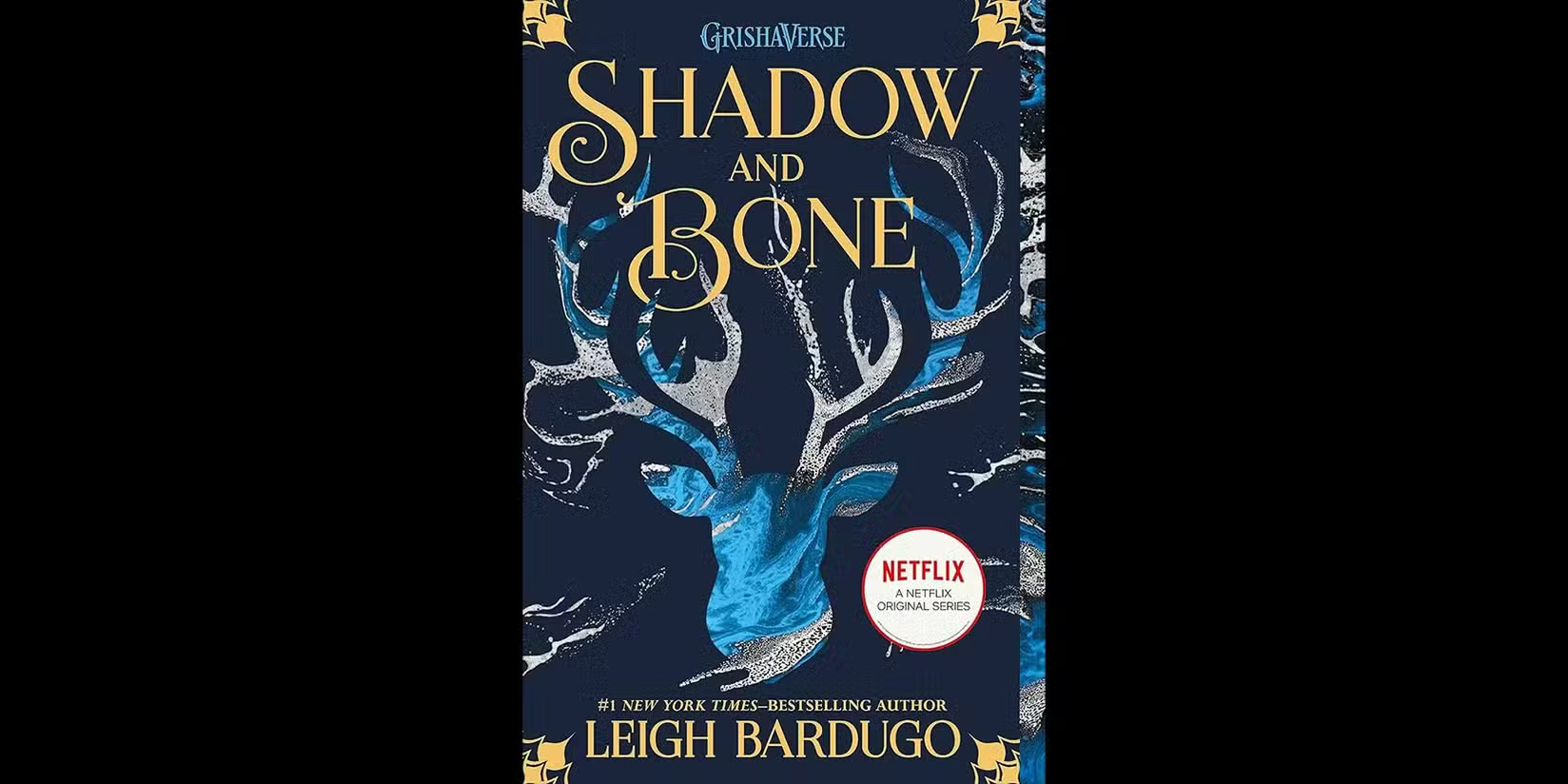



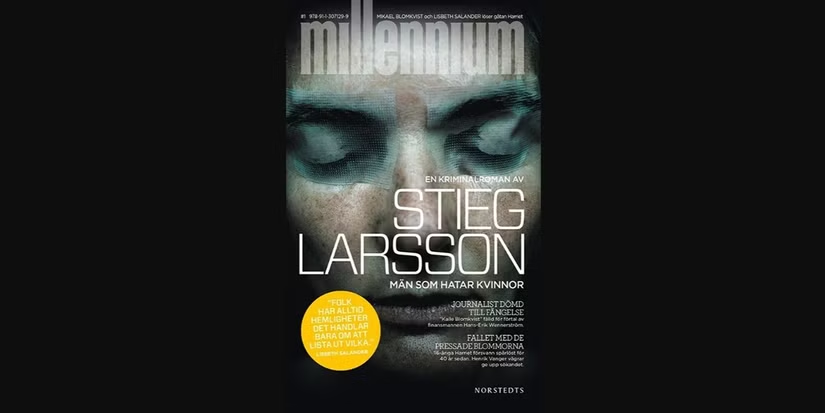


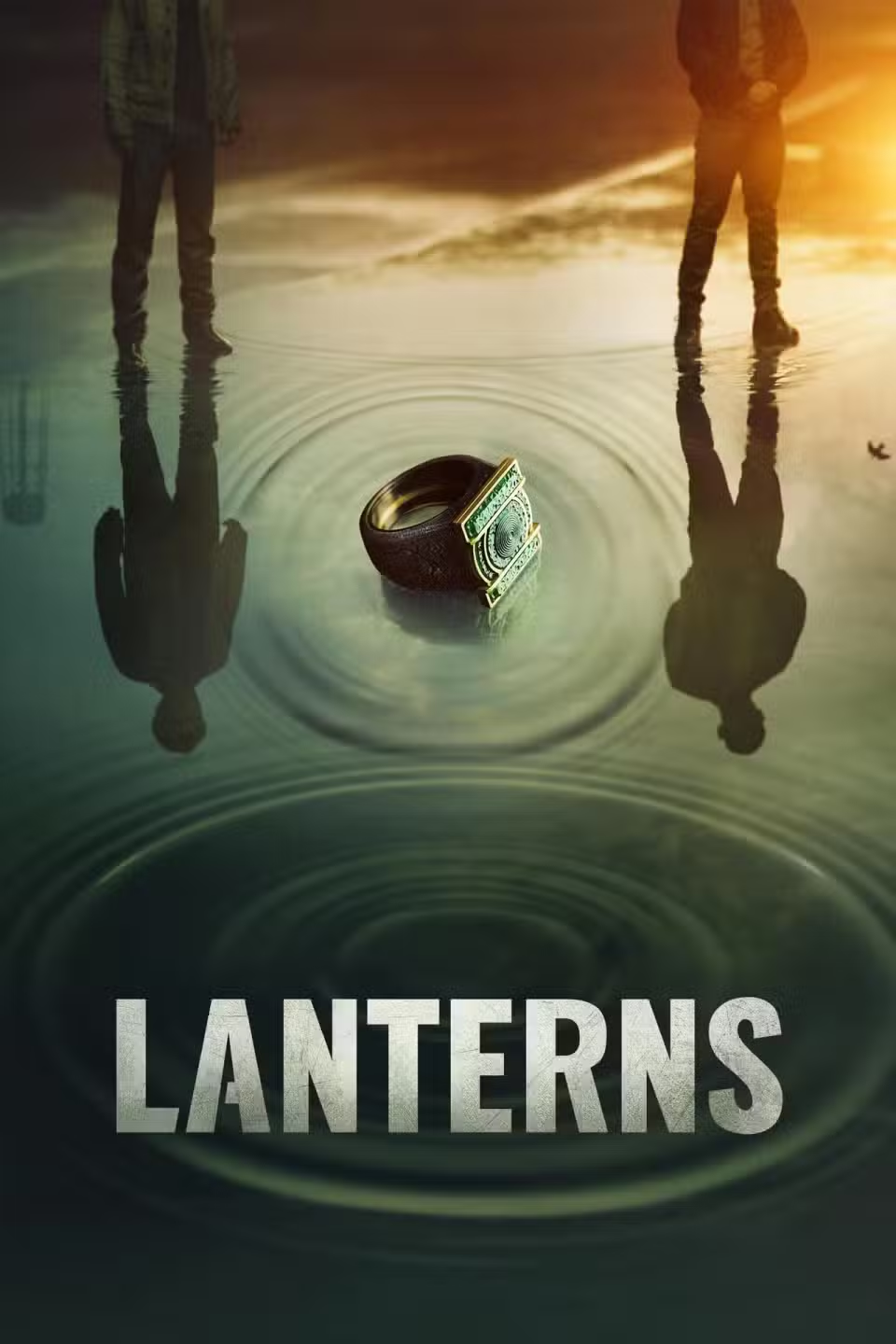

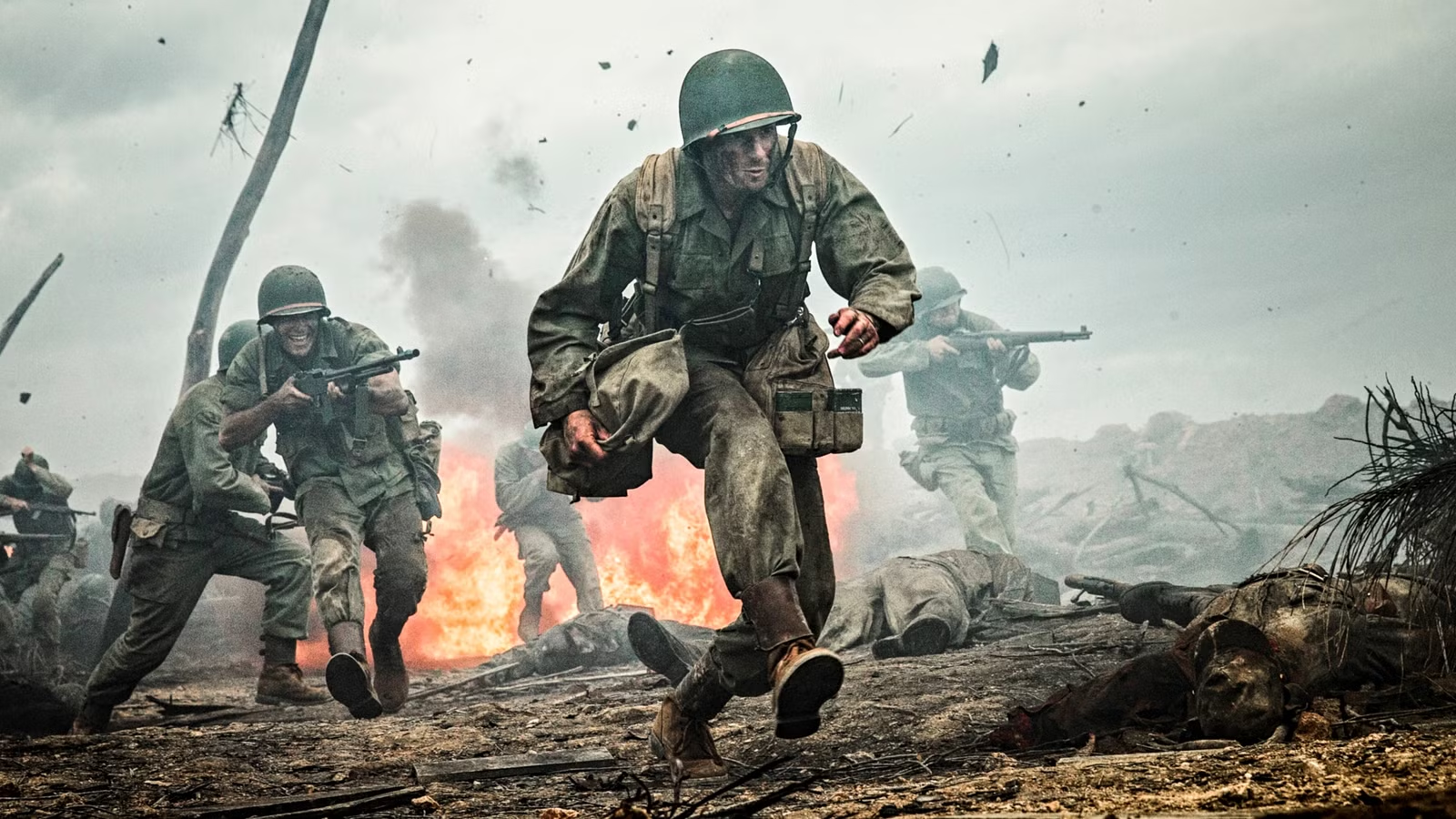


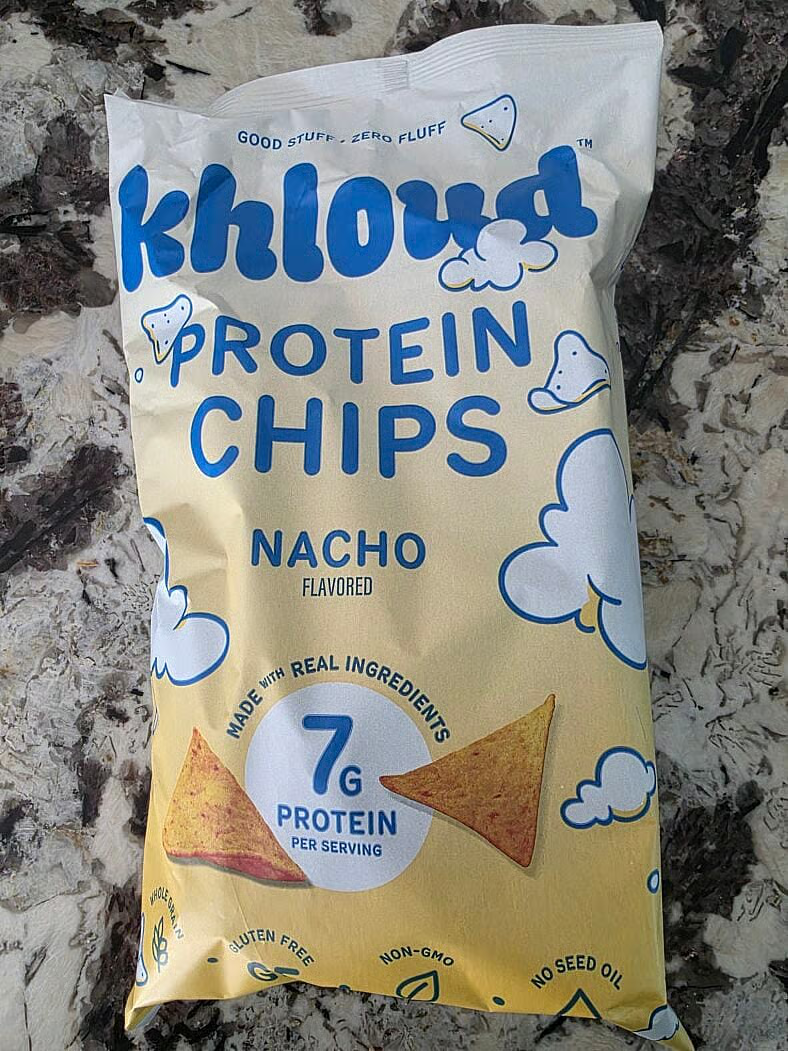




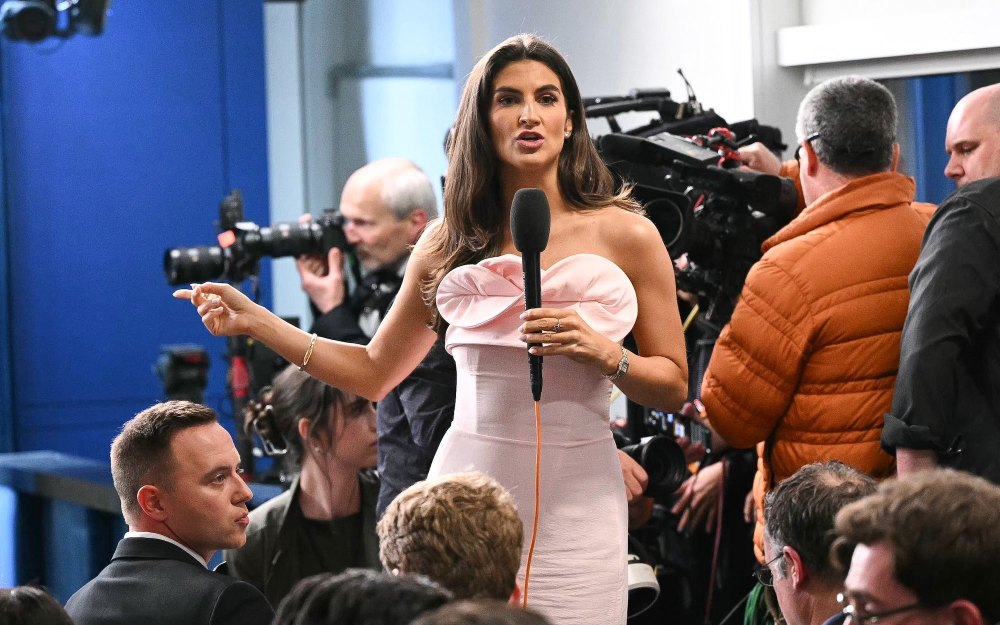


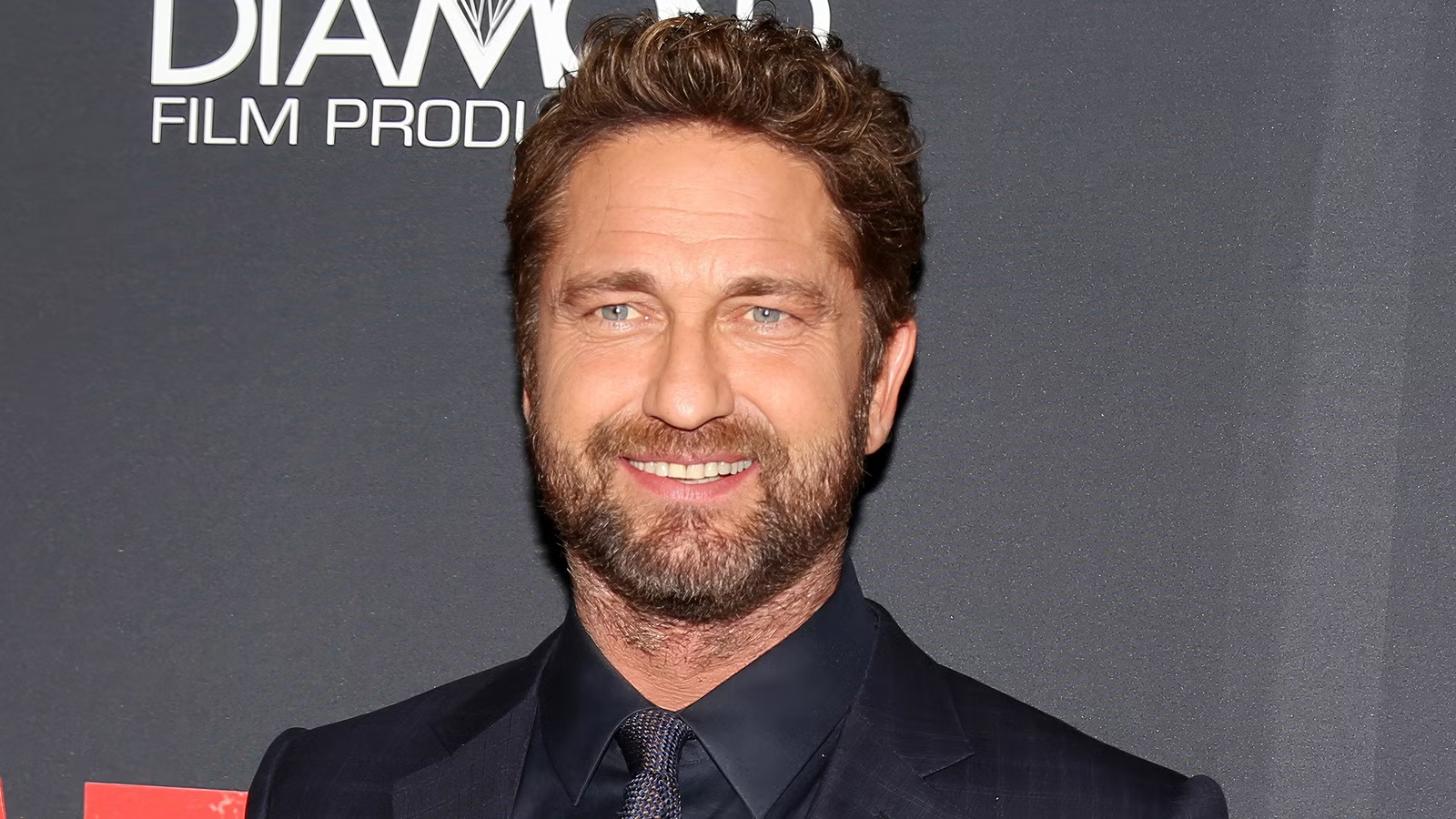


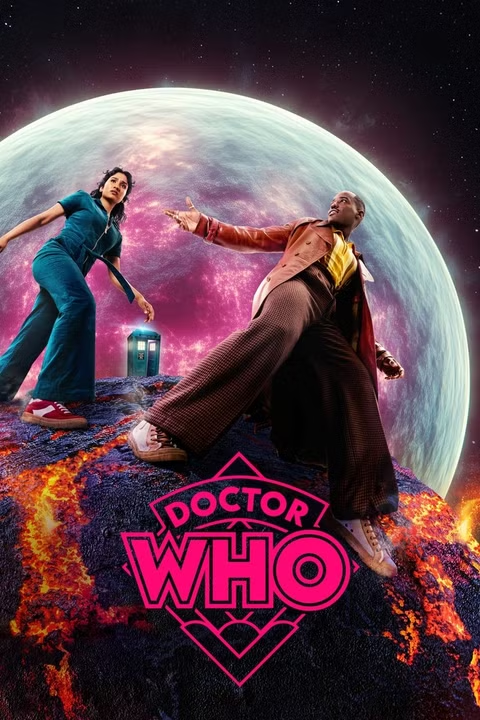





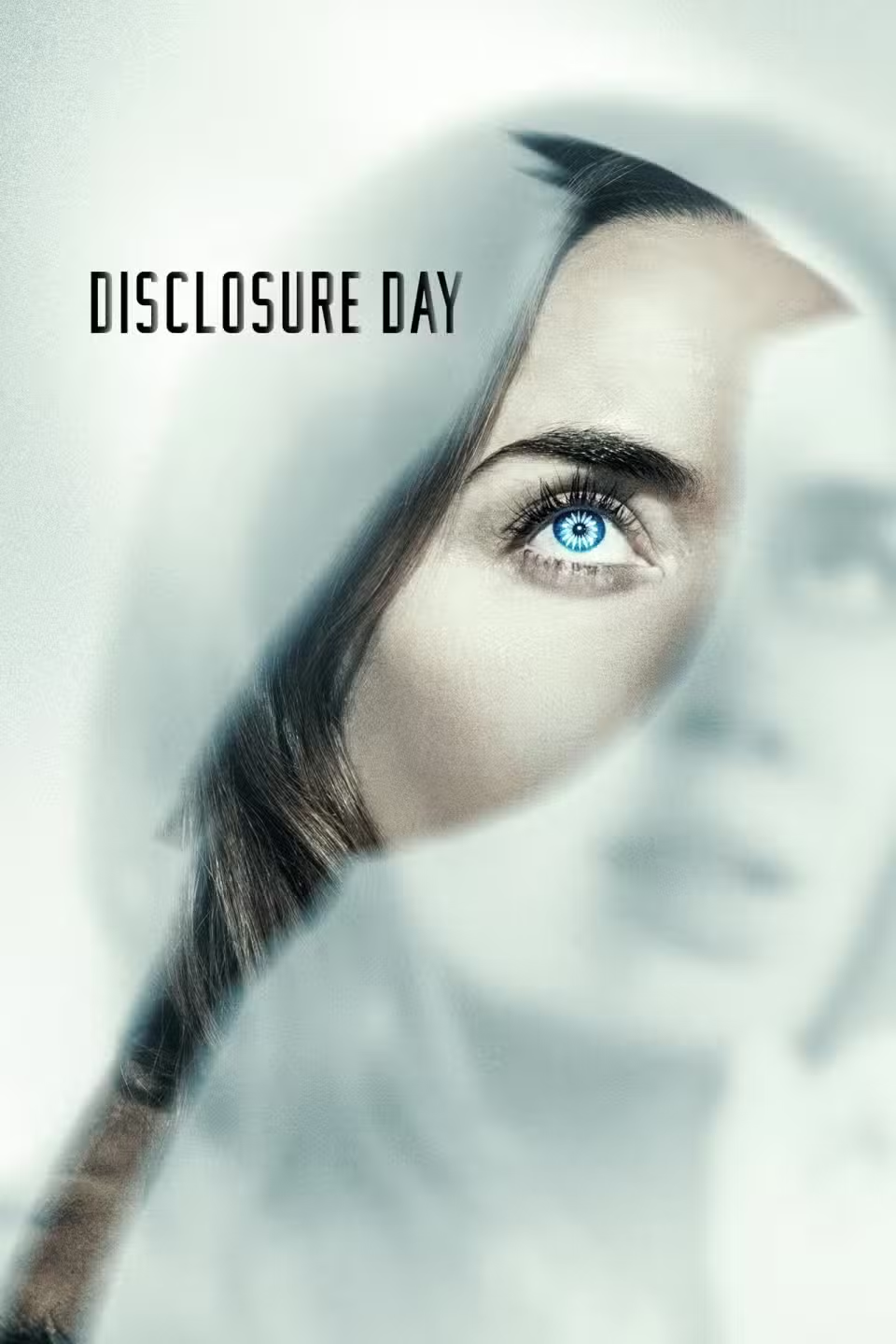







































You must be logged in to post a comment Login