Entertainment
8 Most Divisive Shows Ever, Ranked

Television has always been a powerful vehicle for social development, sparking difficult yet important conversations and challenging long-held beliefs. That’s not an easy thing for everyone to handle, and this aspect of TV has caused polarized reactions for almost as long as the medium has existed. It’s a tricky situation, but in many cases, the controversies also end up becoming the selling points of the shows in question, bringing them recognition from a wider audience.
Some shows do cause controversy by playing up traumatic situations for shock value, but the majority of these series are truly groundbreaking productions that make crucial points about society. Interestingly enough, many of the most controversial shows over the years (the good ones, at least) have been comedies that used humor as a medium to communicate progressive ideas. Without further ado, here’s our ranked selection of some of the most divisive shows of all time, including both landmark classics and more modern fare.
1
‘13 Reasons Why’ (2017–2020)

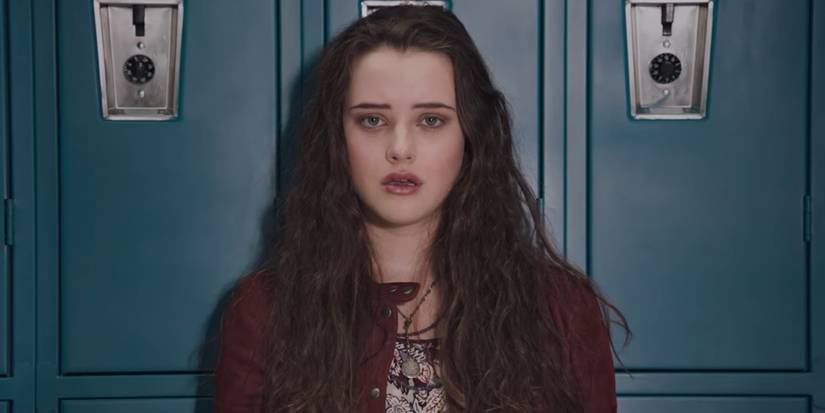
Based on Jay Asher’s eponymous 2007 novel, 13 Reasons Why is a teen drama series that stars Dylan Minnette and Katherine Langford as Clay Jensen and Hannah Baker, both students at the fictional Liberty High School. Two weeks after Hannah’s death by suicide, Clay finds a box of cassette tapes she left behind detailing the reasons why she chose to kill herself. Developed by Brian Yorkey and executive produced by Selena Gomez, the series also stars Christian Navarro, Alisha Boe, Brandon Flynn, Justin Prentice, Miles Heizer, Ross Butler, and more in key roles.
13 Reasons Why’s premise alone was a reason for controversy when it first premiered on Netflix in 2017, but it proved to be a popular watch among streaming audiences, becoming Netflix’s second-most-watched series at the time. The show’s first season was praised by critics and audiences for its themes, emotional depth, character development, and performance, but it was also criticized by mental health professionals and some viewers for its graphic depictions of suicide, sexual assault, and bullying. Subsequent seasons received significantly more negative reviews, especially for a brutal depiction of sexual assault at the end of Season 2.
2
‘Beavis and Butt-Head’ (1993–2011)
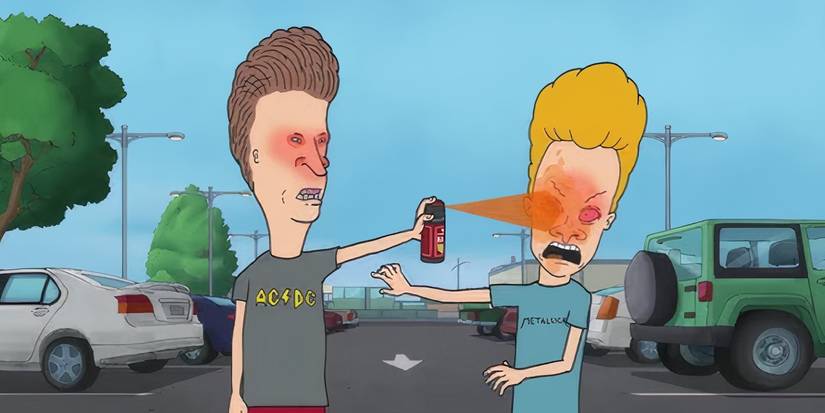
An adult-animated sitcom, Beavis and Butt-Head was created by Mike Judge, who also voices the titular teenage slackers. The show follows its apathetic, unintelligent, and decidedly lowbrow stars as they find themselves on various misadventures and watch a lot of music videos (their favorites are hard rock and heavy metal). Judge voices most of the characters, but Tracy Grandstaff, Kristofer Brown, and Toby Huss also star.
Beavis and Butt-Head was a massive hit on MTV in the ’90s, with its title characters becoming pop culture icons to Gen X while also drawing conservative criticism for their alleged impact on adolescents. For a while, the show was blamed for practically any sort of violent incident involving children and young adults, but that didn’t stop it from having a successful seven-season run. And though the original series ended in 1997, the show has had two revivals, in 2011 and 2022, and was adapted into two movies, Beavis and Butt-Head Do America (1996) and Beavis and Butt-Head Do the Universe (2022).
3
‘Murphy Brown’ (1988–1999)

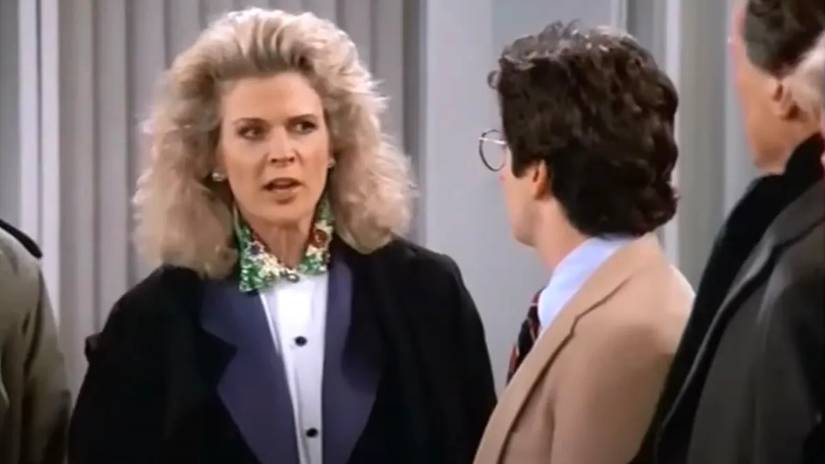
Created by Diane English, Murphy Brown is a sitcom that stars Candice Bergen as the titular character, a famous investigative journalist and news anchor. Set in Washington, D.C., the show follows Murphy’s life as the star reporter of a television news magazine series, where she and her co-workers inevitably end up at each other’s throats. Besides Bergen, the series also stars Faith Ford, Pat Corley, Charles Kimbrough, Robert Pastorelli, Joe Regalbuto, Grant Shaud, and more in lead roles.
Murphy Brown’s original run lasted 10 seasons, airing 247 episodes from 1988 to 1998, and it ruffled a lot of feathers over that decade. Like its protagonist, the show was never scared to address complex issues, no matter how much it infuriated some sections of society. Its most notable controversy erupted during the 1991-1992 season, during which Murphy became pregnant and decided to raise the child as a single mother. As divisive as it was in its day, Murphy Brown is now hailed as one of the greatest sitcoms of all time, and a 13-episode revival premiered on CBS in 2018.
4
‘Euphoria’ (2019–Present)
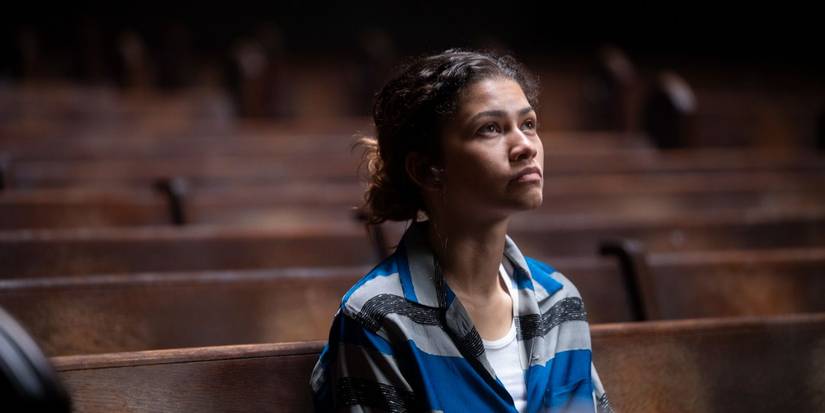
Zendaya in Euphoria Season 3.
Created by Sam Levinson, Euphoria is a psychological teen drama based on the eponymous Israeli miniseries. The show follows a group of high school students as they struggle to navigate drugs, love, and social media. Zendaya leads the ensemble cast as Rue Bennett, a teenage drug addict struggling to get sober and navigate life after rehab. Other main cast members include Maude Apatow, Angus Cloud, Eric Dane, Alexa Demie, Jacob Elordi, Barbie Ferreira, Hunter Schafer, Sydney Sweeney, and Colman Domingo, among others.
Ever since its premiere in June 2019, Euphoria has generated acclaim and criticism alike. The criticisms have been largely about the amount of nudity and sexual content, which some critics find excessive and problematic, considering it’s supposed to be a high school show with teenage characters. Despite the backlash, however, the show enjoys a sizable following and has earned consistent praise for its cinematography and performances. The series has also received several accolades, winning Zendaya two Emmy Awards, a Critics’ Choice Television Award, and a Golden Globe.
5
‘Maude’ (1972–1978)
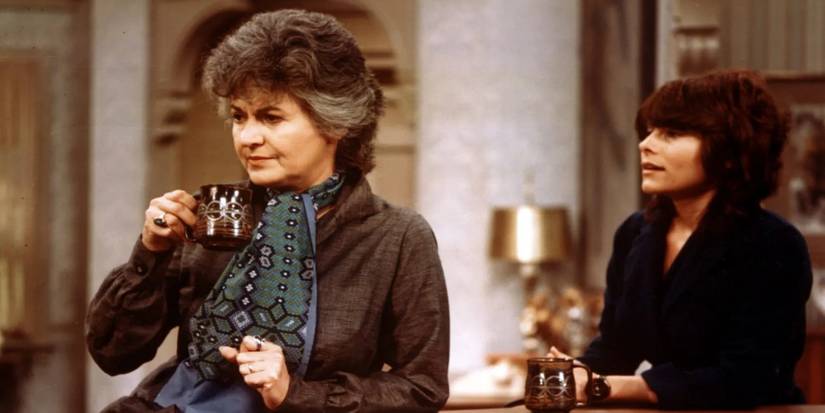
Created by Norman Lear and Bud Yorkin, Maude is a TV sitcom that was the first spin-off of All in the Family. Bea Arthur stars as the outspoken, politically liberal title character, who lives in suburban New York with her fourth husband, Walter Findlay (Bill Macy). Besides Arthur and Macy, the show also stars Adrienne Barbeau, Conrad Bain, Rue McClanahan, Esther Rolle, Hermione Baddeley, J. Pat O’Malley, and Marlene Warfield in key roles.
Maude aired six seasons on the CBS network in the 1970s, developing a sizable fan following. Though primarily a topical comedy, the show incorporated a lot of dark humor and drama as well, which attracted controversy. The series became a national talking point in 1972, when it showed Maude deciding to have an abortion in the two-part episode “Maude’s Dilemma,” which aired two months before the Roe v. Wade decision that legalized abortion across the country. And that was just the first season. Later storylines deal with more taboo themes of its time, like suicide, drug abuse, and alcoholism.
6
‘Skins’ (2007–2013)

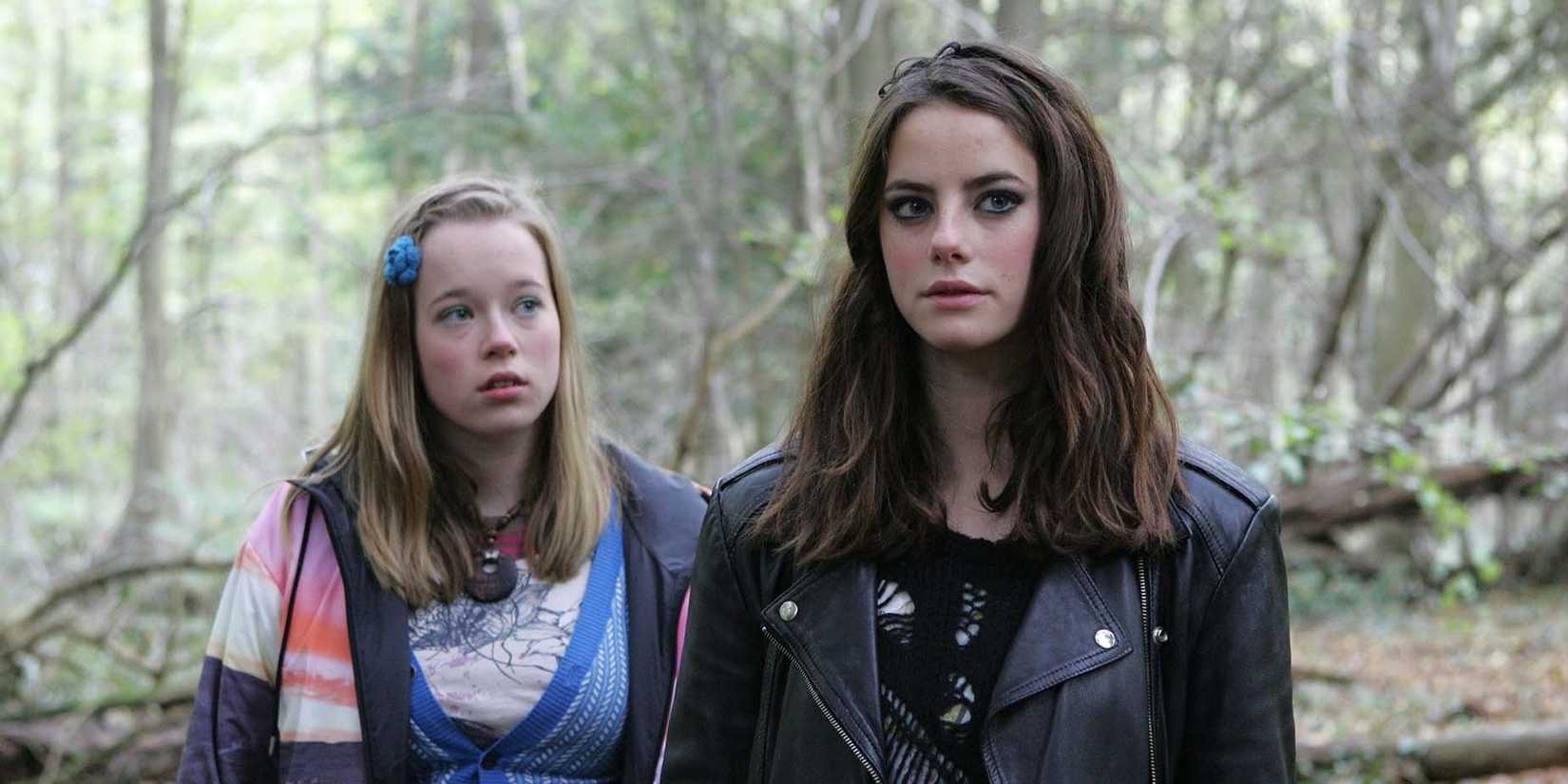
Euphoria is hardly the first show to explore the sex lives of teenagers. Created by father-son duo Bryan Elsley and Jamie Brittain, Skins is a British teen drama series that follows a group of teenagers in Bristol, England, as they navigate dysfunctional families, mental illness, sexuality, gender, substance abuse, bullying, and even death. The show’s ensemble cast includes Nicholas Hoult, Hannah Murray, Joe Dempsie, Dev Patel, Daniel Kaluuya, April Pearson, Kaya Scodelario, and more.
At the time of its original broadcast in the late 2000s, Skins was, depending on your perspective, either the most infamous or most revolutionary show on British television. While its mature themes attracted controversy, it was also praised by critics and fans for its accurate representation of the contemporary youth experience. The show launched a number of careers and has developed into a cult favorite, and though it originally ended in 2010, a special seventh and final season was released in 2013.
7
‘Dear White People’ (2017–2021)
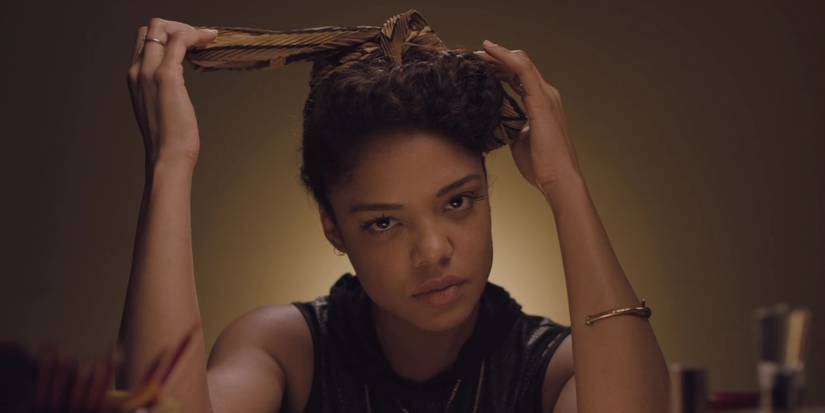
Created by Justin Simien, Dear White People is a comedy-drama series based on Simien’s eponymous 2014 film. A continuation of the film’s story, characters, and themes, the show follows a group of black college students at a fictional Ivy League institution, exploring modern American race relations from a critical progressive perspective. Logan Browning, Brandon P. Bell, DeRon Horton, Antoinette Robertson, John Patrick Amedori, Ashley Blaine Featherson, Marque Richardson, Jemar Michael, and Courtney Sauls star as lead characters, with recurring roles played by Giancarlo Esposito, DJ Blickenstaff, Caitlin Carver, Ally Maki, and more.
Dear White People caused quite a stir even before its premiere, with the trailer attracting angry responses from certain social media users who felt the show was racist towards white people. Ironically, the backlash brought the series wider recognition, and it also proved the show’s point in many ways. The series is undeniably provocative and smartly funny — an entertaining work of social commentary that asks hard questions and contemplates difficult answers.
8
‘South Park’ (1997–Present)
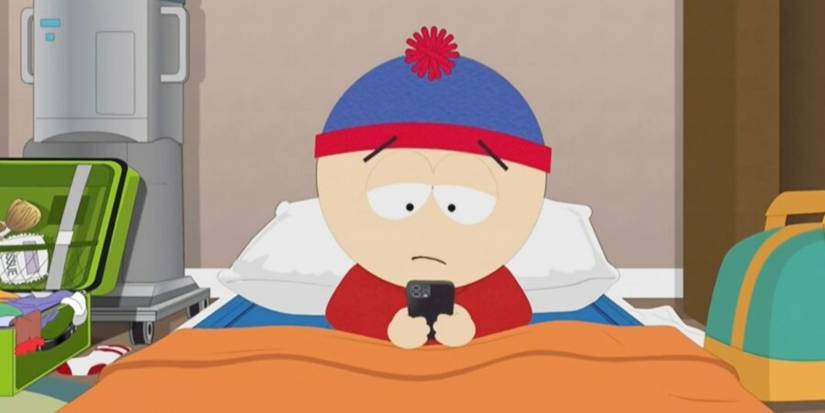
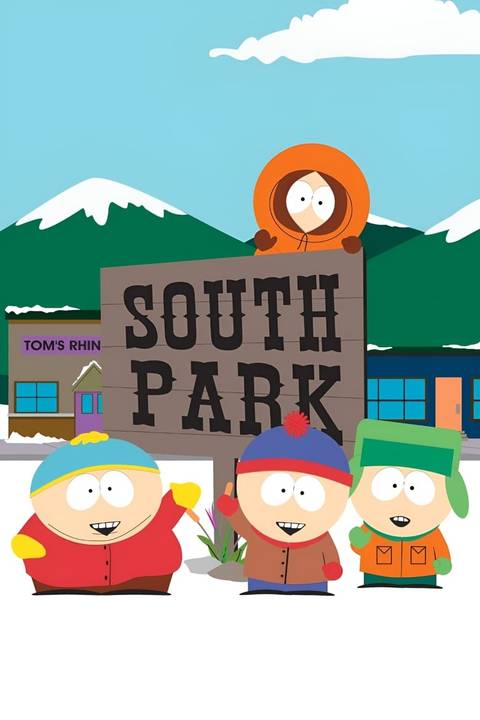
Created by Trey Parker and Matt Stone, South Park is an animated sitcom that revolves around the misadventures of four foul-mouthed boys in and around South Park, Colorado. Parker and Stone also voice the four leads, Stan Marsh, Kyle Broflovski, Eric Cartman, and Kenny McCormick, and the series follows their bizarre stories, satirizing practically everything. The show’s voice cast also includes Mary Kay Bergman, Isaac Hayes, Eliza Schneider, Mona Marshall, April Stewart, and Adrien Beard.
Being divisive and infamous is basically what South Park is all about. The show has been controversial ever since its premiere in 1997, and today, over 20 seasons later, it’s still as dark, provocative, and unfiltered as ever. The series regularly draws criticism from both conservative and liberal members of society, which has done nothing to bring down its acclaim in the eyes of critics and fans. The show has also earned numerous accolades, including five Emmy Awards and a Peabody Award. An Academy Award-nominated movie, South Park: Bigger, Longer & Uncut, was released in 1999.

- Release Date
-
August 13, 1997
- Network
-
Comedy Central
- Directors
-
Adrien Beard
- Writers
-
David A. Goodman, Nancy M. Pimental, Kenny Hotz, Philip Stark, Dave Weasel, Dan Sterling, Susan Hurwitz Arneson, Trisha Nixon, David R. Goodman, Tim Talbott, Pam Brady, Robert Lopez, Dani Michaeli, Kyle McCulloch, Karey Dornetto, Jonathan Kimmel, Jane Bussmann
You must be logged in to post a comment Login