Entertainment
8 Most Perfectly Made Action Movies, Ranked

Action perfection is a very particular thing. It’s a movie where nothing feels ornamental. The geography is clear. The momentum is alive. The star body matters. The camera knows what the movement means. The plot gives the action shape instead of interrupting it. The action gives the plot emotion instead of merely decorating it. And when it is really at the highest level, the movie starts feeling like it could not have been made any other way.
That is why these eight are different. They are not merely beloved action films. They are action films where craft becomes its own kind of ecstasy. You can feel the confidence in them. The calm. The absence of panic. They know exactly where the audience is, exactly what the body in motion can do, exactly when to speed up and exactly when to hold. Some are funny. Some are brutal. Some are practically religious in their commitment to pursuit. All of them feel complete.
8
‘Speed’ (1994)


The thing that makes Speed so perfect is how ruthlessly it understands premise as structure. There is a bomb on a bus and it cannot go below fifty, is a brilliant hook. And then it is a complete action grammar. Every choice, every lane change, every bit of traffic, every passenger panic, every patch of open road or city congestion becomes dramatically legible instantly. The movie does not have to keep inventing fake urgency, because urgency is baked into the design at the molecular level. That is such a hard thing to pull off this cleanly, and Speed makes it feel easy.
And then there is the human side of its precision. Jack Traven (Keanu Reeves) is not cool in a distant, invincible way. Reeves makes him physical, reactive, fast-thinking, sometimes improvisational to the point of recklessness. Annie Porter (Sandra Bullock) gets pulled into the machine and Bullock does the exact right thing with the role: she does not become dead weight, comic side garnish, or forced action heroine. She becomes part of the pressure system. Howard Payne (Dennis Hopper), meanwhile, understands villainy as gleeful theatrical engineering. But the deeper reason the movie feels perfect is that the action never loses contact with bodies. A bus should feel huge, unstable, overcommitted, and full of panicking human beings. In Speed, it always does.
7
‘John Wick: Chapter 4’ (2023)
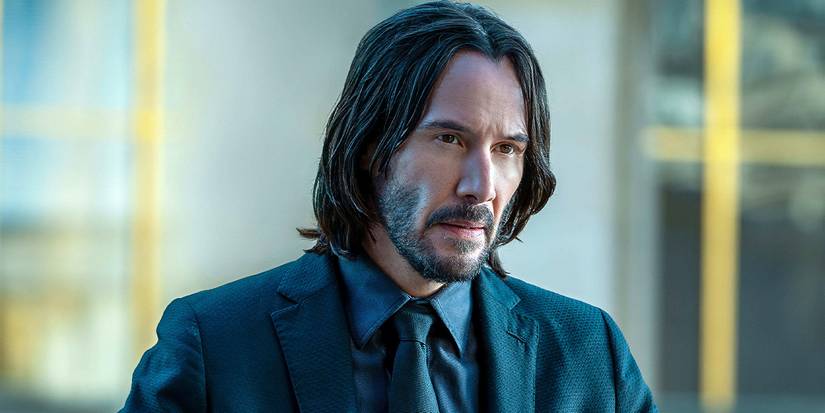
What puts John Wick: Chapter 4 this high is that it is one of the few modern action movies that understands excess can become form. A lot of long action films feel swollen. This one feels symphonic. It keeps taking the same core idea, a man moving through systems designed to kill him, and finding new visual and rhythmic ways to restate it until repetition turns into style and style turns into destiny. By this point, John Wick (Keanu Reeves) is not just an assassin but this symbol and myth wandering through architecture, and the movie fully commits to that without losing the tactile joy of bodies being thrown, slammed, shot, chased, and broken.
And the set pieces are ridiculous in the right way. The Osaka sequence. The Arc de Triomphe insanity. The overhead dragon’s-breath section, which feels like an action director briefly turning into a god with a cruel sense of play. Then the staircase, which is funny, painful, humiliating, and heroic at once. That is the trick with John Wick: Chapter 4. It knows action can be beautiful and absurd simultaneously. Reeves’ performance is part of the perfection too. He is not giving you a lot in traditional dialogue terms, but his exhaustion, persistence, and pain shape the whole movie.
6
‘Hard Boiled’ (1992)

There are action movies with great gunfights, and then there is Hard Boiled, which feels like John Woo deciding that bullets, loyalty, sacrifice, male grief, and pure movement can all belong to one emotional language. This is one of the most deliriously confident action films ever made. Every gunfight is filmed beautifully — choreography as moral weather. Tequila Yuen (Chow Yun-fat) is not just a cop blasting his way through rooms. He is a man moving with so much sorrowful aggression that the whole film starts feeling like balletic self-destruction.
The hospital sequence alone would secure the movie’s place in the canon. It is one of the greatest endurance-action constructions ever put on film, a set piece that just keeps mutating without losing spatial readability or emotional heat. Babies, gangsters, glass, white walls, elevators, corridors, double-crosses, it all becomes part of the same fever. But what makes Hard Boiled feel perfectly made instead of merely gloriously excessive is Woo’s control over tone. The movie can go broad, tender, savage, and tragic without snapping apart. Chow Yun-fat gives Tequila that miraculous combination of charisma and bruised nobility, and the result is action cinema at full operatic intensity.
5
‘Mission: Impossible – Fallout’ (2018)
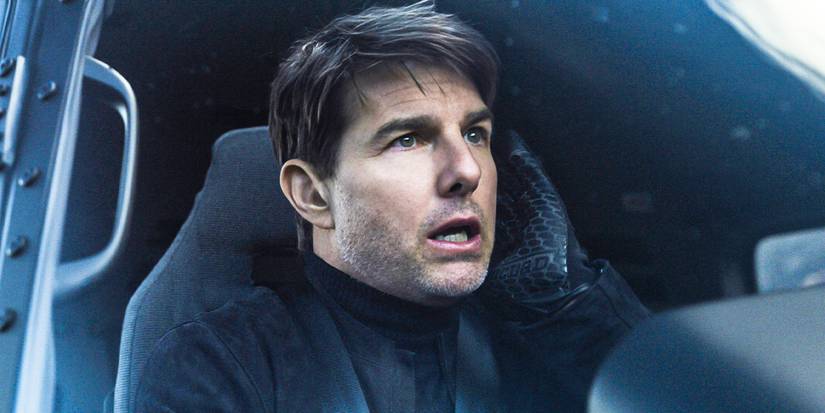
This is one of the cleanest examples in modern blockbuster filmmaking of a movie understanding that action is trust. Trust in the audience’s eye. Trust in star labor. Trust in geography. Trust in the idea that if the movement is clear and the stakes are clean, the tension will build itself. Mission: Impossible – Fallout feels like a machine designed by people who respect action enough not to bury it. Every set piece is allowed to breathe. The HALO jump, the bathroom fight, the Paris chase, the helicopter finale, none of it feels chopped into submission. You can actually watch what is happening, which in this era still feels borderline radical.
And then there is Ethan Hunt (Tom Cruise), who by this point is not merely starring in these movies but turning his body into part of their marketing, mythology, and internal truth. Ethan Hunt’s whole deal in Fallout is that competence and emotional loyalty are inseparable. He is amazing at this work, and that very quality keeps making the work harder because he refuses to reduce people to collateral. That is why the action matters emotionally. He is trying to save everyone and pay every moral bill at full speed. The whole film is structured around that impossibly high standard, and the action becomes the physical expression of it.
4
‘The Raid’ (2011)

The Raid is what happens when an action film strips itself down until almost nothing remains except momentum, impact, and survival, and then discovers that “almost nothing” can still feel enormous if the craft is exact enough. The premise is so simple it is almost blunt: a SWAT team enters a building controlled by a crime lord, everything goes wrong, and now they have to fight floor by floor to stay alive. That is it. No wasted mythology. No false complexity. Just vertical hell and men trying to get through it with bones still functioning.
What makes it perfect is that the movie understands the building as action structure. Every hallway, doorway, room, stairwell, and choke point means something. Every fight changes the audience’s relationship to space. The bodies matter. The fatigue matters. The hits feel like they cost energy that will be needed later. Rama (Iko Uwais) moves with terrifying grace, but the movie never turns that grace into ease. The action has clarity and pain in equal measure. And because the narrative is so stripped, the film has nowhere to hide. If one fight were dull, the whole thing would wobble. It never does. It just gets meaner, tighter, and more impressive the longer it goes. That is purity.
3
‘Terminator 2: Judgment Day’ (1991)
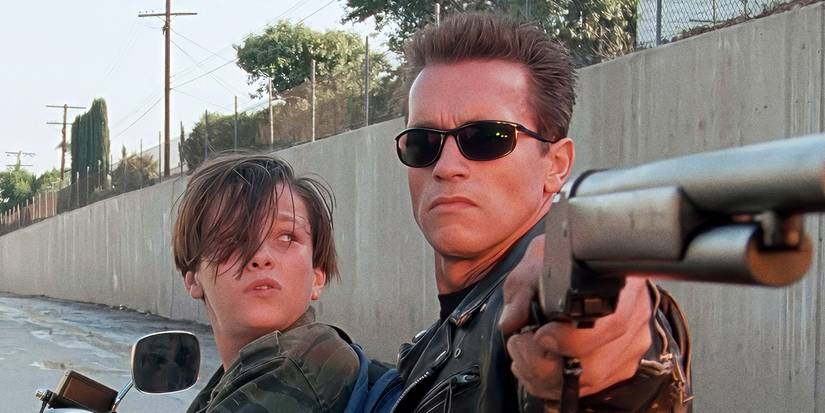
There are bigger action films. There are grimmer action films. There are maybe even films with individual set pieces as iconic. But Terminator 2: Judgment Day is one of the rare action masterpieces where scale, emotion, concept, and physical craftsmanship all lock together so fully that the movie starts feeling inevitable. It is not just a sequel upgrade. It is one of the best demonstrations ever of how to take a premise and deepen it rather than merely enlarge it. The first film gives you terror. The second takes the same mythic machinery and builds toward something stranger and more moving: protection, chosen family, and the impossible fantasy of teaching a killing machine how to become morally legible.
That is why the action scenes land so hard. The T-1000 (Robert Patrick) is not just cool effects innovation, though it absolutely is that. It is a conceptual nightmare, relentless, adaptive, smooth where the old model was brutal. The truck chase, the asylum break, the canal pursuit, the steel mill finale, every set piece is doing technical work and emotional work simultaneously. Sarah Connor (Linda Hamilton) is harder now, John Connor (Edward Furlong) is still a child trying to figure out what kind of future is being written around him, and the T-800 (Arnold Schwarzenegger) becomes a paradox: a machine made more heroic by gradually acquiring something like human devotion. Heads up: the ending of this film hurts.
2
‘Die Hard’ (1988)
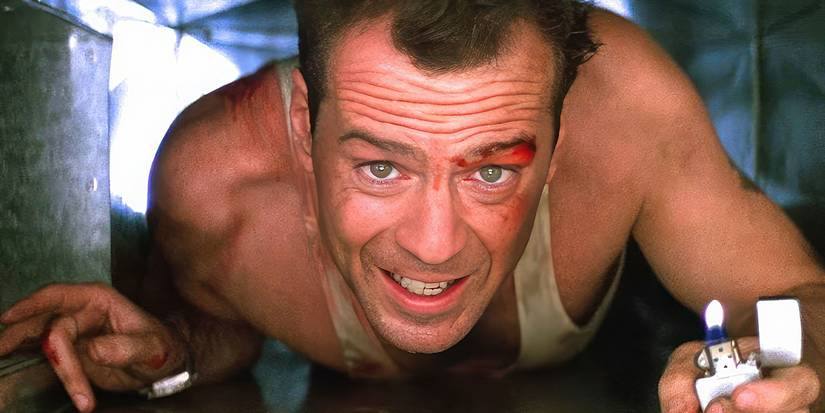
If Speed is the masterpiece of the perfect premise, Die Hard is the masterpiece of the perfect containment system. It takes one building, one man, one group of thieves, one holiday setting, one marriage in trouble, and turns all of it into action architecture so exact it almost feels supernatural. John McClane (Bruce Willis) is not an abstract hero or that perfect hero archetype either. He is tired, irritated, vulnerable, improvisational, increasingly battered, and emotionally invested in the situation in ways that go beyond generic heroism. McClane bleeds, limps, panics, guesses, hides, and keeps going anyway.
And every supporting piece is doing real structural work. Hans Gruber (Alan Rickman) is elegant enough to elevate the whole movie because he does not mistake cruelty for loudness. Al Powell (Reginald VelJohnson) gives the film its off-site human warmth. Holly Gennero McClane (Bonnie Bedelia) matters as more than hostages usually matter. Even the corporate and media irritants make the story richer by sharpening the social ecosystem around the siege. Then the action itself is a lesson in escalation. The roof. The broken glass. The vent. The elevator shaft. The unfinished floors. The movie learns the building so thoroughly that the building becomes part of the storytelling body. That is why it feels immortal. It is not just exciting. It is organized with genius.
1
‘Mad Max: Fury Road’ (2015)
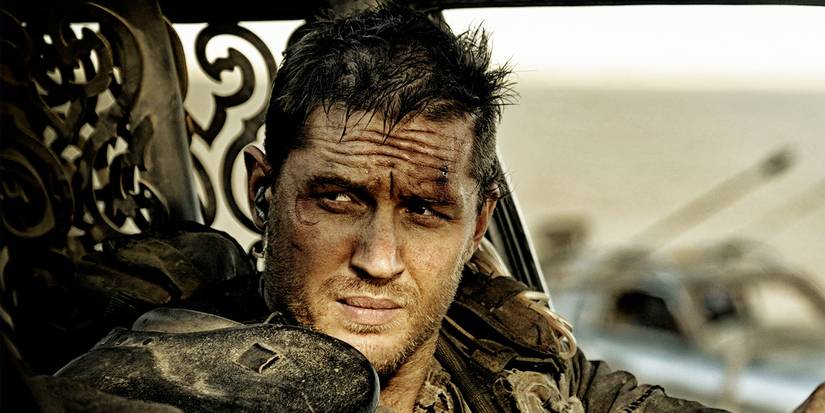
This is number one because it is one of the very few action films that feels like pure cinema from the first frame to the last without ever drifting into abstraction or self-admiration. Mad Max: Fury Road is not a chase movie in the reductive sense. It is a complete action cosmology built out of pursuit, rhythm, war machinery, and desperate rebirth. The genius is that George Miller takes something simple, escape, chase, turn, return, and loads every second of it with visual intelligence, character information, world-building, and escalating emotional consequence. There is no slack. There is not a dead image in the movie.
And what makes it the most perfectly made action film is that for all the formal precision, it still feels feral. Imperator Furiosa (Charlize Theron)’s mission is not just plot. It is spiritual revolt. Max Rockatansky (Tom Hardy) is not just a helpful drifter. He is trauma on wheels, slowly turning back into a participant in human survival. Immortan Joe (Hugh Keays-Byrne)’s world is grotesque and mythic and horribly functional. The War Boys are not just cannon fodder but a whole theology of weaponized desperation. The action scenes are incomprehensibly rigorous in craft terms, center framing, color clarity, motion continuity, practical weight, but the film never presents that rigor as homework. It feels like a scream with perfect grammar. That is why it sits at the top. Not just because it is great. Because it is complete.

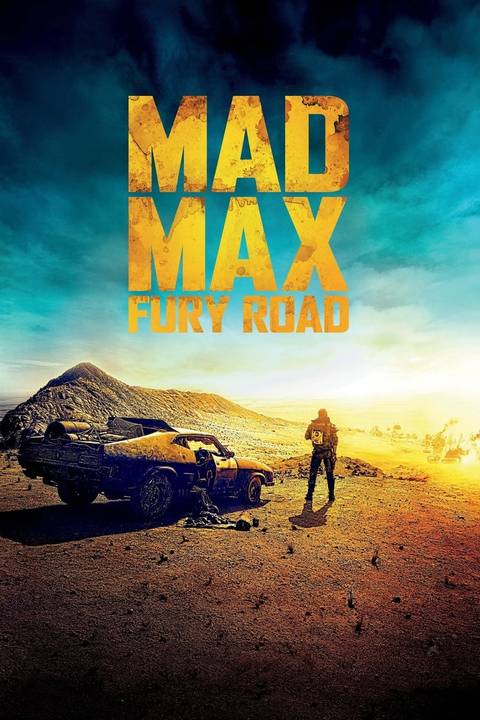
Mad Max: Fury Road
- Release Date
-
May 15, 2015
- Runtime
-
121 minutes
- Director
-
George Miller
- Writers
-
Brendan McCarthy, George Miller, Nico Lathouris
You must be logged in to post a comment Login