Entertainment
8 Most Universally Beloved Action Movies of All Time, Ranked

Universal love is a hard thing to earn in action cinema. Plenty of action movies are iconic. Plenty are influential. Plenty have one immortal set piece, one immortal star, one immortal villain, one immortal line. Universal love asks for more. It asks for a movie people return to with real affection, the kind that survives changing tastes, new technology, endless imitation, and the usual backlash that comes for anything successful enough to become part of the culture. These are the films that somehow keep clearing every generation anyway.
And I’ve noticed that among these movies, the common thread is precision. Each one understands movement, stakes, character, and escalation so well that the thrills never feel empty. The action keeps revealing people. The plot keeps tightening while the set pieces get bigger. The audience gets excitement and emotional payoff in the same breath. That is why this list is limited to eight movies. All eight of them stayed beloved instead of becoming dusty important classics for a reason.
8
‘Crouching Tiger, Hidden Dragon’ (2000)

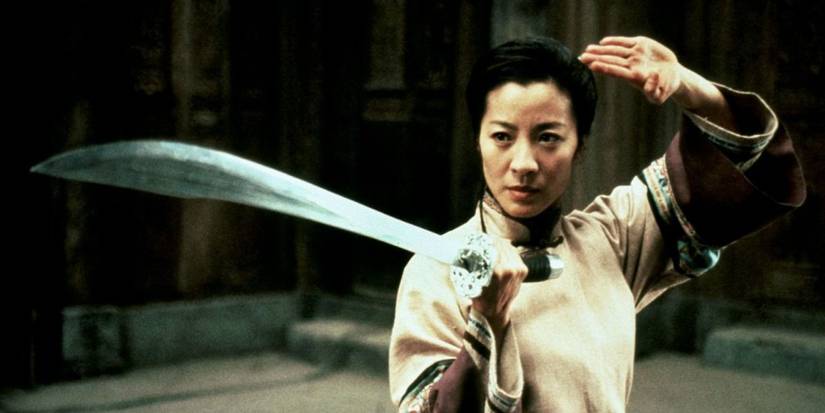
This film has universal love because Crouching Tiger, Hidden Dragon gives action the one thing a lot of imitators never quite manage to hold onto: yearning. Every fight has longing inside it. Every leap across rooftops carries pride, repression, unfinished love, wounded discipline, or the hunger to live outside a life somebody else designed. Li Mu Bai (Chow Yun-fat) and Shu Lien (Michelle Yeoh) are heartbreaking because the movie lets years of restraint sit between them in every scene. Jen (Zhang Ziyi) explodes into that emotional geometry like a lit match, gifted enough to astonish everyone and immature enough to weaponize that gift against herself.
That is why the action feels so complete. Jen stealing Green Destiny is plot. Jen fighting Shu Lien with escalating weapons is character. Jen flying across rooftops is rebellion. The desert story with Lo (Chang Chen) turns her into something fuller than a spoiled prodigy and makes the final tragedy hit harder. People love Crouching Tiger, Hidden Dragon because it gives them beauty, velocity, romance, pain, and one of the greatest uses of movement as emotional language ever put on screen.
7
‘Mad Max: Fury Road’ (2015)
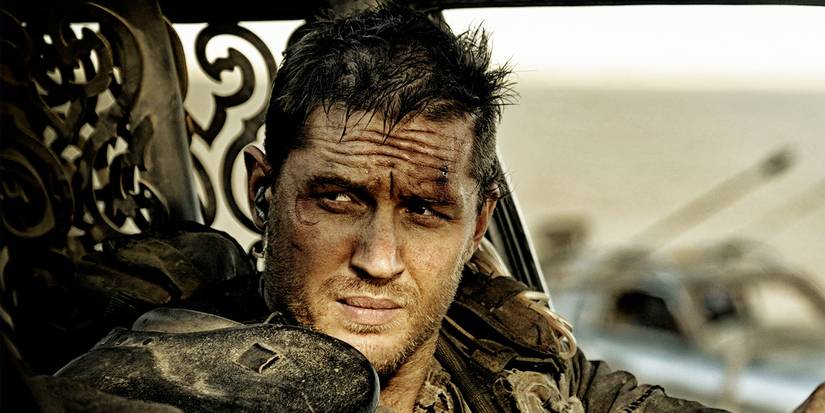
People love Mad Max: Fury Road because it feels like action cinema purified down to instinct and then rebuilt with miraculous control. The movie has speed, noise, sand, chrome, fire, and vehicles that look like they were invented by people who never slept again after the apocalypse. It also has an emotional spine strong enough to make the whole thing matter. Furiosa (Charlize Theron) is the key. Her decision to smuggle the wives out turns the movie from chase spectacle into liberation story, and once that clicks into place, every mile gets heavier.
Max (Tom Hardy) helps because he enters as a man reduced to survival reflex, and the script slowly drags him back toward human commitment. Nux (Nicholas Hoult) becomes one of the film’s secret weapons because his arc turns fanaticism into something sad, then brave. The Green Place revelation is where Mad Max: Fury Road becomes a masterpiece. Hope in one direction dies, and suddenly the answer is to go back through the nightmare and take the citadel itself. That reversal is such a brilliant plot turn that the second half feels even more alive than the first.
6
‘Aliens’ (1986)
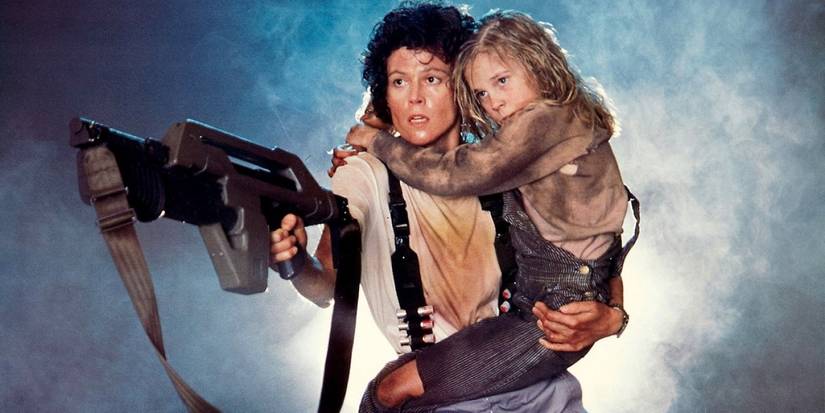
This movie has stayed beloved because Aliens gives people everything they want from action while deepening everything they loved in Alien. Ripley (Sigourney Weaver) returns carrying trauma that the film treats seriously, then gets pushed right back toward the species that broke her life. That alone gives the movie emotional weight before a single pulse rifle starts firing. Then James Cameron adds marines, machinery, swagger, military procedure, corporate greed, and the child-survival bond with Newt (Carrie Henn), and suddenly the film has a much bigger heartbeat.
The colony discovery is such a great slow burn. The movie lets dread accumulate through architecture, silence, and evidence. Then the motion trackers start mattering. Then the hive becomes a kill box. Then Gorman (William Hope) collapses, Hudson (Bill Paxton) loses his nerve, Vasquez (Jenette Goldstein) goes full war spirit, Burke (Paul Reiser) exposes his rot, and Ripley becomes the only adult in the room who understands what this enemy actually means. The power loader ending has action writing with blood in it.
5
‘Raiders of the Lost Ark’ (1981)

This movie remains beloved because Raiders of the Lost Ark moves with the confidence of a film that knows every second should entertain, reveal, or endanger. Indy (Harrison Ford) gets the idol in the opening and already feels complete as a hero: smart, lucky, tough, vain enough to miscalculate, human enough to get hurt. Then the movie keeps handing him problems that feel bigger than one man without ever breaking the line of adventure. Marion (Karen Allen) matters because she brings emotional friction and toughness. Belloq (Paul Freeman) matters because he is the version of Indy with the conscience sanded off.
The truck chase makes you grow out of everything the movie has built, and puts Indy through hell in a way that keeps him heroic. The supernatural payoff at the end is the final reason people love this film so fiercely. The Ark stays mysterious long enough that when it finally opens, the movie reveals it was never just an object to be won. Everybody chasing it with greed, pride, or arrogance gets exactly the ending they earned.
4
‘The Matrix’ (1999)
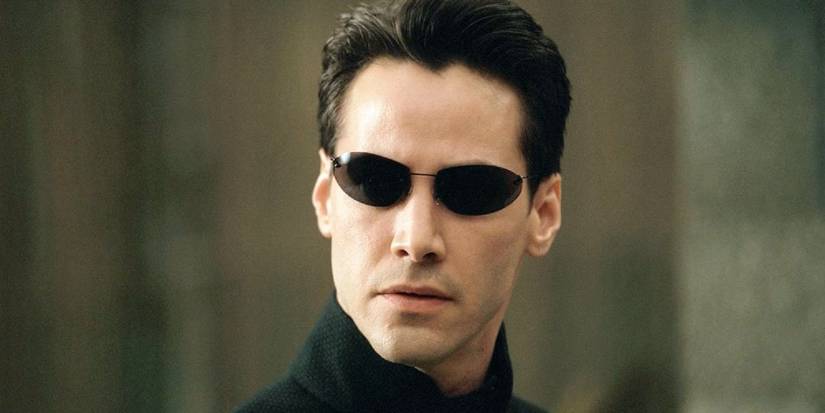
Universal love came to this film because The Matrix gave people action that felt like revelation. And it’s more relevant than ever today in 2026, 27 years later and that’s something. That’s brilliant. Neo (Keanu Reeves) starts out with a feeling every audience member understands in some form: something about life is wrong, but the structure around him is too complete to challenge directly. The red-pill choice is a pop culture phrase now. Once Neo wakes up in the real world, every piece of action that follows gains an extra charge. Fights are arguments about reality, control, and belief.
Morpheus (Laurence Fishburne) gives the movie mythic conviction. Trinity (Carrie-Anne Moss) gives it emotional proof that faith in Neo existed before he could justify it. Smith (Hugo Weaving) turns authority into hatred with a face and a voice that keep getting more frightening the more he talks. And while the set pieces aren’t brilliant as per today’s standards, they’re okay still because the movie is strong. The themes justify them still. The dojo teaches the rules. The lobby shootout declares war on those rules. The rooftop and helicopter rescue announce that Neo is crossing into a new level of agency. The subway fight and resurrection make the whole film click into destiny. People still love The Matrix because it feels smart, cool, emotional, and structurally perfect all at once.
3
‘The Dark Knight’ (2008)
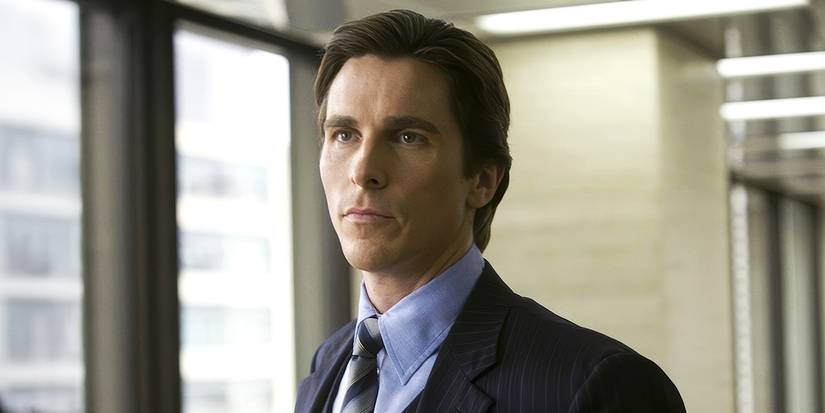
The Dark Knight takes blockbuster action and ties it directly to moral pressure. Gotham feels like a real city under stress instead of a comic-book backdrop waiting for destruction — all thanks to Christopher Nolan. Bruce (Christian Bale) wants Harvey Dent (Aaron Eckhart) to become the public face that could let Batman step back, which gives the story a genuine political and emotional center. Then the Joker (Heath Ledger) arrives and starts attacking every fragile structure at once: organized crime, public confidence, legal order, heroic symbolism, and the private bonds between Bruce, Harvey, and Rachel (Maggie Gyllenhaal).
The action sequences are beloved because each one changes the story. The bank robbery introduces the Joker’s logic. The penthouse attack exposes how vulnerable Bruce’s emotional hopes really are. The armored convoy chase feels huge because Dent matters. The interrogation scene works like action without movement because the power balance keeps shifting. Harvey’s collapse matters because the movie spent real time building him as Gotham’s answer. The ferry dilemma and the ending give people something bigger than spectacle to love.
2
‘Die Hard’ (1988)
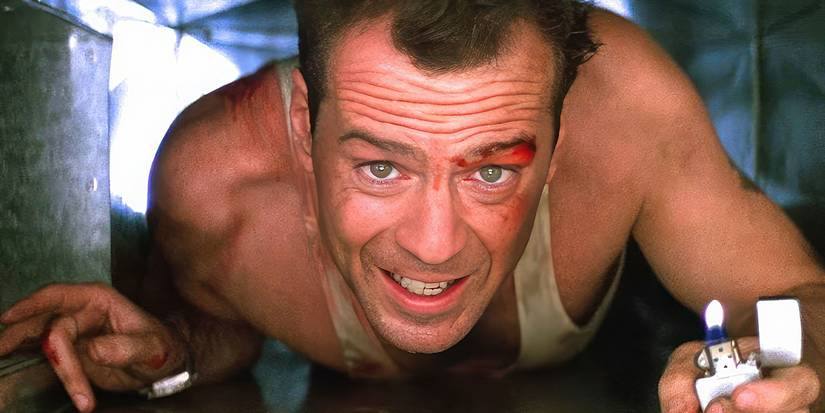
This movie has universal love because Die Hard feels perfectly calibrated from the first minute. John McClane (Bruce Willis) arrives in Los Angeles carrying marital strain, attitude, and enough vulnerability to make him feel human before the shooting starts. Then the office Christmas party gets hijacked, and the movie becomes a masterpiece of pressure. Every floor of Nakatomi has a purpose. Every side character adds friction. Every setback deepens McClane’s isolation while also making him more inventive.
Hans Gruber (Alan Rickman) is one huge reason people love this film so much. He brings intelligence, style, contempt, and adaptability, which means the movie never gets lazy about the villain side of the chessboard. Powell (Reginald VelJohnson) gives the story warmth and a lifeline to the outside world. Holly Gennero McClane (Bonnie Bedelia) matters because she is written as capable and proud, which raises the stakes far above generic hostage material. The barefoot detail is classic action writing because it turns McClane’s body into part of the suspense structure. By the time he is bloody, tired, and pulling glass from his feet while still trying to stay alive long enough to stop the whole operation, the audience is completely with him.
1
‘Terminator 2: Judgment Day’ (1991)
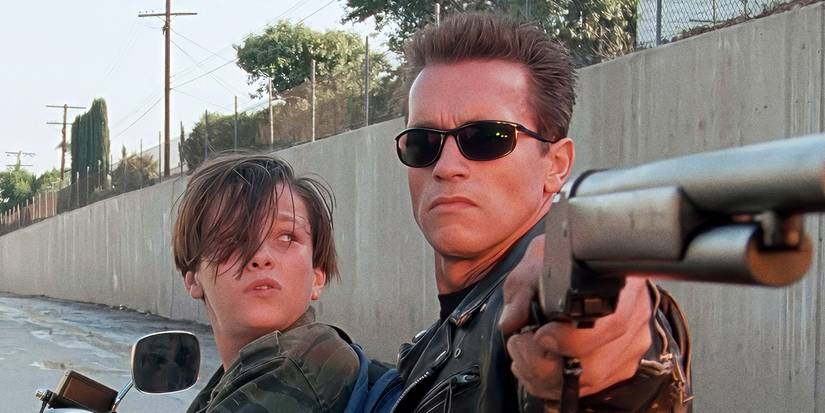
This is number one because Terminator 2: Judgment Day gives people almost everything they could want from action cinema and does every part of it at an elite level. And it has this weird nostalgic pull that other films in this list don’t. It’s the one that you watched with your cousins and kept thinking about it. Watching it now reveals that Judgement Day’s first brilliant move is the role reversal. Arnold enters carrying the memory of terror from the original film, then the mall hallway sequence flips that memory into protection. Suddenly the T-800 (Arnold Schwarzenegger) is the shield, the T-1000 (Robert Patrick) is the nightmare, and the sequel has reinvented its emotional engine before the chase has fully begun.
Then there’s John Connor (Edward Furlong). The movie lets him be a kid with pain, defiance, and genuine emotional influence. Sarah Connor (Linda Hamilton) matters because the film shows what surviving the first movie actually did to her. She has become hard, prophetic, nearly machine-like in her sense of purpose, and the Dyson scene proves how close that hardness has brought her to losing the line entirely. Every action sequence does story work: the canal chase, the hospital escape, the Cyberdyne siege, the steel mill finale. It has scale, clarity, sadness, and perfect payoff.

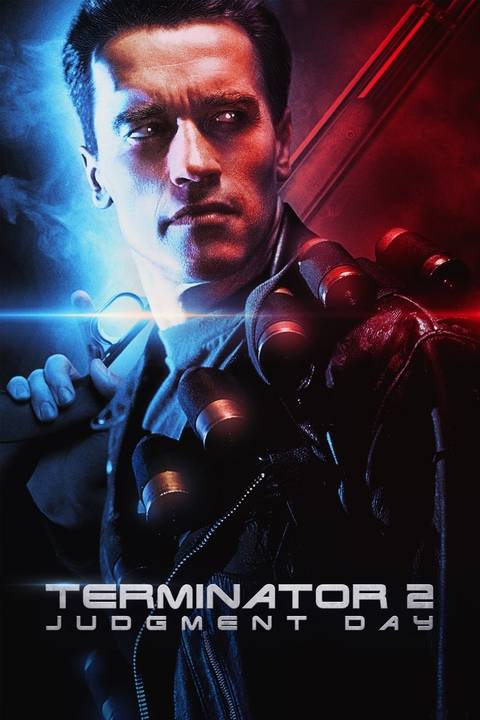
Terminator 2: Judgment Day
- Release Date
-
July 3, 1991
- Runtime
-
137 minutes
- Director
-
James Cameron
- Writers
-
James Cameron, Gale Anne Hurd, William Wisher
You must be logged in to post a comment Login