Entertainment
8 Most Universally Beloved American Movies of All Time, Ranked

Universal love is one of the hardest things a movie can earn, because audiences are cruel in ways history quietly records. They get tired of hype. They punish sentiment if it feels false. They punish seriousness if it feels stiff. They punish popularity just because too many people agreed. It’s ridiculous how much a movie has to survive to navigate every one of those reactions and still keep people coming back with a real feeling in their chest.
Weirdly though, that is what these films did. They stopped being hits or classics and became shared emotional property. People quote them to each other. Hand them to their children. Revisit them in bad years and good years. Keep arguing about them because the argument itself is part of loving them.
8
‘Jaws’ (1975)

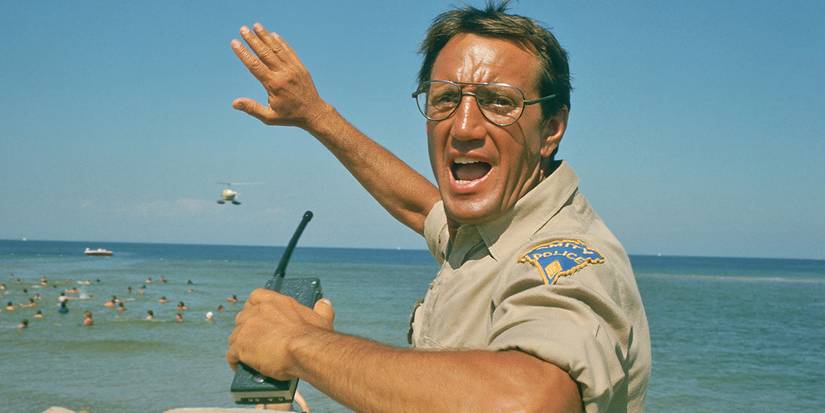
People love Jaws because it works on every level at once, and the levels keep feeding each other. The shark is terrifying. Amity’s denial politics are infuriating. Brody (Roy Scheider) is deeply human in that exact American way where duty arrives before confidence does. He is a police chief who hates the water, which is already such a perfect pressure point, and the movie keeps twisting it. He knows something is wrong after Chrissie Watkins (Susan Backlinie)’s death. He gets overruled. Then Alex Kintner (Jeffrey Voorhees) dies, and the movie crosses a line it never uncrosses. At that point the shark is no longer just the threat but the thing exposing everyone’s cowardice, ego, or seriousness.
Then the film gives us Quint (Robert Shaw) and Hooper (Richard Dreyfuss) and suddenly it becomes even bigger. Quint has trauma in his bones. Hooper has expertise and curiosity and enough class privilege to irritate Quint into full mythic grump-sage mode. Brody is stuck between them while trying to keep this whole thing from becoming one more body count attached to his name. That is why the Orca section is so beloved. It is not just men hunting a shark. It is three different relationships to fear locked on a boat with no exit. By the time Quint tells the Indianapolis story, Jaws has already become part monster movie, part character piece, part American fable about people waiting too long to admit danger is real. That is serious movie alchemy.
7
‘Singin’ in the Rain’ (1952)

This movie is beloved because it makes joy feel earned, and that matters more than people admit. Pure charm can get old. Precision never does. Singin’ in the Rain has absurd precision. The whole silent-to-sound transition is sure a clever setup for jokes about bad diction and industry panic but also the pressure cooker that reveals everyone. Don Lockwood (Gene Kelly) gets to stop performing one version of himself and move toward another. Kathy Selden (Debbie Reynolds) gets to prove that the talent buried under male vanity and studio packaging is the real engine of the story. Lina Lamont (Jean Hagen) becomes one of the funniest comic disasters in American film because the movie understands a brutal truth about old Hollywood: one new technology can turn a star into a problem overnight.
And then there is the movement of the thing. “Good Morning” is famous because it is delightful, sure, but it is also story rhythm disguised as euphoria. The title sequence — Don has finally crossed from romantic misery into emotional release, and the rain becomes permission. The ending works because the movie has built toward a beautiful public correction: Kathy gets seen. Lina gets exposed. Don gets honest. People love Singin’ in the Rain because it is dazzling without ever losing contact with effort, embarrassment, ambition, and relief.
6
‘The Wizard of Oz’ (1939)
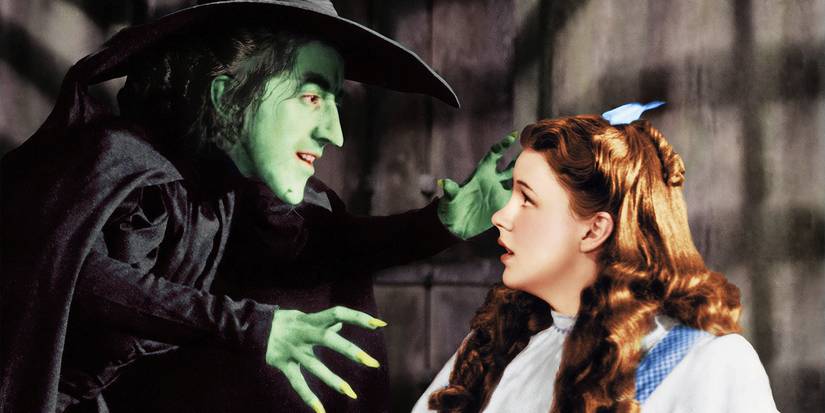
This movie has universal love because The Wizard of Oz understands homesickness and longing at the same time, and that is a deeper trick than it first appears. It’s not just a masterpiece for kids either for the same reason. Dorothy (Judy Garland) wants more before she wants to go home. That is why the movie lasts. She begins with emotional appetite and innocence. Kansas feels small, gray, and emotionally unrewarding. Then Oz arrives and gives her everything the imagination could want: color, danger, novelty, companions, impossible roads, glittering cities, witches with personal vendettas. The movie is smart enough to make that dream intoxicating before it teaches her what home actually means.
And the companions are why the film gets people forever. The Scarecrow (Ray Bolger) wants brains, the Tin Man (Jack Haley) wants a heart, the Lion (Bert Lahr) wants courage, and every child understands those desires instantly while every adult eventually realizes they never stopped wanting the same things. The Wicked Witch of the West (Margaret Hamilton) gives the movie real danger, the Wizard (Frank Morgan) gives it the great American disappointment of spectacle covering ordinariness, and the ending gives you one of the great emotional reversals in popular cinema: the place she wanted to escape turns out to be the place already carrying the love she needed. That would be sentimental mush in a lesser movie. Here it lands like truth because the journey was vivid enough to make the return mean something.
5
‘It’s a Wonderful Life’ (1946)

People love It’s a Wonderful Life because George Bailey (James Stewart) hurts. That is the center of it. He hurts in the way decent people hurt when their lives become a long chain of necessary self-denials that everyone else benefits from and almost nobody fully sees. George Bailey is bright, energetic, ambitious, funny, romantic, and absolutely alive as a young man. He wants travel, scale, architecture, movement, escape from Bedford Falls. Then duty keeps calling his number. His father dies. The Building and Loan needs him. The town needs him. The family needs him. Mary Hatch Bailey (Donna Reed) loves him enough to build a real life with him, and even that love becomes part of the trap because it gives him something beautiful he can’t abandon without becoming someone else.
When the money goes missing, it isn’t just a plot crisis. It is the final insult to a man who has already given away too much of himself while trying to remain grateful and decent. Clarence (Henry Travers) matters because the film has already built George’s emotional case against his own life with terrifying thoroughness. Then the alternate Bedford Falls sequence arrives and the whole movie turns its knife: this is what your goodness prevented; this is what your presence meant; this is how many people were living inside your life without your permission. The ending still destroys people because it gives George recognition at the precise second he had lost the ability to recognize himself.
4
‘Casablanca’ (1942)

Casablanca understands adult sacrifice better than most movies with twice the runtime and ten times the self-importance. The film follows Rick Blaine (Humphrey Bogart)’s café. It contains everything already: refugees, opportunists, Nazis, gamblers, broken lovers, patriots, cynics pretending not to care, idealists running out of time. Rick stands in the middle of all of it performing detachment, and Bogart plays him like a man who got good at emotional self-containment because the alternative nearly killed him once already. Then Ilsa Lund (Ingrid Bergman) walks in, and the whole movie catches fire without ever raising its voice too much.
Then there’s a Paris flashback. It is crucial because it gives the romance real innocence before history poisons it. Suddenly Rick’s bitterness makes sense. Ilsa’s hesitation makes sense. Victor Laszlo (Paul Henreid) stops being a plot obstacle and becomes the reason the movie has moral scale. Everybody wants something emotionally justifiable, which is why the film stays so alive. Then “La Marseillaise” happens. The ending remains immortal because Rick chooses with pain. He gives up the woman he loves because the world is on fire and love alone is not the whole story. That hurts every time and maybe that is why people keep loving it.
3
‘The Godfather’ (1972)
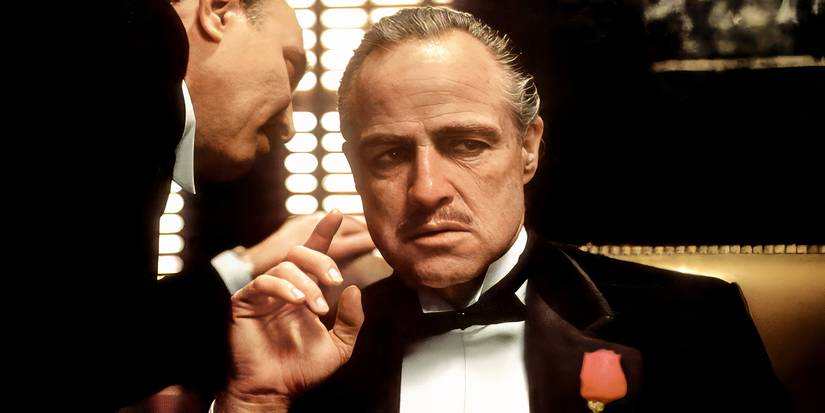
People love The Godfather with a kind of reverence that would crush a lesser film. This one survives it because the movie is alive from the inside out. It has lessons projecting far beyond a film or a fictional story. The wedding at the beginning already contains the whole system: joy, obligation, business, family, status, threat, old-country ritual, modern ambition, and the fact that love in this world is always standing next to power. Vito Corleone (Marlon Brando) is unforgettable. He can grant favor like a king and talk to a frightened undertaker like an uncle. That complexity is all over the film.
And then there is Michael. That is the tragedy that keeps people obsessed. Michael Corleone (Al Pacino) begins at a distance from the family story. He has Kay Adams (Diane Keaton), the war record, the clean suit, the confidence of a man who believes he can remain adjacent to history without being absorbed by it. Then Sollozzo (Al Lettieri) and Captain McCluskey (Sterling Hayden) force the issue, and from the hospital scene onward The Godfather becomes a slow, horrifying coronation. The scenes in Sicily change Michael. It lets us see what kind of life he might have had. Sonny Corleone (James Caan)’s death matters because the family is now being stripped toward inevitability. The baptism montage, the return, the revenge, it all works because it reveals how completely he chose the loss. That level of tragic design is why people don’t just admire this movie. They carry it with them. They learn and utilize it like power.
2
‘Star Wars’ (1977)

Image via Twentieth Century-Fox
People love Star Wars because it gives them story oxygen. It moves with the force of myth told by somebody who loves speed, humor, danger, and clean emotional stakes. Luke Skywalker (Mark Hamill) staring at the twin suns condenses an entire feeling into one shot: wanting life to begin somewhere larger than where you are. Then the movie starts feeding that desire exactly what it needs. Leia Organa (Carrie Fisher) is instantly under pressure. The droids crash into a hostile world. Ben Kenobi (Alec Guinness) arrives carrying sadness and history in his voice. Han Solo (Harrison Ford) gives the story a vibe, selfishness, and the possibility that charm can become courage if pushed hard enough.
Then Darth Vader (David Prowse) enters and the whole galaxy gets a face for fear. And the beauty of the film is how cleanly it expands. Mos Eisley, the Death Star, rescue, escape, sacrifice, and rebellion all locking together. It keeps getting better. Obi-Wan’s death matters because it hands Luke grief and destiny at once. Han’s return matters because the film has made selfishness emotionally legible enough that his choice to come back actually means something. The trench run still gives audiences a pulse spike because it turns everything simple and sacred: belief, timing, friendship, risk. That purity is why people keep loving it.
1
‘The Shawshank Redemption’ (1994)

This is number one because people love The Shawshank Redemption in a way that almost transcends genre. Prison drama, friendship story, institutional critique, escape film, spiritual endurance narrative, it lives in all those categories and somehow feels bigger than all of them. Andy Dufresne (Tim Robbins) enters Shawshank carrying intelligence, grief, and a deep stillness that everyone around him initially misreads. Red (Morgan Freeman) becomes the film’s genius move because he gives the audience a witness who can slowly understand Andy the way the prison does not. Their friendship is what turns the whole movie into something beloved rather than merely impressive. We watch one man endure through another man’s eyes, and that point of view is everything.
The details matter so much. Andy asking for Rita Hayworth and the rock hammer. The rooftop beers. Brooks Hatlen (James Whitmore) and the crow and the unbearable ache of a man who cannot survive freedom after institutionalization has rewritten him. The library. The Mozart scene. Tommy Williams (Gil Bellows). Warden Norton (Bob Gunton)’s corruption hardening into panic once Andy stops being useful and starts being dangerous. Then the escape comes, and it lands with such force because the movie has made patience emotional. Every year mattered. Every humiliation mattered. Every inch of tunnel mattered. And then Red reaches the beach, and the movie gives people the ending they most desperately want from cinema: earned grace. One of the greatest films of all time, easily.

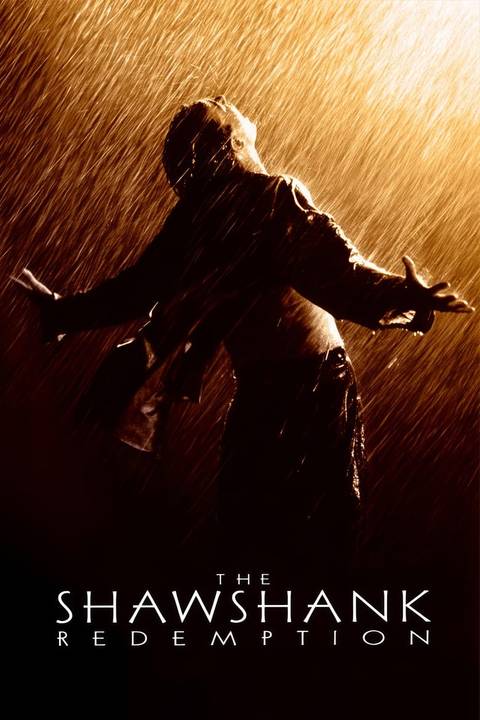
The Shawshank Redemption
- Release Date
-
September 23, 1994
- Runtime
-
142 minutes
- Director
-
Frank Darabont
- Writers
-
Frank Darabont
You must be logged in to post a comment Login