Entertainment
8 Movies To Watch If You Loved Widow’s Bay

Widow’s Bay has become one of the year’s biggest smashing streaming hits. Set on a cursed New England island, it is a horror comedy project that earned a 98% Rotten Tomatoes score and nineteen Emmy nominations for its blend of small town characters and monster-scale scares. Matthew Rhys, Stephen Root and Dale Dickey anchor an ensemble that treats its supernatural chaos with true deadpan sincerity, never winking too hard at the audience while still finding real laughs in the town’s collective refusal to acknowledge how strange their lives have become. It is a tricky tonal balance, and the show pulls it off with a confidence that has clearly resonated.
The balance between the two is much harder to find on film than the genre’s popularity might suggest. Plenty of horror comedies lean too hard into parody, sacrificing dread in the name of cheap gags. And for the more serious horror takes, they tend to treat any comedic beat as a tonal failure instead of any kind of release valve. The movies on this list all manage the same trick Widows Bay pulled off weekly this past Spring, letting the absurdity of it all and the total unease coexist in the same scene without either one blocking the other out.
Whether you are drawn to Widow’s Bay for its cursed mythology, its oddball ensemble or simply its willingness to be funny and unsettling in the same beat, these eight films scratch a similar itch. All of them are rooted in the sense that the best horror comedies earn both halves of that label, actively choosing not to fit nicely inside a genre-specific ideology. What binds these kinds of movies together is a shared confidence in tone and a clearcut refusal to apologize for the bizarre nature of their premises.
8
‘What We Do in the Shadows’ (2014)


Jermaine Clement and Taika Waititi‘s mockumentary follows a house of aging vampires attempting to navigate modern life in Wellington. It shares the same sensibility as Widow’s Bay, treating the supernatural as the mundane, bureaucratic, and deeply funny rather than purely terrifying. The comedy exposes itself through the characters’ sincerity about their own absurdity. Vampires squabble over chores and social status the same way any roommates would, and that deadpan tonal control is the same thing that makes Widow’s Bay’s small-town cast so effective.
The movie also understands horror elements do not need to be softened to coexist with comedy. Truly unsettling imagery sits right next to a punchline without breaking the spell either way. It set the template for an entire generation of horror comedies that followed, Widow’s Bay included. Treating the fantastical with total seriousness, it turns out, is often the funniest choice a filmmaker can make.
7
‘The Cabin in the Woods’ (2012)


The meta-horror deconstruction project from Drew Goddard and Joss Whedon takes the genre’s most familiar tropes and turns them inside out. It builds comedy directly out of characters and audiences alike, recognizing exactly what kind of story they are trapped inside. That genre-savvy mindset is one Widow’s Bay shares completely. Both have real affection for horror conventions while still finding sharp humor in exposing how they function.
But what truly makes the comparison work is the balance of stakes. The Cabin in the Woods never lets its self-aware humor undercut the actual danger its characters face. Widow’s Bay walks that same line, letting its small-town cast crack jokes and bicker even as the cursed mythology around them remains increasingly threatening. Both projects understand that self-awareness and real tension are not mutually exclusive.
6
‘The Witch’ (2015)

Robert Eggers‘s slow-burn folk horror debut is definitely the most tonally serious entry on this list. Its inclusion makes sense as a study in contrast, showing exactly how far the dread aspect of Widow’s Bay’s tonal spectrum can be pushed. Set in Puritan New England, the film builds its horror through that trademark atmosphere and isolation that Eggers has come to be known for. A small insular community turns against itself as something unexplainable closes in.
That regional specificity, an isolated community wrestling with forces beyond its understanding, echoes the setting that makes Widow’s Bay’s cursed island so effective. Watching The Witch alongside Widow’s Bay highlights just how much shared DNA exists between prestige folk and horror comedy. Both genres mine the same well of communal dread, but just happen to arrive at wildly different emotional ends.
5
‘Vivarium’ (2019)

Lorcan Finnegan‘s surreal suburban nightmare follows a young couple trapped in an endless, identical housing development. Its absurdist premise carries the same deadpan comedic undertone that runs through Widow’s Bay’s small-town setting. The horror here comes less from any single scare and more from the slow, maddening accumulation of a world that refuses to make sense. It forces its characters, and as much as the audience, to laugh out of sheer disbelief as much as fear.
It’s a specific kind of suburban, systematic horror that mirrors the way Widow’s Bay treats its island community. Ordinary life quietly curdles into something that becomes inescapable in both stories. Widow’s Bay’s town is so used to its own curse that horror and routine have become indistinguishable. Vivarium takes that idea to a more nihilistic extreme, but the comedic despair underneath make it feel like a close cousin of sorts.
4
‘Anomalisa’ (2015)
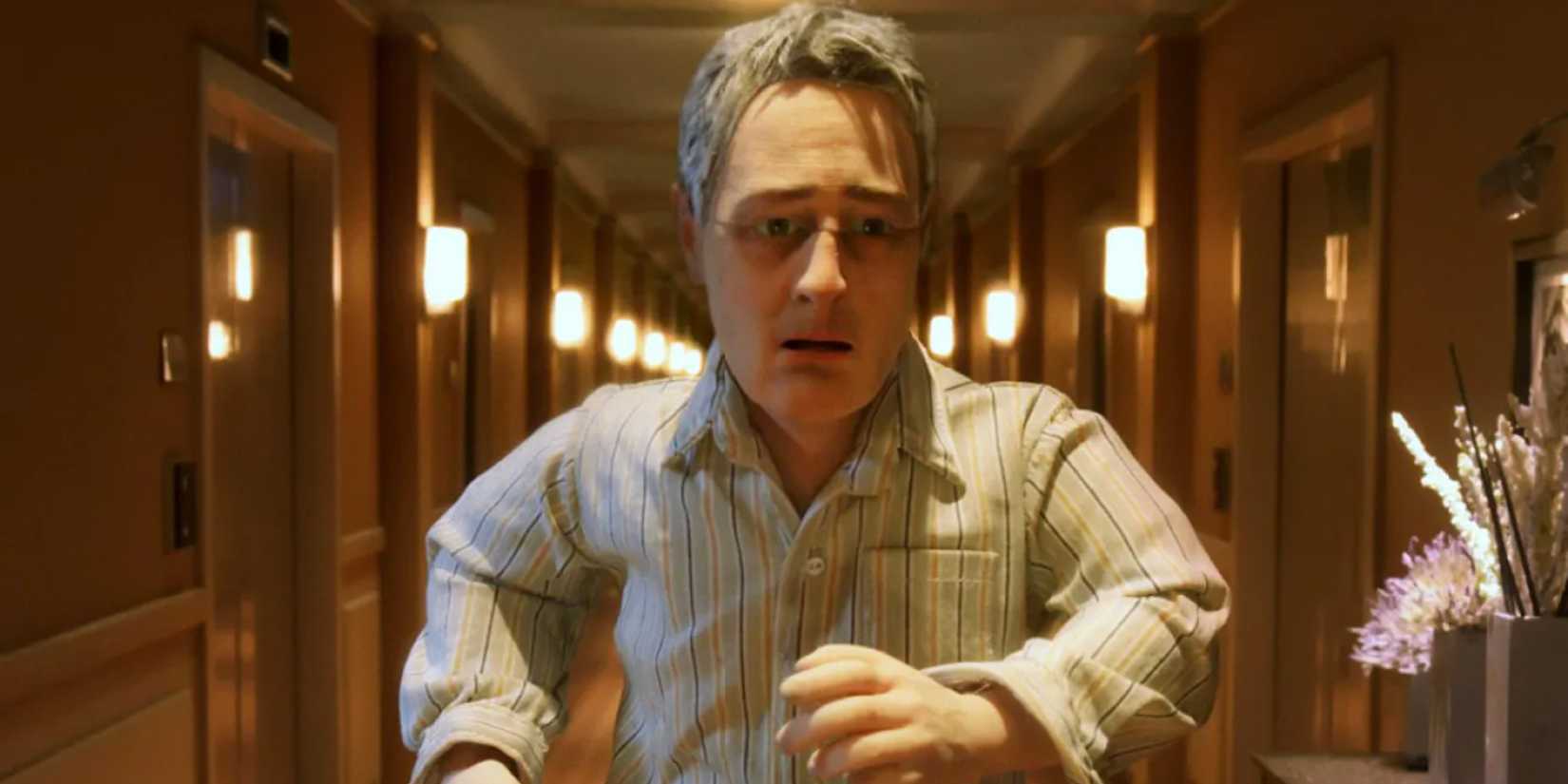
Charlie Kaufman‘s stop-motion character study is not horror in any traditional sense. But its uncanny visual language, every character outside the lead carrying the same face and voice, creates a very acute and unsettling comedic terror. That sense of fear fits neatly alongside Widow’s Bay’s strange, bizarre sequences and instincts. The humor throughout Anomalisa is bone-dry and melancholic, mining real existential horror out of disconnection and sameness over any kind of supernatural threat.
Its inclusion here is a reminder that horror comedy does not require monsters or curses to unsettle an audience while still being genuinely funny. Widow’s Bay occasionally taps into that same quieter, more character-driven unease. Its cast’s isolation on the island, and the monotony of their ordinary lives do as much work as its literal monsters. Sometimes the scariest thing in a small town is simply how well everyone knows each other.
3
‘Beetlejuice’ (1988)
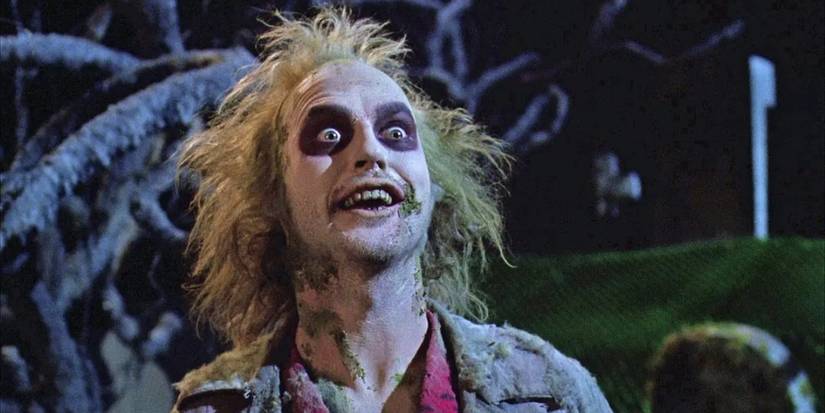
Tim Burton‘s manic ghost comedy is one of the clearest ancestors of Widow’s Bay’s entire approach. It treats death, hauntings and supernatural bureaucracy with gleeful, cartoonish energy. Michael Keaton‘s chaotic performance as the title character set an early template for a type of horror comedy built on pure anarchic personality instead of restraint. It proved a genre movie can be scary and riotously funny in the same breath.
The films local town setting resembles Widow’s Bay’s own small island premise. A quiet community gets upended by the literal afterlife crashing into ordinary domestic life. Widow’s Bay’s sleepy island operates under the same basic logic, where the supernatural has simply become a part of the daily routine. Both get that horror becomes funnier and not necessarily less scary, when the characters around it treat it as just another Tuesday.
2
‘Swiss Army Man’ (2016)

The Daniels‘ absurdist buddy comedy follows a stranded man (Paul Dano) and a flatulent, multipurpose corpse. It sounds like pure gross-out material on paper, but the movie finds its footing in an emotional depth and a quiet horror-adjacent dread underneath its whacky premise. It shares Widow’s Bay’s willingness to commit fully to a bizarre concept, without ever undercutting it with irony. Absurdity blended with wide-ranging lead performances like in Swiss Army Man, is the kind of recipe that has fans excited about a Widow’s Bay season two.
That commitment is what makes both jump off the screen, a dedication to that kind of precision stands out across both of their respective mediums. Swiss Army Man never blinks, no matter how strange its plot is. Widow’s Bay carries that same confidence, treating its cursed island mythology as simply the reality its characters live in. Neither one treats it all as a comedic trope that needs some form of constant meta acknowledgment to undercut its irreverent tonal choices.
1
‘An American Werewolf in London’ (1981)

John Landis‘ genre-defining werewolf film remains the best example of blending genuine surreal body horror with true character-driven comedy. It follows two American tourists whose backpacking trip turns into a curse that neither of them can escape. The movie never softens its horror in service of accommodating a comedic tone. Some of the era’s most unsettling transformation sequences sit right alongside hilarious dialogue and situational comedy.
That refusal to pick a lane connects every film on this list back to Widow’s Bay. Staying fully committed to both halves of a genre’s identity is harder than it sounds. Decades before prestige comedy became a defined genre category, An American Werewolf in London proved real scares and real laughs could share the same scene. Neither element had to diminish the other, and in the cases on this list, it actually enhances the overall project.


- Release Date
-
August 21, 1981
- Runtime
-
97 minutes
- Director
-
John Landis
- Writers
-
John Landis
- Producers
-
George Folsey Jr.
-

David Naughton
David Kessler
-

Jenny Agutter
Nurse Alex Price

You must be logged in to post a comment Login