Entertainment
8 Perfect Sci-Fi Movies That Get Better With Every Rewatch

There are some science fiction movies that demand to be watched more than once. Fewer, yet even more precious, are the sci-fi films that allow viewers to revisit them multiple times without ever getting bored. Whether it’s because of their mind-bending twists, their highly detailed narratives, or simply because of how incredibly entertaining they are, these sci-fi classics aren’t just timeless: they genuinely get better with every rewatch.
Perhaps it’s because you discover a new narrative or visual detail every time you watch the film again, or because its character work and thematic complexity are enriched by rewatches. Whatever the case, classics like Blade Runner and far newer gems like Interstellar not only remain equally entertaining and compelling no matter how many times fans re-watch them, but they actually get better every single time.
‘Inception’ (2010)

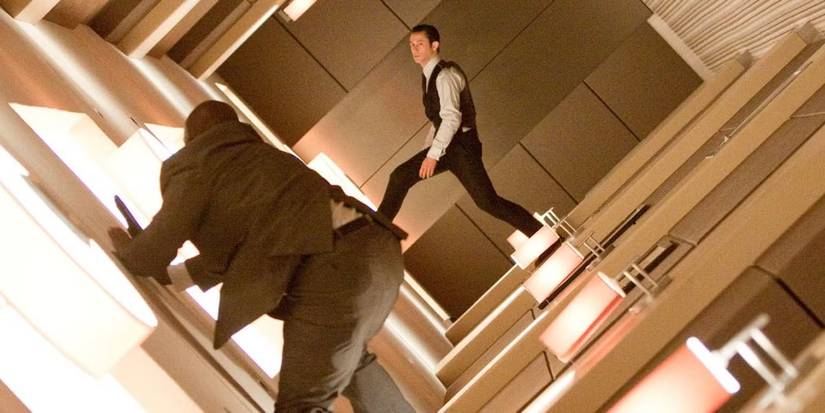
If there’s any director who’s an expert at making groundbreaking sci-fi blockbusters that invite multiple re-visits, it’s Christopher Nolan. A master of both the science fiction and action genres, the filmmaker made Inception, one of the most perfect thrillers of the last 20 years. Inspired by the dream logic of films like Satoshi Kon‘s Paprika, it’s one of the most deliriously fun action flicks of the 21st century as a whole.
Getting to fully understand the rules of Inception‘s world upon one’s very first watch is incredibly challenging. Upon further rewatches, once you have a solid grasp on how the movie’s premise operates, it becomes delightful to lose oneself in this world created by Nolan. Even the characters themselves take on wholly new dimensions, leading all the way to an ambiguous ending whose ambiguity only keeps growing more and more intriguing with every single revisit.
’12 Monkeys’ (1995)
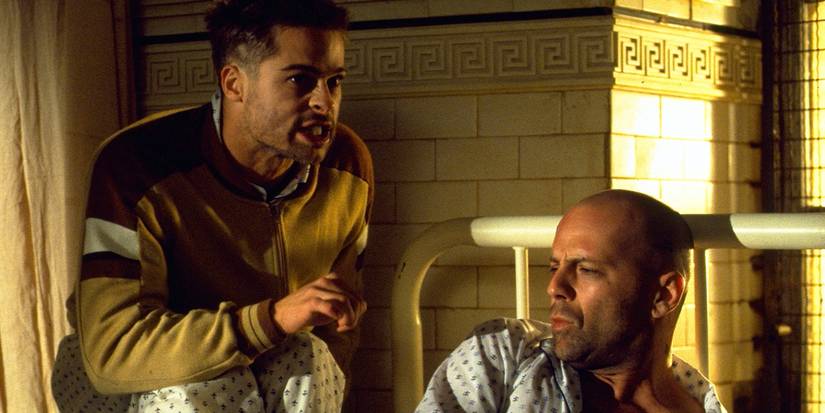
12 Monkeys was Brad Pitt‘s very first sci-fi movie, and it still remains his best. Directed by Terry Gilliam of Monty Python fame, this post-apocalyptic sci-fi extravaganza is just about as odd as any fan of Gilliam’s films would expect, with a good dash of mind-bending writing. What, on first watch, feels like trying to solve a mystery alongside Bruce Willis‘ James Cole, upon further rewatches, transforms into something entirely different.
By the time 12 Monkeys‘ credits run for the first time, its real purpose becomes abundantly clear: It was never about the mystery of its narrative (however fascinating it may be), but rather about the closed-loop tragedy at the center of that story. From there, it becomes an almost irresistible temptation to keep watching the movie again and again, with its commentary on themes of memory and identity growing more and more nuanced every time.
‘Coherence’ (2013)

Coherence was James Ward Byrkit‘s directorial debut, and what a way to make a splash. It’s one of those forgotten sci-fi movies that are perfectly written, a single-location thriller that serves as a love letter to the art of low-budget genre filmmaking. Heavily inspired by The Twilight Zone, this underrated modern gem should be considered essential viewing for all those who love Rod Serling‘s classic science fiction show. This film would feel right at home among its best episodes.
One’s first watch of Coherence inevitably becomes defined by a single word: chaos. A second rewatch then becomes practically a necessity, by which point, watching the film becomes all about pattern recognition. Every further rewatch is all about pure enjoyment of how masterfully this quantum puzzle of a movie drops clues across its narrative to better understand its layered reality. It’s a character study at its most thought-provoking.
‘Primer’ (2004)
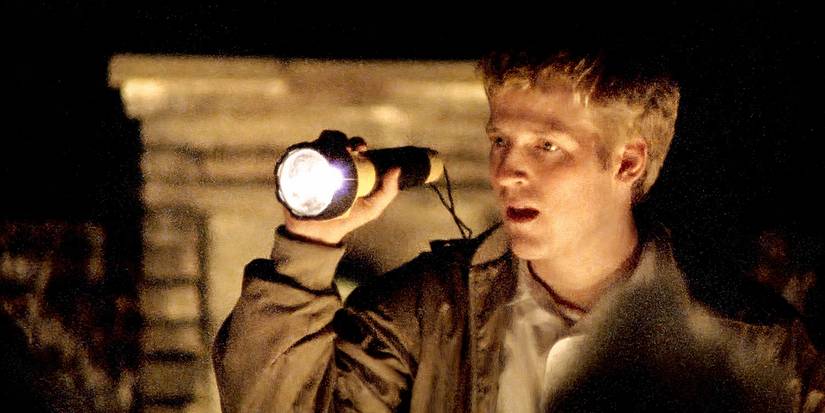
Primer single-handedly redefined low-budget sci-fi filmmaking when it came out in 2004. It’s the kind of film you need to be a genius to fully understand, highly experimental and philosophically complex. It was directed, written, produced, edited, and scored by Shane Carruth in one of the most impressive debuts in the history of cinema, and his first splash in Hollywood has only gotten better with age.
Due to its innovative plot structure and deliberate use of mind-bending elements, Primer is a movie that’s virtually impossible to entirely understand upon one’s first watch. As such, it demands revisits, and those revisits only keep getting better. The more you watch Primer, the more you become an active decoder of its layered time-travel narrative rather than a passive observer. Very few sci-fi films are so intellectually challenging or rewarding.
‘Interstellar’ (2014)
Interstellar may not be nearly as mind-bending or impossible to decode in one go as some of its sci-fi peers, but if any film has made Christopher Nolan gain popularity as one of Hollywood’s leading filmmakers of mind-twisting spectacles, it’s this one. It’s one of the best climate-fiction movies of all time, a space adventure as well as it does because, at its core, it’s a story about the love between a father and a daughter.
That emotional core is what keeps people coming back to Interstellar time and time again. The second viewing helps reorganize the film after its twisty third act and better comprehend its rules, but everything that comes after is pure enjoyment. The first time around can be a little overwhelming, but every subsequent watch keeps getting more moving, more exciting, and more addictive.
‘Blade Runner’ (1982)

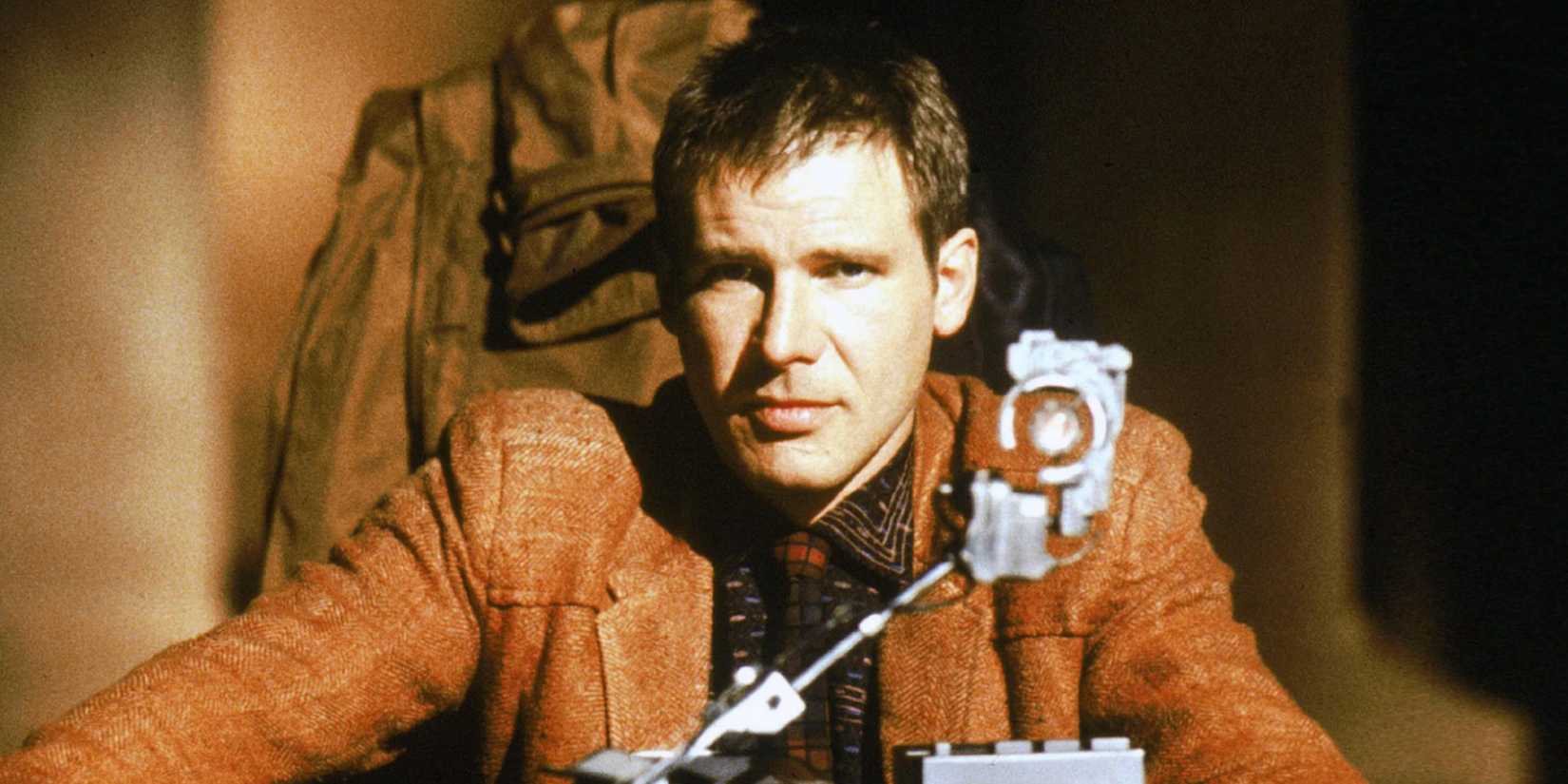
Back when it originally came out in 1982, Ridley Scott‘s Blade Runner was an all-out failure at the box office. With time, however, this flop started becoming a sci-fi cult classic like no other. Today, it’s so immensely acclaimed as one of the greatest examples of the genre that it’s more of a mainstream classic than anything else.
It’s one of the best sci-fi noir masterpieces ever made, perfectly blending a moody atmosphere with compelling characters, philosophically weighty thematic work, and mind-bending elements. In other words, it’s science fiction at its most rewatchable. On a second viewing, everything seems to slow down, and that’s precisely the point. From Scott’s quiet direction to Vangelis‘ legendary score, Blade Runner‘s every element is best enjoyed at a more subdued pace. It’s a thought-provoking philosophical reflection unlike any other the genre has ever produced, and that’s why it’s so magical and timeless.
‘The Thing’ (1982)

John Carpenter is one of the greatest and most important filmmakers in the history of Hollywood horror. Back in 1982, he demonstrated that beyond a shadow of a doubt with The Thing, his faithful adaptation of John W. Campbell Jr.‘s novella Who Goes There? It’s one of the most perfect horror movies of the 20th century, even if it was originally a commercial and critical flop.
Time is often a flop’s best friend, however, and such was the case here. The Thing went from cult status to the outright mainstream classic status that it holds today. One’s first time watching The Thing consists of pure paranoia and horrified shock, but further visits to this chilling world turn it into a game. It becomes delightfully fun to analyze each character’s every look and every expression, culminating in an ending whose ambiguity only grows more rewarding with every rewatch.
‘Donnie Darko’ (2001)

Donnie Darko is the ultimate endlessly rewatchable sci-fi film, a cult classic largely credited with helping revive the midnight-screening cult circuit that had been lying dormant during the ’90s. You’d be a genius if you understood this movie the first time—the film’s mind-twisting nature and infinite room for theories and speculation is precisely what allowed it to become a cult classic in the first place.
For one, rewatching Donnie Darko becomes pretty much obligatory for all those hoping to grow even a modicum of an understanding of what is going on with its narrative. But aside from being intellectually rewarding, rewatches of this cult classic also greatly enrich its emotional core. The bittersweet tragedy of Donnie is one that keeps getting more enjoyable every single time you watch it.
You must be logged in to post a comment Login