Entertainment
8 Thriller Books That Are a Masterclass in Tension

Tension is the lifeblood of every great thriller. While compelling characters and strong writing are important, the genre ultimately succeeds or fails based on its ability to keep readers turning pages. With that in mind, this list looks at some of the novels that do it best.
The titles below vary a lot in style and tone, each of them generating suspense in their own way, whether that’s through lost memories, espionage, lies, or relentless survival scenarios. All are worth checking out if you’re a thriller fanatic.
8
‘The Spy Who Came in from the Cold’ (1963)


“What if nobody is truly on your side?” The Spy Who Came in from the Cold revolutionized espionage fiction with its complex characters and moral ambiguity, as well as its abundance of tightly coiled suspense. In it, British intelligence officer Alec Leamas is left exhausted and disillusioned by a disastrous mission. Offered one final assignment against East Germany, he agrees to participate in an elaborate deception that gradually becomes far more dangerous than either he or the reader initially realizes.
John le Carré’s greatest strength here might be his refusal to provide certainty. Every new revelation raises fresh doubts about who is telling the truth and whose interests are actually being served. These characters lie for a living, after all. The book broke major ground by depicting spycraft as something inherently corrosive, always ending in paranoia.
7
‘Gone Girl’ (2012)
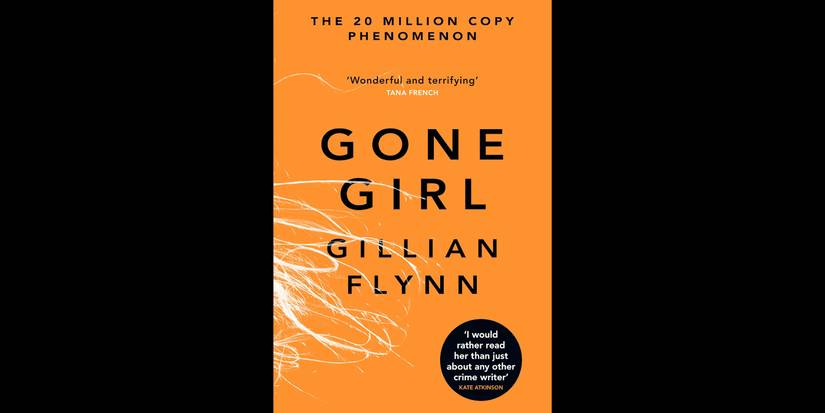
“What happens when nobody can be trusted?” Even before David Fincher‘s killer film adaptation, Gone Girl had established itself as one of the defining thrillers of the 2010s. The delectably intricate tale begins with the disappearance of Amy Dunne on the morning of her fifth wedding anniversary. Her husband Nick quickly becomes the focus of public suspicion, but as the investigation unfolds, Gillian Flynn repeatedly overturns readers’ expectations.
Every chapter encourages readers to reassess earlier events, while the shifting perspectives continually undermine confidence in what appears to be true. There are twists aplenty and a ton of narrative misdirection, all of it calibrated for maximum impact. On top of being an exercise in sheer genre style, Gone Girl also works as a combustible dissection of a marriage. Not for nothing, it was a runaway bestseller.
6
‘The Talented Mr. Ripley’ (1955)
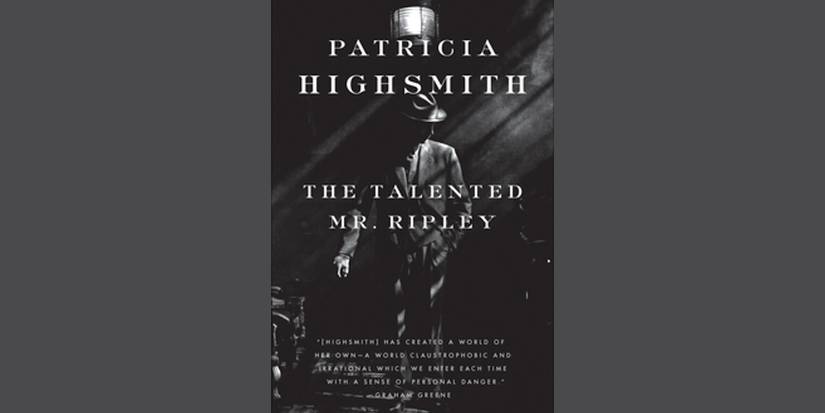
“How long can someone successfully pretend to be another person?” Many thrillers build tension around catching a criminal. The Talented Mr. Ripley plunges us into the mind of the criminal himself. This is the book that introduced Tom Ripley, a struggling young American sent to Italy to persuade wealthy heir Dickie Greenleaf to return home. Instead, Tom becomes dangerously fascinated with Dickie’s privileged lifestyle. Soon, he’s spinning lies and contemplating violence.
Patricia Highsmith opened up new possibilities for thriller writing by getting us to understand this twisted antihero without ever fully approving of him. At the same time, she wrings unbearable tension out of every one of Ripley’s cons. They’re always threatening to collapse around him, and readers are forced to experience every one of those close calls. We feel the stress of a desperate man trying to avoid exposure.
5
‘The Silence of the Lambs’ (1988)
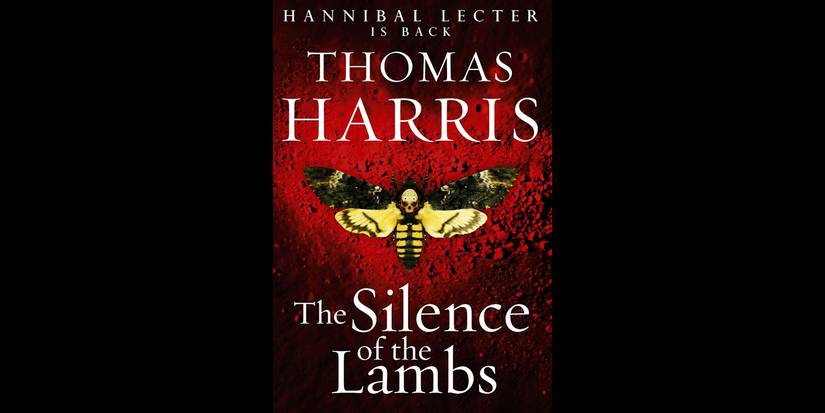
“We covet what we see every day.” Serial killer writing changed forever with The Silence of the Lambs. Author Thomas Harris had been delivering great work for years before this, but here he perfected his recipe. The setup is iconic by now: FBI trainee Clarice Starling seeks the imprisoned psychiatrist and cannibal Hannibal Lecter in hopes of gaining insight into another murderer known as Buffalo Bill. However, every interview with Lecter becomes a psychological contest.
Here, Harris balances multiple sources of suspense. We fear Clarice’s dangerous encounters with Lecter, we’re gripped by her race to stop Bill, and we constantly wonder whether Lecter himself is manipulating everyone around him for purposes not yet revealed. It helps that the character himself is so brilliant: urbane, unpredictable, charming, terrifying, adept at figuring out his interlocutors’ vulnerabilities.
4
‘The Girl with the Dragon Tattoo’ (2005)


“Sometimes the oldest secrets are the most dangerous.” Stieg Larsson‘s Millennium series was a publishing sensation in the mid-to-late 2000s, selling approximately a bazillion copies. It’s easy to see why: the main characters are memorable, and the plots keep the pages turning effortlessly. The first one pairs investigative journalist Mikael Blomkvist with the brilliant hacker Lisbeth Salander as they reopen the decades-old disappearance of Harriet Vanger, whose wealthy family has remained haunted by the unsolved mystery for more than forty years.
Soon, the protagonists are knee-deep in family secrets, sprawling conspiracies, financial corruption, and the threat of violence. The whole way through, the narrative momentum never lets up. Every answer uncovers another mystery, every suspect conceals additional secrets, every breakthrough increases the danger, and the story tightens like a noose. Larsson knew exactly how to play his audience.
3
‘The Bourne Identity’ (1980)

“Who are you when even your own memories have disappeared?” Everyone knows the Bourne movies, but Robert Ludlum‘s original novel, published all the way back in 1980, is a banger in its own right. The plot hits the ground running, opening with an unidentified man being pulled from the Mediterranean Sea with multiple gunshot wounds and no memory of who he is. As he slowly begins uncovering fragments of his identity, he discovers evidence suggesting he may be one of the world’s most dangerous assassins.
Amnesia has become a familiar thriller device, but few novels have used it as effectively as this one. Bourne’s loss of identity is the prime mover of the whole story, and his quest is beset by dead ends and false turns, to the point that his identity seems to grow more uncertain the deeper he digs. The question of who he is and what he might have done generates endless drama.
2
‘And Then There Were None’ (1939)

“One by one…” This is one of the most influential mystery novels ever for a reason. In And Then There Were None, ten strangers are invited to a remote island by a mysterious host who never appears. Shortly after arriving, each guest is publicly accused of having caused another person’s death. Then the guests begin dying one by one, with every murder following the verses of a sinister nursery rhyme. Trapped on the island with no possibility of escape, the survivors desperately try to identify the killer before it’s too late.
This whole book is a marvel of narrative construction, weaponizing point of view and building up to a killer twist. Every chapter steadily increases the pressure until readers, like the characters themselves, begin questioning absolutely everyone. The isolated setting ensures that the tension feels 10 times as intense, a veritable pressure-cooker threatening to explode.
1
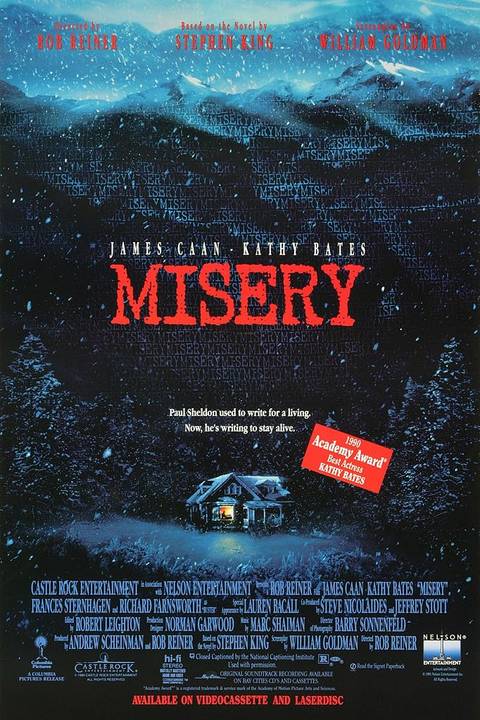
‘Misery’ (1987)
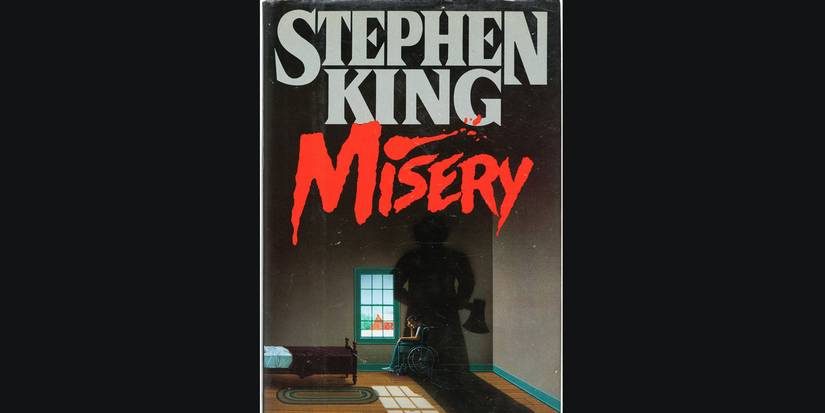
“I’m your number-one fan.” Reading this book is a white-knuckle experience. Misery begins with novelist Paul Sheldon getting into a car accident during a Colorado snowstorm. Rescued by his self-proclaimed “number-one fan,” Annie Wilkes, Paul initially believes himself fortunate to be alive. He soon discovers, however, that Annie is dangerously unstable and has no intention of allowing her favorite author to leave until he rewrites the ending of his latest novel according to her demands.
Stephen King strips thriller mechanics down to their essentials with this one. It’s a claustrophobic psychological battle consisting of just two characters and one location, far from help. Wilkes herself is a truly loathsome creation, pivoting at a moment’s notice from kindness to shocking brutality, which is a huge part of why we root so desperately for Paul to escape… and why we’re so devastated when he fails.

You must be logged in to post a comment Login