Entertainment
8 Thriller Books That Can Be Called Masterpieces

Thrillers can fool readers with speed. Hide one fact, delay one reveal, add a killer, and the pages will probably turn. A masterpiece has a harder job. The tension has to survive after the secret is known, and the characters must stay interesting after the danger passes.
That is the standard here. Every book on this list can be reread without losing its grip. The shock may change, but the psychology, fear, moral pressure, and human damage become clearer. These are stories people finish quickly and continue thinking about for years. That’s also perhaps why most of these were later adapted into books as well.
8
‘The Day of the Jackal’ (1971)


The Day of the Jackal should have no suspense. Frederick Forsyth is writing about a fictional attempt to assassinate Charles de Gaulle, and readers already know de Gaulle was never killed. Forsyth turns that limitation into the smartest part of the book. The question shifts from whether the Jackal succeeds to how close an unknown professional can get before the French authorities identify him.
The preparation is incredibly detailed without becoming lifeless. The assassin builds false identities, commissions a custom weapon, changes his appearance, studies security, and removes anyone who threatens the plan. On the other side, investigator Claude Lebel has almost no useful description and a deadline that keeps shrinking. Forsyth respects procedure enough to make paperwork, border checks, phone calls, and hotel records genuinely tense. The Jackal remains frightening since he treats murder as a technical assignment rather than a personal cause. You understand every step he takes, yet you never really know him. That distance makes the hunt colder and much harder to shake.
7
‘Shutter Island’ (2003)
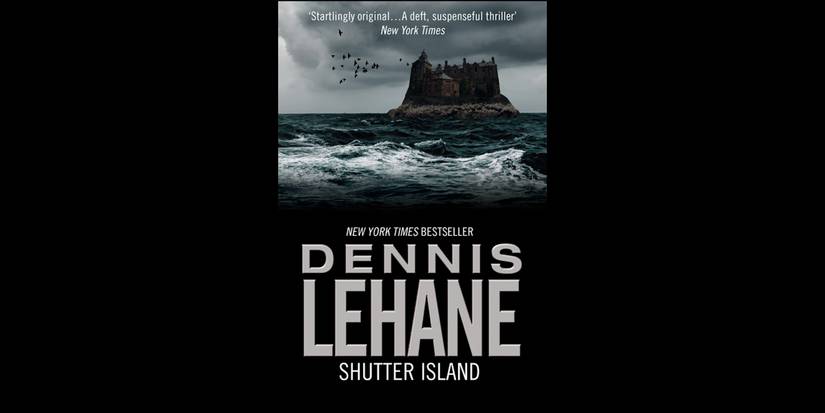
Most twist-driven novels become smaller once the answer is revealed. Shutter Island becomes crueler. U.S. Marshal Teddy Daniels arrives at Ashecliffe Hospital in 1954 to investigate the disappearance of patient Rachel Solando. A hurricane cuts the island off, the staff answer questions carefully, and Teddy suspects that the hospital is conducting experiments on people who cannot defend themselves.
Dennis Lehane lets Teddy’s investigation operate as both detective story and personal escape. His memories of Dachau, grief over his wife Dolores, anger toward the doctors, and obsession with a patient named Andrew Laeddis all influence what he sees. The clues are real, but Teddy has arranged them into a version of events he can survive. That is much more painful than a cheap reveal. The doctors are also divided over treatment, punishment, and whether a damaged mind can be reached without violence. Once the truth is known, every earlier conversation changes. The staff were never hiding only one secret. They were trying to find out whether Teddy could face his own life.
6
‘Misery’ (1987)
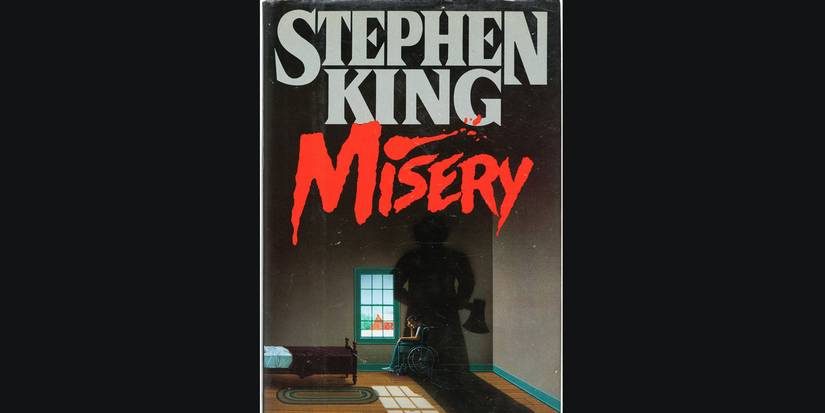
In Misery, Stephen King traps bestselling novelist Paul Sheldon in a farmhouse with Annie Wilkes, the nurse who rescued him after a car accident. Paul initially thinks he has been saved. Then Annie reads his latest book, learns that he killed off her beloved character Misery Chastain, and decides that he owes her a new novel.
Annie is terrifying since her violence comes with rules that change whenever she needs them to. She calls herself Paul’s number-one fan, but she has no interest in Paul as a human being. She wants ownership over his imagination. The captivity also forces Paul to confront his own contempt for the books that made him successful. Writing becomes survival, punishment, and eventually a source of control. King understands the physical misery of the room too. Paul’s injuries, painkillers, thirst, typewriter, hidden pills, and attempts to move around the house make every small decision dangerous. Annie later amputates his foot, and even that horror does not end the deeper fight. Paul has to finish a story for the person destroying him and somehow keep part of it for himself.
5
‘The Girl with the Dragon Tattoo’ (2005)
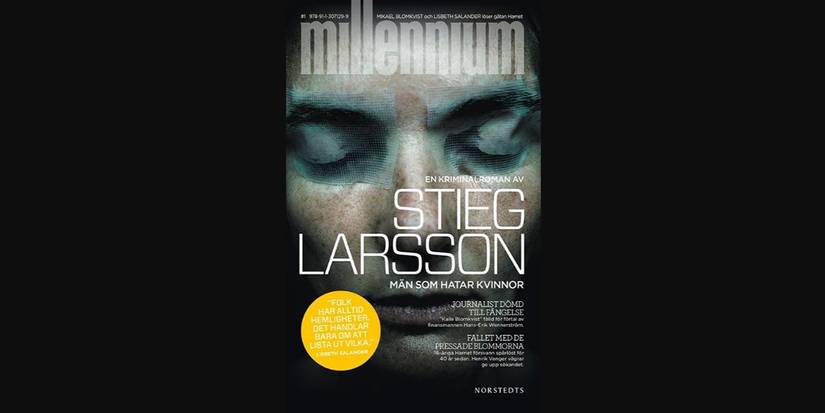
The Girl with the Dragon Tattoo follows Harriet Vanger who vanished from a family gathering decades ago, and her uncle Henrik still receives a pressed flower every year on his birthday. He believes her killer is taunting him. Disgraced journalist Mikael Blomkvist accepts the investigation, partly to escape the damage caused by his libel conviction. Lisbeth Salander enters from another direction, first hired to investigate Mikael before becoming the person he needs most.
Stieg Larsson takes his time connecting the Vanger mystery to corporate corruption, misogyny, financial crime, and generations of protected violence. That slow build has a purpose. The respectable surfaces of Swedish business and family life begin to look worse with every document Mikael and Lisbeth uncover. Lisbeth is also far more than a brilliant hacker attached to a male detective. Her distrust has been earned through institutional abuse, and her methods come from knowing official systems rarely protect people like her. The investigation succeeds through journalism, research, memory, and technology working together. Then Lisbeth allows herself one small hope outside the case, only to have it crushed. The crime is solved. Her loneliness is not.
4
‘Rebecca’ (1938)
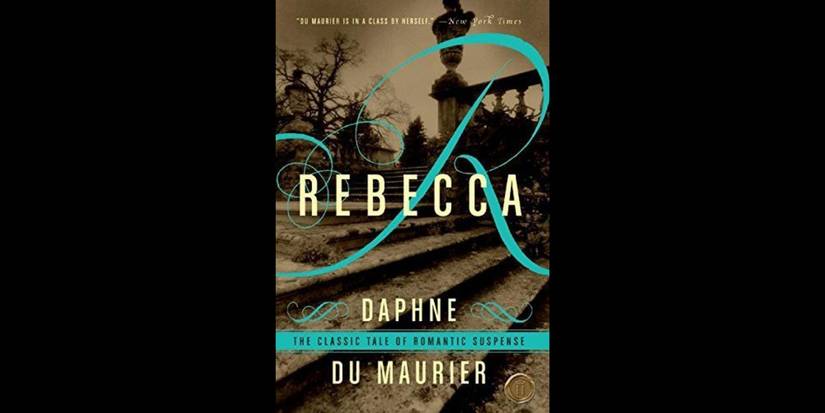
The first Mrs. de Winter is dead before Rebecca begins, yet the unnamed narrator cannot find a single room at Manderley that seems free of her. She marries Maxim de Winter after a rushed courtship and arrives at his estate painfully aware of her youth, lower social position, and lack of confidence. Everyone appears to know how the new Mrs. de Winter should behave except her. Daphne du Maurier turns insecurity into genuine suspense in this book.
Mrs. Danvers protects Rebecca’s memory with frightening devotion and knows exactly how to make the new bride feel like an intruder. Maxim responds to questions with anger or silence, which leaves his wife guessing what kind of marriage she has entered. The later revelations change Rebecca from an idealized dead wife into something far more complicated, but they also expose Maxim in ways romance cannot clean up. The narrator gains confidence while becoming involved in his secrecy. That moral shift is easy to miss if the book is treated only as a Gothic love story. Manderley was never simply haunted by Rebecca. It was built around people choosing which version of her helped them live with themselves.
3
‘The Talented Mr. Ripley’ (1955)
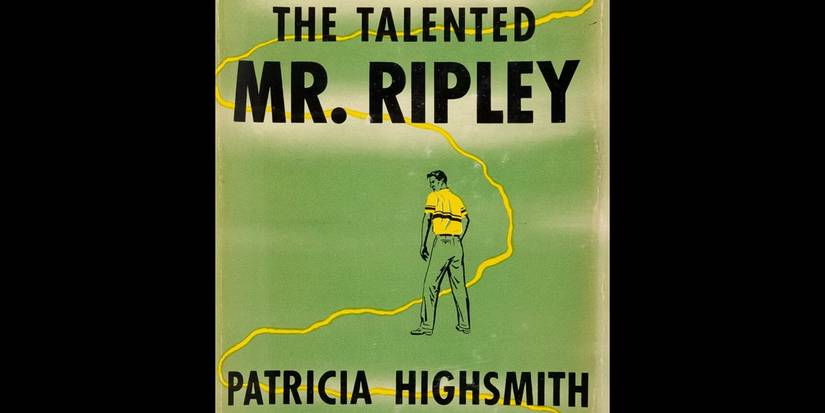
The Talented Mr. Ripley follows Tom Ripley who wants Dickie Greenleaf’s money, confidence, clothes, friends, and freedom. He also wants Dickie himself in a way Tom cannot separate from envy. When Dickie’s father pays him to travel to Italy and persuade his son to return home, Tom treats the assignment as entry into the life he believes he should have had.
Patricia Highsmith puts the reader dangerously close to Tom’s thinking. His lies are quick, his shame is intense, and his ability to copy other people becomes more impressive as his crimes become worse. Dickie’s rejection humiliates him, but murder is never presented as one sudden break from normality. Tom has been studying how to disappear into other identities long before violence becomes necessary. The truly disturbing choice is Highsmith’s refusal to build the story around punishment. Readers start worrying about whether Tom will be exposed, even though exposure would be justice. That uncomfortable loyalty is the whole trap. Tom does terrible things, and Highsmith makes us anxious on his behalf.
2
‘Gone Girl’ (2012)
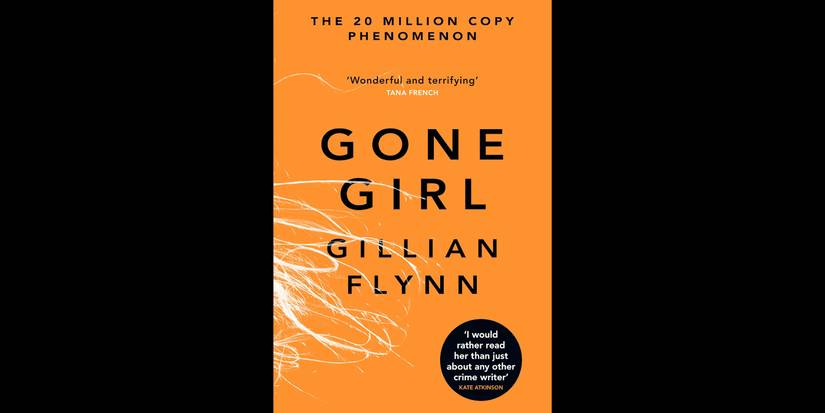
Gone Girl turned a missing-wife plot into one of the nastiest books ever written about marriage. Amy Dunne disappears on her fifth wedding anniversary, and Nick quickly becomes the husband everyone suspects. He lies badly, smiles at the wrong moment, has an affair, and cannot control how television turns his marriage into public entertainment.
Then Amy’s account tears up the story readers thought they understood. This is written by Gillian Flynn and she uses the competing narrators to show two people who spent years performing ideal versions of themselves. Amy created the Cool Girl Nick wanted. Nick created the attentive husband Amy expected. Resentment grew once both stopped enjoying the act. Amy’s revenge is extreme, brilliant, cruel, and built around a precise understanding of how gender shapes public sympathy. Nick is a victim of her plan, but he is never rewritten as innocent. The book refuses that easy comfort. They know each other too well, hate each other too deeply, and still find a reason to stay together. Murder would have been a cleaner conclusion. Marriage becomes the real life sentence.
1
‘The Silence of the Lambs’ (1988)

Hannibal Lecter gets most of the cultural attention, but Clarice Starling is the reason The Silence of the Lambs belongs at number one. She is still an FBI trainee when Jack Crawford sends her to interview Lecter, hoping the imprisoned psychiatrist can help identify the serial killer known as Buffalo Bill. Lecter immediately notices her accent, cheap shoes, ambition, and discomfort. He understands how badly she wants to escape the life she came from. Thomas Harris makes every conversation between them a contest.
Clarice needs information, while Lecter demands personal memories in exchange. She has to remain honest enough to interest him without surrendering control. Outside the cell, Buffalo Bill’s latest victim is still alive, which gives the psychological games a real deadline. Harris also fills the investigation with forensic detail, institutional pressure, sexism, and mistakes that cost time. Clarice earns progress through observation rather than sudden genius. Her fear never disappears, especially when she enters Bill’s house alone. She continues anyway. In a book filled with men who study, test, dismiss, or hunt women, Clarice refuses to become someone else’s object.
You must be logged in to post a comment Login