Entertainment
9 TV Shows That Changed Their Formula for the Better

Spoiler Alert: This list contains spoilers for multiple TV shows.TV shows are written to follow a certain trajectory, whether that’s over a single season or multiple ones. Sometimes, this involves changing course. It might be planned as part of the narrative. But it might also be unexpected because the direction of Season 1 suggests pivoting fits better with what viewers want and how the story is shaping up. This is especially the case for shows where a second, third, and subsequent seasons aren’t necessarily guaranteed, and the writers get creative to keep things fresh.
It’s happened with lots of shows through the decades, from sitcoms to dramas and thrillers. And while this formula shift doesn’t always work, sometimes, it ends up making the show even better. When it comes to the latter scenario, there are many shows from the last few decades that stand out.
‘Silo’ (2023–Present)
Silo is one of the best Apple TV shows. The series is dubbed a sci-fi dystopian drama. Indeed, it teeters the line between all these genres, but sort of switched things up for each of its three seasons to date. Season 1 was entirely focused on the goings-on in Silo 18, only ever venturing outside for a brief moment twice. In Season 2, the focus shifted to more a survivor and rebellion angle, following two locations: Silo 18, where a rebellion was taking place, and Silo 17, where Juliette (Rebecca Ferguson) discovered other survivors and had to fight for survival.
In Season 3, the series shifts even more to sci-fi, dividing screen time between present day and flashbacks to 300+ years prior to the creation of the silos. It’s like getting three different shows in one, yet everything synergistically works together to show different parts of this same, complex story.
‘Paradise’ (2025–Present)

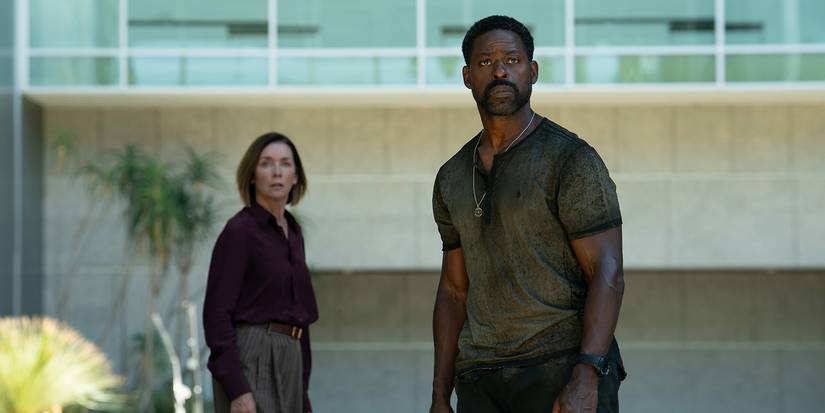
One of the most in-your-face genre shifts I have seen in any show of late is in Paradise, which started as a political drama that was revealed to be a post-apocalyptic show as well at the end of the pilot episode. Despite a major disaster having hit Earth, you’d never know since the underground bunker that serves as the singular setting looks like the real world.
In Season 2, however, not only did the setting split for the story to take place in the desolate wasteland above as well, but the formula switched to more of a survival drama, akin to shows like The Walking Dead. It worked beautifully, as we got to see the world above and the struggles of those trying to survive juxtaposed with the lavish community below. By the end of Season 2, it became evident that Season 3 will likely shift its formula again to angle more towards sci-fi. Somehow, however, it has worked so far and the strategy will likely continue to keep the show fresh.
‘Lucifer’ (2016–2021)

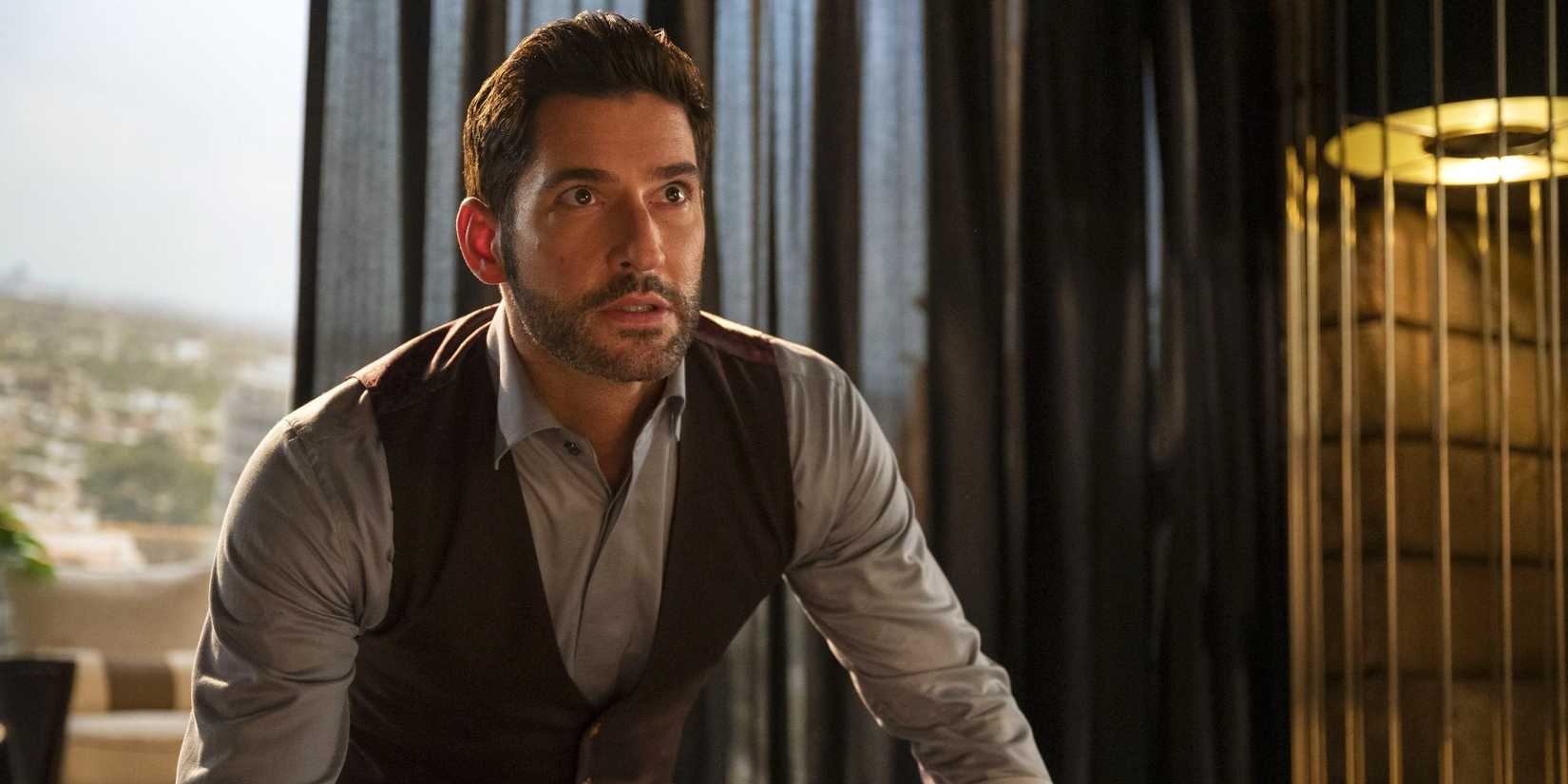
Interestingly, Lucifer‘s formula shift was because of the switch from Fox to Netflix. When Fox cancelled the show after three seasons, Netflix decided to pick it up. It was a good move because Lucifer went on for three more seasons and became even bigger, attracting a larger fanbase. The formula change from network TV to streaming allowed the show to take more narrative risks.
Once it moved to Netflix, Lucifer seemed to get darker, coming across more like a gritty comedy drama than a procedural. The seasons were shorter and thus plotlines weren’t drawn out for so long, with no filler episodes. The subject matter was more mature, even with some light profanity and nudity. The lore of Heaven and Hell became darker and less comical. This all worked to breathe new life into a show that became one of the best crime comedy TV shows of all time.
‘Family Matters’ (1989–1998)

“Did I do that?” Apparently, what Jaleel White did was steal every scene he was in as Steve Urkel in this hit sitcom from the ’90s. Family Matters, a spin-off of Perfect Strangers, was supposed to center around the members of the Winslow family. In the same vein as other family sitcoms at the time, and before it, like Growing Pains, Full House, and Roseanne. But instead of the quirky, nosy neighbor or friend bringing occasional comic relief like Kimmy Gibbler (Andrea Barber) in Full House or Boner (Andrew Koenig) in Growing Pains, he became the star of the show.
The Winslow family dynamic became so secondary to Family Matters that by Season 5, they removed the youngest daughter Judy (Valerie Jones and Jaimee Foxworth) altogether with no explanation, as if she never existed. The fact that this didn’t really impact the familial plotlines all that much was proof that Family Matters became the Urkel show. The parents, along with son Eddie (Darius McCrary) and daughter Laura (Kellie Shangyne Williams), still got significant screen time. But Urkel showed up more and more, and most of Laura’s storylines became centered on her interactions with him, and his massive crush on her.
‘Breaking Bad’ (2008–2013)

Did you know that Jesse (Aaron Paul) was supposed to die in the first season of Breaking Bad? The intention was for the young delinquent and drug dealer to be the person who helped get Walter White (Bryan Cranston) into the world of drug dealing so that he could go on and do his thing after Jesse’s death. Creator Vince Gilligan has also said that he wanted Jesse’s death to show that the series wasn’t afraid to “go there” and kill off main characters. But the chemistry between Paul and Cranston in the series, one of the greatest American drama shows of all time, was too enticing on screen. Plus, with the Writer’s Strike at the time delaying the final two episodes, it gave Gilligan time to reconsider.
Fans are delighted he did because the dynamic between Walt and Jesse became as important to the show as Walter’s journey. The things Walter did to Jesse, or made Jesse do, helped better portray his descent into darkness. Meanwhile, Jesse became the heart of the show, so much so that El Camino: A Breaking Bad Movie was released long after Breaking Bad ended to give Jesse a more fitting end. That’s a testament to Paul’s portrayal and the fact that Gilligan made the right decision fighting to keep Jesse alive.
‘The Good Place’ (2016–2020)

You went into The Good Place thinking one thing and the show pulled a complete 180 to deliver something entirely different. The premise was set to tell the story of Eleanor (Kristen Bell), a not-so-nice young woman who passes on and ends up in what looks like Heaven. She thinks she has been sent to the wrong place, so she decides to spend her time proving that she belongs there before anyone figures it out.
But in the Season 1 finale, it’s revealed that Eleanor isn’t where she thinks she is at all: it’s all an elaborate hoax. She’s actually in the “Bad Place”, where she is forced to live out her existence with others who are just as awful as she is. As the show progressed and everyone figured out what was going on, the angle changed to follow a stream of reboots where the deceased individuals were given the opportunity, over and over, to prove that they could be good and moral people until they got it right. The show’s formula changed in a way that made it better and better with each passing season.
‘Person of Interest’ (2011–2016)

Many sci-fi fans consider Person of Interest to be one of the best and most underrated sci-fi shows of all time. But it didn’t actually start as a hard sci-fi show. It was a network procedural with themes of crime and sci-fi behind its formulaic episodes. However, as the show moved through its five seasons, an underlying story beneath the case-of-the-week format began to take bigger shape until it became the main story.
Complex and riveting with lots of moving parts, Person of Interest was covering topics of government control and modern-day AI in a way that only sci-fi movies had done up to that point. It’s the type of show you look at today and could easily see launching on a streamer, not network TV. Yet even without the leeway to show more violence and mature storylines, Person of Interest, created by Jonathan Nolan, is fantastically written and acted. And the show’s progression from standard procedural with a hint of sci-fi to a sci-fi crime drama tackling deep topics like algorithms, human behavior, and machine learning, was brilliant.
‘Crazy Ex-Girlfriend’ (2015–2019)

Watching the first few seasons of Crazy Ex-Girlfriend, it’s a hilariously absurd romantic musical comedy-drama about an incredibly intelligent but eccentric woman who runs into her old teenage flame and becomes obsessed with him. So much so that she quits her New York City law firm job to move back to her hometown of West Covina, California, in hopes of reigniting something with him. But he’s completely oblivious to her advances, even as she becomes more and more blatant in her attempts at capturing his attention.
It’s easy to see the humor in the storyline, especially when presented in such a way that it’s clearly designed to be absurdist, embellished humor. But creator and star Rachel Bloom decided to do something drastic with the final seasons and make the show more about mental health. It was still a comedy and there were lots of laughs. But Crazy Ex-Girlfriend set out to leave a powerful mark by diagnosing Rebecca (Bloom) and following her life as she deals with therapy, finding herself, and managing her mental health.
‘Ted Lasso’ (2020–Present)
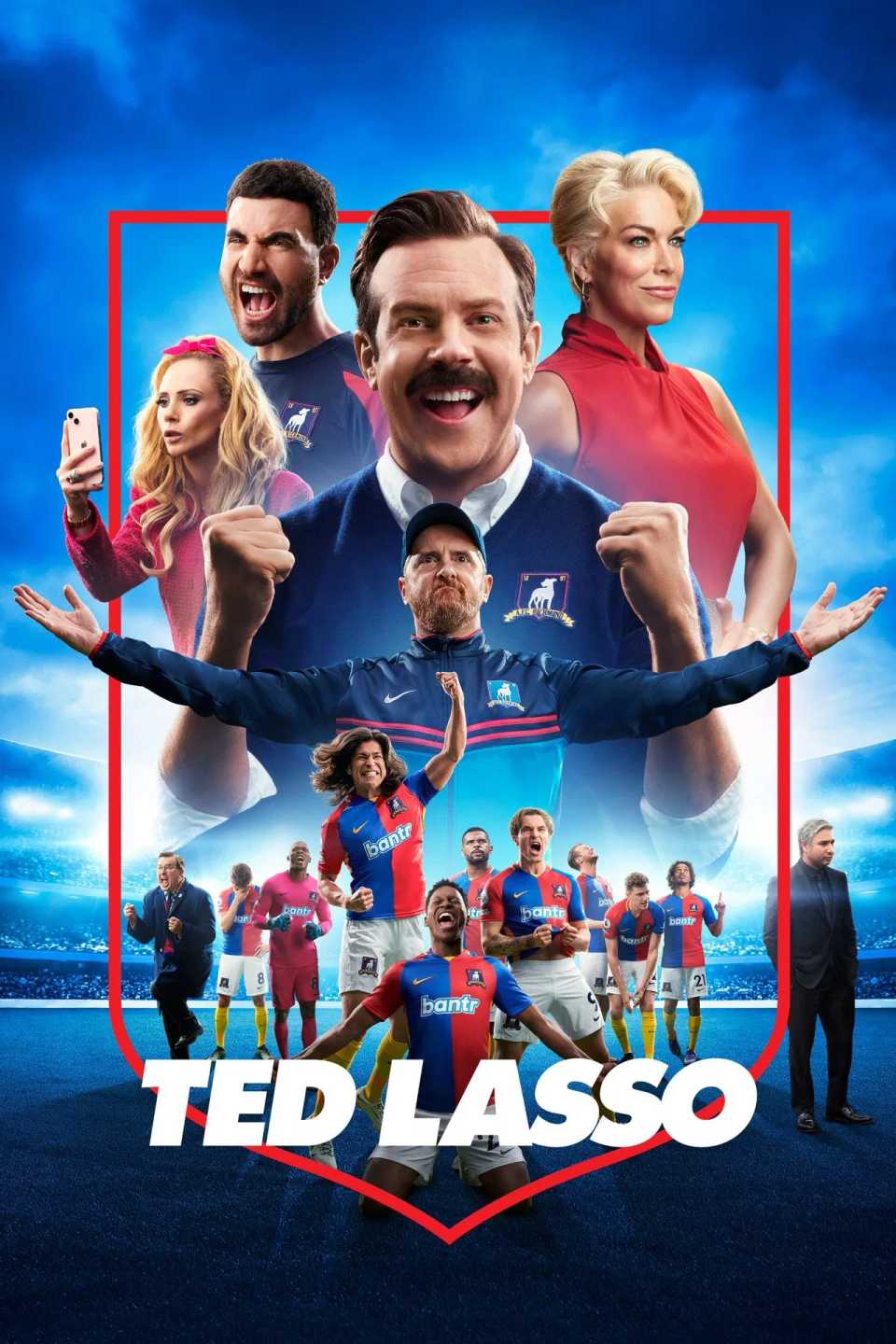
Another show that put mental health at the forefront, no one had any idea that this would be a central theme of Ted Lasso. All fans knew about it before the series premiered was that it was based on the popular character Jason Sudeikis developed for NBC sports coverage. The title character, played by Sudeikis, was an American football coach called in to coach a flailing English football (soccer) team, even though he knew nothing about the sport.
But it became clear as the show progressed that Ted Lasso was setting out to tell a powerful story of mental health with men and, more importantly, mental health with men in sports. Ted’s infectious personality made him hard to dislike, yet you slowly begin to realize that he hides sadness and anxiety behind this façade. Meanwhile, characters like star player Jamie Tartt (Phil Dunster) use his ego and bravado to hide his insecurities, while veteran player Roy Kent (Brett Goldstein) slowly learns to drop his guard and be more vulnerable. It was such a smart tactic to get people to watch the show, laugh hysterically, become hooked, then hit them with a one-two punch of mental health education. Fans are excited to see what the upcoming fourth season, arriving three years after the show supposedly ended, will bring to the table.

Ted Lasso
- Release Date
-
August 14, 2020
- Network
-
Apple TV
- Directors
-
Declan Lowney, MJ Delaney, Erica Dunton, Matt Lipsey
You must be logged in to post a comment Login