Entertainment
Acting Like You Care Is As Important As The Real Thing
By Robert Scucci
| Updated


It’s 2026 and everything sucks. The cost of living has gone up exponentially, and quality of life has dipped right along with it. Lines are longer, everything is automated, nobody’s paid enough to care, and I don’t blame them. When you’re stuck renting from people who treat the concept of a home as an investment opportunity, don’t have a lawn to call your own, and pay a third of your income in taxes before getting taxed again on every purchase, it’s really easy to stop caring. After all, what’s the point? The average person can’t get ahead, and when they do, some medical emergency or unexpected financial hurdle sets them back three years.
It’s really easy to not care. But here’s the counterpoint nobody tells you: it’s really easy to pretend that you do care. In fact, acting like you care is a skill you should always be fine-tuning because it will change everything for you.
From McDonald’s To The Corner Office

I rarely eat fast food anymore. The value just isn’t there, and getting the correct order feels like a coin toss. It’s a shame because fast food is supposed to be convenient and engineered to be delicious. I’d probably hit the drive-thru more often on a busy day if it wasn’t easier and cheaper to cook at home. Which is unfortunate, because there’s nothing better than a burger and fries after the day escapes you.
The last time I got McDonald’s, I was coming home from a gig, hadn’t eaten all day, and was dreaming about a Quarter Pounder like a cartoon character hallucinating a roasted turkey in the desert. I reached into the bag to do a quality check before leaving. My hand, the burger box, and the bag itself were soaked, like the whole thing had been dunked in a grease trap and served anyway. “No biggie, I’ll just go inside and get this fixed,” was my thought.
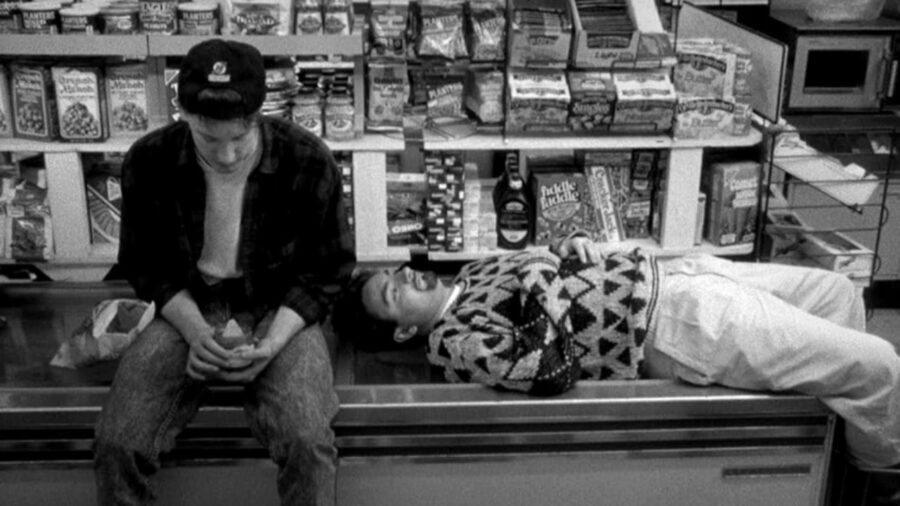
When I asked for new food that wasn’t drenched to the point of falling apart, the response I got was “that’s just the grease,” followed by blank stares. After about 10 minutes of trying to get my food and go home, my hangriness kicked in and I said, “I’m not asking you to give a sh*t, but could you at least pretend you do?” Which, honestly, is something we could all do better.
Mistakes happen. That’s fine. But the general sense of malaise I’m sensing, not just at McDonald’s but everywhere, is palpable. On one hand, I get it. The graveyard shift sucks, and I probably caught someone on an off day. But a simple “sorry about that, your concern is valid, we’ll fix it” goes a long way. Acting like you care costs nothing.
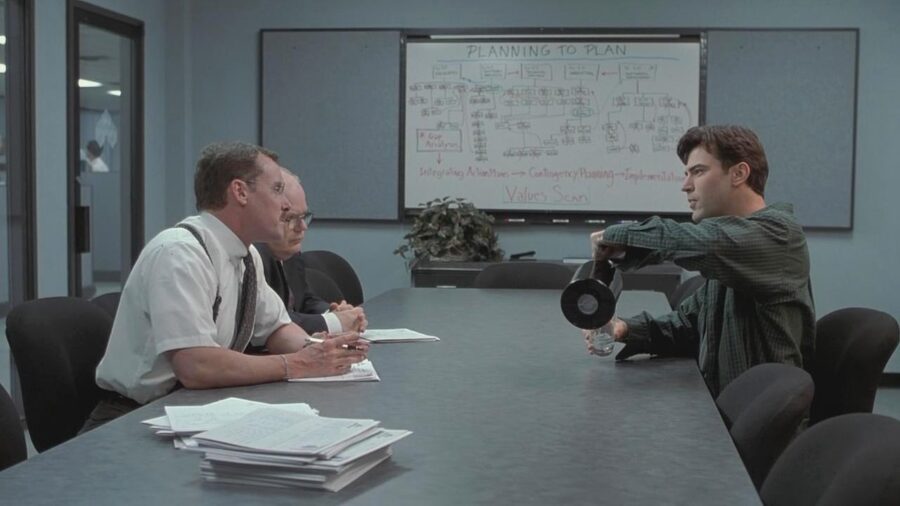
During my tenure as an office drone, I ran into high levels of not caring on a daily basis. So much so that when my fellow supervisors and I had to distribute annual performance bonuses, we often favored the employees who acted like they cared. They weren’t always killing it all the time, but they showed up, owned their mistakes, vowed to do better, and were generally pleasant to be around. The higher performers who outwardly didn’t care, on the other hand, brought everybody down with them because not caring in this kind of setting is rightfully contagious, making everybody else miserable and less productive in the process.
When I epically messed up an account thanks to my own carelessness, I’d hear the client out, explain what went wrong, and assure them safeguards would be put in place so it didn’t happen again.
The reality was I didn’t really care. We were all overworked, underpaid, and constantly reminded how expendable we were. But when I got pulled into a corner office to get chewed out, I treated the issue with urgency, smoothed things over, and moved on. The people who were past the point of saving would get defensive and combative, not realizing how quickly things could escalate against them.
Actually Caring Is Better, But We Can’t Do That All The Time

Anybody with young kids will tell you they have a sixth sense for unloading on you when your mental bandwidth is maxed. You’ll be on the side of the road changing a flat tire while they’re talking a mile a minute about their favorite Paw Patrol episode or one of their 25 classmates in excruciating detail. In those moments, you may not care at all, but you do care about your kids. That’s the difference. Getting on their level and letting them know they’re seen and heard is all it takes. Acting like you care when you have much more pressing issues in front of you still counts. It actually means the world to them. They just want to know you’re present and listening.
I’ve been driving around for a month with a rotten pinecone sticking out of my center console because my 4-year-old son gave it to me. I hate that pinecone. I want to throw it out the window every time I start the car, but every time we buckle up, he’s so proud of it and beyond happy that I kept it. Even though I’m pretty sure it’s moments away from releasing spiders.

The secret nobody wants to tell you is that showing up is 99.99999 percent of everything. Whether you’re in a band, a bowling league, or just roped into bringing something to the dinner party you were dragged along to, putting in even a small amount of effort and acting like you care gets noticed. That particular something you showed up to means something to somebody. Stepping outside of yourself is a superpower because it’s so easy to cancel plans. We’ve all done it. And we all should sometimes.
You can’t always be on your A game. That’s impossible. There will always be days where you couldn’t give a rat’s ass about anything. But acting like you care, even when you don’t, has a ripple effect that makes the day-to-day grind more tolerable for everyone around you. And more often than not, it ends up working in your favor too because people notice.
You must be logged in to post a comment Login