Entertainment
Born Again,’ Jon Bernthal’s ‘Punisher’ Special Just Set the Stage for Frank Castle’s Comeback

Editor’s Note: The following contains spoilers for The Punisher: One Last Kill
Summary
Almost a decade since its finale on Netflix, Marvel brought back fan favorite Matt Murdock (Charlie Cox) for Daredevil: Born Again, presenting the Disney+ series an opportunity to resurrect yet another beloved onscreen character with Jon Bernthal’s anti-hero Frank Castle/The Punisher. Since his own Netflix series was cut short in 2018, fans have felt Castle’s absence, though maybe none so much as The Punisher himself. “He’s lived with the character,” Reinaldo Marcus Green, director of The Punisher: One Last Kill, tells Collider’s Steve Weintraub. “He had been working on this for a good long while.”
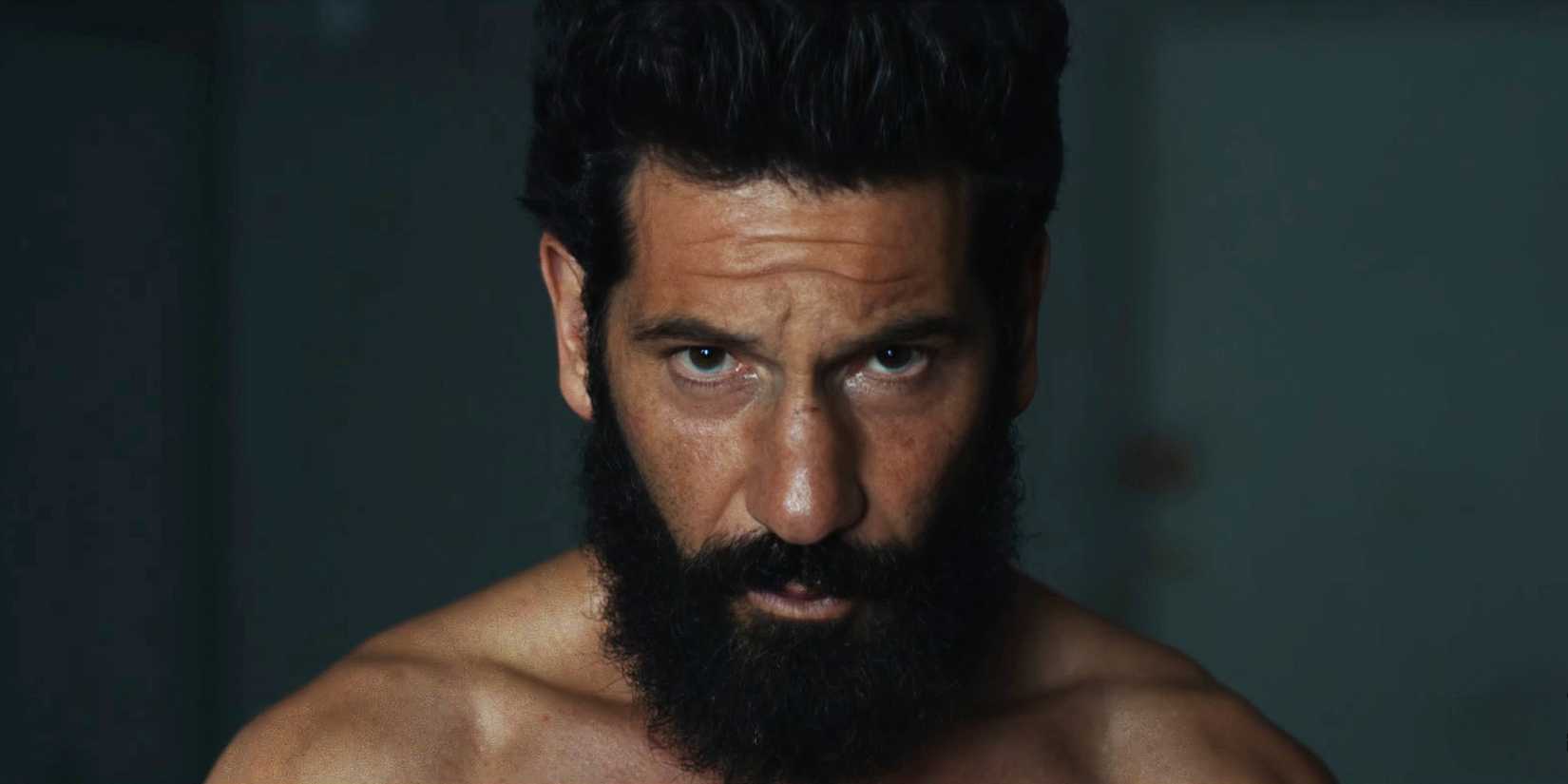
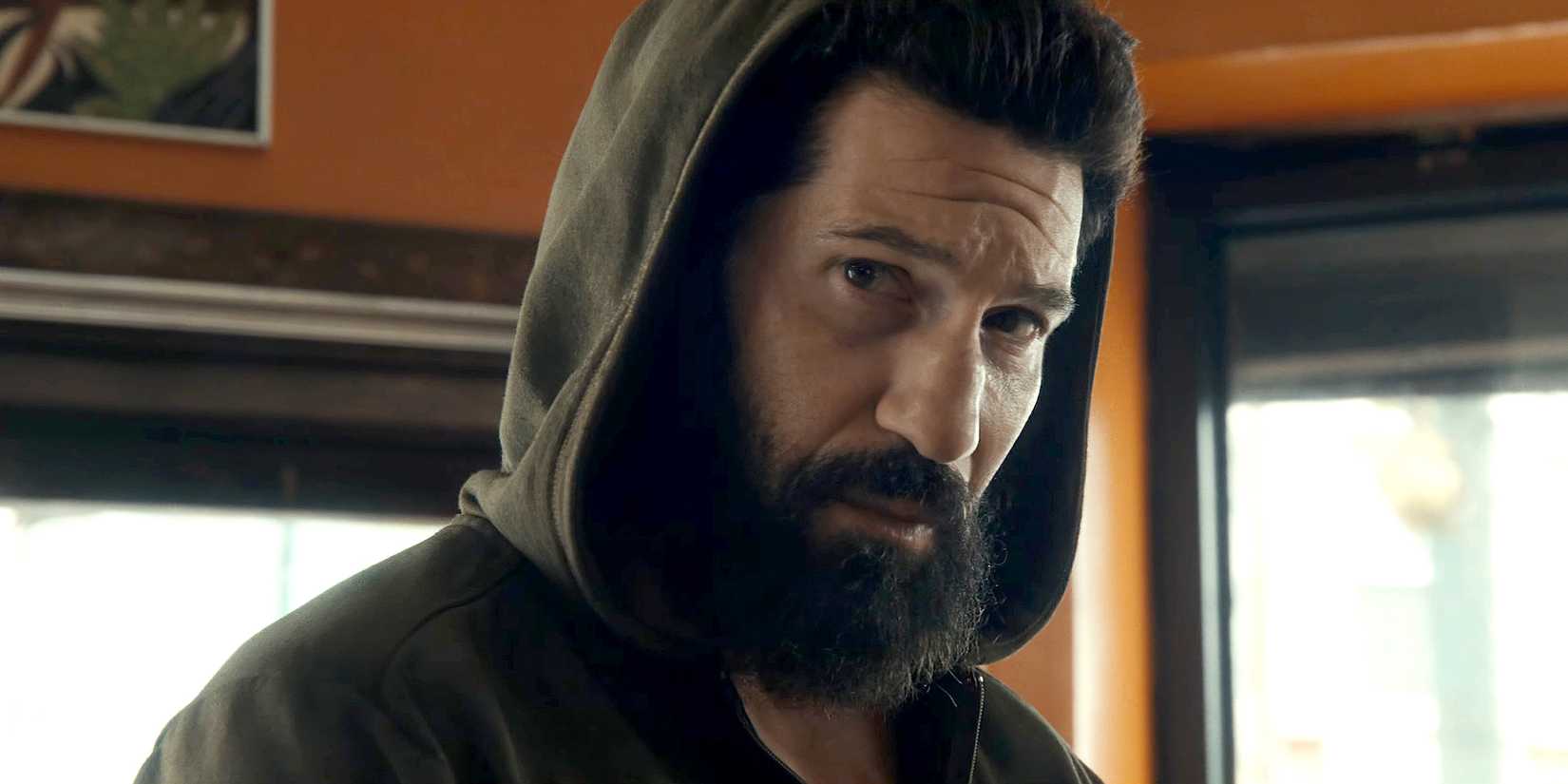
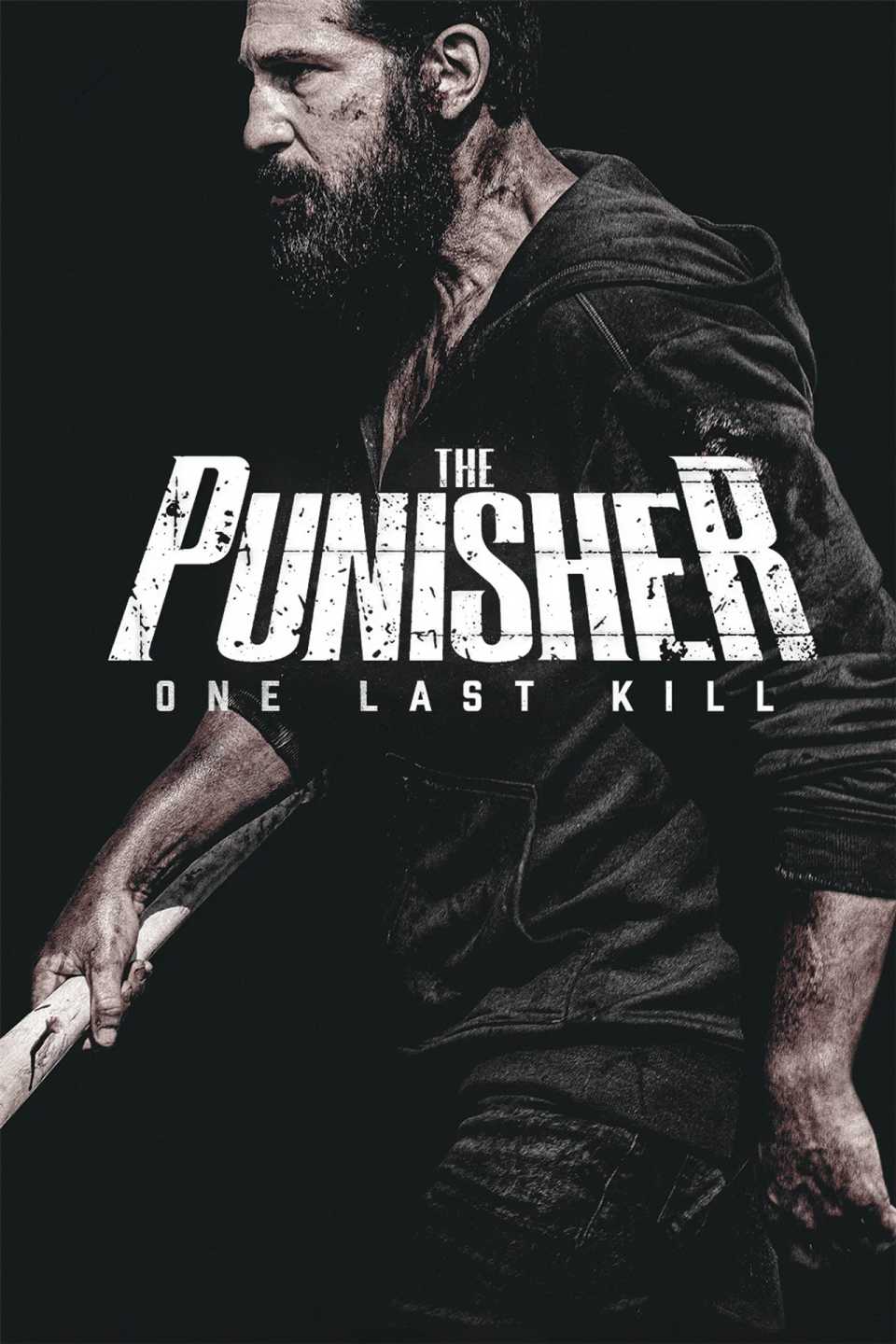
After a brief appearance in Born Again and a surprise cameo announced for Spider-Man: Brand New Day, Frank Castle is once again donning the bulletproof vest for One Last Kill, marking the third of Marvel’s Special Presentations, a short-format adventure that kicked off with the critically acclaimed Werewolf by Night. In the 44-minute one-shot, co-written by Bernthal and Green, Castle is haunted by his past, struggling to find purpose beyond his obsession with revenge, when an unexpected foe lures him back into the fold. One Last Kill also brings back Jason R. Moore as Curtis Hoyle and introduces Emmy Award winner Judith Light to the MCU as supervillain Ma Gnucci (“She’s different than the comic, in a good way”).
One thing’s for sure: fans are thrilled by the Punisher’s return, but hungry for more. While talking with Collider, which you can watch in the video above or read below, Green discusses Bernthal first approaching him with the idea and the merits of returning to screen with a Marvel special. “Hopefully, that is a way for them to gauge audience reactions, what they want, and demand for the character,” Green says. “And give us more runway to do something bigger and better in the future.” He shares behind-the-scenes details for their 11-day shoot, working with the limitations, where on the MCU timeline One Last Kill falls, and what introducing Ma Gnucci ultimately means for the fate of Castle. As for now, however, the director admits, “We’re not sure where the Punisher goes.”
Jon Bernthal Took a “Gloves-Off” Approach to ‘Punisher’s Violent One-Shot
Director Reinaldo Marcus Green also shares new details on Southern Bastards.

COLLIDER: Before we jump into The Punisher, I know you directed the pilot of Southern Bastards, so what do you want to tell people about that, and any word on whether it might go forward?
REINALDO MARCUS GREEN: Amazing cast. We just wrapped on Thursday, so it’s in Hulu’s hands. I head out to LA for the edit next week. So, yeah, early days, but I feel very, very strong. We’ve got great material, Kevin Bacon, Erin Kellyman, Tim McGraw, Amin Joseph, Jonathan Tucker, and Ethan Suplee. Amazing cast, really. Aunjanue Ellis-Taylor. Tremendous cast. Great setting, great comic book. If you don’t know it, it’s based on a graphic novel. So, just really a lot of fun. I’m really happy about that one, so we’ll see. I’m optimistic we’ll have a future life there.
Yeah, with that cast. Congrats. I hope it does get picked up. So, I’ve got to ask the most important question. Why do you think it is Marvel doesn’t do more one-shots? Because they’re two for two now, including what you guys made.
GREEN: I don’t know. Maybe they will start doing them. I think, like you said, they’re fun. For me, it was like dropping a single on an album, you know? It’s just fun to be able to approach it with that respect, giving the audience something that they want. It was really a lot of fun for us, so I hope they do more, and I hope this is an inspiration for that.
What do you think the one-shot, 50-minute format is able to accomplish that the two-hour movie or the 8–10 episode season isn’t?
GREEN: I think it’s a toe-dip. For people who are afraid to go on a long commitment, they can start with 50 minutes. For folks that don’t know anything about the Punisher, who will be introduced to the character with this one, I think it’s, “Oh, I really like this guy. I really enjoyed that ride. Is there more?” So, it’s a short commitment, for sure. It’s a cinematic experience in a fun, digestible way, and hopefully leaves you wanting more.
So, if we’ve done our job right, hopefully there’ll be future Punisher, in whatever form, whether it’s film or TV, whatever route that they want to go. We know that he’s going to appear in Spider-Man: Brand New Day, but after that, we’re not sure where the Punisher goes, but hopefully that is a way for them to gauge audience reactions, what they want and demand for the character, and give us more runway to do something bigger and better in the future.
You’ve worked with Jon [Bernthal] previously, obviously. At what point did you two actually start talking Punisher and possibilities, and how does it correlate to mentioning it to Marvel? Were you guys talking about doing something and then going to Marvel? What’s the timeline?
GREEN: I think Jon has been talking about this for a lot longer than I have. He’s lived with the character. He’s been with the Punisher for a long time. This was introduced to me about a year and a half before we started filming, was when I got wind of it. He told me he was going to do a special. To be fair, I didn’t know I was going to be called for it. I didn’t know I was going to be the right guy for the job, and even so much so, I asked Johnny, “Are you sure?” Going from tennis balls to bullet wounds is a different thing. I’m a nonviolent guy, and so it’s just a different lane for me to play in, which was a lot of fun.
But yeah, to have that buy-in from the actor, I think, is super important. For Jon to see something that I didn’t even see in myself, I think, was important. And I was a Punisher fan as a kid, but it had been 25 years before I opened up the comic books again. I had kind of shelved everything as a teenager. So, here I am now, grown, with school-aged kids. It was fun to dive back in.
So, yeah, when Jon approached me with it, I think he had already had those conversations with Marvel about doing it. It was going to be sort of a gloves-off type situation. He kind of knew the story that he wanted to tell. He had sort of cracked early versions of the script, so he had been working on this for a good long while before I came into it. I think it was good for me to have a bit of distance from the character.
Where Does the ‘Punisher’ Special Fall in the MCU Timeline?
“There was an inside job, so to speak…”

So you two sit down, you’re writing this thing. How much in the writing process did you know, “Well, we’re going to have this much money. We’re going to have this much time to shoot,” and how does that correlate to the screenplay you’re working on, or was it a result of, “Let’s write our screenplay, and then let’s see how much of this we can actually do?”
GREEN: I think it was probably somewhere in between. I didn’t know how much to begin with, not that that was the reason to do the project. Once Jon said that I was the guy, and I committed to it, and Jon knows this about me, I’m 110% once I’m in. So, it’s about diving in, getting into character.
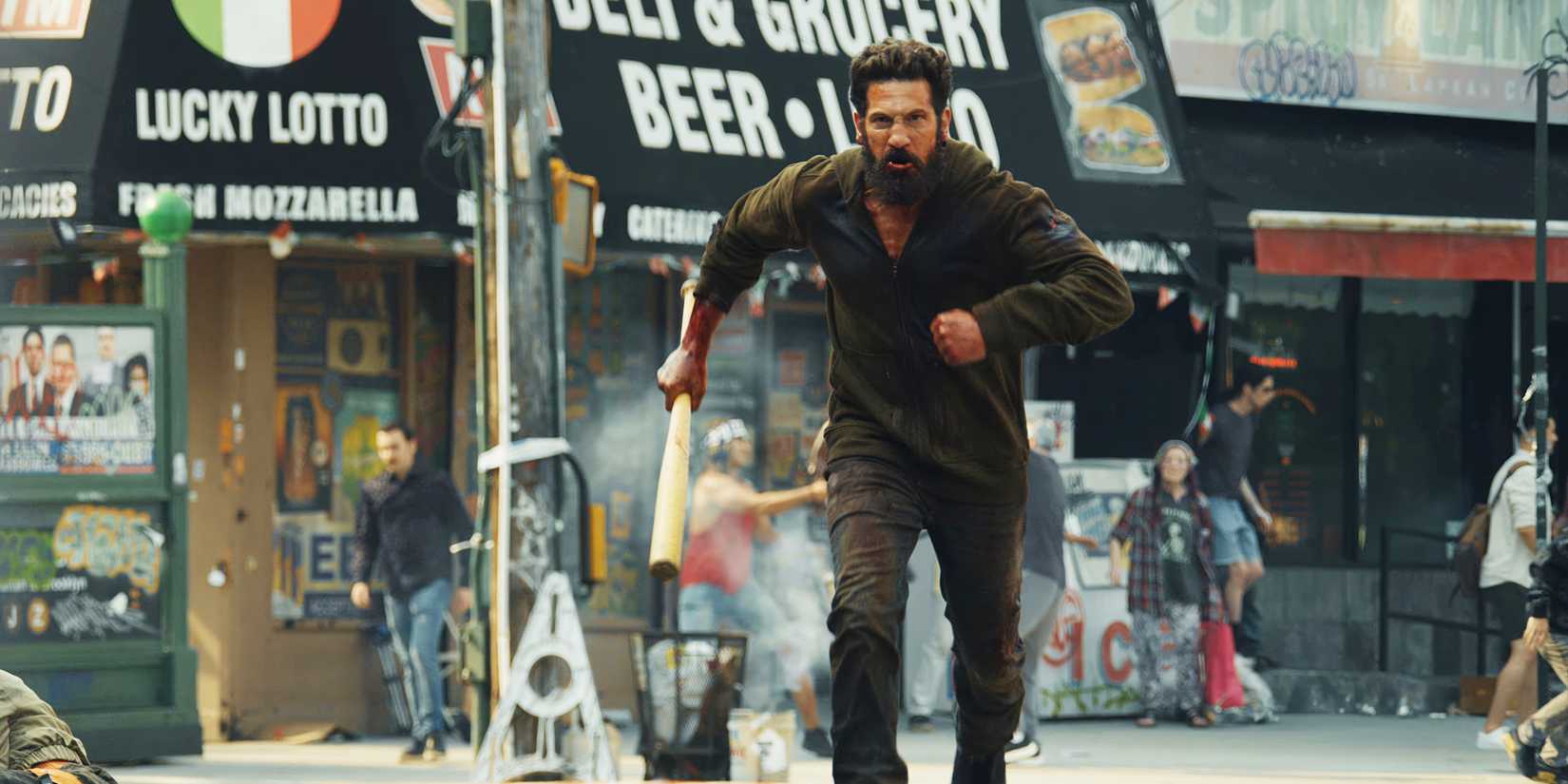
Of course, the budgets reveal themselves, and days started getting a little shorter, and we were saying, “Okay, well, we can’t do this. We can’t do this.” But to be fair, I don’t look at anything like a limitation. I think they’re all opportunities. We knew this was going to be a special. What is essential to telling the story? Where is his headspace at? That doesn’t change anything. I think it may change the number of bodies that can fall off roofs, it can change the number of backgrounds, but ultimately, if you have committed actors and crew, you can do a lot. I think we achieved a lot in 11 days, and I think ultimately, hopefully, it was all towards the story that we were trying to tell. It was wonderful that we had Jon, as committed as he is, who did all the action himself.
So, look, I don’t know if there’s a filmmaker with a budget, even up to $300 million, that says they have enough. Ultimately, can you do more with more? Yeah. But you can also maximize what you have. We were able to get Robert Elswit, one of the great living cinematographers, based on relationship. I did this based on my relationship with Jon. That was my commitment to the Marvel community, was Jon asked me to do it, I spoke with Jon, and that was my buy-in. It wasn’t about the financial aspects of the shoot or even how much we had to shoot it. And the same thing with Robert. Robert’s like, “If you’re doing it, I’m doing it.”
So, I think when you can build a team based on that, we were able to create what we could create based on our relationships to one another, and just use every limitation as an opportunity and say, “Hey, alright, this is what we can do. This is how we best achieve it. Let’s go.” We shot 11 days in New York, all on location or in Jon’s apartment, in the interior apartment. But other than that, we were really on the streets in New York, grinding with natural daylight.
Did Marvel say to you guys anything about connecting to the larger story, or were they like, “Hey, you can do your thing, but we don’t want it touching other things. It needs to just be a self-contained Punisher story?”
GREEN: There were certainly conversations about where this would live in the timeline. Nothing that felt restrictive to the story that we were telling. This was always going to be kind of a standalone special, where it sat sort of post-Daredevil [Born Again] and pre-Spider-Man [Brand New Day]. I think it was still a question, at some point, but as we started filming, there was a natural timeline that started to reveal itself. Obviously, there are a lot of sort of smart people at Marvel who were able to quickly connect those dots, but I never felt those limitations, or, “You can’t do this, you can’t do that.”
I think because Jon, who this was really kind of his baby, this was something where he knows the character very well. It was easy for him to adapt. It wasn’t a difficult thing for him to know where the character was or where the character was headed. He also knew that he was going to be in Spider-Man, so I think there was an inside job, so to speak, that Jon, the character himself, was also aware of where his character was going based on the next project he was getting ready to go off and do. So, we had a timeline that really happened organically.


‘Spider-Man: Brand New Day’ Is Officially Doubling Down on the Most Divisive Peter Parker MCU Trend
Mark Ruffalo and Jon Bernthal also star in the MCU film.
There is a crazy amount of action in this for such a short shooting schedule. Is it one of these things where Jon and the stunt team are doing a lot of rehearsals in advance, so when you’re on set, you’re able to get the maximum time you have for the days you have? And part two, how long did you have to shoot that building sequence? Because it’s crazy how much action you pull off and the extent of the violence that you pull off in a Marvel one-shot.
GREEN: Yes, Jon certainly was rehearsing. He knew almost every move before we filmed it. We had three pre-visualizations, so our stunt supervisor and our stunt coordinators would work it out on the stage, we would see it, we would approve it, we would go back, and we would adjust. Then Robert Elswit and myself would then go watch those stunt rehearsals, and then we’d say how we would film it versus how they would do it on a stage, obviously with different cameras.
But the design really started happening even before we were finished with the script. A friend of mine, Will Poulter, a great actor, recommended a series called Gangs of London, which I hadn’t seen. He said the action in there was great, and I said, “Okay, great.” There’s a guy named Jude Poyer Jude had designed the stunts there. I’m living in London, and he was living there, so I thought, “Oh, I have access to him very early on.” We didn’t have a lot of prep time for this, so we could at least start talking about the character, the state of the character, what we were doing, and what the action would look like. So, we had early conversations with Jon, who was living all the way in LA at the time, that were able to kind of inform those early passes of the script based on the action that we were talking about.
Then, when we got on the ground, it really took a full team operation. Jon has a long-standing stuntman, Eric [Linden], but Jon also being the person who does all of his stunts, we really set him on fire, we really dropped him from buildings, and obviously he’d spent all those years on The Walking Dead. We brought on a guy named David Conk, who was also super instrumental in helping us orchestrate. So, that whole collective, together, was instrumental in helping us with the pre-visualizations, shooting that previs, approving that previs before we would then go to shoot it because we didn’t have a lot of time, as you said, on location to do that.
But our part of our job was really designing it based on the story, based on the intention, based on, “Why would he do that? What’s the reaction to that?” So really trying to be story-driven with the action so that it doesn’t just feel like he’s just killig for no reason, that there was an intention behind the killings.
And then obviously, the precision in which the Punisher works, how do we orchestrate that so that feels very, very real and authentic? We also had one final beat, which is the military consultants that we had not only as consultants but also as actors in the film. The guys who are in that room with John are real ex-military, real ex-Green Beret. You have folks who are military trained to help Jon orchestrate that. So, we had a lot of hands on deck when it came to the authenticity of the fight sequences. But yeah, a lot of time went into the design of them so that we were not just running on the day without knowing what we were going to do.
You guys pulled off an awesome action set piece. So a lot of Marvel stuff has an after-credits scene. How much did you guys debate having an after-credits scene, and did it come close?
GREEN: No debate on my end. It didn’t come up as far as I was aware. It was never something that was discussed internally on my side.
Judith Light’s Marvel Villain Is a Perfect Opportunity for More ‘Punisher’
“Selfishly, it’s great for us as fans.”

Judith Light plays Ma Gnucci. She obviously escapes at the end. How much was that a conscious choice to leave a breadcrumb, in case you guys wanted to do more, and how much did you debate him taking care of her before this thing ended?
GREEN: We love the question mark. Selfishly, it’s great for us as fans, and hopefully, we’ll see more of her and more of Jon. So, for us, it was kind of fun to leave the open door, but it also made the moral choice just that much harder in the piece. You either go after her or go save a young innocent, and we see the decision that Jon made in that moment.
Judith is incredible… I mean, she’s been around for forever. I met her at the Sundance Lab years ago as an actress there, and what a terrific talent. And I think what was so great is Jon had brought her name up, and I thought she was so fascinating. She is not somebody that you would expect in the Marvel Universe, and I thought that was what made that casting choice so interesting and unique. She’s terrific. She’s fun. She’s different than the comic, in a good way. It was just fun to play with, and I think together on screen they were really electric.
Obviously, this one-shot really deals with the mental health of Frank Castle, and really gets in there. Can you talk about the way you and Jon wanted to make sure that you’re honoring so many people who are going through mental health challenges, especially members of the military, and can you talk about the writing and the shooting, to make sure you tried to do it the best you could?
GREEN: Again, Jon really is very, very close with the military community. There was a gentleman by the name of Nick Koumalatsos, who’s an actor in the film, as well, but he was really there from the early stages with Jon, talking about PTSD and the conditions that some of these military guys go through. And Colton Hill. These guys were critical to Jon’s psychological state. They would talk about what it’s like coming home from war and the things that they faced. So, I know for sure it was about trying to do honor and justice to the military community first and foremost, and that was driven by Jon’s total and relentless commitment to that community and getting it right.
So, that really drove where Frank’s psychological state is at the start of our piece and where he ends up. I know that had to go into the early stages of the draft and obviously into the piece that we ended up coming with. But those guys were instrumental in helping Jon really create that psychological state, and critical to the foundation of what you see in our piece.

What was it like in the editing room with the one-shot? Did you end up having a longer cut, or was this always about what it was going to be? Did you end up with a lot of deleted scenes?
GREEN: Not really. To be fair, we didn’t have a lot of time for deleted scenes, which is great. It’s very rare when you get into the edit and you don’t have to kill all your darlings, and so on. So, that was kind of exciting, but also scary when you’re like, “Oh, we actually have to use everything that we shot.” So, it’s scary when there are no second unit days. There’s no go-back-and-get-it. This is one chance.
It was great. We utilized pretty much everything that we shot, which is fantastic. I can’t really speak to a deleted scene. There might be one or two bodies that were left on the floor, so to speak, on the cutting room floor, but I think in terms of the structure and the story, this was as clean as you can get in the edit. I think it’s shorter than we had imagined, a little bit shorter, but I think that natural tightening came in the edit, for the better. I think the piece is as long as it needs to be to tell the genetic story and hopefully get fans and audiences on Camp Frank.
The Punisher: One Last Kill is available to stream now on Disney+.

- Release Date
-
May 12, 2026
- Runtime
-
60 Minutes
- Director
-
Reinaldo Marcus Green
- Writers
-
Reinaldo Marcus Green, Ross Andru, Jon Bernthal, Gerry Conway, John Romita Sr.
- Franchise(s)
-
The Punisher
You must be logged in to post a comment Login