

Entertainment
Catherine Zeta-Jones’ Dressy Sneaker Style Is Perfect for Events

Us Weekly has affiliate partnerships. We receive compensation when you click on a link and make a purchase. Learn more!
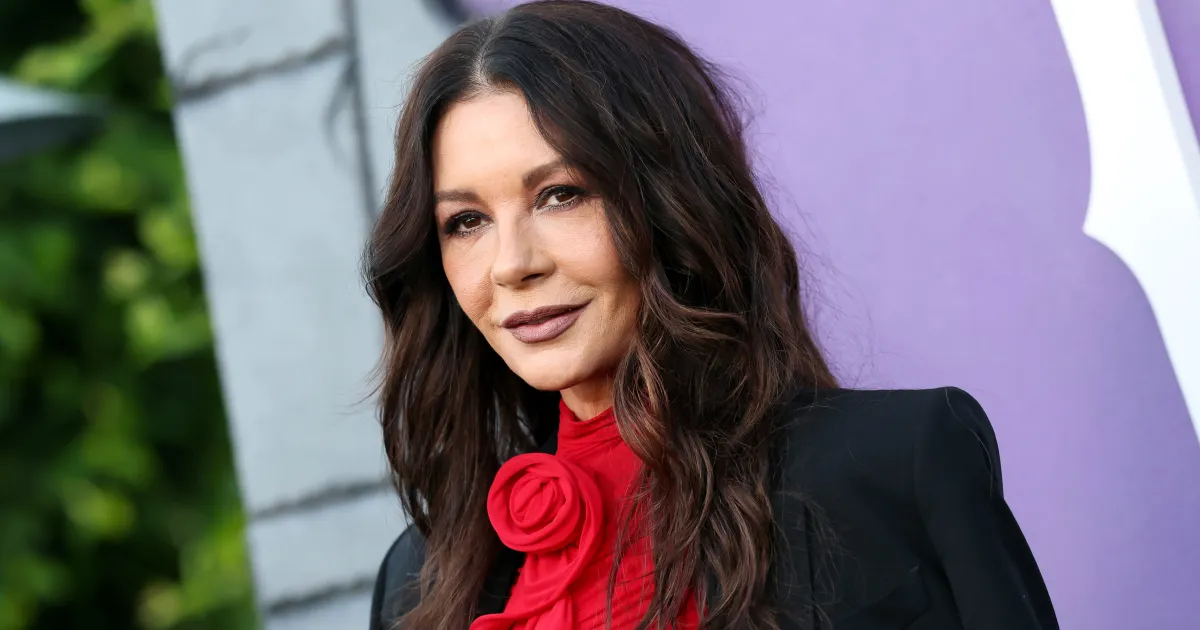
Andrea Kimi Antonelli may have won the Monaco Grand Prix, but we’re ready to give Catherine Zeta-Jones a trophy of her own. The 56-year-old actress arrived at the Formula 1 race dressed to impress, and while her floral Camilla jumpsuit quickly caught our eye, we soon focused our attention on her footwear style. Instead of rocking strappy sandals or stilettos, the Wednesday star wore sleek black sneakers, giving Us the green light to do the same for upcoming outdoor events.
To be honest, summer shoes are one thing we often stress about, especially since the season feels like a rotation of backyard barbecues and outdoor festivals, many of which call for cute, flowy sundresses or jumpsuits. Heels tend to sink into the grass, wedges can be tough to walk in and ballet flats leave behind nasty blisters, but tried and true sneakers rarely fail — except when they lean too casual. Zeta-Jones, however, appears to disagree; her outfit proves that black sneakers with a slight white platform work just as well with elegant outfits as they do with laid-back denim shorts.
Get the Project Cloud Trendy Fashion Sneakers for $50 at Amazon! Please note, prices are accurate as of the publishing date but are subject to change.
Although the exact shoes the star wore remain unknown, Project Cloud’s Trendy Fashion Sneakers nail the same chic look for just $50.
Aside from twinning with its slimmer silhouette and platform design, the pair was also built for comfort, making it perfect for events that require lots of walking or standing. Made of lightweight, breathable canvas and a memory foam insole, the cool-girl shoes feel comfortable and provide ample support. And, while the thick bottom keeps them looking extra stylish, the non-slip rubber sole with a rocker toe adds traction, so you’ll be able to avoid embarrassing tumbles as you go from grass to concrete to sandy boardwalk and back again.
Amazon shoppers describe the Project Cloud pick as “comfort meets fashion,” noting that it’s the ideal “everyday sneaker to go with everything.”
“The detailing is impressively high-end, and they are comfortable the first day,” one person revealed, while another added the shoes “look amazing” and garner “lots of compliments from everyone.”
“I am a teacher, so I am on my feet all day long and need something that is comfortable, but I still want something fashionable as well,” wrote one reviewer. “I found both in these shoes! They fit nicely and have a very lightweight feel to them. They are very sleek-looking, and I have received many compliments on them. I am able to teach for eight hours without my feet hurting.”
No matter what outdoor celebrations you have on your calendar for the months ahead, save yourself some stress — and a few aches and pains — by swapping uncomfortable summer shoes for these popular sneakers that work just as well. If this elevated style is good enough for Zeta-Jones (who was surrounded by an extremely wealthy, stylish crowd at the race), it’s good enough for every fashionista. Grab a pair now and make it your new go-to!
Get the Project Cloud Trendy Fashion Sneakers for $50 at Amazon! Please note, prices are accurate as of the publishing date but are subject to change.
Looking for something else? Explore more black sneakers here and don’t forget to check out all of Amazon’s Daily Deals for more great finds!


The superhero genre witnessed a major tonal shift with Christopher Nolan‘s epic The Dark Knight trilogy. After decades of colorful adventures, superheroes were presented in a grounded reality that captured the mood of the times. Similarly, Nolan put his stamp on the fantasy genre with his latest film, The Odyssey, based on Homer‘s Greek epic. Earlier, movies based on the Greek myths featured plenty of monsters and mayhem, but Nolan’s version revolved around themes such as post-traumatic stress, guilt, and human agency. That said, Nolan admitted that he was inspired by Ray Harryhausen‘s cult classic 1981 movie, Clash of the Titans, which was remade in 2010 by Louis Leterrier.
The Clash of the Titans remake starred Sam Worthington, fresh off the success of Avatar, in the role of Perseus. The movie defied poor reviews to gross more than $490 million worldwide against a reported budget of $125 million. It nearly outgrossed the genre’s biggest hit, Troy, which made $497 million worldwide against a reported budget of $185 million in 2004. Incidentally, Nolan nearly directed Troy as his first large-scale project, but was replaced by Wolfgang Petersen and was handed the reins to the Batman franchise instead. Clash of the Titans was successful enough to spawn a sequel, which was released in 2012 to equally poor reviews and a lower box-office haul.
Watch the Critically Panned Greek Mythological Movie on Peacock
The movie in question, of course, is Wrath of the Titans. Directed by Jonathan Liebesman, the movie features a returning Worthington alongside Liam Neeson as Zeus, Ralph Fiennes as Hades, and Danny Huston as Poseidon. New cast members included Bill Nighy, Rosamund Pike, Toby Kebbell, and Édgar Ramirez. Wrath of the Titans grossed just over $300 million worldwide against a reported budget of $150 million, falling short of its predecessor’s haul despite a larger budget. It is now sitting at a 26% score on the aggregator website Rotten Tomatoes, where the consensus reads, “Its 3D effects are an improvement over its predecessor’s, but in nearly every other respect, Wrath of the Titans fails to improve upon the stilted acting, wooden dialogue, and chaos-driven plot of the franchise’s first installment.” Because of the film’s underperformance, a third installment, tentatively titled Revenge of the Titans, was shelved. You can watch Clash of the Titans and Wrath of the Titans on Peacock starting August 1. Stay tuned to Collider for more updates.

- Release Date
-
March 29, 2012
- Runtime
-
99 minutes
- Director
-
Jonathan Liebesman
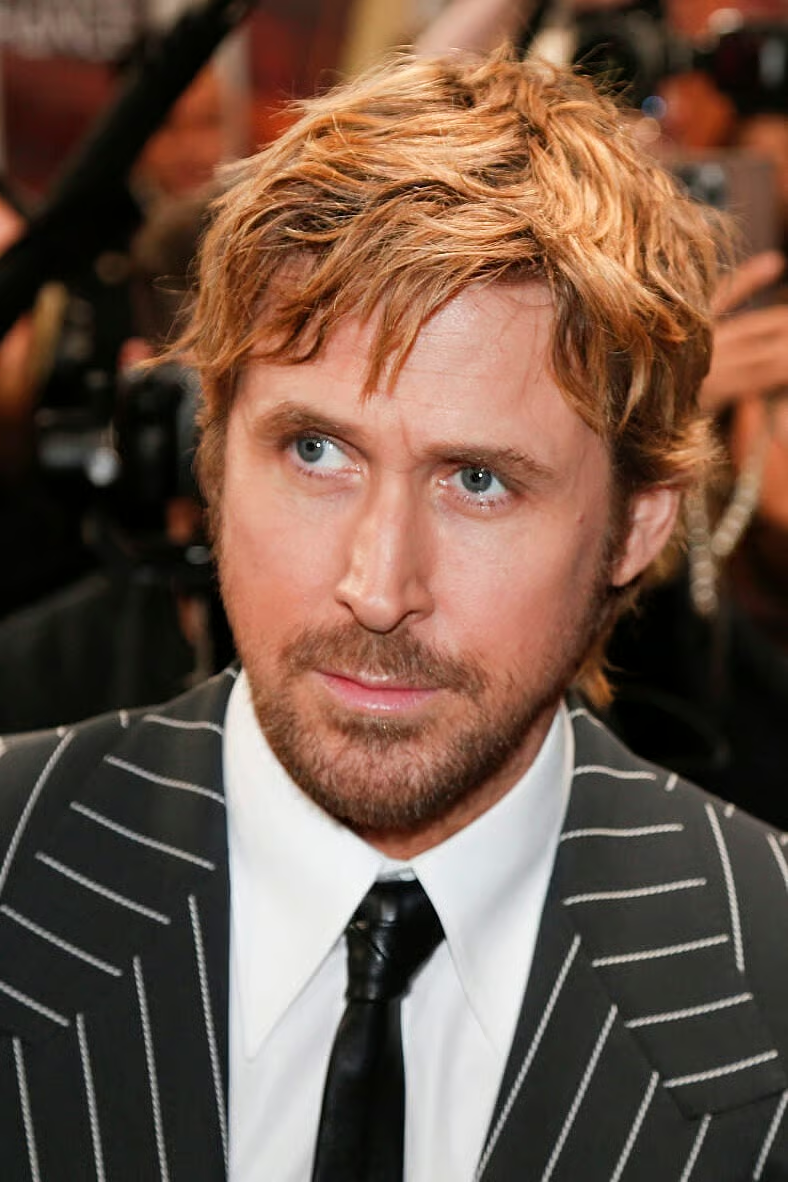
Actor Ryan Gosling is ready to join another blockbuster franchise. Shortly after joining Shawn Levy‘s “Star Wars: Starfighter,” which hits theaters in May 2027, Marvel boss Kevin Feige announced that the “Project Hail Mary” actor will join the Marvel Cinematic Universe as Ghost Rider at the San Diego Comic Con panel held on Saturday night. It’s a role the actor has always wanted to play, but it also has a surprising connection to his partner, Eva Mendes.

On Saturday, July 25, fans gathered at Marvel’s Hall H panel at San Diego Comic Con to see who would be the next actor to portray Ghost Rider. Marvel boss Kevin Feige announced that Ryan Gosling, fresh off the success of “Project Hail Mary,” would take over the role in an upcoming standalone movie.
The announcement was met with cheers from the audience. “As you know, this is a character I’ve wanted to play for a long time,” Gosling told the crowd.
How Eva Mendes Is Connected To His Ghost Rider Role

Ghost Rider was previously portrayed by “National Treasure” actor Nicolas Cage in the 2007 film. The movie also featured Gosling’s longtime partner Eva Mendes as Roxanne Simpson. Although Cage reprised his role in the 2011 sequel, “Ghost Rider: Spirit of Vengeance,” Mendes did not return for that movie.
The 2007 film was not well received and has only a 28% rating on Rotten Tomatoes. Scott Huver of Hollywood.com called it “the worst adaptation of a Marvel Comics hero yet,” while Mike Barnard of Future Movies UK said that “Cage needs to produce something special next to make up for crimes against cinema.”
However, not all critics hated the movie. Megan Basham of WORLD said, “This strange amalgamation of Texas Ranger lore, NASCAR bravado, and the-Devil-and-Daniel-Webster trickery keeps the campy fun revving just enough that you can’t completely hate it.”
This New Ghost Rider Will Be Directed By Shawn Levy
Shawn Levy, who directed the 2024 Marvel movie “Deadpool and Wolverine,” will be directing the new Ghost Rider film. He previously worked with Gosling in “Star Wars: Starfighter,” which will be released in theaters in May 2027.
During the Marvel panel at SDCC, Levy took the stage alongside Gosling and Feige. “I’m having the greatest flashback vibes here, because I was here two years ago when we showed Deadpool & Wolverine,” he told the crowd.
“I’ll never forget that night, because I was introduced to the greatest fans. Gosling is the absolute sh-t. I say that with tremendous respect,” he continued. “We spent a lot of time last year making Starfighter, and the opportunity as Ryan started talking about this character, I was like, ‘Bro, let’s ride.’ We’ll see you in 2028!”
No release date has been scheduled for the new Ghost Rider movie.
Eva Mendes May Be Looking To Return To Acting

Although she starred in films such as 2003’s “2 Fast 2 Furious” and 2005’s “Hitch,” Eva Mendes has remained largely out of the public eye for quite some time. However, as The Blast previously reported, that may all be about to change.
One insider told Star Magazine that she is eager to explore new opportunities in the entertainment industry and let Gosling stay at home with the kids for a change. “She’s leaning on Ryan to pick up the slack at home and slow down his usually packed schedule,” the source shared. “Eva needs the free time to meet with filmmakers and studio executives and really see what is out there for her.”
Will She Appear In ‘Star Wars: Starfighter’?
There are rumors that she may be making an appearance in “Star Wars: Starfighter,” alongside her husband. There is also speculation that she might appear in “Fast Forever,” the next installment in the “Fast and Furious” franchise.
Even though her appearance in “Starfighter” has not been confirmed, the source said that working on the movie has reignited her love of acting. “Eva rediscovered her taste for acting while making ‘Starfighter’ last year,” the insider divulged. “Now she wants to be in more films that her kids and their friends will actually enjoy and talk about.”
Mendes and Gosling met while filming “The Place Beyond the Pines” in 2012. They share two daughters together, but have remained fairly private about their relationship and their family life.
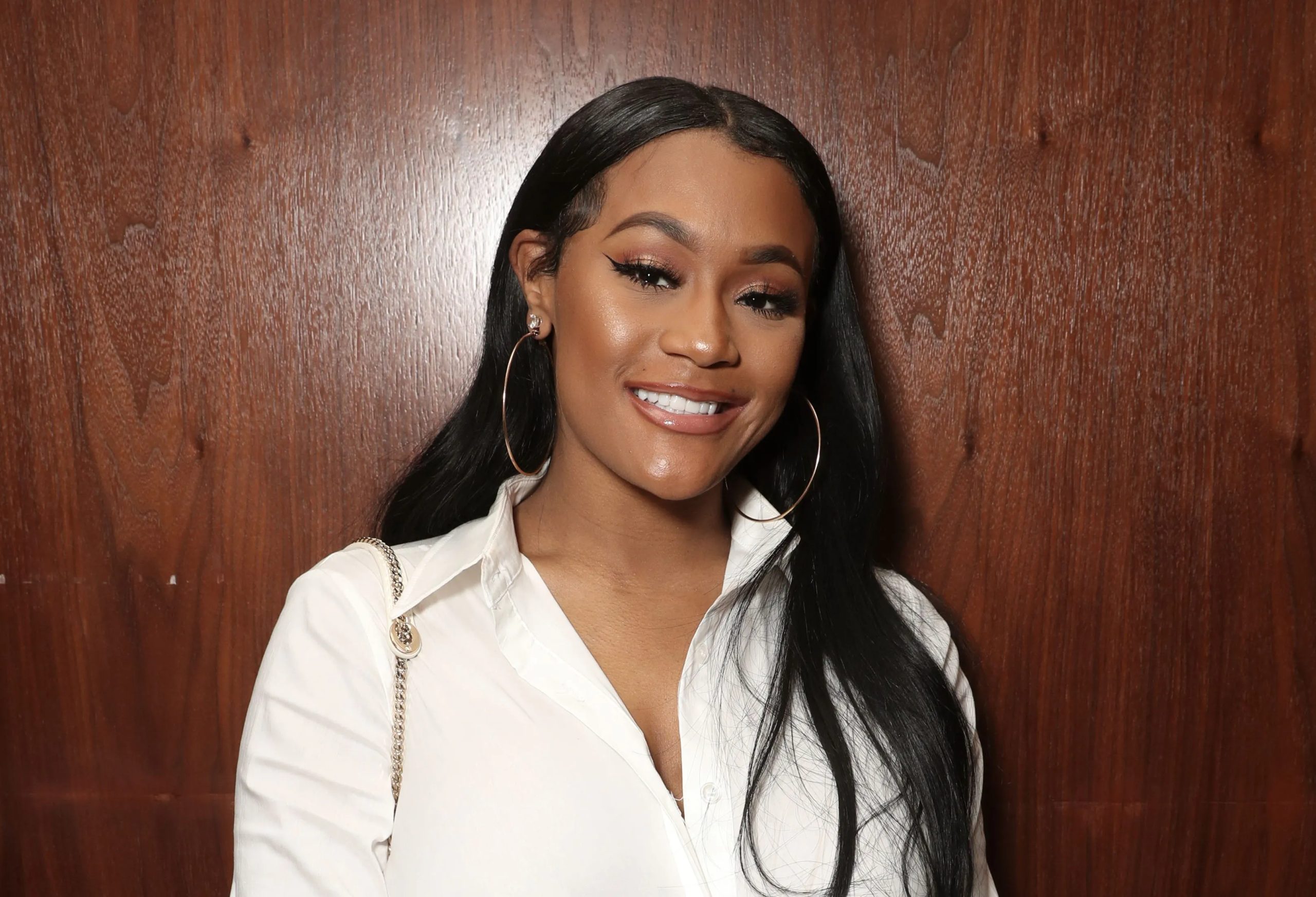
Roomies, Lira Galore has the internet doing double takes after she popped out for Miracle Watts and Tyler Lepley’s pre-wedding celebration with her mom. Fans couldn’t stop saying Lira definitely “gets it from her mama,” while others said her mom is aging like fine wine!
RELATED: Get It From Her Mama?! Yaya Mayweather Responds After Fan Jokes About Her Loyalty To Men
Lira Galore’s Pop Out With Her Mom Has Fans Doing Doubles Takes
Recently, Lira Galore and her mom had timelines buzzing this weekend after sharing videos from Miracle Watts and Tyler Lepley’s pre-wedding celebration. Lira took to her Instagram Story to show off Momma Galora, and chile, the internet immediately started joking and saying that her mom is the real baby because of her youthful glow. Lira shared clips from Miracle and Tyler’s all-white boat party, where her mom stunned in a white mini dress and Lira turned heads in an off-the-shoulder look.
The Internet Is Calling Lira’s Mom The REAL Showstopper
Once The Shade Room shared the clips of Lira and her mom, the comment section instantly filed up with heart-eyes and fire emojis. Fans couldn’t stop saying that Lira and her mom are twins, while others reminded everyone that Momma Galora has always been tea and her face card never declined!
Instagram user @candisgrace wrote, “Such a gorgeous Mommy & Daughter Duo 😍😍😍😍😍😍😍😍 Like Beyond !!”
Instagram user @carolinetania wrote, “Her mom always been Her ❤️”
While Instagram user @rell09 wrote, “Oh she definitely get it from her mama! 🔥”
Then Instagram user @saygrac3 wrote, “MUVA GALORE IS FINE FINE‼️🥰”
Another Instagram user @kea.wunofakind wrote, “Mz. Galore Been HER 🥵 IYKYK 💖”
Instagram user @triviamonroe wrote, “😍😍😍😍 How my daughters and I will be. (this gym going to get me right 🦾)”
Then another Instagram user @iambrooklyn_1 wrote, “The mama is the baby 😍”
While another Instagram user @ms._toya2u wrote, “Baby listen the 40 plus crew ain’t playing none!”
Finally, Instagram user @viewsfromindia_ wrote, “& her mommy BEEN fine since back in the dayssssssss. She not aging 😍😍😍😍😍”
Miracle Watts & Tyler Lepley Tie The Knot With Beautiful Wedding Ceremony
Lira Galore and her mom kept the looks coming after popping out for Miracle Watts and Tyler Lepley’s wedding celebration and ceremony. Lira gave fans a glimpse of the beautiful day on her Instagram Story, which reportedly went down in Los Cabos, Mexico on Saturday, July 25. Miracle and Tyler celebrated their love surrounded by their closest family and friends. Videos also showed the newlyweds sharing their first dance.
RELATED: Get It From Her Mama! Yung Miami & Her Mom Bring The Heat In New Clip & Fans Are Loving It (VIDEO)
What Do You Think Roomies?
Video games are the most successful medium in the world, and that is because they evoke a range of emotions and offer a variety of escapist fantasies. From the immersive Wild West in Red Dead Redemption 2 to the grand sense of adventure and wonder in The Legend of Zelda: Breath of the Wild, video games are versatile and engaging.
However, one feeling video games capture perfectly is dread, with some of the darkest stories coming from this medium. That is why this list will rank the ten darkest video games of all time based on aspects such as mature content, themes, imagery, narrative, originality, fan opinion, and overall quality. A good game is said to change someone, but these games will only do that in a bad way, traumatizing the players forever.
10
‘Inside’ (2016)

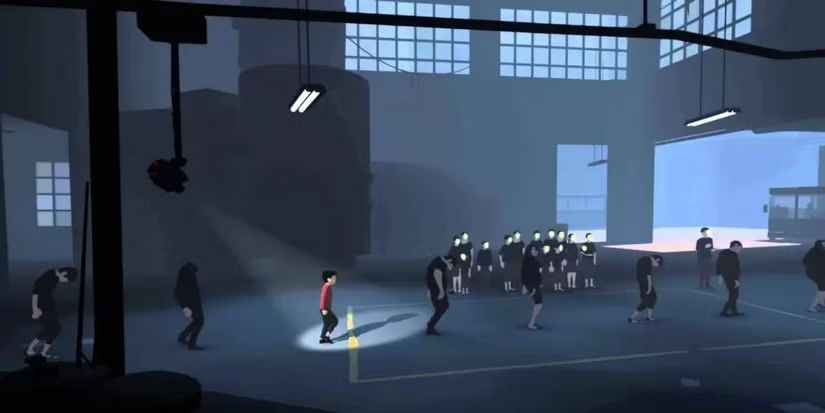
Playdead is an iconic game studio, but fans are still waiting for their next entry, especially since their last one, Inside, is one of the best indie games. When players escape a mysterious facility, they must make their way through the dark laboratory that seems to be experimenting on people. But more dangers await players the further they go into the facility.
Indie companies are usually the ones delivering the darkest games since major companies don’t want something so polarizing attached to their name. But Inside doesn’t care. This game is a masterclass in design, using its lighting as a tool to facilitate guidance. However, it proves to be a dark and eerie masterpiece through its eerie vibe and environmental storytelling.
9
‘Spec Ops: The Line’ (2012)

Shooter games are some of the most popular, but in the FPS genre lives Spec Ops: The Line, which doesn’t glorify war unlike many other games. Gamers play as Captain Martin Walker, the leader of a Delta Force trio who makes their way to Dubai to find a missing unit. However, what starts as a standard rescue mission devolves into a hallucinatory battle.
This anti-war video game uses its mechanics against the players, admonishing them for blindly following orders and getting themselves into trouble. Spec Ops: The Line has players committing a handful of war crimes and battle atrocities, bringing it to a profound discussion on PTSD and cognitive dissonance, proving why it is one of the best shooter video games.
8
‘This War of Mine’ (2014)

A lot of games use fictionalized historical events to accentuate the darkness, and one game that did this was This War of Mine. Inspired by the Siege of Sarajevo, players control a group of characters who must navigate the crossfire and scavenge for supplies in order to survive the depressing state of the city.
Sometimes the dark reality of the world is worse than what games can achieve, and This War of Mine played into that by making the real-life atrocities even bleaker. Gamers are forced to make tough survival decisions where they weigh the balance between survival and ethics. This forceful design makes players question themselves about what many people actually had to go through.
7
‘SOMA’ (2015)

Frictional Games is an incredible gaming studio with multiple classics, such as SOMA. After suffering a severe injury in a car crash, the protagonist, Simon Jarrett, decides to undergo an experimental brain scan. However, he wakes up a hundred years later in an underwater facility. Only he and biomechanical monstrosities are left, with him needing to descend deeper to find a digital utopia.
The biomechanical monsters are terrifying, and their tragic concept only adds to the overall sense of gloom. However, the true darkness of SOMA reveals itself through the suffocating sense of dread in the narrative and philosophical themes. This game takes a psychological toll on the players, building into a heavy weight of darkness when the credits roll, proving to be one of the scariest modern video games.
6
‘Pathologic’ (2005)

While there are a couple of sequels, nothing beats the original Pathologic and the darkness that players experienced. When a mysterious airborne plague ravages a small town, players take on the role of a doctor. Within 12 days, players must survive, learn about the town’s mysterious history, and find a cure for the plague; otherwise, everyone dies.
Pathologic is designed to intentionally be frustrating, creating a nearly impossible challenge that highlights the gravity of the situation. Gamers can’t save everyone, and those choices will weigh on their souls as they must decide what and who to prioritize. Pathologic emphasizes its darkness with its rigid rules and bleak world.
5
‘Silent Hill 2’ (2001)

The remake is just as good as the original, but it is hard to beat the classic in terms of darkness since it established the story. Silent Hill 2 follows James Sunderland, who travels to the titular town in order to learn the mystery behind a letter he got from his deceased wife. Desperate for answers, he continuously searches the decaying town while avoiding its monstrous inhabitants, including the horror icon, Pyramid Head.
Silent Hill 2 is arguably the best horror game of all time, focusing on an internal fright that possesses the most brilliant narrative in horror history. The environment and monsters are all manifestations of the protagonist’s subconscious and all his problems, proving the story is just as compelling as the gameplay. Silent Hill 2 is a masterpiece and has a bleak ending to boot. Known for delving into psychological terror and human trauma through its challenging gameplay, emotional worldbuilding, and heavy tone, it is no surprise that this is a dark game.
4
‘Manhunt’ (2003)

Rockstar Games is a prolific game studio best known for its works like Grand Theft Auto, which is violent, but is nothing compared to its darkest and least-known video game, Manhunt. While death row inmate James Earl Cash avoids the death penalty, he suddenly wakes up in a decaying city where he is forced to participate in snuff films by hunting down gang members.
It has mostly been debunked that video games cause violence, but if there was one game where that isn’t true, it might just be Manhunt. This game gets players as close to the gore as possible, creating a disturbingly intimate view of murder that will make anyone feel uneasy. By designing it so players are rewarded for more graphic kills, Manhunt is obscenely unsettling.
3
‘LISA: The Painful’ (2014)

2D games are often very expressive, but LISA: The Painful takes that to a very different place. When an apocalyptic event kills all the women in the world, a drug addict named Brad finds a baby girl. But when she is kidnapped, he fights through a world of desperate lunatics to get her back and save her.
Fans shouldn’t let the innocent 2D aesthetic fool them; this game is bleak beyond belief. LISA: The Painful forces players to make dark decisions that have serious repercussions. Whether they choose to sacrifice a party member or lose their own limbs, players are permanently affected, and that is just the beginning of a long and winding road of misery.
2
‘Fear & Hunger’ (2018)

Most of the games on this list are rather unknown, but one of the biggest cult classics featured is Fear & Hunger, which is critically acclaimed and has a dedicated fanbase. But that doesn’t mean anything for its quality, as players consider it one of the best survival horror RPGs. Players choose one of four characters who travel through an anachronistic dungeon in search of the mercenary leader.
Fear & Hunger doesn’t follow a dedicated story, but that allows players to experience the emergent darkness on their own, not knowing what awaits them in the depths. Each descent into the unknown is a new tale for players to craft as their decisions slowly build a messed-up scenario with worldbuilding implications and twisted discoveries. The eerie art style perfectly fits the vibe and tone of the game, not to mention the character designs and moments are next-level gruesome and dark.
1
‘I Have No Mouth, and I Must Scream’ (1995)

Based on Harlan Ellison‘s short story of the same name, I Have No Mouth, and I Must Scream expands on the story through a point-and-click adventure. Set during the Cold War, a sentient supercomputer wipes out all of humanity, only leaving a handful of survivors alive. He keeps them immortal to torment them out of his own spite for humanity.
It may not be the most influential video game ever, but I Have No Mouth, and I Must Scream is a cult classic that many fans love for its terrifying villain. This game features pretty much every dark theme fans can think of, combining them to create a game where survival is hopeless. Forced to confront their flaws, I Have No Mouth, and I Must Scream is a dark game that thrives on existential dread and powerlessness.
Entertainment
James Norton’s Netflix Crime Thriller Is So Good, It’s Already Been Renewed for Season 2

Steven Knight is renowned for his work on Peaky Blinders, but it’s not the only crime epic he has worked on. Knight has written several other shows and films that look at gangster enterprises throughout history, and in many ways House of Guinness is the culmination of his entire career. House of Guinness is based on the remarkable true story of the Guinness brewery, a family business that became a powerful empire in the 19th century, expanding throughout Ireland and into New York City. While it’s hard not to think about Peaky Blinders when seeing another dynamic historical thriller about a closely-knit family of morally dubious characters, House of Guinness also shares a lot in common with Succession because of its sharp, ruthless sibling dynamics. Given that the series has been renewed for Season 2, there’s no better time to watch one of the most purely entertaining shows Netflix has made in years.
House of Guinness takes place in the aftermath of the death of Sir Benjamin Guinness, who left his fortune to his children on the stipulation that they work together to maintain it. The Guinness siblings, consisting of Arthur (Anthony Boyle), Edward (Louis Partridge), Anna (Emily Fairn), and Benjamin II (Fionn O’Shea), are reluctant to take on their father’s legacy, but they’re aided in the transition by the family’s most loyal foreman, Sean Rafferty (James Norton). Even if a brewery might seem like a low-stakes MacGuffin compared to the life-and-death stakes in Peaky Blinders, it’s representative of generational wealth fiercely protected by a family targeted by enemies from across Europe. House of Guinness doesn’t sanitize a family history filled with debauchery, but it does put it into context during a dark period in European politics.
‘House of Guinness’ Is a Rousing Historical Epic
Peaky Blinders grew more epic in scale over time, but House of Guinness takes place on a massive stage, speeding through years of history to encapsulate the gravity of the Guinness company and its sphere of influence. While this could have been too overwhelming for a show to tackle so much material to begin with, that’s also part of the point that Knight is trying to make. The four Guinness children don’t understand the extent to which their decisions will impact the economy and society, and the process of handling their father’s duties is far more complicated than they initially imagined. While the feuds between the siblings are frequent and often quite funny, House of Guinness shows the importance of family loyalty to retain a legacy. The Guinness family name isn’t just one that represents business interests, but something that embodies a level of power that not even governments can topple.
House of Guinness has a fantastic ensemble cast, and the characters immediately feel like an actual family. Boyle is a fascinating actor whose performance as Arthur makes for a unique depiction of a gay character, especially for a historical drama; there are far too many instances of the outdated repressed gay man trope in media, but Arthur is a charismatic, intelligent leader within the family. On the flipside, O’Shea gives a remarkable breakthrough performance as Benjamin, who struggles with severe mental health issues that make him a target for rivals. The stigma against those who deal with anxiety and depression is heightened, given the lack of understanding within this era in history, and O’Shea delivers a truly heartbreaking performance that doesn’t reduce Benjamin to the totality of his symptoms.
‘House of Guinness’ Is Everything a Crime Drama Should Be
As is the case with his role on House of the Dragon, Norton is an absolute scene-stealer in House of Guinness because Rafferty is a commanding character who serves as the bridge between the lower class and the wealthy. Although he isn’t of noble birth and doesn’t seek power for himself, Rafferty is such a master of deception that he becomes an important ally to the family, one who represents a connection to their departed father. While Norton crafts an impenetrable persona, as Rafferty is both hilarious and quite intimidating, he offers a few hints about subtextual issues that will likely be explored further in Season 2. He’s not the only Westeros veteran who has a standout performance in House of Guinness; Jack Gleeson, best known for playing Prince Joffrey, has a great part as the much more likable character Byron Hedges, a distant cousin of the Guinness siblings who strategizes the brewery’s expansion into America.
House of Guinness is an old-fashioned, thrilling crime drama, but it doesn’t feel derivative of Knight’s previous work because the stylized, energetic approach is far different than that of Peaky Blinders. Rarely has a show been able to tackle such important issues as labor disputes, familial conflict, and economic suppression while also being so entertaining, using history to tell an engaging fictionalized account. There’s a tremendous amount of potential for the future of what House of Guinness could become, but the eight episodes that have already aired are nothing short of tremendous.
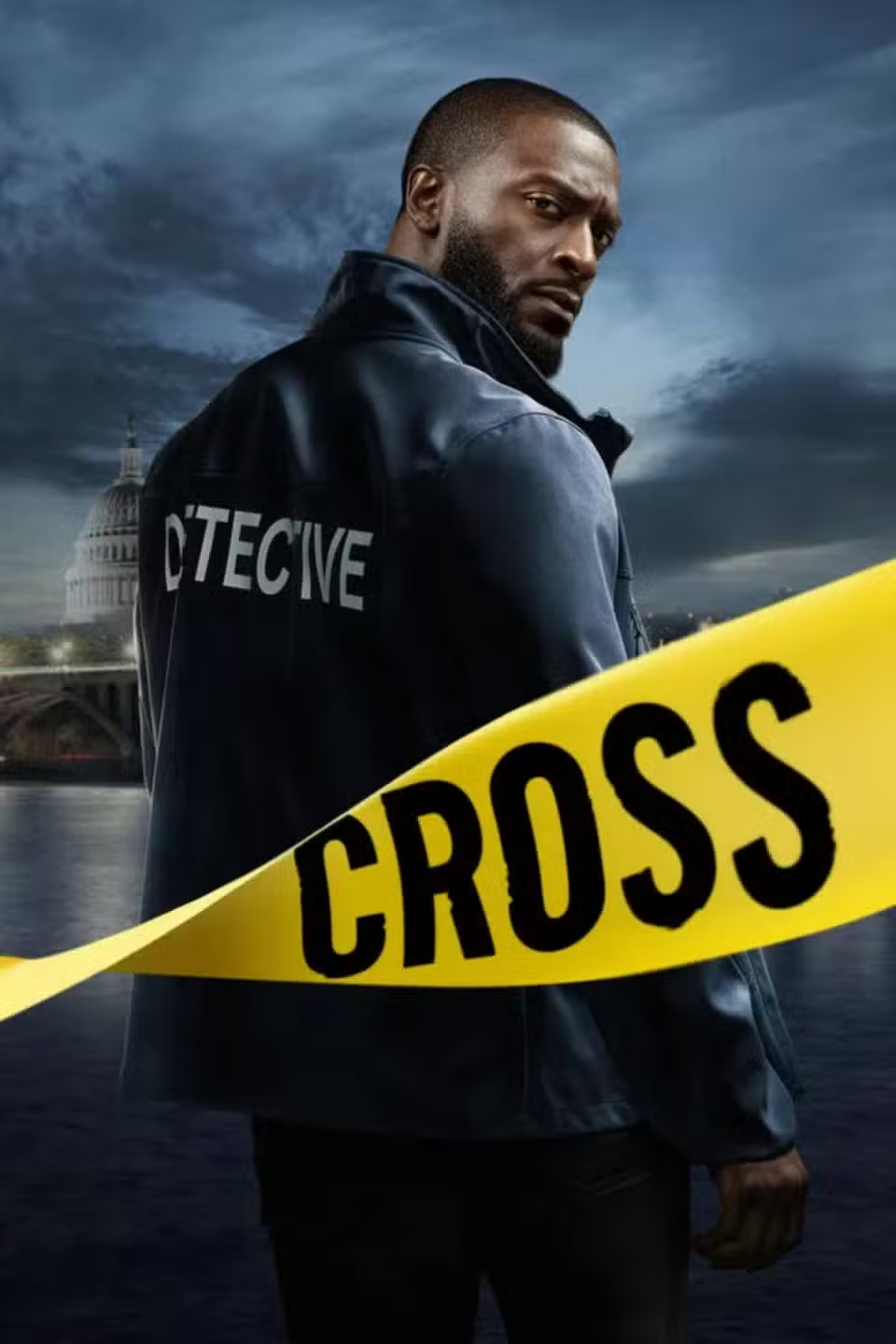
Paramount+ is known for being the home of Taylor Sheridan‘s Yellowstone universe, as well as many of his other best shows. Most recently, the tale of Rip (Cole Hauser) and Beth’s (Kelly Reilly) new life in South Texas in Dutton Ranch has dominated the Paramount+ charts, even scoring as high as third almost 20 days after its July 3 finale. The likes of Lioness and Landman also currently occupy the top ten, with other favorites finishing just outside in the latest ranks.
The most surprising current competition for Sheridan’s army of streaming favorites is a series most commonly associated with Prime Video, as one of the streamer’s most popular shows. Cross, the Aldis Hodge-led detective series, quickly became a favorite on Prime following its 2024 debut, reaching 40 million viewers globally in its first 20 days of release. That paved the way for a hotly anticipated second season, with the addition of Matthew Lillard in a key role, helping the show garner 613 million viewing minutes in its Season 2 premiere week.
Collider’s Nate Richard called Season 2 “entertainingly paced” in his official review and was particularly pleased with Hodge’s lead performance, commending his “unmatched charisma, vulnerabilities, and, of course, kick-ass stunt abilities” in every episode. Prime Video subscribers have known about the best of Cross for some time, and now it seems Paramount+ subscribers do too. According to FlixPatrol, Cross is one of the ten most-streamed shows on Prime Video in the U.S., at the time of writing, a list topped by UFC Fight Night, Criminal Minds, and Dutton Ranch.
When Does ‘Cross’ Return?
Expected to premiere on Prime Video in spring or early summer 2027, Cross Season 3 is sure to be even more unmissable than the previous two installments. Production on Season 3 began in April in Toronto, Canada, with eight episodes ordered. The cast is expanding once again, with the great Ron Perlman joining the cast as Herschel Zamora, a police officer who is referred to Dr. Cross for therapy. Isaiah Mustafa as John Sampson, Samantha Walkes as Elle Monteiro, Alona Tal as Kayla Craig, Johnny Ray Gill as Bobby Trey, and Juanita Jennings as Regina “Nana Mama” Cross are all also expected to return.
Cross is one of the ten most-streamed shows on Prime Video in the U.S. Stay tuned to Collider for the latest streaming stories.

- Release Date
-
November 14, 2024
- Network
-
Prime Video
- Directors
-
Craig Siebels, Nzingha Stewart
- Writers
-
Ben Watkins
- Franchise(s)
-
Alex Cross

Roommates, Baby Blue has folks online scratching their heads after dropping a message for Justin Combs and Christian Combs while Diddy continues to serve time in prison. Blue hasn’t shared what prompted the post, but the message has fans working overtime trying to connect the dots.
RELATED: Whew! Diddy Reportedly Placed In Solitary Confinement Following Alleged Fight With Inmate
Baby Blue Leaves Fans Curious After Sharing Message For Justin & Christian Combs
On Sunday, July 26, Baby Blue showed love to Justin Combs and Christian Combs with a heartfelt message. Blue shared a throwback clip on Instagram of Justin seemingly singing along to a Pretty Ricky song and said he wanted to send prayers to him and Christian while Diddy continues serving his prison sentence.
“This Sunday I wanna send a prayer up for @princejdc@kingcombs and the rest of Puff’s kids, family and friends. They’ve had to endure the trauma of separation from their father and learn how to cope without his physical presence,” Baby Blue wrote.
Blue added that he knows it can’t be easy for them to deal with their dad being away and wrapped up his message with “#FreeDiddy,” and said he hopes they will all be reunited soon. “I pray they’ll be reunited with him sooner than later. We all make mistakes. Forgiveness is apart of human nature. #FreeDiddy! We love you all and appreciate what you’ve done for the culture.”
Social Media Has Questions After Baby Blue Checks In On Diddy’s Sons
Once The Shade Room shared Baby Blue’s message, the Roommates flooded the comment section with reactions. Plenty of fans said the post caught them off guard, while others admitted the throwback clip of Justin had them confused.
Instagram user @detroit.kavi wrote, “Can we all collectively log off the internet for just one day?”
Instagram user @kaliyahrayeofficial wrote, “The song + the video + the message = 🥴 I’m confused Lool (let me continue to mind my business)”
While Instagram user @booniebookmark wrote, “This is weird energy 🥴”
Then Instagram user @kingjavintoyou wrote, “Now they about to cancel him .. bless his heart.”
Another Instagram user @tiiinkbookie wrote, “I mean well respectfully they daddy should’ve thought about them and all of that before hand……Diddy mind set was he thought he was never gone get caught….”
Instagram user @_toyamontana wrote, “What is happening 😂😂”
Then another Instagram user @kariastiara wrote, “I understand the message losing both parents but it’s the video taking it away for me.”
Instagram user @jusdaze wrote, “Forgiveness doesn’t erase accountability. Two things can be true at the same time.”
The Latest Update On Diddy
Speaking of Diddy, fans previously got a wild update about the music mogul while he continues serving time behind bars. As The Shade Room previously reported, officials recently placed the 56-year-old in solitary confinement at FCI Fort Dix in Trenton, New Jersey. Per TMZ, an inmate allegedly “dissed” Diddy, which reportedly sparked the altercation. The two men allegedly pushed each other before prison staff stepped in and broke up the fight, with sources claiming Diddy “held his own.”
RELATED: Spill It, Sis! Baby Blue’s Girlfriend Speaks Out After Fans Clock Her Ankle Monitor At Verzuz (PHOTOS + VIDEOS)
What Do You Think Roomies?

“The Secret Lives of Mormon Wives” star Whitney Leavitt recently revealed she’s returning to Broadway.
The reality star and mother of three recently concluded her run in “Chicago” on Broadway in early May 2026.
Whitney Leavitt’s announcement that she’s making a comeback to the Broadway stage comes amid the TV personality’s ongoing feud with her “SLOMW” co-star, Taylor Frankie Paul.
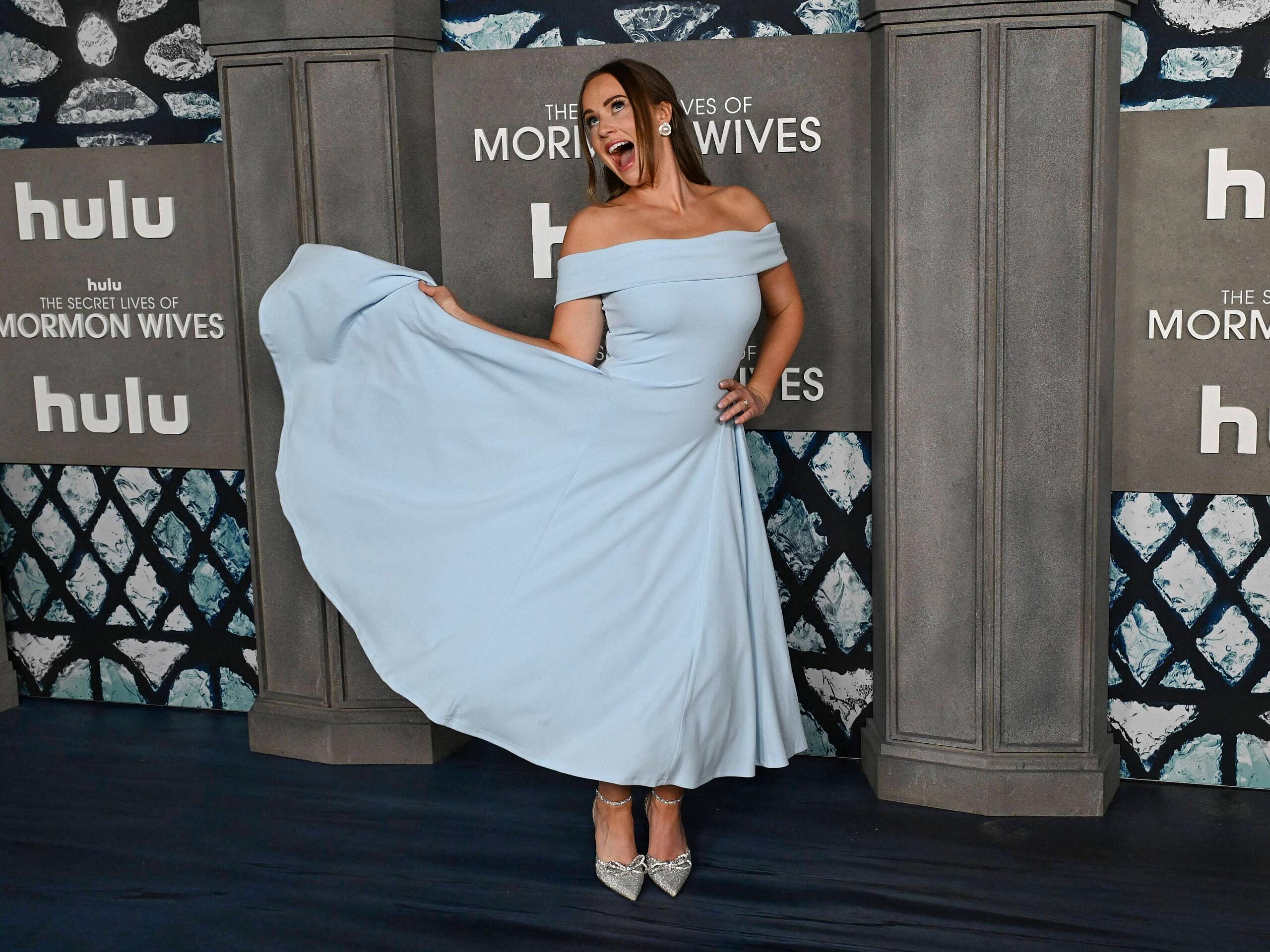
Leavitt has been rewarded with several opportunities since joining the cast of Hulu’s “The Secret Lives of Mormon Wives.”
In addition to “Dancing With the Stars,” the 33-year-old landed the lead role of Roxie Hart in the long-running Broadway musical “Chicago.”
Her limited run concluded in early May 2026, and just like that, her next role is right around the corner.
In a new Instagram Stories post, the Utah native informed her followers that she was making a comeback sooner rather than later.
“Your girl is gunna be back on Broadway soon,” she captioned a picture of her appearing to either sing or rehearse lines.
Whitney Leavitt Recalls Landing The Role Of Roxie Hart In ‘Chicago’
While Leavitt didn’t share details about which show she’ll be joining next, it’s certainly another major accomplishment in her ongoing list of career milestones.
Back in December 2025, Leavitt opened up about landing the role of Roxie Hart in “Chicago,” calling it a “surreal” moment.
According to Leavitt, she was thrilled after learning she’d been cast in the show, saying it was “everything that I’ve been manifesting” for some time. “Like, I can see it, and it’s there, and I’m reaching it, and I’m going after, and I’m just so grateful.”
She continued, “It just feels surreal. That’s the best word I can think of; just surreal.”
Whitney Leavitt Announced Her Departure From ‘The Secret Lives Of Mormon Wives’ While On Broadway

During her final show in “Chicago,” Leavitt also announced her departure from “The Secret Lives of Mormon Wives.”
At the time, Leavitt changed one of the lines her character was supposed to say during the show to reveal the big news.
“Oh, erm, what is that? Let me see. Whitney Leavitt announces she’s leaving The Secret Lives of Mormon Wives,” her character said on stage.
Leavitt, who had come and gone throughout “SLOMW’s” first five seasons, spoke about her departure in different interviews and said she felt “content” with walking away.
“It’s honestly so crazy to me looking back on this journey because I had been trying to get into theater and film way before Secret Lives even came into my life,” she said. “We have been through so much together, even more than what you’ve seen. We’ve had really big highs, really big lows and no matter what happens with our relationships like that is something that will always be a part of our life, will always be a part of my life and I wouldn’t change a thing.”
Leavitt Will Be Part Of ‘SLOMW’ Season 5

Leavitt said she was full of “gratitude” regarding her “SLOMW” exit and thanked the series for essentially changing her life overnight.
“I feel like this is a chapter that’s closing in my life and honestly, I believe that’s how it was always meant to be. I’m so grateful for ‘The Secret Lives of Mormon Wives.’ It’s got me where I am today. It’s given me the opportunities that you all have seen but I’m ready. I’m ready for the next chapter and I cannot wait to share with you guys what’s next,” she continued.
Despite her exit, Leavitt will be part of season 5, according to Us Weekly. “Just to be very clear, I am finishing season 5. So yes, I will be in that season. But also yes, it will be my last. It’s honestly so crazy to me looking back on this journey because I had been trying to get into theater and film way before Secret Lives even came into my life,” Leavitt clarified in a social media video.
Leavitt Is Feuding With Taylor Frankie Paul

While the storylines for season 5 haven’t been revealed yet, it appears Leavitt’s contentious relationship with Paul will be one of them. A previous report from The Blast reveals that the two reality stars may have bumped heads while filming after eagle-eyed fans spotted Leavitt unfollowed Paul on Instagram.
Paul clapped back at Leavitt, saying, “Good. Since she is ‘leaving’ for the 100th time, I’ll give my last words about her. I stuck up for her since the hospital video. I bet she doesn’t even recall that. The show I gave her grace against a whole cast MULTIPLE times.”
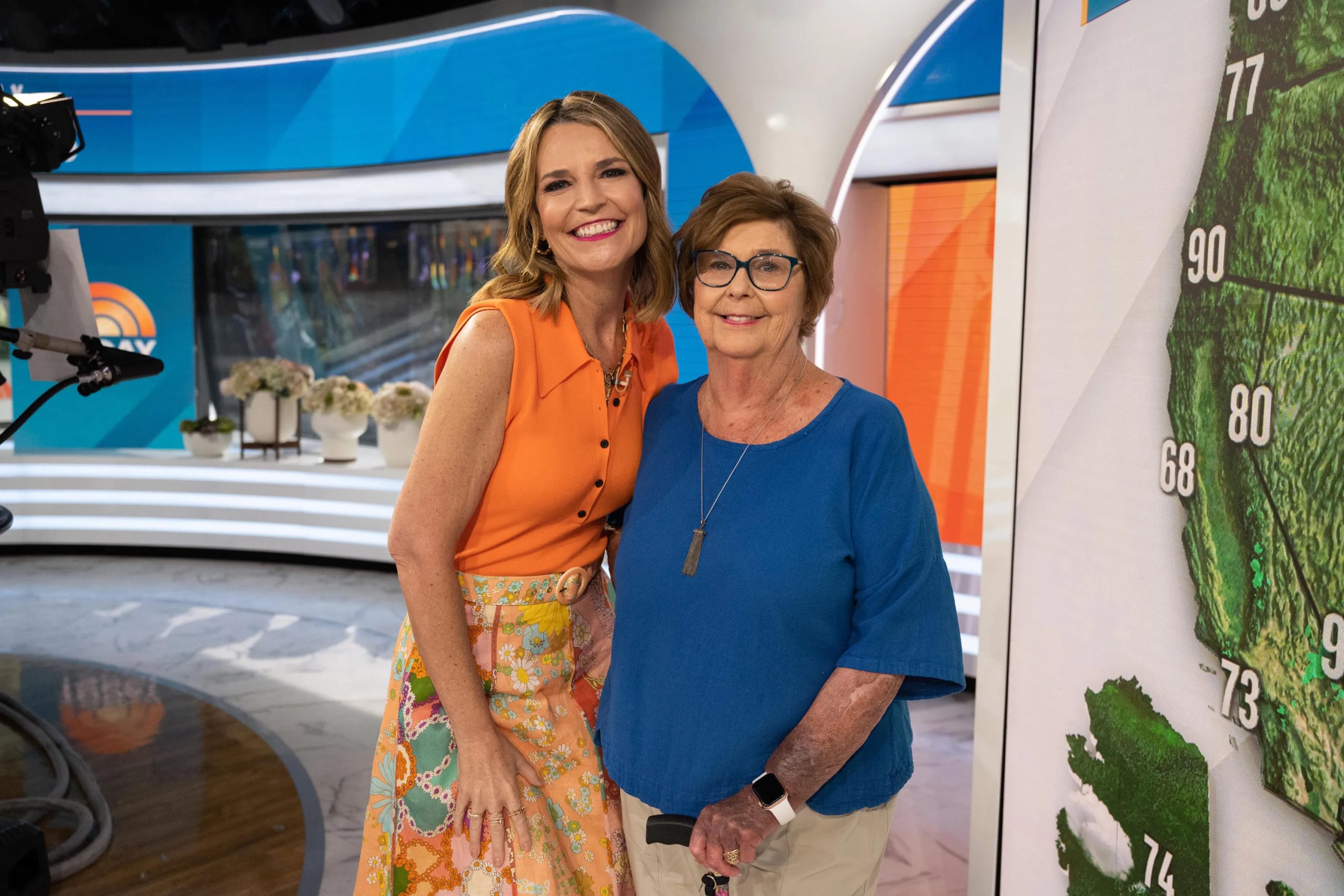
Roommates, new details surrounding Nancy Guthrie’s disappearance are coming to light, and the latest development has people talking. As investigators continue searching for answers, a newly revealed message allegedly sent to her family is shedding more insight into the frightening moments following her reported disappearance.
RELATED: Search Efforts Reportedly Underway As Anonymous Tip Poses Possible Location Of Nancy Guthrie
First Ransom Note Reveals Alleged Message To Savannah Guthrie
Nancy Guthrie has been missing since Jan. 31 after authorities say she was taken from her Tucson, Arizona home in the early morning hours. Investigators believe a masked individual seen in surveillance footage may have been involved, with the person appearing to tamper with her doorbell camera before she vanished.
According to crime journalist Briana Whitney, who discussed the case on the ‘Crime Junkie’ podcast with Ashley Flowers, the first ransom note allegedly sent to the Guthrie family was addressed directly to Savannah Guthrie. Whitney said the message began by telling Savannah, “We have your mother, Nancy,” and claimed that Nancy was “safe but scared” while being held for ransom.
“Hello Savannah. We have your mother Nancy. She is safe but scared. She will be held for ransom and once payment is received she will be released unharmed. We will be holding her for a maximum of 7 days,” the note said.
Chilling Alleged Ransom Note Reveals Payment Demands
The alleged note reportedly stated that Nancy would be held for a maximum of seven days and demanded payment in U.S. currency through bitcoin. According to Whitney, the sender requested $4 million in bitcoin by Thursday, Feb. 5, and warned that the amount would increase to $6 million by Monday, Feb. 9 if the first deadline was missed.
Whitney said the message also included a warning that Nancy’s life depended on the payment being made. The note allegedly stated, “Your mother is aware of this and her life is in your hands.” Moreover, it instructed the family not to contact law enforcement, negotiate, or “play games.” The sender reportedly claimed that Nancy would be released within 12 hours after payment was received at a safe drop-off location in Tucson.
“Once payment is received to the Bitcoin address below, she will be released within 12 hours of deposit to a safe drop off location back in Tucson,” the note claimed. “If the payment is not received by the last deadline on Monday the 9th at 5:00 p.m., she will be killed. Your mother is aware of this and her life is in your hands. It is in the best interest of everyone to have this completed as soon as possible. You will not be able to contact me from here on out. There will be no negotiation. Do not play games. Law enforcement will not be able to help you.”
Reported Home Details Raise More Questions
The alleged note also included details about Nancy’s home. Whitney added that the sender mentioned a white smartwatch near the foot of her bed. Additionally, it reportedly also mentioned a backyard floodlight that had been destroyed. However, Whitney noted that the FBI is still investigating whether the ransom note is legitimate. Authorities have not released additional information about the investigation. The Pima County Sheriff’s Department, which is leading the case, said it had no further updates at this time.
The report comes after a second ransom note was sent to the Guthrie family and media outlets. The details of such letter claimed that Nancy had died. Savannah Guthrie previously made an emotional plea for information, urging anyone who knows something about her mother’s disappearance to come forward. The search for answers continues as her family awaits more information.
RELATED: Savannah Guthrie Announces $1M Reward As Search For Missing Mom Nancy Guthrie Reaches 24 Days (VIDEO UPDATE)
What Do You Think Roomies?
Roommates, the woman at the center of Usher’s viral Nashville concert moment is letting the internet know she has a few things to say. After social media users shared their opinions about her appearance on stage with the R&B icon, the mystery woman hopped online to clap back at the commentary and defend how she handled the moment.
RELATED: U Got It Bad? Usher Kicks Fan Off Stage After Steamy Moment Takes Unexpected Turn At ‘R&B’ Tour (VIDEO)
Gabrielle Cheyenne Is Standing On Business About Her Viral Stage Moment With Usher
In a Facebook post, Gabrielle Cheyenne pushed back against claims that she didn’t want to be on stage, saying, “First off NOBODY is declining to go on stage.” She explained that she and her mother had floor seats before being moved to VIP ahead of the show and said they did not know what she would be brought on stage for. Cheyenne also questioned why viewers expected her to react a certain way, adding that the moment was an exciting opportunity and telling critics they were not used to experiences like that. Her mother also joined in on the conversation, sharing a photo of Cheyenne with Usher’s wife while showing support for her daughter amid the online reactions.
In a Facebook post, she wrote:
“First off NOBODY is declining to go on stage. I looked good… you thought I wasn’t gonna let THOUSANDS of people see me?? On the big screen, where you Will never be???? My mom and I had FLOOR SEATS. Their team approached us and moved us to VIP before the show even started !! PRETTY PRIVILEGES something you will never know about!! They don’t say what you’re going up there for!! Y’all wanted me to get up there and f**k him atp ?? CHATT FOLKS AREN’T USED TO ANYTHING. That’s the most exciting thing that would’ve happened in y’all little a** lives !! F**k yall, DISRESPECTFULLY”
The Roommates Clocked In Immediately
Fans wasted no time flooding The Shade Room’s Instagram comment section with their reactions, and the opinions were all over the place. Some joked that Gabrielle’s mom should’ve been the one on stage with Usher. While others claimed Gabrielle looked like she was waiting on Chris Brown instead. And, a few commenters felt she simply had a bad attitude throughout the viral moment.
One Instagram user @itsgontae said, “so basically she thought it was gone be CB 👀”
This Instagram user @therealdominiquej claimed, “It would’ve been better with no response lmao cause why she mad at us when she went up there and did nothing 😂😂😂”
And, Instagram user @missworkxo joked, “Lmao she laid back like the undertaker. 😂😂”
Meanwhile, Instagram user @starnelrichon commented, “Yea… somebody think they BIGGER THAN THE PROGRAM ”
While Instagram user @qveen.evvv added, “She should’ve let mama go up 😂😂😂”
Lastly, Instagram user @theylovequanquan wrote, “…Fashion Nova Text: Everybody has an awkward moment on stage, use code “USHER” for 20% off 🚨‼️”
Guess It Wasn’t Giving What Y’all Thought
The conversation comes after Usher’s Nissan Stadium performance in Nashville. Moreover, as shown in clips, Gabrielle was brought on stage during one of his signature sensual routines. Videos from the moment seemingly show her appearing uninterested while Usher performed. And, the singer eventually noticed the energy and ended the segment before sending her back to the crowd. Now, Gabrielle’s response has added another layer to the viral moment. Furthermore, she made it clear that her experience was different from the way some people online interpreted it.
RELATED: Caught In 4K! Usher And Dave Chappelle’s Unexpected Mid-Concert Moment Leaves Fans In Tears (VIDEO)
What Do You Think Roomies?

All-Ireland SFC final: What does it mean for Mayo to end 75 years of heartbreak?

Apple’s Smart Glasses Delayed, As Engineers Consider Privacy Concerns

MONEY SMP FINALE – THIS IS IT


-

 Fashion2 days ago
Weekend Open Thread: Brooks Brothers
-

 Crypto World6 days ago
Grayscale Files For Worldcoin ETF, WLD Registers Sharp Rise
-

 NewsBeat5 days ago
How a former Blue Peter presenter stunned America’s Got Talent judges
-

 Tech6 days ago
Sail Virtually Aboard The “Itanic” With IA-64 Emulator
-
 Tech6 days ago
Turtle Beach Command Series KB7 review: a nifty screen-equipped gaming keyboard
-

 NewsBeat7 days ago
Unregistered fitter used Gas Safe logo on business flyers
-
 Business5 days ago
New Jersey voter registration controversy explained: How 6,600 noncitizens got on the rolls, and what happens next
-
 Entertainment5 days ago
Johnny Depp’s R-Rated Gothic Cult Classic Gets New Release Ahead of Sydney Sweeney Remake
-

 Tech6 days ago
Watch Flock Safety CEO Garrett Langley discuss the future of surveillance at TechCrunch Disrupt 2026
-

 Crypto World4 days ago
Ethics, other provisions in crypto Clarity Act to be further discussed
-
 NewsBeat6 days ago
Shanghai science forum photos show China’s AI and robotics advances in rivalry with US
-

 Crypto World7 days ago
Circle’s President Sold Over 360,000 Shares, The Filings Explain Why
-

 Tech7 days ago
Subway Sandwich Computers Get a Second Life as Gaming Machines
-
 Sports4 hours ago
Commonwealth Games boxing: Jadumani Singh seals dominant 5-0 win over Pakistan’s Sumama Rehman to enter quarter-finals | Commonwealth Games News
-

 News Videos3 days ago
The Peugeot Family: How 200 Years of an “Old Money” Dynasty Died in A Boardroom
-

 Sports3 days ago
2026 3M Open leaderboard: Scottie Scheffler finds putter in Round 1, sits three back
-

 Fashion3 days ago
16 Dresses for the High Summer Event
-

 Entertainment7 days ago
Stephen Colbert Returns to Social Media After Late Show End
-

 Tech7 days ago
The 35 Best Board Games for Family Game Night
-

 Crypto World6 days ago
Andrew Cuomo joins OKX board as crypto exchange expands in U.S.
You must be logged in to post a comment Login