Entertainment
Deep Space Nine’ Such a Sharp Spin-Off

When Episode 22 of Star Trek: Deep Space Nine Season 7 arrives, the series is four episodes away from closing the figurative book on Star Trek‘s most artistically risky and exquisitely crafted piece of long-form storytelling to date. A major contributor to that success, franchise mainstay Ronald D. Moore, turns his screenwriting pen upon the audacious spin-off two more times during this home stretch — one of them being Episode 22, titled “Tacking into the Wind.”
Unsurprisingly, given Moore’s reputation for detailed worldbuilding and subversive emotional rawness, the episode exemplifies Deep Space Nine at its height: a crackling synergy of riveting sociopolitical weight, elite character growth, and cohesive narrative escalation. And it’s a simple-on-the-surface exchange from this episode, not one of the dozens of bracing quips or eloquent monologues from previous entries, that serves as a masterful microcosm of Deep Space Nine‘s lasting resonance.
Kira Nerys Challenges Damar During a Pivotal ‘Star Trek: Deep Space Nine’ Scene


The Dominion War, Deep Space Nine‘s crowning arc, boxes its exceedingly complex heroes into exceedingly complex internal conflicts. The forever honorable Captain Benjamin Sisko (Avery Brooks) realizes he can accept tarnishing his soul to defeat a ferocious enemy, while Bajoran ambassador Kira Nerys (Nana Visitor) educates her former oppressors in the same guerrilla warfare tactics she once deployed against them as a freedom fighter.
Her Cardassian pupils include Damar (Casey Biggs), a long-time foe turned begrudging ally who recently defected from Cardassia’s alliance with the Dominion. During “Tacking into the Wind,” the Dominion retaliates against Damar by assassinating his wife and son. Stunned into grieving stillness, Damar can’t fathom an empire insidious enough to wage war by thoughtlessly sacrificing “innocent women and children.” He wonders aloud, “What kind of people give those orders?” Kira, while compassionate about two lost lives, quietly responds by slicing him open with a blade of accountability: “Yeah, Damar. What kind of people give those orders?”
This moment wouldn’t carry as much profound significance without Deep Space Nine‘s multi-season interconnectivity. By this point, Kira has healed her mosaic of wounds without relinquishing her rage — nor should she surrender it. Raised during Cardassia’s decades-long occupation of Bajor, she knows firsthand the abject cruelty, the labor camps, the mass murders, the “I was following orders” rationalizations, and how to respond in kind via an insurgency. With immeasurable generational tragedy always humming underneath her skin, with a Cardassian military officer in close quarters, Kira turns both the irrevocable reality of war and Damar’s culpability back upon him.
‘Star Trek: Deep Space Nine’ Strengthens the Franchise’s Optimism by Testing Its Limits
Even though the Kira of Season 7 regrets striking a defenseless former enemy, her searing, point-blank wisdom unravels Damar into an ideological crisis. For many individuals whose proximity to power keeps them insulated from harm, it doesn’t matter when torment and subjugation befalls a stranger; brutality only becomes substantive once it arrives at their own doorstep. Now that Damar’s reeling from an atrocity identical to the ones for which he’s culpable — and now that he shares a sliver of the same pain the Bajorans have experienced countless times over — he recognizes the useless horror of it all.
All Damar can do against Kira’s words is nod in silent, bleak comprehension, then redirect his fury away from her toward the appropriate source. Even a season earlier, it would’ve been impossible to imagine this self-described loyal patriot reconciling with his own sins as well as those of his self-serving, stagnant, imperialist civilization — let alone act upon his realization that the poisonous old ways he once vowed to uphold must be shattered and remade. If the Cardassians keep chasing after conquest and glory, they won’t survive long enough to even attempt to atone for the bloodshed they’ve aided and abetted.


The premise is virtually identical to a highly popular 1983 miniseries.
Deep Space Nine fully realizes the franchise’s potential by expanding Trek’s progressive fundamentals to their breaking point. Like buffing a diamond into shining sharpness, testing the idea of a peaceful future by measuring the cost required to achieve it strengthens Trek’s optimism into a hope that’s more bittersweet, fragile, but worth cherishing all the more. By Deep Space Nine‘s finale, the series’ surviving characters find closure because trial-by-fire reassessments like Damar’s have forced them to abandon their initial prejudices, oversights, or naivety.
Although it’s been a bitter pill to swallow, their adjusted vision for the future doesn’t lack the franchise’s defining idealism; it’s stronger and clearer for acknowledging the cycles of violence and their answering inevitability: righteous resistance against war, corruption, and would-be tyrants. Some manner of change can always happen, however small — and maybe, just maybe, the ultimate change can finally take hold: human nature’s best virtues rising above their worst.

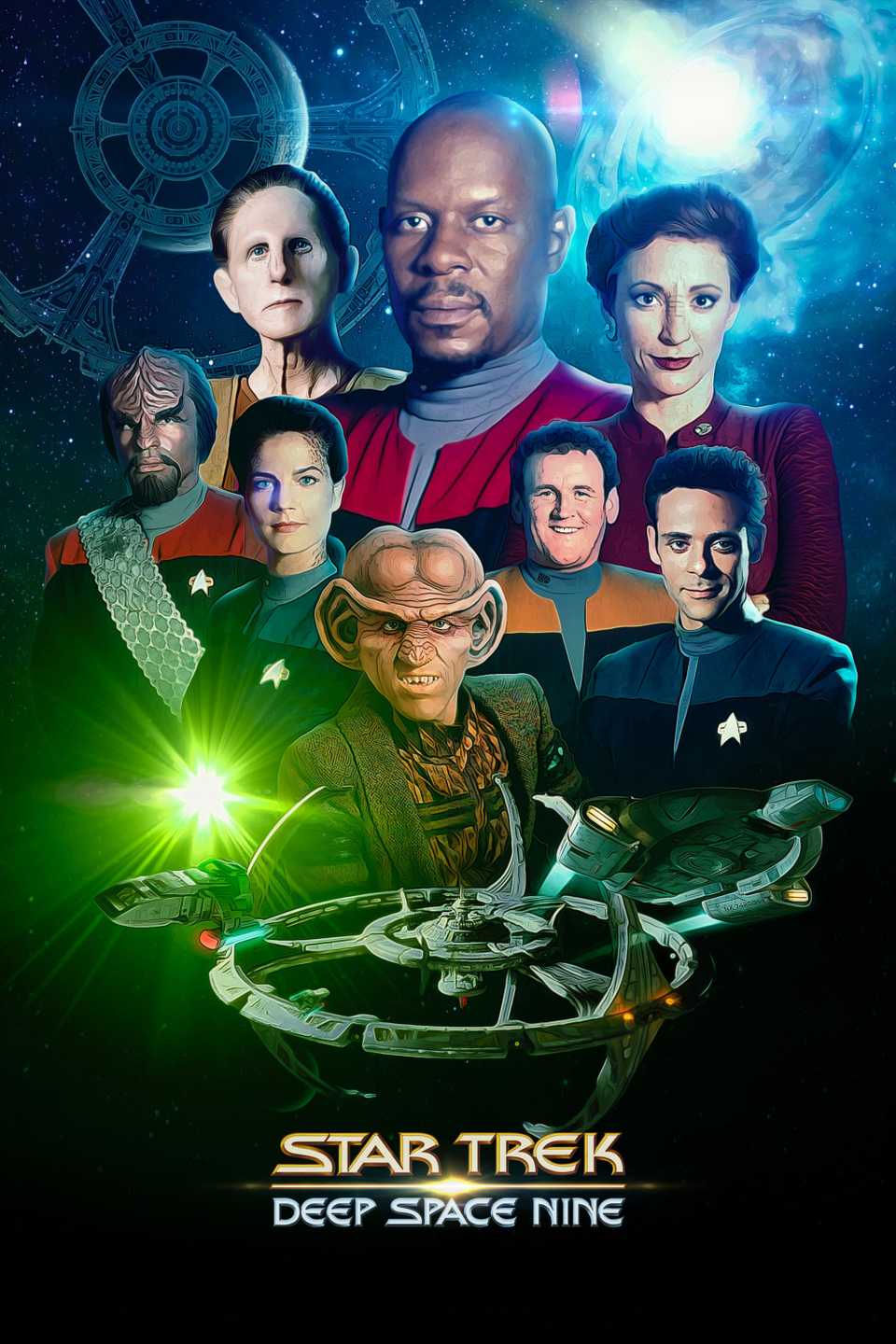
Star Trek: Deep Space Nine
- Release Date
-
1993 – 1999-00-00
- Showrunner
-
Michael Piller, Ira Steven Behr
- Writers
-
Rick Berman, Michael Piller
You must be logged in to post a comment Login