

Entertainment
Denzel Washington Action Thriller Is One Of The Best Of The 2010s

By Jason Collins
| Published

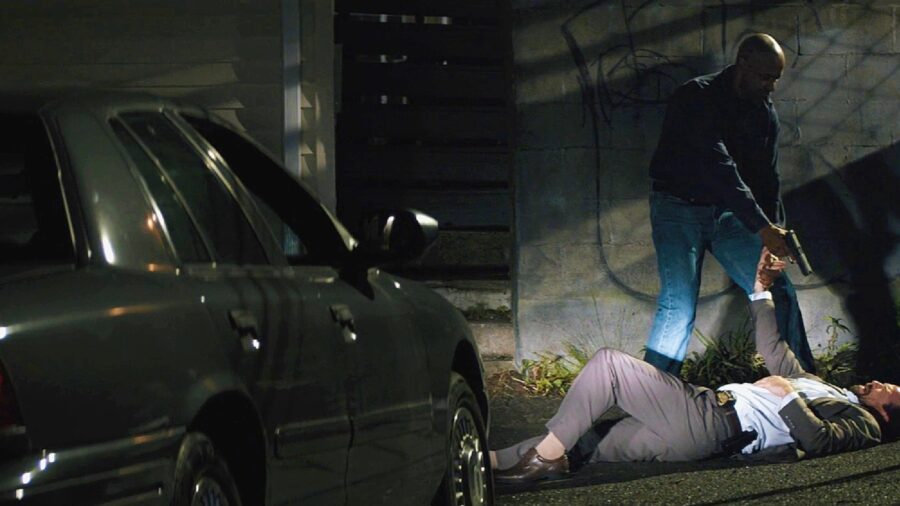
Some action movies come and go, while others stick around because they get the fundamentals right. Antoine Fuqua’s The Equalizer falls firmly into the latter category. Released in 2014, the film paired Fuqua with Denzel Washington for the first time since Training Day and launched one of the most consistent action franchises of the last decade. Over 10 years later, The Equalizer remains every bit as gripping, brutal, and satisfying as it was when it first hit theaters.
Denzel Launched A Franchise

The Equalizer is one of the defining action movies of the 2010s because it gave birth to two successful sequels and introduced audiences to one of Denzel Washington’s most memorable characters. The film follows Robert McCall, a retired U.S. Marine and former intelligence operative who lives a quiet life in Boston. By day, he works at a big-box home improvement store. By night, he spends his sleepless hours reading books at a local diner. Over time, he befriends Teri (Chloe Grace Moretz), a teenage sex worker who is being exploited by the Russian mob.
Denzel Is A Force Of Nature
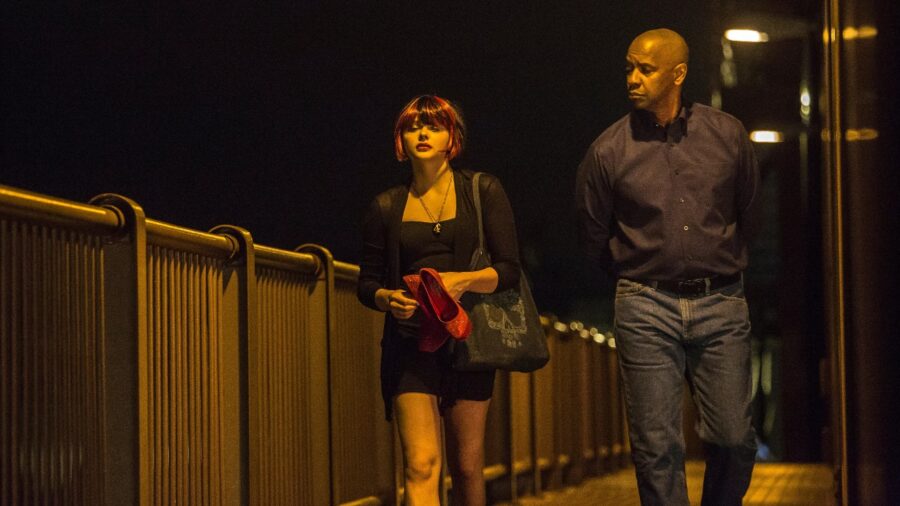
After Teri is brutally beaten and hospitalized by her Russian handlers, Robert decides he can no longer stand by and do nothing. He first attempts to resolve the situation peacefully by offering to buy her freedom. When her procurer, Slavi (David Meunier), refuses, Robert calmly locks the office doors, sizes up the room, assesses every available weapon, and shows exactly why he was feared in his previous life. What follows is one of the most memorable scenes in modern action cinema, establishing McCall as a force of nature who delivers justice on behalf of people who can’t protect themselves.
Everything Is A Weapon

Naturally, Robert’s actions attract the attention of some very dangerous people within the Russian mob, setting off a deadly chain of events that escalates throughout the film. One of The Equalizer’s greatest strengths is its creativity. While many action movies rely on flashy choreography and massive explosions, this film turns everyday objects into instruments of destruction. The violence is stylish, methodical, and often shockingly inventive, but beneath the action is a story about redemption, justice, and standing up against abuse and exploitation.
All Three Movies Are Fantastic
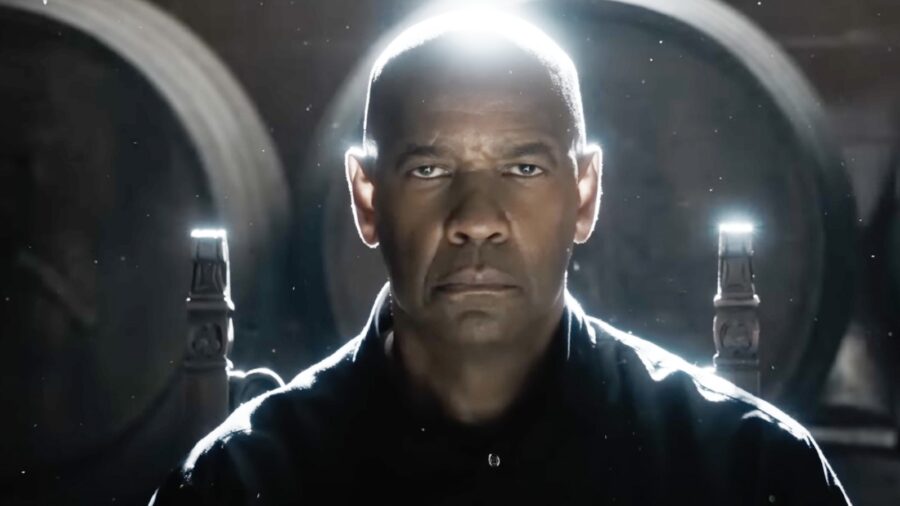
The Equalizer was a commercial success, earning more than $190 million worldwide against a budget reported to be between $55 million and $73 million. Its success paved the way for two sequels, both of which performed well with audiences and further expanded Robert McCall’s story. While fans may debate which installment is the strongest, all three films deliver exactly what viewers want from the franchise: Denzel Washington calmly dismantling criminals who underestimate him.
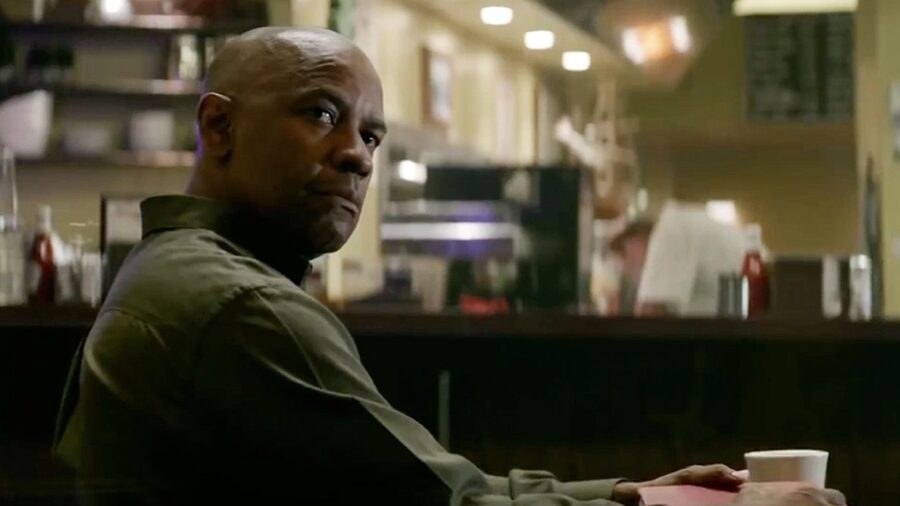
The Equalizer remains one of the strongest action films of its era, blending intense action with a compelling lead performance and a surprising amount of heart. If you’ve somehow missed Robert McCall’s first outing, now is the perfect time to fix that. The Equalizer is currently streaming for free on Tubi.

Continue Reading
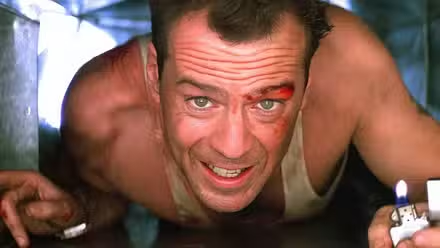
On paper, The Rock doesn’t necessarily sound like a movie we’d be celebrating 30 years later. Released in 1996, The Rock centers on a rogue Marine general (Ed Harris) who seizes control of Alcatraz with some of his men, threatening to attack San Francisco with chemical weapons unless compensation and proper honors are given to the families of soldiers who have died under his command. Nicolas Cage and Sean Connery play two of the people assigned to stop him — an FBI scientist and a British spy who has successfully escaped the notorious prison in the past, respectively. It’s a straightforward script that almost feels like Hollywood playing into its worst impulses. However, it is in the execution where The Rock really shines, creating something that stands alongside Terminator 2: Judgment Day, Heat, and The Matrix as one of the defining action movies of the modern blockbuster era.
It’s hard to say whether The Rock would as well as it does if not for the strong work by Cage, Connery, and Harris in the lead roles, but the three actors uplift this film above what one might think of it by reading just a plot summary. All together, it’s 1990s action film-making at its purest, with the cast fully embracing the cliché nature of the film’s plot, while also knowing when to focus on the moments that demand seriousness. By fusing these performances with stylized action, humor, and drama, The Rock feels timeless.
The Cast of ‘The Rock’ Elevates It Beyond a Clichéd Action Thriller
In The Rock, Cage portrays Dr. Stanley Goodspeed, a neurotic FBI biochemist who is brilliant in a lab but utterly hopeless when thrust into the field. Paired with Cage is Connery, who plays John Mason, a former British spy who has been locked up in prison for decades after being caught stealing US intelligence, and is the only man to ever break out of Alcatraz alive. They make for the perfect odd couple, with each bringing their own flair to the character that balances the other perfectly. Connery’s dry wit paired with Cage’s manic energy creates one of the most entertaining action duos of the decade. Even during quiet moments in between gunfire and explosions, the conversations remain engaging because these two actors are getting the best from one another, and you can feel it.
13 years after his last James Bond film, Connery is still channeling his iconic spy character, making even the most rudimentary exposition-laced dialogue into something more. He does this so well and with such charm that it’s led to some fan theories that the Mason character is actually James Bond himself. Meanwhile, Cage’s Stanley Goodspeed is anything but calm, cool and collected. Given that his expertise is in test tubes rather than guns, he panics, makes mistakes, and in contrast to Connery, spends much of the film simply trying to survive. Cage leans into his neuroses, and helps create a protagonist that we latch onto not just for his intelligence, but also because he is the audience surrogate.
On the flip side, there is Ed Harris’ General Francis X. Hummel. Harris portrays Hummel with a quiet dignity, rather than as a cartoonish villain, providing a nice counterbalance to Connery and Cage. Hummel’s circumstances are tragic and his goals noble, though his methods are indefensible. As a career soldier, one who has pulled the trigger and killed many times before, he does not relish violence. Rather, he is a product of his violence, and much of the film revolves around him being increasingly reluctant to carry out his threat. Harris’s brilliant portrayal of the film’s moral conflict is what sets The Rock apart and gives it an emotional complexity not seen in other movies of its genre.
‘The Rock’ Understands That Action Movies Should Be Fun

Despite the heavy thematic elements present throughout, The Rock knows that, at its heart, it is an action movie designed to see the good guys win and the bad guys lose. The screenplay never becomes a parody of itself, but it also never apologies for how absurd it is. For confirmation, one needs only look at Nicolas Cage launching one of the bad guys (portrayed brilliantly by the late Tony Todd) out a window using a missile while calling him “the Rocket Man.”
Its ultra-quotable dialogue makes the film endlessly re-watchable, and when paired with practical effects that still hold up even in the modern CGI era, The Rock sets the standard for what makes an action movie truly work. Even supporting characters are given memorable roles, helping to prop up the heroes and flesh out their characters.
As we honor The Rock‘s 30th anniversary, it remains one of the textbook examples of how to make an entertaining action movie that also has weight. In an era where more and more action movies begin to feel formulaic, The Rock understands that spectacle isn’t enough. Great action needs interesting heroes, villains, and crafty dialogue to make sure that the movies are elevated above the norm.

The Rock
- Release Date
-
June 7, 1996
- Runtime
-
137 minutes
- Writers
-
David Weisberg, Douglas S. Cook, Jonathan Hensleigh, Mark Rosner

The biggest names in sports took a time out from playing to celebrate the 2026 ESPY Awards — and there were plenty of A-list couples in attendance.
Host Marcello Hernández, best known for his work on Saturday Night Live, was among the first to arrive at David H. Koch Theater at Lincoln Center in New York City on Wednesday, July 15, to toast to the best in the business.
The comedian brought girlfriend Ana Amelia Batlle Cabral with him before emceeing the show for the first time.


Olympic snowboarder Chloe Kim and her NFL star boyfriend, Myles Garrett, meanwhile, brought the heat when they stepped out in the Big Apple before heading into the venue to see who would win big off the field.
Fellow Olympian Mikaela Shiffrin turned heads in all gold as she attended the event with fiancé Aleksander Aamodt Kilde.
Scroll down to see the hottest couples at the 2026 ESPYs:
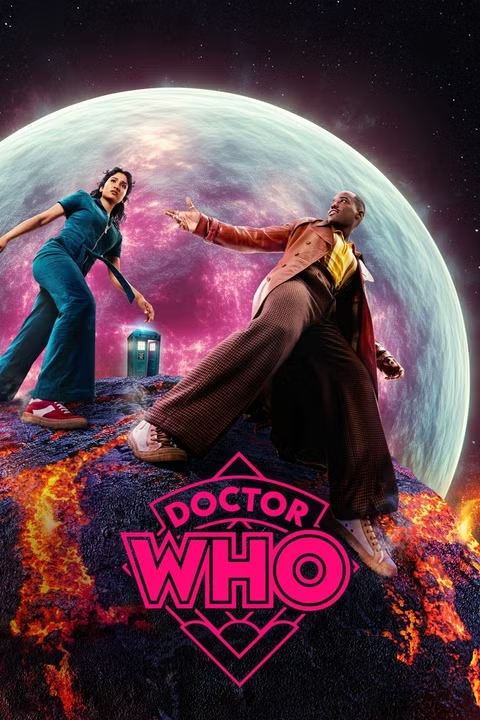
Although over a month has passed since the announcement was made, it seems that the pieces are still being picked up from the explosive news that Doctor Who had been put out to competitive tender. Despite the now-previous showrunner Russell T. Davies confirming that a Christmas special had been penned for 2026, and strong rumors that the hunt for a new titular Time Lord was underway, the rug was pulled from beneath Whovians’ feet when it was confirmed that not only was Doctor Who not going to return, but neither of those suggestions was true.
“This decision was not taken lightly, and we know it will be disappointing for fans,” read a statement from the BBC at the time of the announcement. “We are choosing to push forward to invest in the long-term future of the show, which ensures that when the TARDIS lands once more, it does so in all its glory.” The dust settling on this has allowed many to realize the benefits of the decision, especially following Davies’ disastrous second stint as showrunner, which included constant backlash, a lackluster partnership with Disney, and the strange early exit of star Ncuti Gatwa.
The time following the announcement has also allowed the incoming Director General of the BBC, Matt Brittin, to prepare his own statement on the show’s future, which was made all the more worrying when the former Google executive confirmed that the entire company would face major cuts under his tenure. “That’s a show that has regenerated multiple times in its 60-plus year history, and we’ll do so again,” Brittin said as the BBC published its annual report. “I think that’s one of the great things about the 100-year history of the BBC. We can do that, and we can creatively renew shows that people love, and we’ll be working hard on that right now.”
Russell T. Davies’ Post-‘Doctor Who’ Project Is Going Stateside
One man definitely looking to move on from the Doctor Who noise is Davies, who recently delivered his first post-Who project in the UK to great acclaim. Titled Tip Toe, the drama starring five-time Emmy winner Alan Cumming earned rave reviews from critics, being called “an urgent state-of-the-nation drama” by Radio Times. Later this year, U.S. fans will have the chance to catch Davies’ new series as it was confirmed recently that it will soon stream on Starz.
You can stream the most recent Doctor Who seasons on Disney+. Stay tuned to Collider for the latest updates.

- Release Date
-
2024 – 2025-00-00
- Network
-
BBC One
- Directors
-
Alex Pillai, Peter Hoar, Ben Chessell, Julie Anne Robinson, Jamie Donoughue, Amanda Brotchie, Dylan Holmes Williams
- Writers
-
Steven Moffat, Pete McTighe, Kate Herron, Inua Ellams, Juno Dawson
- Franchise(s)
-
Doctor Who / Whoniverse
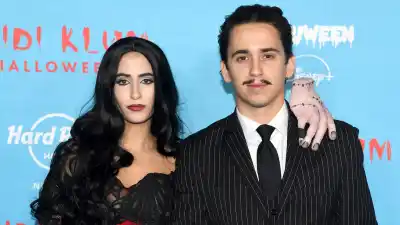
Marcello Hernández showed off his comedic chops while hosting the 2026 ESPY Awards — and nobody was safe from his jokes.
The Saturday Night Live star, 28, opened the Wednesday, July 15, ceremony — held at David H. Koch Theater in New York City’s Lincoln Center — with a good-natured monologue filled with sports-centric jokes. He started off by mocking Tiger Woods following the golfer’s recent DUI arrest in Florida.
“I want to congratulate Caleb Williams, the quarterback for the Chicago Bears, who will be on the cover of the new Madden video game,” Hernández began. “Congratulations to Caleb — and Tiger Woods will be on the cover of Grand Theft Auto.”
The comedian also used a reference to the New York Knicks’ recent NBA Championship win for a dig about Tar Heels coach Bill Belichick‘s 48-year age gap with girlfriend Jordon Hudson.

Marcello Hernández delivered insightful dating tips in his American Boy stand-up special on Netflix, which he’s likely putting into practice. “Women are very scary and they live a violent life behind-the-scenes,” Hernández joked in his 2025 Netflix special, referring to ladies getting waxed. “A woman getting ready to leave the house is one of the […]
“The Knicks won their first [NBA] championship since 1973. To put it into perspective how long ago that was, in 1973, hockey players didn’t wear helmets,” Hernández pointed out. “Basketball had no three-point line and, in 1973, Bill Belichick was the age his girlfriend [Jordon Hudson] is now.”
When he was met with a tense response, the comedian replied, “That’s where you all draw the line?”
Boxer and influencer Jake Paul was also zinged, with Hernández quipping, “I must say it’s an honor to be here among so many incredible athletes … and Jake Paul, Jake, that’s just a joke. Don’t fight me. My dad and my stepdad are here and they’re both over 50 and I know that’s how you like ‘em.”
He even took a shot at last year’s ESPYS host Shane Gillis, whose hosting stint was divisive with viewers.
“I want to shout out last year’s host, Shane Gillis, who is watching this show like a true American,” Hernández said. “On his couch, drinking a beer while a Hispanic guy does his job.”
Prior to Hernández’s monologue, the ESPYs ceremony opened with a musical performance of “Show Starts Now” by the Savannah Bananas.
In June, ESPN announced that Hernández would make his hosting debut at the 2026 ESPYs. (He was announced as the “first-time and therefore undefeated host” during Wednesday’s show.)
“I started doing comedy 10 years ago in Cleveland, Ohio, and I would take the train 12 hours to New York to sell comedy tickets on the street in Greenwich Village in exchange for stage time,” he said in a statement at the time. “It is an honor and frankly feels crazy to be hosting the ESPYs this year in New York. I’m sure the energy is going to be great.”
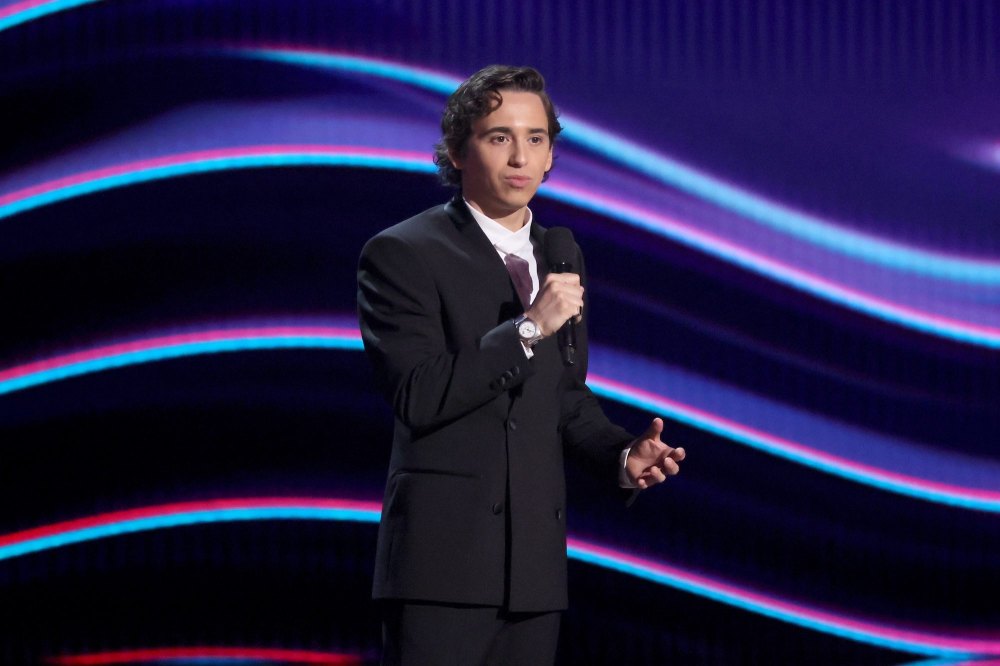
Marcello Hernández speaks onstage during the 2026 ESPY Awards. Mike Coppola/Getty Images
“Marcello is one of the most electric young comedians today. His genuine enthusiasm for sports and his ties to New York City make him a natural fit to host this year’s ESPYs,” added Craig Lazarus, ESPN vice president and ESPYs executive producer. “We are excited to partner with him to celebrate the best moments in sports and look forward to the fresh take he’ll bring to the show.”
Hernández’s sports background extends back to his days as a collegiate soccer player at John Carroll University in Ohio. He ultimately quit during his sophomore year to pursue comedy after attempting to juggle classes in the day and soccer practice and comedy clubs at night.
“I had to tell my team with tears in my eyes that I’m quitting,” he recalled in a USA Today interview earlier this month. “That drove me to work hard because I was like, ‘If I’m going to quit something that I’m kind of good at, I should get really good at this new thing.’”
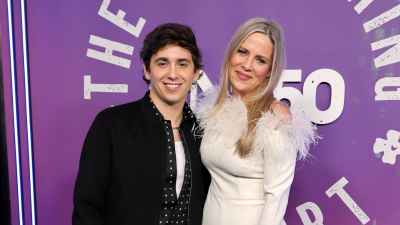
Marcello Hernandez’s parents are his muse. Hernandez was born and raised in Miami, Florida, by his mom, Isabel, and his stepdad. His mom and dad divorced soon after immigrating to America, but the Saturday Night Live star has remained close with both of them, as well as his stepfather. “I have two dads and a […]
According to Hernández, he’s “probably better now at comedy than I ever was at soccer.”
His decision to chase his comedy dreams paid off as he’s become a breakout star on Saturday Night Live since joining the NBC sketch series in 2022. Despite leaving soccer in his rearview, he recognizes the similarities between the sport and the iconic show.
“Soccer’s a full-time job because you’re taking care of your body and I think that SNL is a full-time job because of the schedule, but also you’re taking care of your mind, you’re trying to write stuff,” he said. “It’s a much more mental game than a physical game but pretty demanding for sure.”
This summer, Hernández has been enjoying the FIFA World Cup action. In June, he took in the Colombia vs. Portugal match in Miami with Matt Damon and John Leguizamo. Rather than stick strictly to sports talk, Hernández used the opportunity to pick Damon’s brain about acting.
“You’re next to Matt Damon for long enough that you’re like, ‘If I don’t say something, I’m an idiot,’” he recounted. “So I ask questions and I try to get some game from him. When I played soccer, if I was ever with somebody that was playing on a better team or older than me, you try to ask them questions.”
Us Weekly has affiliate partnerships. We receive compensation when you click on a link and make a purchase. Learn more!
Sofía Vergara spent her birthday looking like a yacht wife — probably because she was on a yacht and wearing the uniform, a chic red bikini that radiated sass. We found her summer look for only $20!
In an Instagram post, Vergara posed in a classic, sexy-yet-tasteful red bikini. It didn’t have sequins or dramatic details, but rather a simple silhouette and a tie front for style. She looked like she wandered off a Positano postcard, as do we when we wear her timeless swimsuit style.
Get the Rajputana Two-Piece Bikini Set for $20 at Amazon! Please note, prices are accurate at the date of publication but are subject to change.
This Rajputana Two-Piece Bikini Set nails the vibe, featuring the same triangle-top design, tie-front detail and adjustable straps for practicality. Removable padding is just a bonus.
The bottoms are high-cut and adjustable, which means you can dial in the coverage instead of wrestling with a fixed size. One five-star shopper wrote, “I’ve purchased many bikinis, but never have been as happy with the bottoms. These are perfect. Very flattering on the rear. I ordered almost every color.”
Another happy fan shared, “I have hip dips with a short torso and it’s really challenging to find a bathing suit that sits where/how I need it to while looking flattering . . . I packed 10 bathing suits for a six-day Hawaii trip and ended up only using this one the entire time.”
So no, you don’t need a yacht-wife budget to channel Vergara’s energy. Whether you’re vacationing abroad or sunning in a friend’s backyard, anywhere with a lounger and a cold drink will do.
With this celeb-approved bikini style in tow, all you have to do is show up.
Get the Rajputana Two-Piece Bikini Set for $20 at Amazon! Please note, prices are accurate at the date of publication but are subject to change.
Looking for something else? Explore more flattering swimsuits, and don’t forget to check out all of Amazon’s Daily Deals for more great finds!
UsNow Summer Sale Alert: These Chic Fashion Finds are over 30% off – Plus Free ShippingWelcome to summer with our biggest sale of the year. This summer’s chicest dresses, tops and swimsuits are all over 30% + free shipping. Inventory is limited so hurry before they’re gone. Shop the UsNow Summer Sale –>

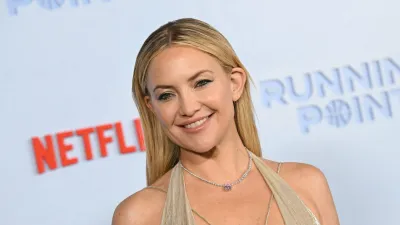
Kate Hudson is having the Greek summer of everyone’s dreams, and it starts with the right swimsuit. Instead of a frumpy one-piece, Hudson wore a sassy red bikini style that stuns on all ages, including after 40. And right now, you can get her look with this $26 swimsuit set on Amazon. In an Instagram […]
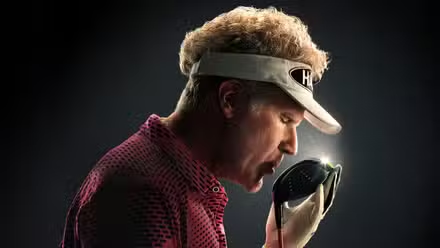
Some people only care about golf when someone in expensive plaid pants is losing his mind over a three-foot putt. That’s the whole appeal of the sport, really: rich men in tiny white gloves coming undone on a perfect green, one missed shot away from a full tantrum. The Hawk, Will Ferrell‘s first television comedy for Netflix, is built almost entirely around that kind of meltdown — and that alone is enough of a winning premise before Lonnie Hawkins ever tees off.
A bit of background on Ferrell’s latest meme-able disaster: Lonnie “The Hawk” Hawkins was the number one player in the world in 2004, a three-time major winner whose reputation has slid from legend to punchline. His body is telling him to retire. His heart insists he’s one stroke away from the greatest comeback golf has ever seen. One more major would complete his career Grand Slam, and Lonnie treats that long shot as something he’s owed by the universe. The series is created and executive produced by Ferrell alongside his Gloria Sanchez partners Jessica Elbaum and Alix Taylor, plus Rian Johnson and Ram Bergman‘s T-Street and a bench of others, with the PGA TOUR signed on as a partner. How a real sports organization agreed to attach its name to this guy is its own small mystery, but the result is Ferrell’s meanest creation yet, planted in a wildly uneven sports comedy that, thanks to its sharpest stretches, is still well worth the swing.
‘The Hawk’ Turns Will Ferrell Into Golf’s Biggest Jerk
The Hawk introduces Ferrell’s Lonnie mid-catastrophe, barreling toward a PGA stop in an absurdly oversized tour bus in a race against the clock that plays like cinema’s least dignified action scene. Within minutes, he’s cooing at a golf ball like some kind of phone sex operator and guzzling what is very obviously not water from a sports bottle. He maxes out his ex-wife’s credit cards and then won’t sign the divorce papers. He’s openly, pettily jealous of his own son. By the time the opening credits roll, the picture of him is clear: This is a man who cares about winning and, as far as we can tell, nothing else.
That single-mindedness is also the show’s way into golf itself, a sport it clearly finds both fascinating and ridiculous. The world Lonnie moves through is all corporate sponsorships, country-club snobbery, and grown men treating a bad round like a world-ending tragedy, and The Hawk is happy to let him be the ugliest thing in it. He’s not a fish out of water so much as the purest version of everyone around him, minus the manners. When the show trains its eye on that culture, on the branded tournaments and the polite cruelty of the people running them, it’s sharper than it is anywhere else.
The Hawk is clearly angling for the shelf that holds Ricky Bobby and Jackie Moon, but never quite reaches it, because it’s chasing a harder, sadder joke than either of those guys ever told. The reason Ricky Bobby worked, the reason Talladega Nights remains the high point of the Ferrell sports comedy universe, is that Ricky was a himbo. He was an earnest idiot too dense to realize he was torching his own life for a checkered flag, and that obliviousness kept everything light. Lonnie is also both an idiot and obsessed with winning, but the key difference is that he knows exactly what his obsession costs. He understands the price of every bad decision but just makes it anyway. That’s a bleaker setup, and a trickier one, because it asks you to keep laughing at a man who has run out of excuses. The son in question is Lance (Jimmy Tatro), golf’s designated golden boy and the living version of everything Lonnie can’t stand about the next generation.
Where Lonnie runs on liquor and Carrabba’s, Lance chugs creatine, cold-plunges his feelings, and meditates his way up the leaderboard. Tatro plays him like a walking wellness ad (with unacknowledged chaos simmering underneath), and the contempt running in both directions gives the show the bite it needs whenever the jokes start to sprawl. By the third episode, Lonnie has made the PGA cut and immediately blown an event, brawling with a bunker and nearly taking out an elderly spectator, while across the country Lance racks up win after win at a Charles Schwab event. The contrast of one Hawkins falling apart while the other climbs is The Hawk at its most pointed.
‘The Hawk’ Is at Its Best When Fortune Feimster and Molly Shannon Take Over
Lonnie’s one flicker of decency shows up as Sam (Fortune Feimster), a DIY mechanic he finds “fixing cars” in a Walmart parking lot and promptly hires as his new caddie, mostly because she tells him to eat a Milky Way every time he feels his blood pressure spike. The wary but genuine friendship between these two mismatched people is the closest The Hawk comes to a heart. Every scene they share makes the case for what this series could be if it trusted sincerity even half as much as it trusts a crass dick joke.
Molly Shannon, as Lonnie’s estranged wife Stacy, is the other reliable bright spot. Stacy has poured herself into launching a hard iced tea brand called Teed Off, and Shannon plays her as a woman who has decided every moment of her life, no matter how inappropriate, is a chance to move product. She turns opportunism into an art form, and she’s very funny doing it.
Is ‘The Hawk’ Worth Watching?

The trouble is that The Hawk keeps reaching for more than it can hold. There’s a whole rival subplot with Luke Wilson‘s Golden Fisk, the smug pro who has beaten Lonnie twice, plus Chris Parnell‘s tour board member, Katelyn Tarver‘s influencer fiancée, and David Hornsby as Stacy’s obviously gay new boyfriend, and the show piles on cameos and storylines faster than it can sustain any of them. The tone wobbles too, never quite landing on whether viewers are supposed to be appalled by Lonnie or rooting for him, which is a hard needle to thread, even with someone as charismatic as Ferrell filling his spiked golf shoes.
The Hawk doesn’t hit the giddy highs of Ferrell’s best sports comedies, and it’s missing the clean comic logic that made Talladega Nights so watchable, but when it’s fun, it’s really fun, and there’s a lot to be said for the fact that Ferrell, this deep into his career, still throws himself at a bit with zero regard for how he comes off. That level of commitment is truly impressive, and, when paired with the episodes’ half-hour runtime, it makes The Hawk easy to justify watching in the end.
The Hawk is now streaming on Netflix.
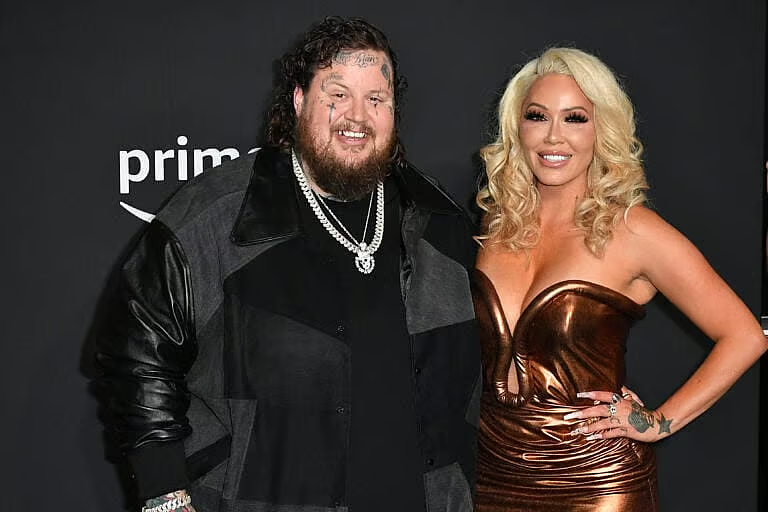
The headlines surrounding Jelly Roll and Bunnie XO’s split continue to evolve in unexpected ways.
Just when it seemed the former couple had laid everything bare about the end of their marriage, one of the biggest pieces of the story suddenly disappeared.
As Bunnie quietly removed the podcast episode in which she discussed their breakup, new details about the pair’s future plans, and a very public Fourth of July moment, revealed that the lines between moving on and moving forward together remain unexpectedly blurred.

Not long after confirming the end of their decade-long marriage, Bunnie XO surprised fans by deleting the emotional episode of her “Dumb Blonde” podcast that chronicled the breakup.
The episode had offered an unusually candid glimpse into the state of her relationship with Jelly Roll.
Rather than speaking bitterly about her estranged husband, Bunnie described the country star as her “best friend.”
She also revealed he had already started dating again and even disclosed that the pair still hoped to welcome a child together despite moving forward with their divorce.
According to one insider, the conflicting revelations showed the complicated reality of the relationship.
“It’s messy,” the source told the Daily Mail, adding, “Everything involving Bunnie is going to be messy right now but the kids are still happening.”
Jelly Roll And Bunnie XO Privately Revisited Their Breakup After Going Public

Bunnie later explained that removing the podcast wasn’t about money but about protecting one of the most painful periods of her life from living online forever.
In an episode of her podcast, she admitted she no longer wanted the episode to become a “permanent headline,” adding that had money been her motivation, she would have happily left it online to generate “another f-cking 100 grand.”
An insider, however, suggested there was another reason behind the decision.
According to the source, the episode had been recorded and released almost immediately after news of the divorce broke, before the pair had fully talked through everything behind closed doors.
“The podcast was honest and released hours after the public knew and maybe there wasn’t a lot of communication between the two of them,” the insider explained.
After eventually sitting down together, the insider claimed “things that were questioned were answered between them in private,” leaving parts of the conversation no longer representative of where they stood.
With fans dissecting every detail, the source added that the former couple decided “it was best if it’s just not there for them to look through.”
Jelly Roll And Bunnie XO Reportedly Haven’t Walked Away From Parenthood

Even as their marriage comes to an end, one shared dream reportedly remains unchanged. Sources say the duo are still committed to becoming parents through surrogacy after enduring an emotionally draining IVF journey together.
“As of right now, Jelly and Bunnie remain committed to expanding their family despite the long and emotional IVF journey they’ve been through,” another insider explained.
The source added, “After previously losing embryos, they’re hopeful the remaining embryos will lead to a successful pregnancy through their surrogate. They aren’t giving up even if their marriage is and will remain over.”
Before removing the podcast episode, Bunnie opened up about the couple’s difficult fertility experience, revealing they lost four embryos during nearly two years of IVF treatments.
In the June 18 episode of her “Dumb Blonde” podcast, she also disclosed that Jelly Roll underwent hormone treatments after learning he had a low sperm count, describing the emotional strain as one of the factors that gradually placed increasing pressure on their marriage.
Jelly Roll’s Estranged Wife Made Headlines Long Before The Podcast Vanished

While the deleted episode generated plenty of conversation online, Bunnie also attracted attention away from the microphone.
During Fourth of July celebrations, a video first obtained by TMZ showed the media personality inside Jelly Roll’s Goodnight Nashville bar sharing a passionate kiss with 24-year-old reality television personality Dylan Wolf.
The clip showed the pair passionately kissing beneath flashing blue lights before pausing to watch the fireworks together, with Wolf sitting close beside Bunnie as the celebration continued.
After the attention-grabbing sight, Bunnie and Wolf were later seen spending more time together with friends, fueling speculation that their chemistry extended beyond the holiday celebration.
Bunnie Says Jelly Roll Fully Supported Her Fourth Of July Kiss
Just days after her Fourth of July kiss with Wolf dominated headlines, Bunnie revealed that the person least bothered by the viral moment was her estranged husband.
Speaking on her podcast, the 46-year-old said Jelly Roll “gets it” and insisted the PDA was “not an issue at all” between them.
Bunnie explained that Goodnight Nashville still felt like home because the venue included her own dedicated space, adding, “I feel very safe there, I also feel very protected there. That’s our home.”
She also made it clear the kiss wasn’t the start of a new romance, saying, “I don’t want to date anyone. I am here for fun, baby,” before adding, “So what I got kissed under the f-cking fireworks? I hope I get kissed under f-cking 10 more fireworks shows.”
Despite their divorce, Bunnie emphasized that she and Jelly Roll remained close, calling him “my best friend.”

Influencer Laura Viktoria Härtig has died at age 30 following a head-on bicycle crash with Olympian Peter Runggaldier while on her honeymoon in Italy.
Härtig was involved in a serious crash while traveling through the Dolomite mountain range in northern Italy on June 23 when her bicycle collided with a motorcycle being driven uphill by Runggaldier, 57, per local media outlets. The incident occurred just two days after Härtig shared photos from her Italian wedding to husband Tilman via her Instagram account, captioning a June 21 post, “Soulmate for life.”
Local reports allege that the head-on collision was so intense that it split Härtig’s bicycle in half and sent her flying into the road. She was reportedly resuscitated at the scene by medics and then rushed away for immediate medical treatment.
The Mirror reported that Härtig was airlifted to a hospital in Bolzano but her family later had her moved to Bavaria, where she died on Sunday, July 12.
At the time, local police said via Facebook: “Road accident. This morning the force attended a road accident at Passo Sella, kilometer 32+400. A motorcycle and a bicycle were involved. Traffic was stuck for about an hour. Intervened in support of the Canazei VVF, the White Cross of Canazei, Trentino emergency and the helicopter services.”
Per the outlet, Runggaldier suffered serious fractures and abdominal injuries in the crash.
Us Weekly has reached out to Runggaldier for comment.
An investigation into the crash by the Trento Prosecutor’s Office remains ongoing, per The Mirror.
On Tuesday, Runggaldier broke his silence via Instagram to ask the public to respect his privacy while he heals.

Laura Viktoria Hartig Courtesy Instagram / Laura Viktoria Hartig
“Dear friends, in regard to the serious road accident in which I was involved, I ask you to respect my moment of pain and my need for confidentiality,” he wrote. “My thoughts go out to all the people involved and their families. I trust in your sensitivity and please understand that at this time I will not give any interviews or statements.”
Runggaldier is an accomplished alpine skier, having represented Italy at the 1994 Winter Olympics in Lillehammer, Norway, and again in Nagano, Japan, in 1998. He won the World Cup of Alpine Skiing twice, in 1995 in Whistler, Canada, and in 1996 in Hakuba, Japan.
Meanwhile, Härtig gained a social media following under the name “AllTimeLaura,” describing herself as an “outdoor enthusiast” who was passionate about “ski, hiking, climbing, cycling [and] mountains.”
“I just love to be outside,” she wrote via her Instagram bio.
On June 21, she shared footage from her wedding in northern Italy, where she exchanged vows with husband Tilman during an outdoor ceremony in front of an alpine mountain range.
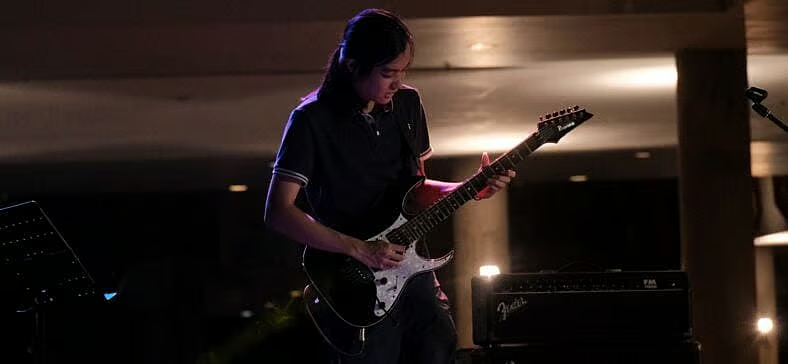
Before we get into anything else, there’s news. Los Angeles-based singer-songwriter and music producer Yichao Liu, who performs under the name YI, is releasing a new single called “Change,” a collaboration with American recording artist Ameera Perkins, who has toured as a backing vocalist for Lady Gaga and Carrie Underwood. YI produced the track and sings alongside her. The song also brought together Grammy-winning engineer Francis Buckley, Grammy-winning record producer Mark Prentice, elite drummer Dhruv Mittal, and award-winning mixing engineer Matty Harris.
We sat down with YI recently to talk about the song, and along the way, the conversation turned into something bigger: where he thinks pop music is headed, and why he believes “Change” is his answer to that question.
Born in Qinhuangdao, China, YI started on classical guitar at age seven. Within a year, he was performing locally, and by 2011 he’d won the KAWAI music contest in his hometown. He kept at it through his teens, eventually taking second prize in the Fingerstyle Group category at the 2019 Qingdao International Guitar Festival.
His path then took him to Thailand, where he studied jazz and classical guitar in college and joined the Thailand Philharmonic Orchestra as a choir member, performing under conductor Alfonso Scarano. He played jazz clubs around Bangkok, toured as guitarist for the bands Tea-quila and Haggai’s Boy, and in 2023 performed at the Thailand International Jazz Conference, one of Asia’s biggest jazz festivals.
That same year, he moved to Los Angeles to finish his degree at Musicians Institute, where he learned to arrange horns and strings and picked up serious production skills. His first real break as a producer came with “You Are Not the One,” recorded by American singer Leanna Baxter, which reached the semi-finals of the 2026 International Songwriting Competition.
More recently, YI stepped out from behind the boards to release music under his own name. His single “Set Me Free” hit number one on the Canadian iTunes pop chart and also charted in the UK. His follow-up, “In This Moment,” peaked at Canada’s iTunes pop chart number 3 as well. Besides his own release, his recent work also included “Heat Of The Moment” and “Feel Something” by American recording artist Ridge Dawson. Somewhere along the way, in between all of this, he started working on “Change”.

The Problem with Pop Right Now
YI has a theory about pop music, and he didn’t hold back when we asked about it. He pointed to how each decade seems to get tagged with its own sound: Y2K for the 2000s, new wave revival for the 2010s, and now, in the 2020s, what he calls the nostalgia era, where 80s synth sounds have made their way back into everything from Sabrina Carpenter to Bruno Mars to Djo.
“It’s not necessarily bad,” he told us, “but if we’re supposed to be moving forward, going backwards this hard doesn’t really take the sound anywhere new. A lot of what’s out right now could just be an 80s song. So why not just listen to the actual 80s song?”
He brought up the backlash artists like Dua Lipa and Ava Max have faced over interpolation and sampling controversies, not to criticize them personally, but as a symptom. “It shows that people are struggling to find something that hasn’t already happened,” he said.
His answer isn’t to reject the past. It’s to take it apart and rebuild something from the pieces. “You’re not copying one genre and hoping it sounds fresh. You’re breaking everything that’s ever happened in music into small blocks and picking the good ones. That’s where it gets interesting.”

Building ‘Change’
That idea is exactly what “Change” is built on. According to YI, the instrumentation leans into country textures, organs, piano, live drums, and a full string section, but then brings in saxophone with reverb and classic DX7 keys, the kind of tone you’d recognize from 80s radio. On the vocal side, he sings lead with a straightforward pop delivery, while Ameera’s vocals are double-stacked in a style that echoes early 2000s girl groups like Destiny’s Child.
“It’s not a tribute to any one era,” he explained. “It’s an experiment. That’s why it’s called ‘Change.’ Genres came from other genres. Jazz came out of classical music. R&B came out of jazz. Nobody called those copies, they were new things that people accepted. That’s what I’m trying to do here.”
He was just as deliberate about the lyrics. YI said he wanted to move away from what he sees as a trend of pop lyrics prioritizing catchy rhymes over actual meaning. “Change” is written for people trying to build a better life for themselves, encouraging them to hold onto hope and to find strength in numbers. “an individual power might seem weak,” he said. “but when we combine all the individual power together, we will be able to break through our dilemma and achieve our dreams, so never give up on what you believe, every hard-working person deserves a better life, and it will happen as long as you keep it up”.
What Ameera Says
Ameera Perkins, who worked with YI on production before this collaboration, said she’s glad to see him stepping into the spotlight as an artist in his own right.
“YI’s professionalism is at another level,” she told us. “He’s helped me with a lot of projects, and I was glad he was finally willing to get on stage himself. That’s part of why I invited him to sing with me. He did an amazing job, as always, with his songwriting and production.”
Grammy-winning producer Mark Prentice, who played bass on the track, echoed that sentiment about working with YI. “Yichao is a very deep musician,” he said. “It’s a genuine pleasure to work on his music.”

What’s Next
YI isn’t slowing down. Alongside longtime collaborator Francis Buckley, he’s already working on a new release that brings in Grammy-nominated songwriter and producer Leah Haywood and RIAA Gold-certified producer John Ho.
For now, though, “Change” is the focus, both as a song and as a statement. Whether or not it becomes the sound that defines the next decade of pop, YI seems less concerned with being first and more interested in being part of the conversation.
“I don’t need to be the one who starts the next trend,” he said. “I just want to help figure out where it’s going.”
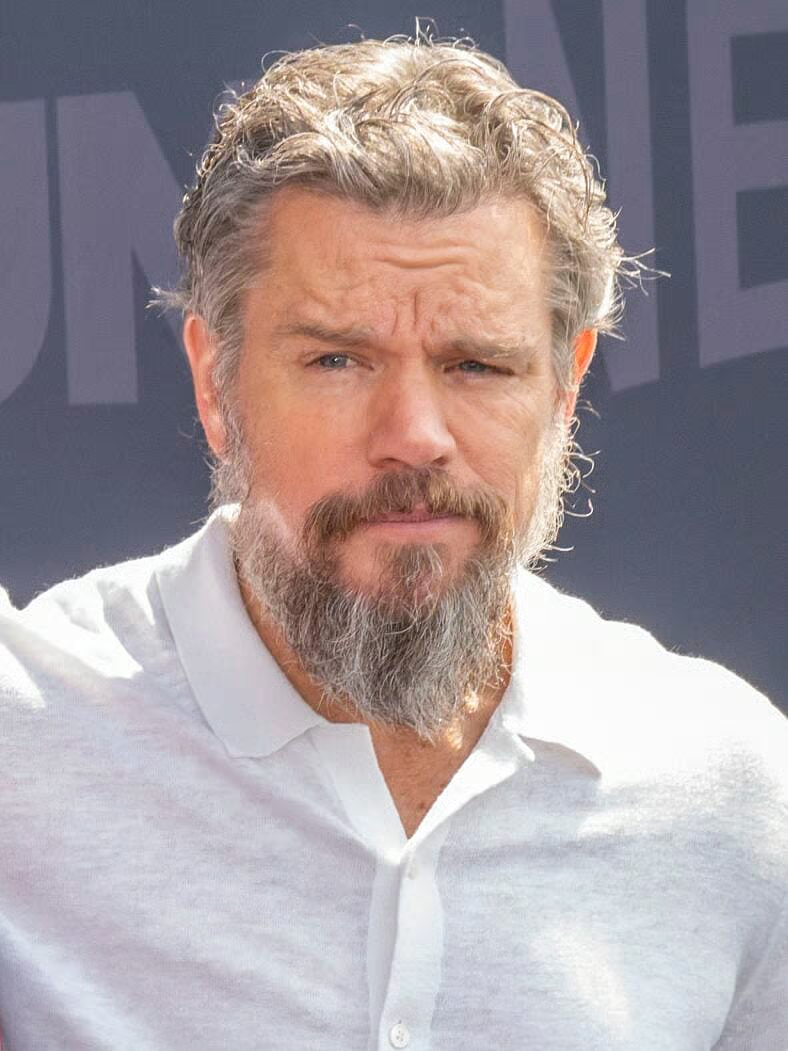
Matt Damon is willing to take the risk for viewers’ entertainment, but only to a point!
The actor is sharing his experiences on the set of “The Odyssey” and how physically demanding it was for him, although he does not see himself going that far anymore.
Matt Damon is featured alongside several Hollywood talents, including Zendaya, Tom Holland, and Anne Hathaway, in Christopher Nolan’s latest flick.

The media personality noted that to achieve excellence for his character, he had to drop a whopping 167 pounds. According to Damon, the change did not happen in an unhealthy way, and if he had actually put on 167 pounds for a movie role, it would have had a different outcome. In his words:
“I think if I had done the opposite and put weight on, that would have been dangerous, and it’s not something I’ll do anymore. I was happy to do it earlier in my life.”
The actor added that he also had to cut out gluten, get really fit, and change his diet and lifestyle. Damon explained to PEOPLE in the exclusive interview that intentionality played a huge role in achieving his goals for the character Odysseus, who said off for 20 years to return to his wife.
Luckily for the actor, everyone on the set of “The Odyssey” positively inspired him every day while they shot movies on various locations across Iceland, Scotland, Greece, Italy and Morocco.
The Actor’s Rating Of His New Movie On A Scale Of Ten

Damon did not mince words in expressing how much the movie challenged him in ways he had never been before. The actor recalled those involved completely “maxing out and straining against what they thought was possible.”
He stressed that shooting the movie felt more like an expedition than a movie because everybody went through similar experiences and it felt like a family on that set.
Despite the hectic conditions on set, the actor recalled an immense sense of pride at the end of long shooting periods and taking consolation in the beautiful result during the period of rest.
Damon got the verdict that crowned it all, and that was from his daughter who turned to him after watching “The Odyssey” on the TV screen, lauding him for a job well done.
Matt Damon Reflected On One Of His Biggest Hollywood Mistakes

Three years ago, The Blast shared that the actor opened up about feeling intense regret during an interview about “Avatar.” In the sit-down discussion with “Avatar” star Zoe Saldana, Damon expressed regret over his decision to turn down a role in the 2009 installment of the franchise.
Damon then praised the actress for amassing a $2 billion box-office career, as he revealed that he had turned down a role in “Avatar” to gross $673 million at the box office for “Interstellar.” Saldana’s archive with the franchise includes the original “Avatar,” its sequel, “Avatar: The Way of Water,” and Avengers films like “Infinity War” and “Endgame.”
The actor added that he would earn $250 million for the role of Jake Sully, which was eventually played by Sam Worthington. While Damon mourned his decision to reject the offer, Saldana assured him that his personality and experience could not be maligned.
The ‘Ocean’s Eleven’ Actor Once Stepped Away From Hollywood

Damon, during his interview with The Talks, revealed that he stepped back from the busy life of Hollywood after his father died in 2016. He moved back to Boston in September 2016, losing his dad in December the same year, leading him to take that year and 2017 off.
After doing five movies back to back “The Martian,” “Jason Bourne,” “The Great Wall,” “Suburbicon,” and “Downsizing,” he promised his family he would take the year off and ended up spending it with his father in the hospital. On his return two years later, Damon concluded that the movie business had indeed changed from what it had been 20 years earlier.
With the phasing out of the DVD market, he stated that it has cut the business in half, leading to the extinction of those genres of movies. Despite stepping away from the scene for a bit, Damon asserted that filmmaking still has his heart because it appeals to the impulse to tell people stories.
The actor confirmed that art is the best way to tell each other stories, and it will always remain his preferred way to communicate with the world. He continued by saying that he can see directing in his future and may even diversify into writing more in the next decade.
How Matt Damon’s Wife Got Him Back On Track During A Depression Episode

During a press round for “Oppenheimer,” the actor admitted that he had been in his feelings for a long time after a previous movie turned out differently from what he had pictured. Damon recalled slipping into depression halfway through production and kept battling with the guilt of inconveniencing his family.
Luckily for Damon, his wife saw a different perspective on how he was feeling, and urged him to give it absolutely everything he had, even when it seemed like a lost mission. Damon was reportedly referring to “The Great Wall,” which recouped only $50 million of its $150 million production budget in the United States.
As for his “Oppenheimer” feature, the movie grossed $976 million worldwide, making it the third highest-grossing film of 2023. It made $311.2 million domestically and $542.8 million at the international box office.

Politics17 seconds ago
After beating England, Messi sets five new World Cup records

Sports51 seconds ago
Craig Gordon: Hearts, Celtic, Sunderland and Scotland goalkeeping great announces retirement

Tech2 minutes ago
How to teach an old Intel Mac new tricks with OpenCore Legacy Patcher


-

 Fashion7 days ago
Loro Piana Fall 2026 Enters Houston’s Art Scene
-

 Fashion5 days ago
Weekend Open Thread: Nutriplenish Leave-In Conditioner
-
 Sports7 days ago
2026 Genesis Scottish Open Thursday TV coverage: Round 1
-

 Sports6 days ago
Super Eagles star Moses Simon opens up on Liverpool transfer regret
-

 Tech7 days ago
Character.AI enters the microdrama arena with its own productions, but there’s a twist
-

 Politics21 hours ago
Young campaigners urge incoming PM to act on outdoor junk food ads
-

 News Videos2 days ago
XRP BOMBSHELL… XRP OMBOARDED FOR TRANSACTIONS!!!
-

 Tech2 days ago
Get Your ESP32 Sunny Side Up With This Solar Dev Board
-

 Tech2 days ago
Dark Secrets Emerge When Jailbreaking LLMs
-
 Sports12 hours ago
New Cornerback Enters Vikings Trade Rumor Mill
-
 Entertainment16 hours ago
Disney’s Most Ambitious Failed Star Wars Attraction Is Coming to SDCC
-

 Tech7 days ago
Level Infinite Launches Gangstar Mirage City in India with Pre-Registrations
-
 NewsBeat7 days ago
Major update after Huntingdon train attack as man enters plea
-

 News Videos3 days ago
how to make coin bank box with cardboard #scienceproject #money #diy #shorts
-
 Tech3 days ago
Cloudflare Precursor Watches Your Mouse and Keyboard To Decide If You Are Human
-
 Entertainment15 hours ago
Vicki Gunvalson Defends Discussing Heather Dubrow’s Money
-
Crypto World2 days ago
Ripple, Coinbase, Circle Join Linux x402 Foundation to Help Shape AI Payments
-

 NewsBeat12 hours ago
Watch: Is Donald Trump facing a popular backlash on immigration?
-
 Sports10 hours ago
Michigan officials not expected to discuss AD Warde Manuel at Thursday meeting
-
 NewsBeat11 hours ago
Firefighters issue update on Dovestone moorland blaze as fire enters fourth day
You must be logged in to post a comment Login