Entertainment
Every Character Design in Netflix’s ‘Swapped,’ Ranked

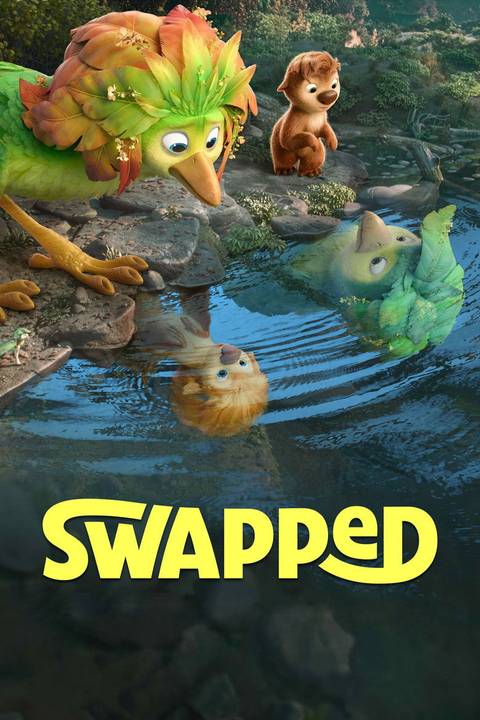
Swapped is the newest animated Netflix film, courtesy of Skydance Animation. It is the first Skydance film not to have a human protagonist, instead following Ollie (Michael B. Jordan), a furry mammalian creature called pookoo, who, in his attempt to save his family from starvation, touches a magic pod that turns him into a bird-like Javan. He reluctantly teams up with another Javan named Ivy (Juno Temple) to find another pod, which leads both of them on a journey of different perspectives that can, hopefully, improve trust and communication between the creatures of their valley.
The film’s biggest strengths come from its creative worldbuilding and fantastic animation. Both can be seen in the numerous creatures of the valley, all of whom boast unique designs that give them a distinct personality and identity that feels both natural and alien. Of course, some of Swapped‘s creatures are naturally more creative than others, be it in design or how they are used in the narrative.
10
Root Snakes

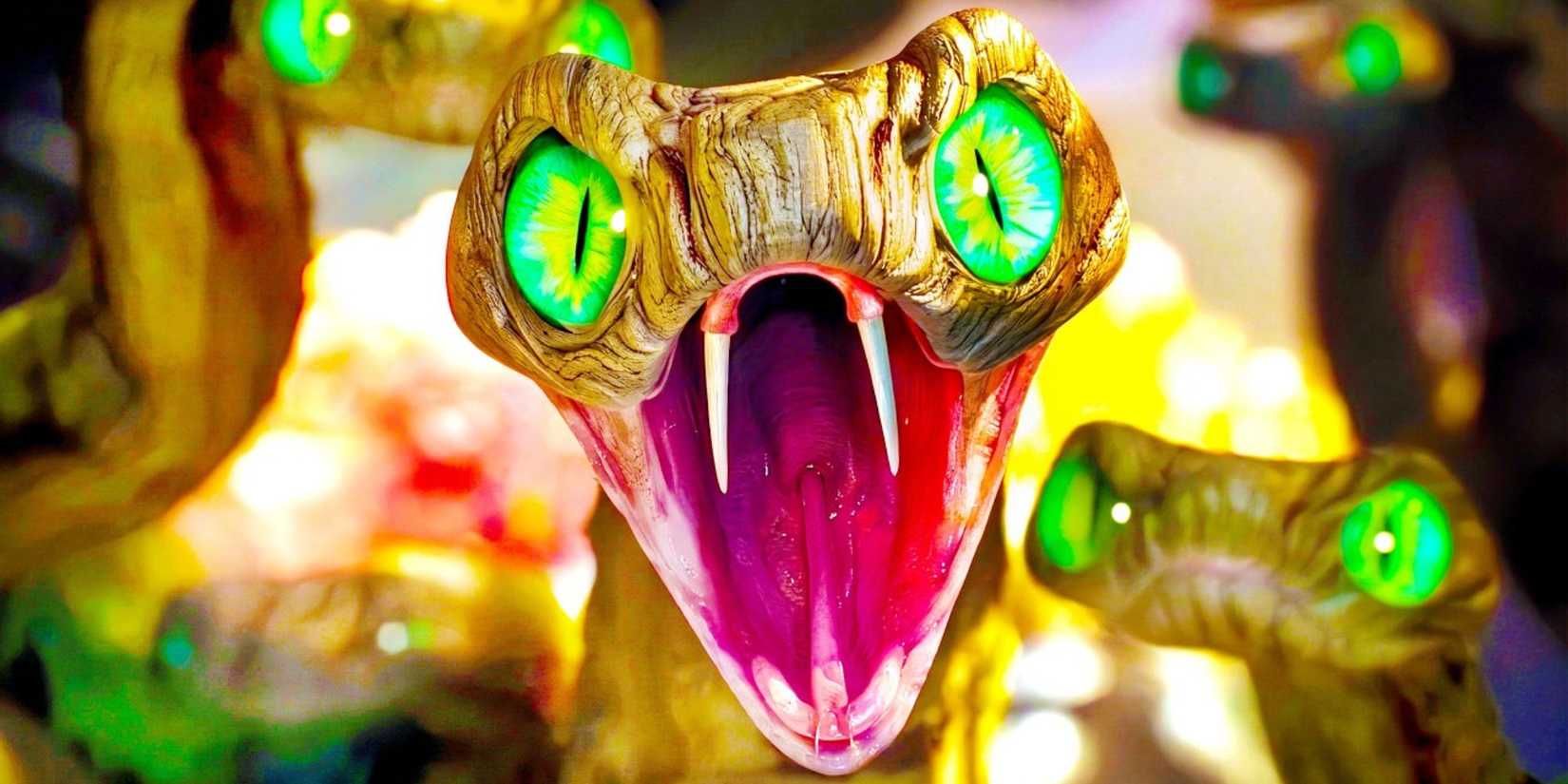
With the exception of a dung beetle couple, the species most like its real-world counterpart would be the root snakes. These ambush predators live in sizable colonies and make their dens in hollow spaces near tree roots. There, they blend in with the roots and wait for their prey by detecting nearby vibrations to make up for their poor hearing.
Though ostensibly just a snake, there are a few fun things about the root snake’s design. As the name implies, their scales are not perfectly smooth like you’d expect a serpent’s to be, instead having an asymmetrical tree-like texture that helps them blend in better with their lair. Their green eyes are also very striking, and help add to the intimidation factor once they zero in on their chosen prey.
9
Pinecone Hedgehogs

One of the smallest mammalian creatures in the valley is the pinecone hedgehog. They trade a coat of quills for woody scales, which offers them good camouflage in the forest flood. This curious form of adaptation is good because their small size places them pretty low on the food chain.
The pinecone hedgehogs sadly don’t have a large role in the story, usually only appearing as background creatures. However, their creative design helps them stand out whenever they do show up, and helps make them one of Swapped‘s cutest creatures. Not every creature is going to get fleshed out, but the inclusion of these little guys helps to make the world feel more alive.
8
Boogle Fish
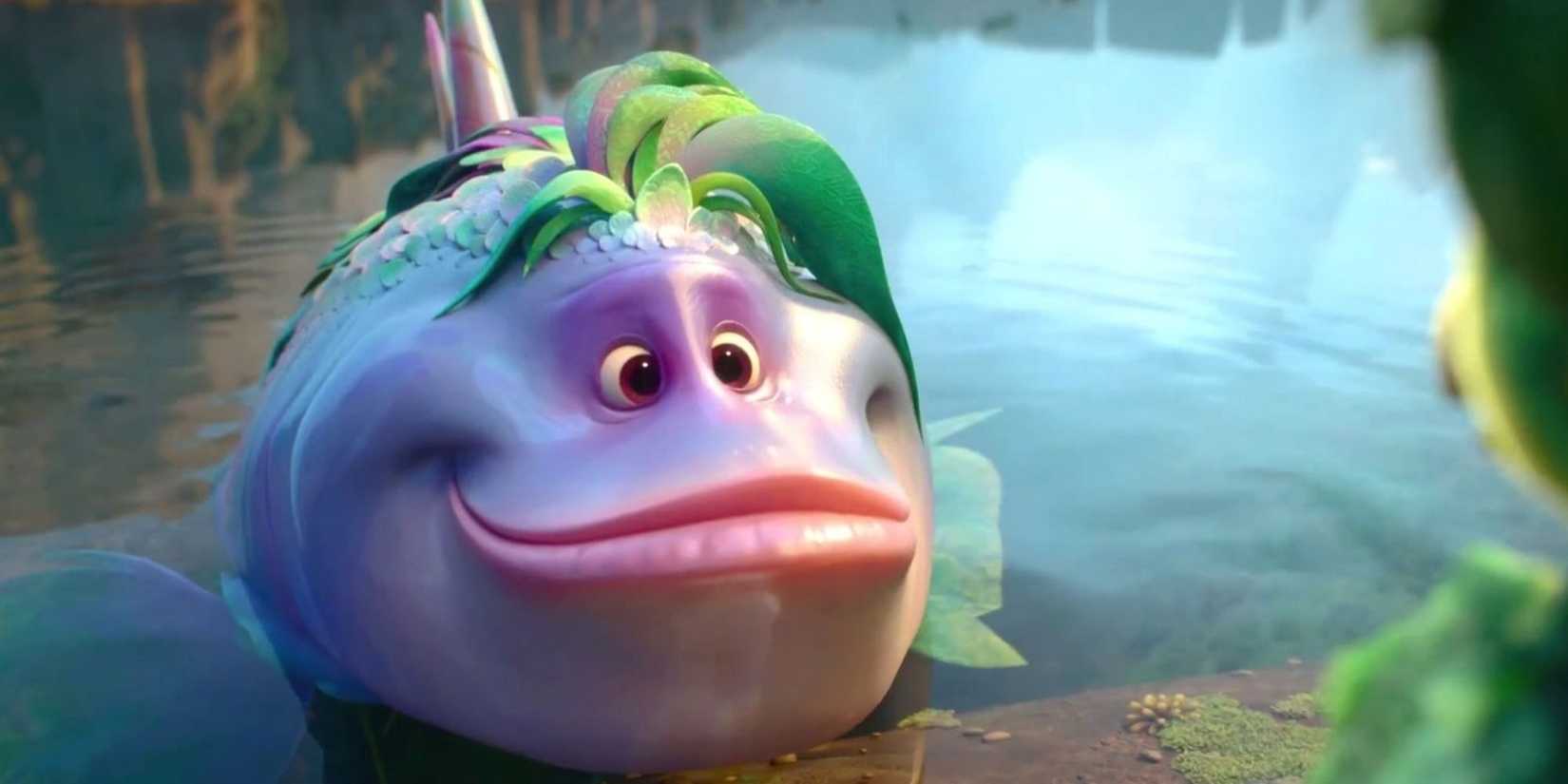
Early in the film, when Ollie is exploring the underwater world, he encounters a large fish with glittering scales and flowing fins that resemble aquatic plants. The fish’s name is Boogle (Tracy Morgan), and he becomes a helpful guide, pointing Ollie and Ivy towards more magic pods. Though he claims to be the only member of his kind in the valley, Ollie and Ivy do transform into Boogle fish as well with one pod, so there are likely others.
Boogle most closely resembles a grouper, known for its large mouth and ambush tactics. The colorful bodies of the fish play into it, as when Ollie first met Boogle as a child, he nearly became the fish’s lunch when he was mesmerized by his scales. This bit also foreshadows hidden details about Boogle revealed later in the movie.
7
Rock Bears
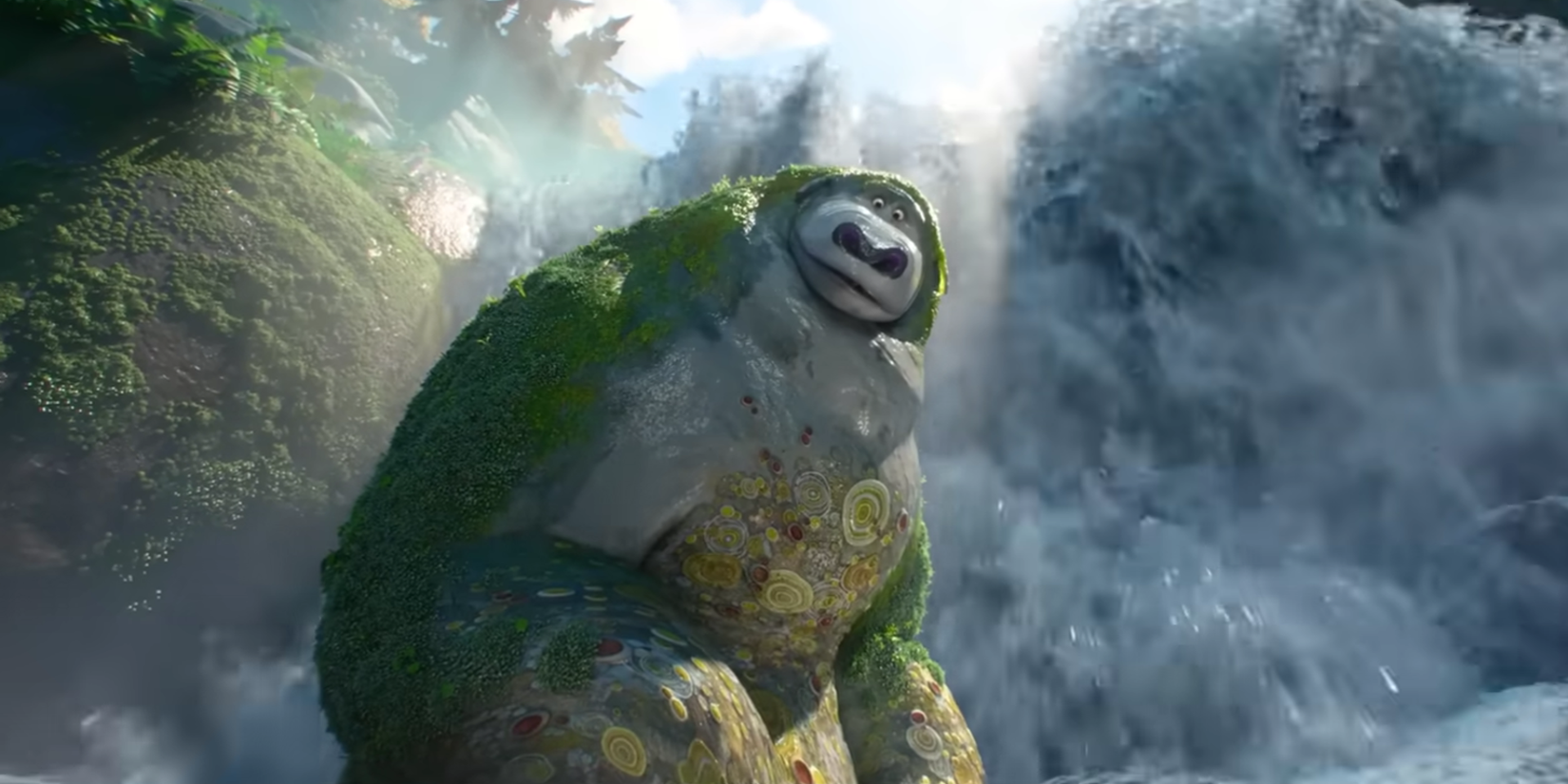
Bears are cool animals, with a long history in art and mythology as creatures of strength and the natural world. Thus, it was no surprise that bears would appear in some fashion in Swapped. Rather than make them part plant like most of the other creatures, the designers instead gave them stony bodies with a moss covering for fur.
Rock bears are utilized in one of the most visually interesting action sequences in Swapped, as our protagonists try to swim around them, while the camera gives us an underwater perspective of bears hunting. Their stony bodies also make them masters of blending into the environment, since they are indistinguishable from regular rocks when at rest. Personality-wise, the rock bears initially seem curious, and can be friendly, but once on the hunt, they become single-minded vessels of fang and claw.
6
Javans
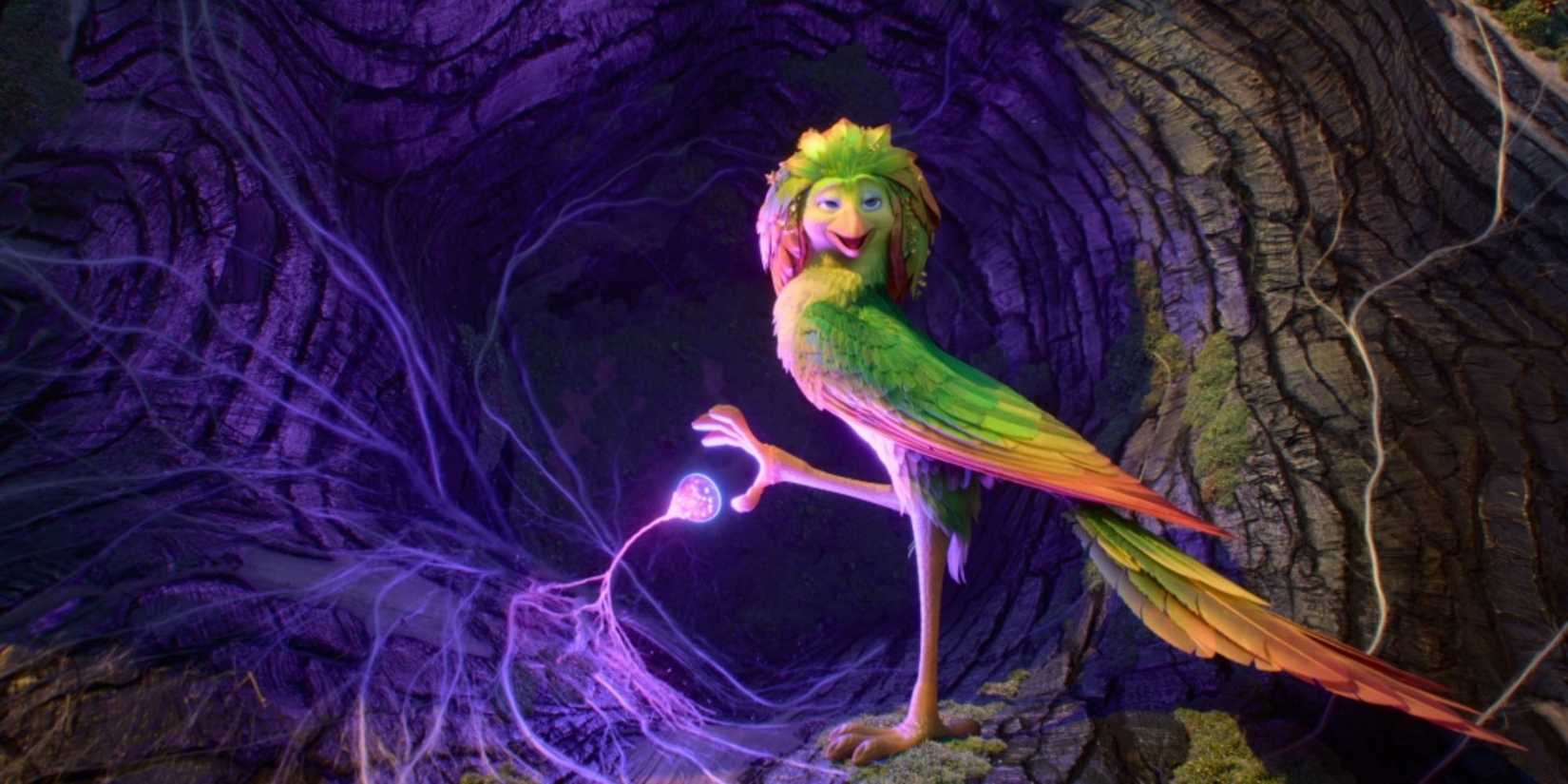
The primary avian species of the valley, javans, are medium-sized birds that most closely resemble parrots like the New Zealand kākāpō. They come in a variety of colors like green, yellow, orange, and red, and have leaves growing out of their hair. They are also one of the most social species in the film, all nesting on a rocky spire called Javan Rock, and caring for one another with a strong sense of community.
The plant hair goes a long way in making the javan stand out compared to standard birds, while also playing into how many species of birds have exotic plumage. Within the story, the javan are the species that best represent the delicate balance of the ecosystem, as they require a lot of food throughout the day. When their primary food source vanishes, they end up coming into conflict with others in their search for food, which often leads to disastrous ecological collapses.
5
Pookoos

Like the pinecone hedgehogs, pookoos are small, furry creatures who survive by hiding from predators and living in large communities. They are highly intelligent creatures, demonstrating advanced tool use compared to other species, which allowed Ollie to come up with several inventions and even use fire. Their greatest ability is their sense of smell, which is so advanced that they can “see” with only their noses.
The design of the pookoos breaks away from the other creatures, showing no plant influence and instead combining numerous small mammals, such as otters, squirrels, and groundhogs. This departure helps the pookoo feel even more isolated from the rest of the creatures of the valley, which fits their secretive nature. It might seem more boring and plain compared to the other creatures, but the pookoo’s intelligence makes up for it.
4
Tree Deer

Is there a forest animal more iconic than the deer? Found in nearly every ecosystem across most continents, deer are symbols of natural beauty and grace, and are keystone species whose over- or under-abundance could ruin the delicate balance of nature. They’re also rather shy creatures, and would probably love to have the same camouflage potential as the tree deer from Swapped.
The tree deer look beautiful, blending the long legs and slender bodies of deer with the unique bark texture of birch trees. Their antlers and tails also grow leaves, making them look even more like the embodiment of the forest. Sadly, no tree deer speak throughout the narrative, so we don’t get any insight into their personalities and culture, if any. However, their mere presence contributes to Swapped‘s overall success.
3
Treewolves

Wolves have long been one of the most iconic animals in human history, usually as villains, such as the iconic Big Bad Wolf of fairy tales. Indeed, many stories about wolves use them as a metaphor for the wild, predatory side of nature, but they are also creatures of great loyalty and wisdom. Both sides are represented in Swapped by a tree wolf pack that follows after Ollie and Ivy.
As the name implies, treewolves have bark-like skin and a crown of leaves on their heads, which gives them a regal appearance that fits with their status as apex predators of the woods. There are also some elements from foxes thrown in, such as the longer muzzles and the choice of red and yellow colors for their leaves. Finally, the treewolves might offer an example of gender dysmorphism, as the confirmed male wolves, the leader (David Lodge) and his son (Zemo Tatasciore), have red leaves, so the yellow and orange ones may be female, though it’s just speculation.
2
The Firewolf

The present state of the valley is due to one particular treewolf who, enraged at being abandoned to die by his pack, attacked the creatures of the valley indiscriminately to sow fear and mistrust. He was stopped for a time by the magical Dzo, but the treewolf was eventually able to steal some of their magic for himself and transform into the one and only Firewolf. With his new powers, the Firewolf killed four Dzo, drove off the others, and dammed the river, cutting the valley off from the rest of the world.
The Firewolf is destruction and malice made flesh, and his design beautifully captures this message. The beautiful plumage of the treewolves has been replaced with a crown of demonic branch-like horns, his bark-skin is black and charred, and he can ignite himself at will to cover his head and back in roaring flames. All these striking elements give the Firewolf a menacing hellhound design with elements of Doberman as well, further emphasizing how the Firewolf is anathema to the harmony represented in the other designs.
1
Dzo

The only species not native to the valley, Dzo used to migrate through the valley in large numbers, bringing with them ample food from the trees that grew on their backs. They are more plant-like than animal, resembling walking orchards with tree trunks for legs and the ability to extend their roots as needed. They also possess incredible magic that manifests through seed pods that, when touched, transform creatures into other species and grant them the ability to understand one another.
The Dzo draws inspiration from all sorts of mythological sources, from the Garden of Eden to the World Turtle/Elephants that carry all existence on their backs. Having their trunks grow from the side of their faces is also an ingenious design, as it looks like drooping mustaches that give the Dzo a wise, sage-like quality, thus reflecting their mystical nature. The climax also reveals that the Dzo can communicate with one another over large distances using root-networks, showcasing how, more than any other creature, they are the true harmony between animal and plant, and their arrival and departure symbolizes if the world is in balance or not.

You must be logged in to post a comment Login