Entertainment
HBO’s 10-Part World War II Epic Went Even Darker Than ‘Band of Brothers’

Saving Private Ryan wasn’t the only incredible World War II-centric project that Steven Spielberg and Tom Hanks worked on together. After creating their groundbreaking 1998 war drama, Spielberg and Hanks helped redefine the war epic on television with 2001’s Band of Brothers. More than two decades later, that collaboration has grown into an unofficial trilogy of acclaimed World War II miniseries, with The Pacific arriving in 2010 and Masters of the Air following in 2024.
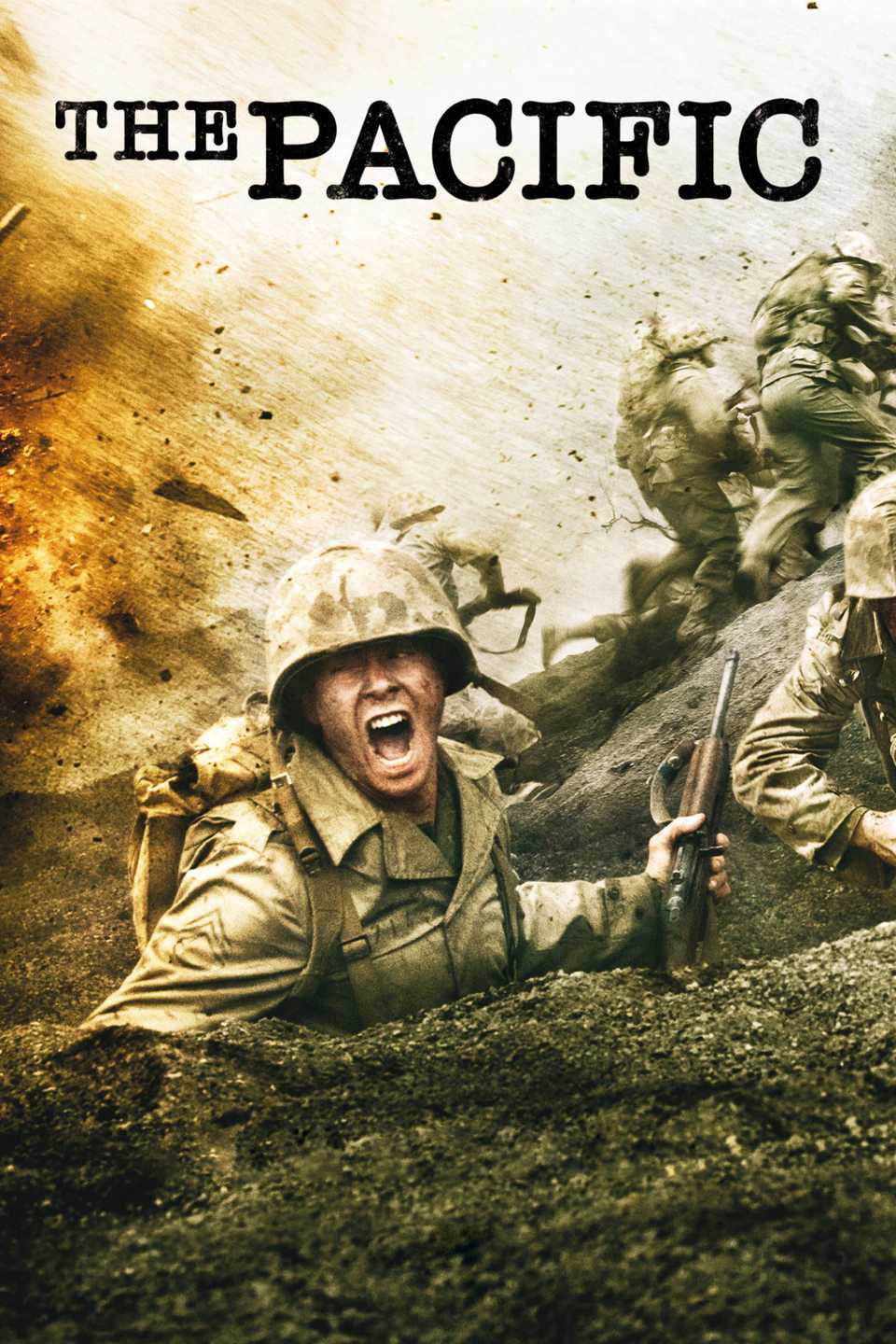
The success of Band of Brothers with both television and history buffs inspired Hanks and Spielberg to collaborate once more on the follow-up series The Pacific, which shifted the action from Europe to the Pacific Theater. While Masters of the Air would later take their World War II storytelling into the skies, The Pacific remains arguably the darkest of the three. Its harrowing depiction of combat was inspired by the extraordinary true experiences of the Marines at the center of its story.
‘The Pacific’ Is Based on a True Story of Heroism
While The Pacific was developed as a companion piece to Band of Brothers, the two shows are not directly related. The Pacific is set during the Pacific Theater era of World War II. During this period of the conflict, Allied military forces laid siege to the Pacific Ocean territories, including Japan, as part of a larger offensive movement. While Band of Brothers was an ensemble drama that focused on all of Easy Company throughout the war, The Pacific focused its approach on three central characters. Robert Leckie (James Badge Dale), Eugene Sledge (Joseph Mazzello), and John Basilone (Jon Seda) become the heroes of an increasingly brutal conflict that appears to have no end in sight.
While all the main characters in Band of Brothers served as part of the same regiment, the characters in The Pacific served different areas of combat; Leckie served in the 1st, Sledge served in the 5th, and Basilone served in the 7th. This allowed the series to examine a wider view of the conflict and focus on how various battles played into the Allies’ larger offensive movement. Band of Brothers’ incredible combat footage had set a certain expectation for viewers, but HBO spared no expense in making The Pacific feel just as realistic. At the time of its release in 2010, The Pacific was the most expensive miniseries ever made.
While Band of Brothers was inspired by the nonfiction novel of the same name by author Stephen E. Ambrose, The Pacific drew inspiration from multiple sources. Sledge’s memoirs With the Old Breed: At Peleliu and Okinawa and China Marine, and Leckie’s nonfiction novel Helmet for My Pillow served as the primary inspirations for the series. However, The Pacific also incorporated details from the nonfiction novel Red Blood, Black Sand by Chuck Tatum. Tatum served alongside Basilone in the Battle of Iwo Jima and was depicted in the series by the actor Ben Esler. Both The Pacific and Band of Brothers felt particularly realistic due to the real interviews with former service members that were incorporated within the shows’ broadcast. The Pacific earned just as much praise from historians as its predecessor.
‘The Pacific’ Is Darker Than ‘Band of Brothers’
There’s no question that the heroes of both The Pacific and Band of Brothers are incredibly noble, but the two shows feature very different depictions of heroism. Band of Brothers, despite the realism of its battle scenes, presents itself as a fairly standard narrative of “good vs. evil.” While it certainly went into more depth exploring the rigors that the soldiers went through, the story is not presented in a way that is largely different from World War II movies like Saving Private Ryan or The Thin Red Line. Its message was fairly simple; heroism triumphs in the face of evil. Comparatively, the line between “good” and “evil” is less evident in The Pacific. The villain of the series is war itself. It presented a more level-headed approach to the historical drama genre that embodied the “war is hell” philosophy.
The Pacific questions the futility of the war as the conflict descends into more harrowing territory. The series shows the devastating impact that the conflict had on the Pacific Isles and shows the extreme extent that some characters go to as they lose themselves in battle. In a particularly memorable sequence, Sledge grows desensitized to the violence he finds himself surrounded by and grows increasingly dispirited. The series shows how radically men can change after spending time in the heat of combat. Sledge starts off the series optimistic and enthusiastic about serving his country. By the end of the show, he’s become more reclusive and easily agitated.
‘The Pacific’ Is Great for Good Reason


The Pacific also presented a more all-encompassing depiction of the war due to its more significant scope. The series begins by showing what life was like for Leckie, Sledge, and Basilone before the war began. The bombing of Pearl Harbor galvanized Sledge to join the Marines, despite the skepticism that he faces from his family. Similarly, there are moments of Basilone attending Christmas meals with his family in the events before his service. These moments of pre-war footage show the humble beginnings that many soldiers came from. It made the show’s most emotional moments, such as Basilone’s death in the episode “Iwo Jima,” even more impactful.
The Pacific also shows how the characters are affected in the aftermath of the conflict itself. Sledge returns home to find that he no longer enjoys the pleasures of his simple upbringing the same way, as his memories are haunted by the horrific images he witnessed in the thick of combat. It’s heartbreaking to see how different the service is from what he expected. This comes across due to the incredible performance of Mazzello, who became one of the breakout stars of the series. He and his The Pacific co-star Rami Malek would go on to star together in the acclaimed 2018 biopic Bohemian Rhapsody.
Band of Brothers set a precedent for what a great World War II series looked like, while The Pacific offered a darker and more psychologically punishing perspective on the conflict. Even alongside Masters of the Air, its mature approach to the human cost of combat makes it a particularly thoughtful examination of World War II.

You must be logged in to post a comment Login