Entertainment
How A Decade-Old Flame War Made Everything Terrible And Lame
By Jennifer Asencio
| Published


If you look up Gamergate online, most sources will tell you that it was a mass attack on female game developers by misogynists and incels in the video gaming community. While this happened, there was a lot more to the incident that not only gets overlooked, but has been swept under the rug by activists who support the changes Gamergate ushered in.
Furthermore, although the incident happened in 2014, our culture is still feeling the effects of it, far beyond the video gaming world. In fact, there are jokes on social media that blame a person named Zoe Quinn for the state of world politics today, and there is probably more truth to that than anyone realizes.
The Zoe Quinn Flame War Exposes Corruption
Zoe Quinn was a woman who made a video game called Depression Quest. She also had a habit of fraternizing with other figures in the gaming community, including game critics. Her ex, Eron Gnoji, wrote a long, annotated blog post about it in which he insinuated that her game got a positive review because she had relations with the reviewer.
Whether or not that specific accusation was true, there was actually some chicanery going on between gaming development and gaming journalism. The two industries had a lot of overlap and communication.
Firefly Star Adam Baldwin Names It Gamergate

As more information became public, it was soon discovered that several gaming journalists had a back channel through which they discussed what to write and even when to publish. In August 2014, several articles were published decrying the “traditional gamer” and demanding that video games make room for others. It was around this time that Firefly actor Adam Baldwin coined the term “Gamergate” on Twitter.
Fraudsters Doxxed Their Accusers To Silence Them
Meanwhile, Zoe Quinn received a lot of harassment from people who claimed her video game wasn’t very good and only became famous because it was mentioned by the reviewer. Two other figures turned up in the controversy: Anita Sarkeesian, a video game reviewer who called for less sexism in gaming; and Brianna Wu, who claimed to be a female game developer but later came out as trans. They, too, found themselves on the receiving end of harassment, which they quickly attributed to an organized movement comprised of “incels,” “misogynists,” and “far-right agitators.”
Although there was no such organized effort, the war between “Gamergaters” and “everyone else” was vehement. People were doxed to the point of having to leave their homes, and SWAT-ed, which means police were sent to their homes as though they were imminent and deadly threats. Gamergaters were painted as hateful bigots who were trying to exercise white male supremacy over video games.
Gamergate Leads To Activist Tokenism
When the dust settled, there were certain conventions that started to take over in the name of “inclusivity.”
Female characters were suddenly capable of feats of strength that would defy their male counterparts. Noticeable effort was made to include women who did not adhere to traditional beauty norms, such as characters who were masculine, androgynous, or overweight. Established characters were subjected to new designs that toned down their beauty, and there were even random scraps of clothing added to new editions of existing games to combat “the male gaze.”


Male characters were deemphasized from the games. Where they existed, they were often emasculated or added to another minority. Often, they were not as capable as their female counterparts, relying on them to give instructions, make decisions, and even save the day. If they happened to be muscular, they usually had no other personality; if they were attractive, it was a sure sign of their insidiousness.
Token characters representing other minorities were emphasized and placed in settings that made no sense within the game. These included racial minorities, disabled characters, and gay, trans, and nonbinary characters. Topics like colonization and slavery had to be tempered with trigger warnings and in-game lectures about human rights.
What made these characteristics tokenistic was the gratuitousness of their inclusion in the story. They often appeared in jarring settings where such characters and situations are out of place and only included for the activism, not the betterment of the game. However, pointing this out subjected critics to accusations of bigotry, to the point of being associated with Nazism, incels, and the far-right.
Gamer Replacement Theory
This was very much on purpose. The goal was to expand video gaming beyond the world of young, predominantly white men and allow other people to “see themselves” in the games.
Studios hired sensitivity readers and language localizers who pre-read plots, dialogue, and translations to ensure that “no one” would be offended by the content. Entire consulting firms, such as the infamous Sweet Baby Inc., were formed to streamline gaming studio hiring, focusing on everyone except the typical gaming audience; nobody cared about being insensitive to them.

What resulted were sloppy games that ruined franchises. The culmination of the activist development in video games was exemplified by weak entries such as Assassins Creed: Shadows, which famously included an ahistorical black samurai as a main character in its feudal Japanese setting; Dragon Age: Veilguard, whose nonbinary character injects modern identity politics into its fantasy setting; and Concord, a highly-anticipated game that flopped because its female main character was androgynous, butch, and ugly. These are not old games from a decade ago; all of them were released in the last year. The recently announced Fable reboot is carrying the torch by removing its defining good/evil mechanic from the game, because “evil is not objective.”
How Gamergate Ruined More Than Just Games
The true insidiousness of Gamergate is in how it has infected the rest of our culture since. In response to what was seen as misogyny in male-dominated fields, the social movement #MeToo gained more steam. This was a positive development in many ways, as it allowed a lot of women to address sexual harassment that resulted from power imbalances in the workplace, particularly in Hollywood, where sexism is rampant, and beauty standards are strict.
However, it also had the effect of demonizing men and allowed for no criticism of its tactics, with accusations of sexism and sexual harassment levied against even women who spoke out against it. I was one of those women, constantly accused of “internalized misogyny” and “upholding patriarchy” for calling out the excesses of the movement and its misandry.
This step of making accusations was important because by making it okay to criticize young white men (who, after all, had harassed women during Gamergate), the stage was set for the more flagrant attacks on Western culture. By allowing “no debate,” activists for various minorities inserted themselves into every fandom and decried anyone who complained about it as supporting “patriarchal, Christian, cis, white, heteronormative colonialism.” Masculinity itself was branded as “toxic,” especially by major figures like James Cameron, who even demonized testosterone as “poisonous.”
Gamergate Destroys Star Wars
The Star Wars show The Acolyte was heavily criticized for violating established franchise lore in favor of gratuitous minority characters. The response from director and showrunner Leslye Headland was to accuse detractors of sexism and homophobia. However, Headland herself taunted the same fans before the show’s release by insisting that it would be “the gayest Star Wars” and “make” old-school fans “cry.” Other Star Wars shows failed because of poor storylines, but The Acolyte is the only show that blamed the fans.


The Star Wars fandom does have a reputation for toxicity, as evidenced by its treatment of sequel actress Kelly Marie Tran; Tran quit social media after some fans harassed her online over her character, Rose Tico, who wasn’t very popular. However, to blame any and all criticism of Star Wars on some kind of -ism or -phobia is an avoidance of the flaws in the franchise. Fans also didn’t like how the screenplays dropped the ball on both Finn’s character development and his conflict against the ridiculously ineffective Captain Phasma, but were accused of disapproving of the casting of John Boyega rather than criticism of the wasted potential.
Dungeons & Dragons Destroyed By Subsequent Activism
Dungeons & Dragons is another example of a property that has been co-opted by activism enabled by Gamergate. One infamous ad campaign from the game’s publisher, Wizards of the Coast, posits why adventurers can’t be in wheelchairs. The newer editions of the game manuals decry settings that include colonialism and slavery, as well as neuter fantasy races that were traditionally considered the game’s bad guys.

Its 50th anniversary commemorative history accuses its creators (most of whom are deceased and can’t rebut) of being sexist and white supremacist, attacking some of their creations as being racist caricatures. Recent Pride artwork reduces the iconic Beholder, one of the game’s oldest Big Bads, to a heart-eyed Care Bear cartoon.
Dancing On The Grave Of Brigitte Bardot
Probably the most insulting attack from the cascade caused by Gamergate is the recent posthumous villainization of Brigitte Bardot by Vogue Magazine. Vogue is a fashion magazine, and Bardot was such a fashion icon of her era that the Beatles got their girlfriends to dye their hair blonde to imitate her.
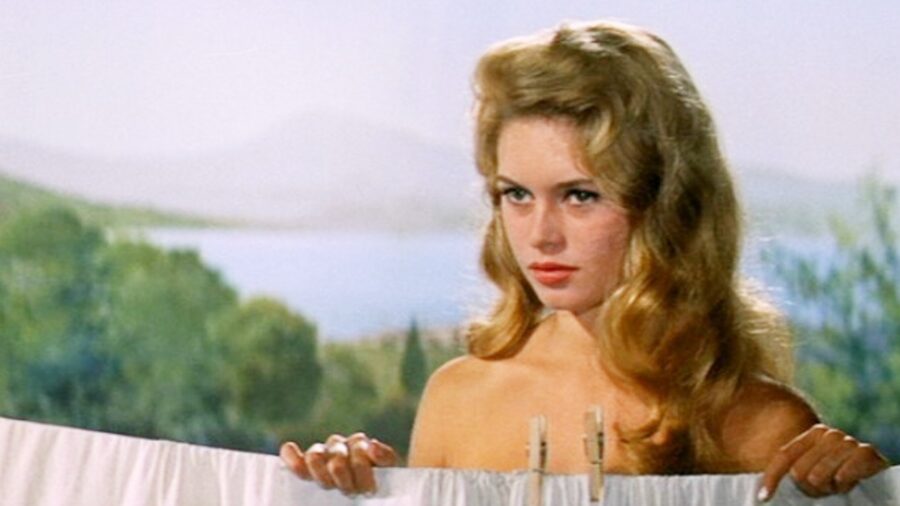
Bardot was also a complicated woman who was very passionate about the causes she believed in. She was heavily involved with the French far-right party, including being married to its former campaign manager.
Rather than paying tribute to Bardot’s status in the fashion world, the Vogue obituary focused on her politics and used her death as an opportunity to make sure everyone knew it was okay to hate her. Only in a world that has shunned traditional ideas of beauty would a fashion magazine spend more time and effort on tearing down someone so representative of the influence of fashion on society.
Intentional Activist Fraud
The point these activists willfully misportray is that it is not the “inclusion” itself that is the problem. Fans are objecting to the fact that inclusion has been shoehorned into numerous properties.
Nobody plays video games or watches movies to look at ugly characters, not even female video game players. Males are allowed to be strong, capable, rugged, and manly. Women can be sexy and alluring and have agency without being girlbosses who are the only competent people.

Nor do most people want to be lectured about identity politics in their entertainment. Fans are not “toxic” for being annoyed about being forced to sit through a minutes-long cutscene in Veilguard during which a nonbinary character argues with her uncomprehending parents. It is not racist to want to fight orcs and goblins that are using the local gnome population as slave labor.
The Line Between Inclusion And Tokenism
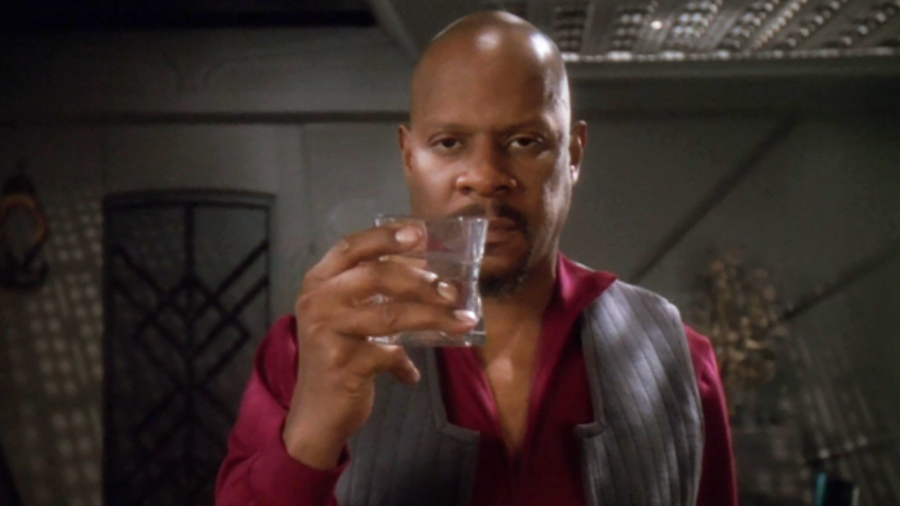
There is a line between inclusion and tokenism. Many old-school Star Trek fans view Ben Sisko as the greatest leader in the entire franchise. Lando Calrissian was another major Black science fiction character, celebrated for his nuance and redemption.
Samus was a girl, Yellow Dancer was secretly a boy, and fans lauded these revelations. Lara Croft’s revealing outfit was once a symbol of feminine empowerment. These characters all worked because they were not artificial insertions, but organic parts of their stories.
The response to Gamergate ushered in an era in which tokenism is seen as a virtue more important than storytelling and even more important than culture itself. By not allowing criticism or debate, it enabled all the toxic behavior it claimed to stand against, creating an environment where even the most marginal hint of viewpoint diversity can ruin a person with accusations of far-right sympathies. It started with video games but seeped throughout our entire society.
How Good Stories Can Heal A Broken Culture
Hope can be found in the same origin, however. The releases of the video games most steeped in this artificial inclusion all flopped. The 2025 Game Awards, which are nominated by industry insiders and voted on by fans, overwhelmingly rejected games with weak storylines and tokenistic characters, giving the award to a game whose only minority character dies early in the story. The current battle between upcoming medieval fantasy games A Knight’s Path and 1348: Ex Voto over their female characters is showing that fans prefer attractive, traditional characters over gratuitous representation.


If the entertainment studios that want to make money are listening, they’ll put more effort into telling good stories, regardless of who populates them. Good stories will go a long way toward healing a culture sickened by the events and division of the last decade. The thing about good stories is that everyone can see themselves in them, no matter who the characters are.