
Entertainment
I’m Always Traveling: 17 Amazon Outfit Sets I Wear on Repeat

Us Weekly has affiliate partnerships. We receive compensation when you click on a link and make a purchase. Learn more!
Whether I’m flying, driving or taking the train, I’m pretty much always heading somewhere. That means my wardrobe is overflowing with travel outfits, but like anyone else, I have my favorites. Some live in the back of my closet while others are front and center, worn and washed every week. Rather than gatekeep, I’ve rounded up my top picks, a.k.a. the pairings I reach for on both travel and non-travel days.
My go-to travel outfits have to be loose, breathable and skin-soft. They also have to be layerable, since I can’t stand being too hot or cold on an airplane. Lastly, style is non-negotiable for a fashionista like me. These 17 picks check all the boxes. I’ve also included some outfits that are currently in my cart — because no, my closet isn’t large enough for all 17 travel outfits at once. Maybe someday!
The 17 Comfiest, Classiest Travel Outfits — From $7
1. Sporty Chic: This side-stripe outfit begs to be worn to Europe, so go ahead . . . plan that vacation. I’m wearing it to London!
2. Road Trip: You haven’t experienced ‘silky’ until you’ve tried this loose, buttery-soft outfit that’s perfect for long car rides.
3. Medium-Thick: If your body can’t decide between hot and cold, this medium-thick tracksuit is a smart pick. It has short sleeves and long pants for the perfect balance.

If you think rich mom outfits are complicated, think again! Reese Witherspoon confirmed that a simple sweater does the trick. Her polished style is incredibly easy to recreate, thanks to this cashmere-like sweater on Amazon that looks identical, yet costs only $27. You’d never know the difference! In a recent Instagram reel, Witherspoon announced a […]
4. Layering Staple: I love wearing this tank and pants combo with a cardigan for the plane and a jean jacket for lunch.
5. Warm Weather: This tee and shorts set is my easy but cute uniform for weekends in Florida and spring breaks in Mexico. It’s a lightweight dream!
6. Feeling Nauti: I’m adding this striped polo sweater and lounge pants set to my cart while it’s on sale! The nautical pairing channels pure yacht-wife energy.
7. Elevated Look: Everything about this tee and pants set is polished, including the ribbed texture, slouchy fit and practical waist tie.
8. Oui Oui: You don’t need a French passport to look Parisian, thanks to this cozy, classy knit set. The cap-sleeve top and joggers do all the talking.
9. Errand Outfit: Whether you’re stocking your Airbnb or grabbing coffee for your crew, Ekouaer’s stretchy set keeps you cool and comfy on the go.
10. Oddly Flattering: I wrote an entire article about this viral travel sweatshirt. This lounge set features the iconic hoodie plus flattering sweatpants.
11. Second Skin: Calling fabric snobs! This rayon-and-spandex-blend set might make you forget you’re wearing clothes.
12. Date Night: I wear this sophisticated knit outfit for date nights near and far. The pleated pants are elegant enough for the office, too.
13. Super Cozy: Imagine feeling like you’re wrapped in a cloud while looking like a millionaire. That’s the best way to describe this fuzzy ribbed outfit.
14. Boho Babe: People will think you bought this waffle-knit set at Urban Outfitters or Zara. They’d never guess it’s only $25!
15. Cool Mom: Classic and luxurious, Automet’s crewneck and pants combo is the easiest add-to-cart. The drapey silhouette screams ‘cool mom.’
16. Aspen Socialite: This color-blocked quarter-zip outfit makes you look like a wealthy ski bum. I’m grabbing it to wear both on and off the slopes.
17. Budget-Friendly: Considering this short-sleeved, pajama-like lounge set is just $7, you’ll want to scoop up a few in different colors.

Continue Reading

By Chris Snellgrove
| Published

In Star Trek II: The Wrath of Khan, Kirk famously quotes from A Tale of Two Cities: “it was the best of times, it was the worst of times.” He quotes from the novel again in the final scene as a way of grieving Spock, who had given him a copy of the Charles Dickens novel. I’ve been thinking about these scenes quite a bit lately as I process my own feelings regarding another death altogether: that of Starfleet Academy, the Discovery spinoff that was canceled shortly after Season 1 ended.
That season inadvertently honored Dickens by being “A Tale of Two Star Treks.” Half of the series focused on vulgar banter, teen hijinks, and juvenile humor so stupid that it actively made you lose brain cells. The other half focused on interesting characterization, deep lore cuts, and engaging (if uninspired) sci-fi melodrama. Interestingly, these two versions of the show were split right down the middle. The first half was the dumb teen comedy hour, and the second half was NuTrek’s best attempt at classic Star Trek. The only reasonable conclusion is that Paramount had no faith in their audience, waiting to give us traditional Trek storytelling until it was too late.
A Tale Of Two Star Treks

Obviously, taste is subjective, but most of the fans I have spoken to agree that Starfleet Academy was much better in the second half of Season 1. Critical reviews generally echoed this sentiment, with various reviewers chiming in on which episodes felt the most like classic Star Trek. Even the online fandom generally agreed with this sentiment. While it was mostly verboten to criticize Starfleet Academy in online spaces like r/startrek, superfans of the show repeatedly suggested that, like The Next Generation, Deep Space Nine, and Voyager, everyone should give this new show time to find its legs.
What made the second half of Season 1 better, though? Some fans liked the increased callbacks to old Trek, including a final arc involving the Omega molecule. Other fans liked the payoff to ongoing character plots, like Caleb finally reuniting with his mother. But my theory about the show getting better is far simpler: it dropped the juvenile humor. Suddenly, the cadets weren’t speaking exclusively in Zoomer catchphrases and focusing on intercollegiate prank wars. The digital dean wasn’t cracking jokes about boners, and we didn’t have scenes with half the adult characters laughing at a farting fish. Just like that, Star Trek suddenly started taking itself seriously again.
Paramount Is Sick Of Star Trek’s Core Audience

While Star Trek had moments of levity over the years (like all those gags in The Voyage Home), it has generally been a very serious franchise. Quite frankly, it never had all of the over-the-top, tone deaf comedy that ruined the first half of Starfleet Academy’s first season. Removing all the gross, teen humor (well, minus the space vomit) from the show is a big part of what made it feel like classic Trek and, therefore, appeal more to the traditional fandom. This leads to the obvious question: if fixing your expensive new spinoff was that easy, why include the humor in the first place?
My theory is that Paramount simply didn’t have enough faith in Starfleet Academy. Maybe the execs were nervous about the premise being so different, or maybe they knew how much other NuTrek shows had driven away the traditional fandom. For whatever reason, the network didn’t think fans of shows like TNG and DS9 were going to show up for Starfleet Academy, so they decided the first half of Season 1 to appeal to the widest audience (the younger, the better). Hence, all the dumb jokes and juvenile bro humor were an attempt to give the spinoff more mainstream appeal. It didn’t feel like Star Trek because it wasn’t Star Trek: it was, simply put, a teen comedy in space.
Paramount’s Plan Blew Up In Their Face

If this was Paramount’s plan, it backfired spectacularly. As usual, younger viewers didn’t flock to the latest show of a franchise that debuted when their grandparents were young. Meanwhile, the attempts to pander to everyone but the older fans managed to (shocker here) drive away the older fans. This is why Starfleet Academy was canceled: the network drove away the core audience while failing to secure a new one, leaving a series with only a handful of diehards tuning in each week.
With SFA dead, Alex Kurtzman’s contract expiring, and Paramount about to buy Warner Bros, one thing is clear: the future of Star Trek is going to be very different from the NuTrek era. Whatever the future of the franchise looks like, we can only hope the writers stop trying to appeal to everyone but the fans. Drop the mass market appeal, drop the cringe characters, and for the love of God, hire some writers who know something about sci-fi. By focusing on well-written sci-fi drama and colorful characters, Paramount can finally recapture what made The Original Series and The Next Generation so awesome in the first place.
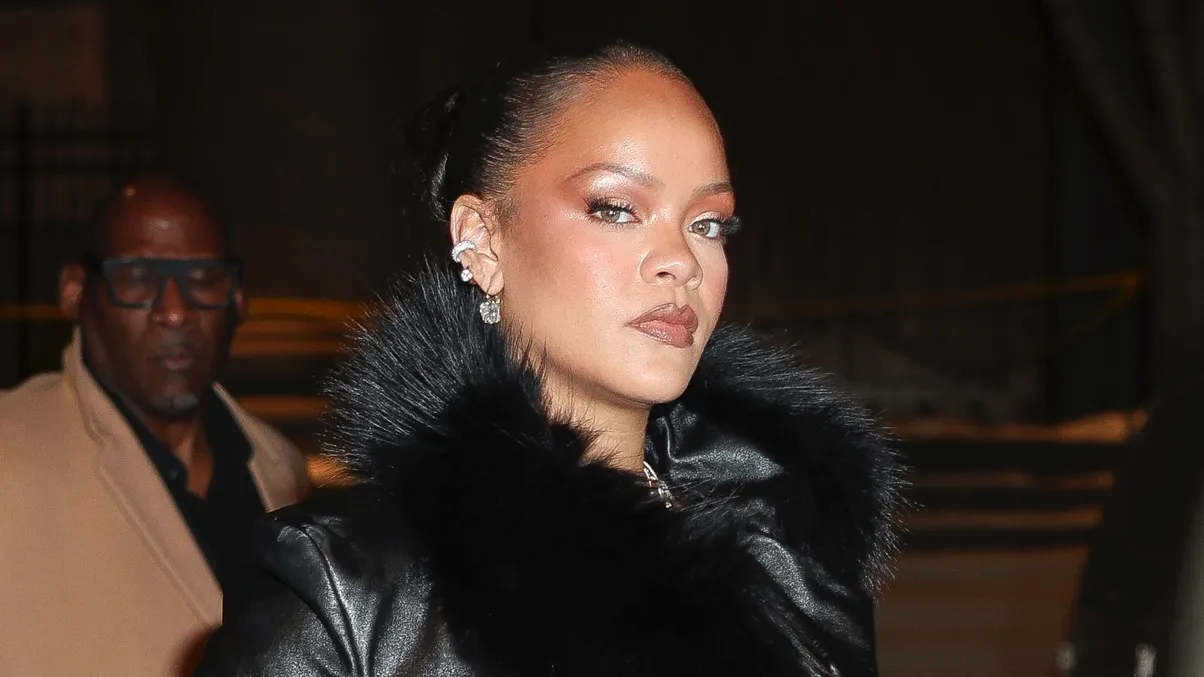
Details of what Rihanna told police in the moments following the shooting at her Los Angeles home earlier this month have reportedly been revealed.
RELATED: Ivanna Lisette Ortiz’s Social Media Posts About Rihanna Resurface After $10M Bail Set In Shooting At Singer’s Home (PHOTOS)
Here’s What Rihanna Reportedly Told Police Following Shooting At Her Home
On Wednesday, March 25, the Los Angeles Times published a report. This, asserting that the details of Rihanna’s police report following the shooting at her home had been released. According to the outlet, the incident occurred on Sunday, March 8, and the details of Rihanna’s police report were recently made public.
Rih reportedly told cops that she and her “husband,” A$AP Rocky, were in their Airstream trailer on her property. Furthermore, Rocky was sleeping when she “suddenly heard approximately ten loud sounds like something banging on metal.” Per Rih, once the shots stopped, she “grabbed Rocky out of bed” and told him they were being shot at. From there, she reportedly “pushed them to the ground,” and they ran into their home to check on their three children.
Per the report, three bullets of the multiple shots fired struck the Airstream, but none penetrated the trailer.
More Details On The Shooting At Rihanna’s Home
As The Shade Room previously reported, a 35-year-old woman named Ivanna Lisette Ortiz was subsequently taken into custody following the shooting. She was reportedly booked on suspicion of attempted murder. Per the Los Angeles Times, in addition to A$AP and Rih being on the property at the time of the shooting, so were their three children, Rihanna’s mom, two staff members, and two neighbors.
Since then, Ortiz’s social media posts have turned heads, revealing her apparent history of disparaging Rihanna.
Ivanna Lisette Ortiz Officially Pleads Not Guilty To Charges Related To The Shooting
As The Shade Room previously reported, Ivanna Lisette Ortiz was officially charged with attempted murder and assault charges. Per the Los Angeles Times, on Wednesday, March 25, Ortiz officially pleaded not guilty to the charges. And she reportedly told authorities she “wasn’t attempting murder.” Additionally, a judge declined to lower her $1.8 million bail, citing her as a threat to public safety.
At this time, Ortiz’s motive behind the shooting remains unclear. Additionally, Rihanna reportedly told cops she’s unaware of any “recent events” that could have sparked Ortiz’s actions.
RELATED: Rihanna, A$AP Rocky, And Their 3 Kids Were At Home During Ivanna Lisette Ortiz’s Murder Attempt, Bail Set At $1.8M (UPDATES)
What Do You Think Roomies?
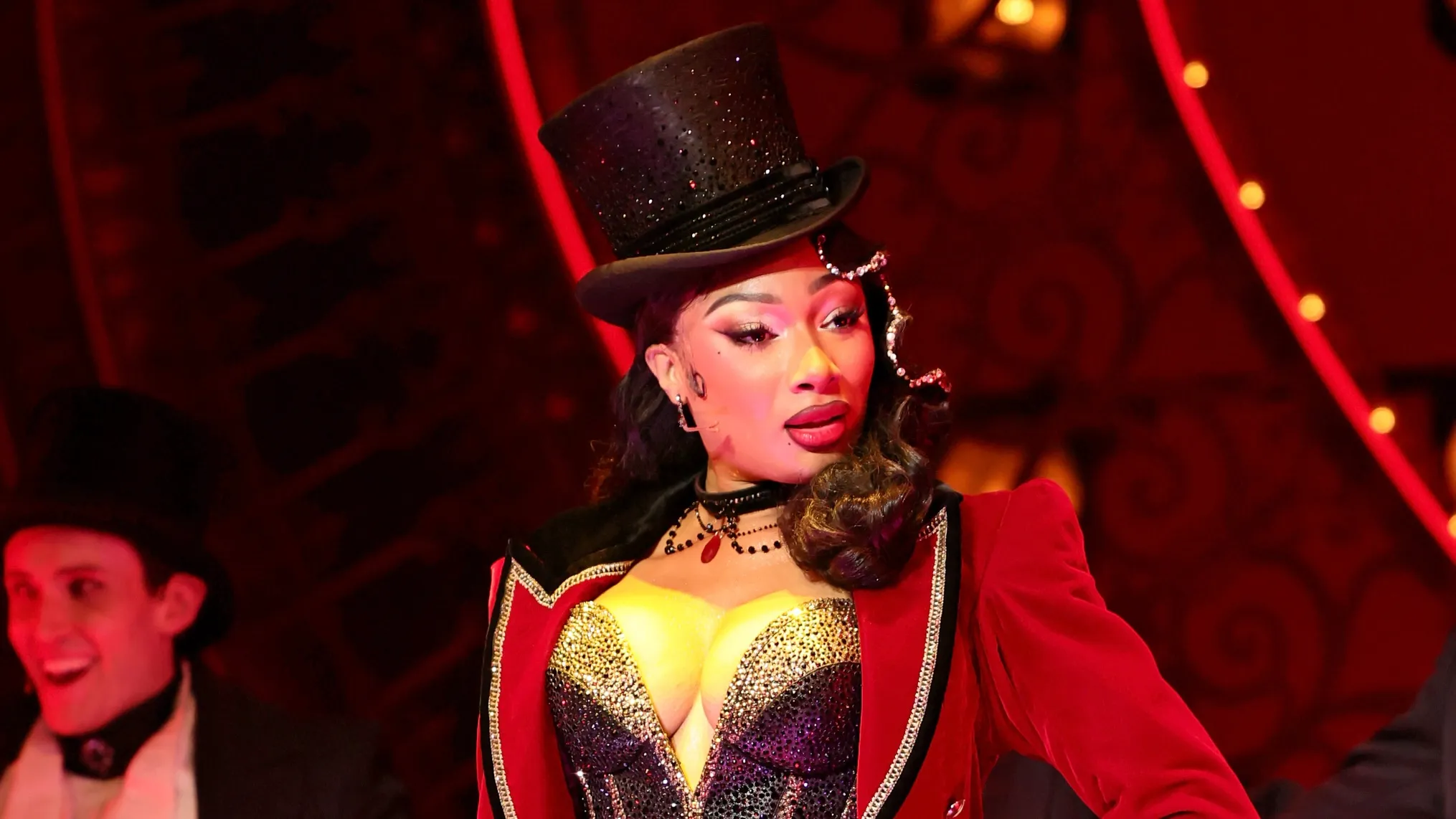
Megan Thee Stallion was reportedly rushed to the hospital in the middle of her ‘Moulin Rouge!’ Broadway performance.
RELATED: Case Closed! Milagro Gramz Speaks Out After Megan Thee Stallion Reportedly Scores Partial Win In Civil Case
Megan Thee Stallion Reportedly Rushed To The Hospital In Middle Of ‘Moulin Rouge!’ Broadway Performance
According to PEOPLE, on Tuesday, March 31, Megan Thee Stallion was rushed to a hospital amid becoming “very ill” while performing in Broadway’s ‘Moulin Rouge! The Musical.’
“During Tuesday night’s production, Megan started feeling very ill and was promptly transported to a local hospital, where her symptoms are currently being evaluated. We will share additional updates as more information becomes available,” her spokesperson reportedly asserted.
Additionally, Megan’s hairstylist, Kellon Deryck, also took to social media, asking the public to send prayers her way. Lastly, Loren LoRosa, who was present at the show, shared a few tweets, recounting the show’s disruption and Meg’s apparent departure.
TMZ reports that the FDNY informed the outlet that they responded to the location “for a female who was having trouble breathing.” At this time, it remains unclear if that female was Megan.
Social Media Sends Prayers
Social media users entered TSR’s comment section with prayers for Megan Thee Stallion.
Instagram user @miss_hellokitty87 wrote, “Dehydration I’m sure …they be going & going”
While Instagram user @chanel_mack added, “broadway is a different beast. i hope she’s ok”
Instagram user @jazzfromseattle wrote, “Yall working my girl way too hard! Did she eat before the show ?!? Drinking water? I’m pissed. Prayed up 🙏🏾“
While Instagram user @kalibabbyywontbeherelong added, “OMGGGGG PRAY SHES OKAY”
Instagram user @kaythevirgoat wrote, “Prayers to her! She probably needs some rest 🩷🙏🏾”
While Instagram user @jadoresiwoh added, “Fatigue will do that do you”
Instagram user @kaighost wrote, “That’s a hard working woman…she probably needs rest and water…praying for her!🙏🏾🫶🏾💕”
While Instagram user @50shadesofstallion added, “Praying for my girl !!!!”
Instagram user @mycousin_tiera wrote, “As a entertainer I know how much I’ve sacrificed to insure that the show goes on.. I’ve literally worked myself into a mild seizure smh.. Prayers for a full and speedy recovery ❤️🩹”
While Instagram user @theenahlashow added, “Honestly she probably passed out from exhaustion. Back to back shows like broadway is hard asf even for a conditioned artist like her”
More On Megan Thee Stallion’s ‘Moulin Rouge!’ Broadway Performance
According to PEOPLE, Megan Thee Stallion is making her Broadway debut as Zidler in ‘Moulin Rouge!’ Furthermore, she will reportedly be performing in the show for weight weeks — until May 17.
“Stepping onto the Broadway stage and joining the Moulin Rouge! The Musical team is an absolute honor. I’ve always believed in pushing myself creatively, and theater is definitely a new opportunity that I’m excited to embrace. Broadway demands a different level of discipline, preparation and storytelling, but I’m up for the challenge and can’t wait for the Hotties to see a new side of me,” Megan reportedly stated about the opportunity.
RELATED: Winning On Stage & At Home! Megan Thee Stallion Shares Selfie With Klay Thompson Amid Her Broadway Debut (PHOTO)
What Do You Think Roomies?
Francesca’s season of Bridgerton will look a little different than Julia Quinn‘s book after a gender swap twist — but which steamy moments should still be brought to life between her and Michaela?
Based on Quinn’s book series, Bridgerton centers around members of the wealthy Bridgerton family as they search for love in 19th century London. When He Was Wicked followed Francesca (Hannah Dodd) after her marriage to John (Victor Alli) was cut short by his death. Francesca met her match with John’s cousin — except Michael got swapped for Michaela (Masali Baduza).
“The first time I read When He Was Wicked I really related to it as a queer woman,” showrunner Jess Brownell told Vanity Fair in 2024 about the change. “Her story is in some ways about feeling different. In Julia Quinn’s book, it really has more to do with her being introverted. But for many of us in the queer community, that sense of feeling different from a young age is part of our stories. So I felt like there was already thematic richness in her book to mine for her story.”
The actors also spoke out after some fans criticized the change.

Bridgerton surprised book fans by changing Francesca’s future love interest from Michael to Michaela, but the show’s creative team is excited about the meaningful swap before they lead season 5. Season 3 offered Francesca (Hannah Dodd) a much larger role — following a recasting — where viewers watched her fall in love with John (Victor […]
“I understand that the Bridgerton book fans are very passionate about these characters, and I am too,” Baduza told Refinery29 Australia in February 2026, noting how “proud” she is to tell a queer story on screen.
Baduza noted that “everyone’s story deserves to be told,” adding, “I love Michaela so much, and I am just very proud to tell the story alongside Hannah. In Bridgerton, a lot of the characters are growing into themselves and learning new things about themselves.”
She continued: “I think that the show accepts that, I think it’s important for everyone else to accept that too, and hopefully that can be reflected back into society.”
Dodd also pointed out that Quinn’s book When He Was Wicked is still there for fans who miss Michael.
“The book will always exist as well, [but] I’m really, really excited to tell this story and also give it the platform it deserves, like a leading story line, not additional characters,” Dodd told the outlet, with Baduza saying, “Everyone deserves to be represented. I think we’re excited to see these stories get told.”
Keep scrolling to see which When He Was Wicked book moments we’re hoping to see brought to life in season 5:


Their 1st Kiss
The couple’s first kiss would come after Francesca thinks Michaela is angry with her for trying to get married again. After an argument, Francesca and Michaela kiss but the Bridgerton sibling pulls back and leaves for Scotland.

Bridgerton fans have watched the cast change on and off screen since the series first debuted. The historical drama, which is based on the book series written by Julia Quinn, follows the members of the wealthy Bridgerton family as they search for love in 19th century London. When Bridgerton premiered in 2020, the show centered […]
Making a Move
Michaela ultimately will go after Francesca but won’t mention her feelings — yet. Instead, Michaela will try to seduce her … to steamy results. The fictional couple will have sex, which later will cause Francesca to feel guilty.
The Morning After
Francesca will try to run away again after her first time with Michaela but then a storm breaks out. She will have to hide out — with Michaela — so they end up at an unoccupied gardener’s cabin. Things get heated again but this time Francesca will take control.

By Jennifer Asencio
| Published

If you were recovering from a trauma, would you be able to handle another one? That’s the central question asked in the 1989 psychological thriller Dead Calm, starring Nicole Kidman, Sam Neill, and Billy Zane, set on the open ocean, and currently steaming for free on Tubi.
Anything But Calm
Australian couple John (Sam Neill) and Rae Ingram (Nicole Kidman) are already grieving in Dead Calm. Upon arriving home on leave from the Australian Navy, John is immediately taken aside by the police, who have been looking for him to give him the tragic news of a terrible car accident. Their son is dead, and Rae is psychologically scarred. To retreat from the surroundings that only remind them of their tragedy, the couple sets out on their Yacht and cruises around the western Pacific Ocean. Rae is having nightmares and is on sedatives, but John is determined to not return home until they have worked through their grief.

Their trip takes a turn when they find a distressed vessel floating adrift. John feels obligated to follow maritime law and try to help the stranded boat, but while they are approaching, a rowboat starts heading toward them. It carries Hughie Warriner (Billy Zane), a handsome young man with a harrowing tale of shipmates gone mad and a sinking ship. When John goes to the sinking ship to verify Hughie’s story, Hughie takes over the Ingram’s boat, kidnaps Rae, and sails away.
While John is stranded in the sinking boat containing the corpses of Hughie’s shipmates, Rae is alone with a man who is slowly proving to be a psychopath. His sinister history begins to unfold, and both John and Rae must fight for survival, one from a deadly shipwreck and the other from a madman, all on the high seas with nothing around within view.

The thrill of Dead Calm comes from its paranoid setting. The Ingram’s beautiful yacht has a huge inside like the TARDIS; it’s much bigger than its outside appearance seems to contain. Hughie’s former boat is a mess of libertinism, alcohol, wantonness, and abandonment. The only other thing within view once the couple sets sail is the wide ocean and the ever-changing sky. There is no wind, as indicated by the nautical term “dead calm,” making for a setting that’s as claustrophobic as it is wide. Even the sprawling maze of the sailboat’s interior becomes confining when it’s the only safe retreat within reach.
Explosive Performances All Around
The performances in Dead Calm are exquisite. Sam Neill is masculine protectiveness and desperation personified as he tries to get back to his wife. Nicole Kidman has a much more nuanced performance as Rae sways between navigating Hughie’s machinations and the boat that contains them.

Billy Zane puts on one of his best performances as Hughie, leaving the viewer never quite sure how much of what he is saying is true. The fact that he looks like a Greek god, muscular and shirtless through much of the movie, only adds to his menace.
A fourth character runs around the edges of the setting, yipping and causing so much trouble that if he wasn’t such an adorable little pup, you’d wonder how he wasn’t thrown overboard. The movie manipulates the audience with Rae’s little dog Benji, who is a little too obedient and well-trained for his own safety. A warning to dog lovers is in order here.

If there is anything wrong with the film, it’s that its pacing is sometimes uneven. It becomes very easy to wonder why John and Rae are handling things the way they are, which causes some of the scenes to drag out a little longer than they need to, diminishing some of the tension at times. The movie could have been trimmed by about 10 to 15 minutes without harming the plot, and probably would have tightened the grip of the viewer’s fear for the grieving couple.
It also has a few sexually graphic and violent scenes that can be extremely shocking. The movie takes us into the car for Rae’s accident with her young son and does not spare us the gritty details of his demise. A sex scene with Kidman is consensual but still disturbing given the context. The bodies in the sinking ship are intimately displayed, and the shots frame Rae and Hughie around a grisly background that’s not for the faint of heart.

Nevertheless, the scenery is stunning. A wide, glassy ocean crowned with vast blue skies dotted with puffy clouds gives way to spectacular stormy seas and roiling waves. The luxurious interior of the Ingram’s vessel is augmented by gorgeous exterior shots, especially when they raise their sails. The setting contributes to the action as the sailboat rolls over waves and the distressed boat is slowly swallowed by the sea.
While Dead Calm never holds back with its gut punches, it makes the struggle all the more fulfilling to watch each time John or Rae succeed. The couple’s devotion to each other, even in their darkest moments, carries them through the plot as they work on reuniting after Hughie’s flight in the Ingram’s boat. The theme of the movie is overcoming grief, and it manifests in myriad ways as the story pushes its way through treacherous waters.


Sail away for a chilling experience with Nicole Kidman in Dead Calm for free, because it is now streaming on Tubi.
Entertainment
Where is Manuel Blanco Vela now? Inside the “Predator of Seville”'s alleged crimes — and how he was caught
:max_bytes(150000):strip_icc():format(jpeg)/The-Predator-of-Seville-033126-1-3d7bbc8fa5244f659520019716a04f84.jpg)
The latest on the tour guide at the center of Netflix’s true crime docuseries.
By Robert Scucci
| Published

In 1998, singer-songwriter Cher once asked us all if we believed in life after love, and we were all supposed to nod our heads in unison, as if to say, “Yes.” What Cher didn’t consider, however, is the kind of love depicted in 2014’s Life After Beth, because that’s an entirely different thing. First of all, young love never lasts. Don’t believe me? Go ahead and call your high school sweetheart and let me know how thrilled she is to hear from you.
More importantly, I’m pretty sure the 90s electropop anthem about overcoming heartbreak wasn’t meant to apply to the kind of zombie romance you see in Life After Beth. A horror comedy loosely inspired by the story of Orpheus and Eurydice, the film follows a guy whose girlfriend dies tragically, only to come back from the dead and pick up right where she left off.

I like to think of it as a twisted, far more slapstick version of the 2004 French film They Came Back (Les Revenants). The same concept is being explored, just without nearly as much emotional weight. Both films deal with how loss and grief are a natural part of life, and how catastrophic it could be if we’re not allowed to process these emotions in real time. In They Came Back, there are concerns about housing, food, water, and basic necessities. In Life After Beth, we get Aubrey Plaza spazzing out like Linda Blair while sucking face.
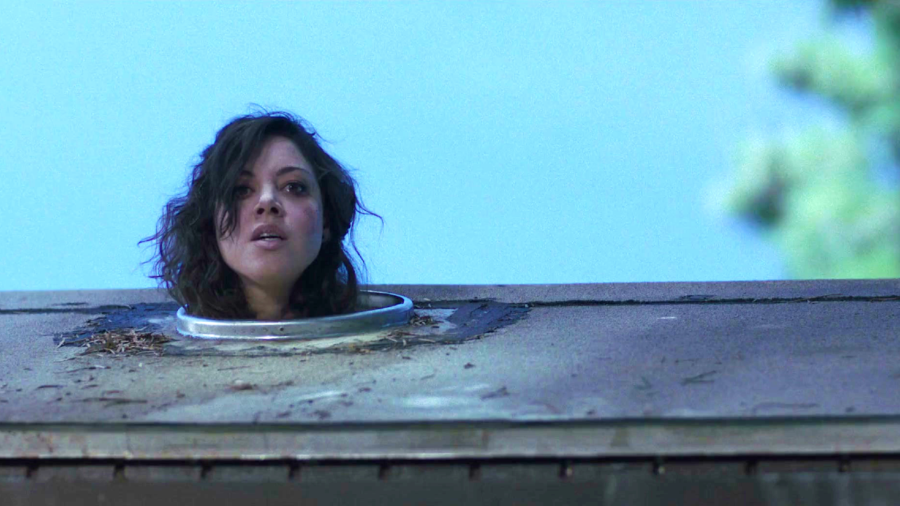
At face value, there’s really not much going on in Life After Beth, and there doesn’t need to be. Zach Orfman (Dane DeHaan) loses his girlfriend Beth Slocum (Aubrey Plaza) after a snake bite kills her, and everybody shows up for the funeral. Devastated after losing his first love, Zach confides in her parents, Maury (John C. Reilly) and Geenie (Molly Shannon). There’s an unspoken bond here because both Zach and Maury want to hold onto the good memories, not the low points.

Zach’s parents, Judy (Cheryl Hines) and Noah (Paul Reiser), along with his brother Kyle (Matthew Gray Gubler), grow concerned about his mental state as he spends more and more time with the Slocums. When they suddenly cut off contact, Zach spirals into a deeper depression.
As it turns out, shortly after Beth was buried, she dug herself out of her grave and made her way home, completely unaware of her own death. Maury and Geenie eventually allow Zach back into the picture once the truth is out, but there are rules. He can’t take Beth out in public during the day, and he can’t tell her she’s dead. What could possibly go wrong?
What Goes Wrong

Being that they’re horny teenagers and Beth doesn’t know she’s dead, Zach immediately breaks the rules, and that’s when everything starts to fall apart. Beth begins to decompose and act erratically after spending too much time in the sunlight, leading Zach to suspect that she’s a zombie. She’s also intensely jealous of Erica Wexler (Anna Kendrick), one of Zach’s closest childhood friends.
As time passes and Beth loses control of her faculties, it becomes clear she’s not the only one who’s come back. The entire community starts filling up with reanimated corpses, and they’re all hungry. Something that could have been avoided if the Slocums were less secretive.

While Aubrey Plaza deserves plenty of credit for fully committing to her zombie freakouts, everybody brings their A game to Life After Beth. John C. Reilly and Molly Shannon play this situation exactly how you’d expect real parents to handle it. They’re grateful to have their daughter back, but equally horrified. They’ve barely begun the grieving process, and now it’s been completely disrupted. There’s a gravesite, a funeral, and a reality they’re trying to ignore while pretending everything is fine.
Zach’s behavior pushes things even further. On some level, he’s totally fine with necrophilia if you really think about it, but I don’t think that’s how he sees it. He’s grieving in his own warped way. When Beth and Maury give their approval, there’s plenty of making out that becomes increasingly uncomfortable the more you bear witness to it.

The real magic happens when Zach and Beth are alone, because they’re exactly as dysfunctional as you’d expect. As Beth transitions further into her final zombie form, her mood swings become more violent, and Zach rolls with it until he can’t anymore. Every couple fights from time to time, and that’s the lens he uses to justify what’s happening.
Surprisingly Poignant Story About Grief
Absurd, slapstick comedy aside, Life After Beth is more than just a horror comedy because it shows how far people will go to avoid confronting their grief. Zach, Maury, and Geenie are all traumatized by Beth’s death, and even more so by her return. Instead of working through it, they lie to themselves until the lie spills over and starts affecting everything around them.

It’s a solid analogy for how destructive unprocessed grief can be. It doesn’t just sit quietly in the background. It spreads, it escalates, and eventually it forces itself into the open whether you’re ready for it or not.
Life After Beth is streaming on Netflix.
HBO Max has plenty of hot new movies and shows debuting in April 2026, but there’s only one series that’s dominating the conversation — Euphoria.
The Sam Levinson drama is finally returning for its third and reportedly final season, and it features original stars Zendaya, Jacob Elordi, Sydney Sweeney, Hunter Schaefer, as well as new additions to the cast like Sharon Stone.
Other notable debuts include Richard Gadden‘s Baby Reindeer follow-up, Half Man, and the streaming debut of Timothee Chalamet‘s Oscar-nominated sports film, Marty Supreme.
Watch With Us has compiled a complete list of all the new movies and shows on HBO Max in April 2026 below.

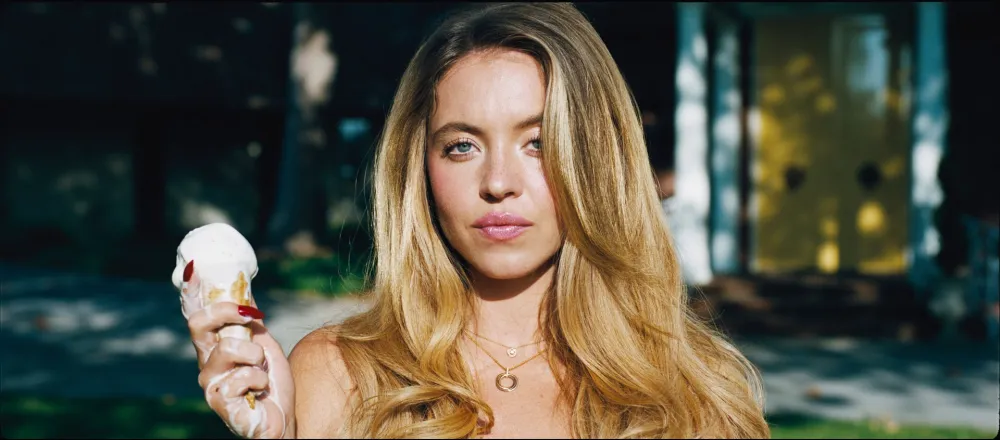
Sydney Sweeney in Euphoria season 3. HBO
April 1:
A Big Hand for a Little Lady
Abbott and Costello Meet Captain Kidd
Alien vs. Predator: Extended Cut
Alien
Alien 3
Alien 3: The Assembly Cut
Alien Resurrection
Alien Resurrection: Special Edition
Alien vs. Predator: Requiem: Extended Cut
Alien: Director’s Cut
Aliens
Aliens vs. Predator: Requiem
Aliens: Director’s Cut
Abbott and Costello In Hollywood
AVP: Alien vs. Predator
Blood on the Moon
Cabin in the Sky
Captain Horatio Hornblower
Carson City
Dallas
Deeply, Season 1
Deeply, Season 2
Deeply, Season 3
Evil Lives Here: My Child the Killer, Season 1 (ID)
Fort Dobbs
Fort Worth
Gunsmoke in Tucson
Inu-Oh
Man From the Black Hills
Maze Runner: The Death Cure
Mortal Kombat Legends: Battle of the Realms
Mortal Kombat Legends: Cage Match
Mortal Kombat Legends: Scorpion’s Revenge
Mortal Kombat Legends: Snow Blind
On Moonlight Bay
Out of the Past
Practical Magic
Rachel and the Stranger
Rancho Notorious
Renovation Aloha, Season 3 (HGTV)
Riding Shotgun
Rocky Mountain
Roughshod
San Antonio
Santa Fe Trail
Shoot-Out at Medicine Bend
Springfield Rifle
Tall in the Saddle
Tall Man Riding
The Bounty Hunter
The Boy and the Beast
The Devil Wears Prada
The Family
The Flame and the Arrow
The Hole in the Ground
The Left-Handed Gun
The Man
The Man Behind the Gun
The Man with a Cloak
The Mummy (1999)
The Mummy Returns
The Mummy: Tomb of the Dragon Emperor
The Naked Spur
The Oklahoman
The St. Louis Kid
They Died with Their Boots On
Thunder Over the Plains
Twister
Wagons West
Welcome to Plathville, Season 8 (TLC)
Westward the Women
Wichita

The 2026 Oscars were good for HBO Max — both One Battle After Another and Sinners won an armful of awards and can be streamed only on the Warner Bros.-owned streamer. But HBO Max has more than just award-winning films — it also streams some of the biggest hits of the past and present. In […]
April 2:
Body Bizarre, Season 8 (TLC)
Expedition Files, Season 4 (Discovery)
April 3:
Alien: Romulus
Dream Stage, Season 1
April 4:
Game Night
April 5:
Teen Titans Go!, Season 9G (Cartoon Network)
April 7:
Tropic Like It’s Hot, Season 1 (HGTV)
April 9:
Hacks, Season 5 (Max Original)
The World’s Tallest Man, Season 1 (HGTV)
April 10:
Artemis II: To the Moon and Back (Discovery)
Christy
House Hunters International: Volume 9, Season 208 (HGTV)
April 12:
Be My Guest with Ina Garten, Season 7 (Food Network)
Building Back America’s Trades, Season 1 (Magnolia Network)
Euphoria, Season 3 (HBO Original)
April 13:
Boy Band Confidential: A Hollywood Demons Event, Season 1 (ID)
Smiling Friends, Season 3B (Adult Swim)
April 14:
Rock The Block, Season 7 (HGTV)
The Dark Wizard (HBO Original)
April 15:
Nanny McPhee Returns
World’s Bargain Dream Homes, Season 1 (HGTV)
April 16:
One Day In My Body, Season 1 (TLC)
April 17:
Dust Bunny (Lionsgate)
House Hunters: Volume 11, Season 253 (HGTV)
April 18:
Belle Collective, Season 7 (OWN Network)
Krypto Saves the Day: Coastal Catastrophe
April 20:
Impractical Jokers, Season 12B
April 21:
Hollywood Demons, Season 2 (ID)
No Hard Feelings
April 22:
Jeff Dunham’s The Cars That Drove Us, Season 1 (Discovery)
April 23:
Half Man (HBO Original)

Jamie Bell and Richard Gadd in Half Man HBO
April 24:
48 Hrs: Escape From Chernobyl (Discovery)
HGTV Smart Home 2026 (HGTV)
House Hunters International: Volume 9, Season 209 (HGTV)
Marty Supreme (A24)
April 25:
Confessions of a Nazi Spy
The Mouthpiece
Stranger on the Third Floor

HBO Max started 2026 off with a loaded lineup of dramas, including A Knight of the Seven Kingdoms and The Pitt. But now, it’s time to send in the clowns as the streamer drops two big comedy shows in March. Thank You! You have successfully subscribed. Subscribe to newsletters Enter your email Please enter a valid […]
April 27:
24 in 24: Last Chef Standing, Season 3 (Food Network)
April 28:
Standoff: The FBI, Power and Paranoia, Season 1 (CNN)
NHL on TNT
April 1:
St Louis vs Los Angeles, 9 PM
April 5:
Minnesota vs Detroit
Boston vs Philadelphia
April 8:
Washington vs Toronto
Edmonton vs San Jose
April 12:
Pittsburgh vs Washington
April 15:
Detroit vs Florida
April 19:
NHL Playoffs, TBD
April 22:
NHL Playoffs, TBD
April 23:
NHL Playoffs, TBD
April 24:
NHL Playoffs, TBD
April 25:
NHL Playoffs, TBD
April 26:
NHL Playoffs, TBD
April 28:
NHL Playoffs, TBD
April 29:
NHL Playoffs, TBD
April 30:
NHL Playoffs, TBD
College Basketball – March Madness
April 4:
Final Four
April 6:
National Championship
US Soccer
April 11:
Japan vs USWNT
April 14:
Japan vs USWNT
April 17:
Japan vs USWNT
MLB
April 7:
LA Dodgers vs Toronto
April 14:
Chicago Cubs vs Philadelphia
April 21:
NY Yankees vs Boston
April 28:
Detroit vs Atlanta

Fantasy fans are better served on HBO Max than science fiction fans. There’s some overlap between the two fandoms, but HBO Max clearly favors one over the other. Thank You! You have successfully subscribed. Subscribe to newsletters Enter your email Please enter a valid email. Subscribe By signing up, I agree to the Terms and […]
ALL ELITE WRESTLING (AEW) IN APRIL
April 2:
AEW Dynamite, 8 p.m.
April 5:
AEW Collusion, 8 p.m.
April 6:
AEW Dynamite PPV, 8 p.m.
April 9:
AEW Dynamite, 8 p.m.
April 12:
AEW Collision, 8 p.m.
April 16:
AEW Dynamite: Spring Breakthru, 8 p.m.
April 17:
AEW Collision: Spring Breakthru, 8 p.m.
April 23:
AEW Dynamite, 8 p.m.
April 26:
AEW Collision Playoff Palooza, 8:30 p.m.
April 30:
AEW Dynamite, 8 p.m.
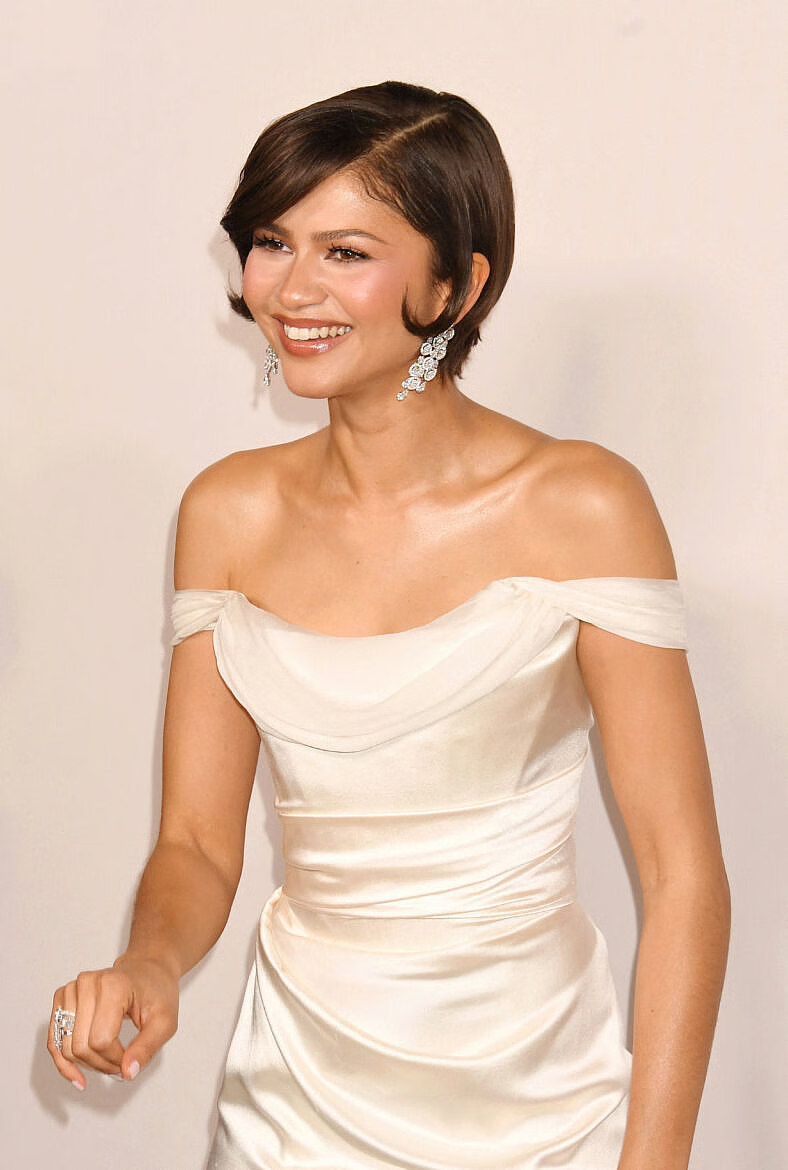
Zendaya always knew what type of wedding she wanted long before finding her perfect half, Tom Holland.
The sensational entertainer has been keeping fans guessing about the status of her relationship with her “Spider-Man” co-star. The pair is rumored to be married, but has yet to confirm or deny the speculations.
Now, a resurfaced clip has confirmed Zendaya never wanted a fanfare for her union, and the reason is quite touching.
Zendaya Once Declared Her Love For An ‘Intimate’ Union

The resurfaced video captured Zendaya on the red carpet at the Los Angeles premiere of the hit movie “Blended” in 2014. She looked stunning in an all-black ensemble, radiating her ever-consistent youthful glow as she flashed her toned midriff in a crop top.
While speaking to Entertainment Tonight, Zendaya was asked what kind of wedding she wanted when she eventually decided to walk down the aisle. The model wasted no time answering the question, revealing that she had always known what type of ceremony she wanted.
“I want, like, a small and intimate. More like just me and like my close family and friends. Relatives,” Zendaya declared, before explaining why she did not want a large wedding ceremony. “You know, I don’t want to go to my own wedding and be like, ‘Who are they?’” she said.
The Disney Alum Addressed Her Refusal To Confirm Or Deny The Marriage Rumors

Zendaya’s past comments matched her recent reaction to speculation about her marriage to Holland. The rumors intensified after her stylist, Law Roach, claimed the couple had secretly tied the knot during a red carpet appearance at the 2026 Actor Awards on March 1.
During an April 1 appearance on The New York Times’ “Modern Love” podcast, Zendaya explained why she and Holland have failed to confirm or deny the rumors. She noted that it felt like there was “this level of a parasocial investment” in her personal relationship, and she wasn’t a fan of it.
Zendaya acknowledged that she and Holland are public figures whose love life played out in the public eye, and she did not want to dismiss fans’ interest in them. Nonetheless, she and Holland needed their privacy and wanted certain aspects of their lives to themselves.
The Couple Isn’t Hiding But Preserving Their Privacy

Zendaya continued that she wasn’t oblivious to fans’ interest in her relationship status, saying, “I hear it, but also my own little boundaries of what I like to bring up and talk about, but then also what I’m willing to share.”
Zendaya stressed that she and Holland weren’t trying to “hide from the world. Instead, their actions stemmed from their decision to “preserve things for ourselves so that we can maintain that joy just within ourselves and our loved ones and our family.”
“In a lot of ways, I’m also a very private person, and I try my best to be able to have things for myself and for him as well,” Zendaya explained. Her words came days after she addressed the viral AI-generated images of her alleged wedding to Holland.
The ‘Dune’ Actress Said People Were Deceived By The AI Wedding

Last month, The Blast reported that Zendaya appeared on “Jimmy Kimmel Live!” to address the marriage speculation. When the host brought up the AI-generated images of her secret wedding to Holland, she revealed the pictures had deceived people in her circle.
When asked whether people got upset that they weren’t invited to the wedding, Zendaya confirmed that “many people” were mad. She also poked fun at the claims of a secret wedding, using the moment to promote her new movie, “The Drama.”
Zendaya claimed she was sharing footage from her actual wedding ceremony, but it was a badly photoshopped image of Holland’s head on her co-star, Robert Pattinson’s body. She joked about the clip’s authenticity, claiming it was real rather than AI-generated.
Zendaya Fueled The Marriage Rumors In Paris

Although Zendaya and Holland have not publicly confirmed or denied the marriage speculations, it did not stop fans from drawing their own conclusions. The Blast shared in March that Zendaya’s actions had further ignited the wedding rumors.
The Golden Globe Award honoree gave fans plenty to talk about during the Paris premiere of her new movie. She stepped out in a bridal-themed ensemble, rocking a white dress and a curly side bob haircut.
Naturally, eyes were drawn to the three diamond rings on her fingers, particularly the one on her left ring finger. Zendaya’s new movie with Pattinson is set to hit theatres on April 3. The Blast reported that she declared she would take a break after undertaking multiple projects scheduled for 2026 releases.
We got a texttt, Roomies! The weather is heating up, the baddies are outside, and new cast bombshells will soon be entering the villa.
From dramatic recouplings to sweet love stories, many ‘Love Island USA’ fans can’t wait to see who will be gracing our screens this year. Well, the wait won’t be long, because we’ve got the FIRST LOOK at the official cast.
And from the looks of it, that ‘Baddies’ x ‘Love Island’ crossover might be coming sooner than we expected.
RELATED: Huda Mustafa And Louis Russell Speak Out After His Ex-GF Is Granted Restraining Order Against Reality Star (PHOTOS)
‘Love Island USA’ Officially Renewed For Season 8
Earlier this month, Variety revealed that Peacock renewed ‘Love Island USA’ for Season 8. The show is set to premiere June 2nd with Ariana Madix returning as host.
The renewal comes after ‘Love Island USA’ continues to dominate the charts.The show skyrocketed during Season 6, with many viral moments taking over our timelines. It went on to become the most-watched reality series of summer 2024.
Season 7 also pulled major numbers, with a few controversial moments from the cast and even more viral clips, racking up over 18.4 billion minutes streamed on Peacock and holding the No. 1 streaming original spot in the U.S. for six consecutive week
Many Of Your Faves Enter New Eras As ‘Baddies USA’ Officially Wraps Up
‘Baddies USA’ Chapter One recently wrapped on Sunday, many of the outros had us shedding a few tears as the baddies reflected on everything they went through this season. From music to motherhood, it’s clear a new era is underway.
Ahna Mac, who got a bit emotional, revealed this will be her final season of ‘Baddies.’ As y’all know, Ahna recently celebrated her engagement with baseball player Jazz Chisholm Jr. Ahna has been very open about growth and ready for wifey life.
She penned a writing, “Don’t be sad guys, just come watch me on YouTube. I don’t know why everyone is so sad, y’all getting a better version of me! Now I have more time to build my farm and make my day-in-life videos, and I have so much more coming. The journey does not stop here. It only gets better, I PROMISE.”
Scotlyn “Scotty” Ryan is also enjoying her new era as she counts down the weeks until she welcomes her baby with Zeus CEO Lemuel Plummer. The couple recently cleared up misconceptions, revealing that they are not in an open relationship. They shared that they are very much in love and are even talking about having another baby in the future, teasing the idea of a “Lil Baby Lemmy.”
Baddies X Love Island? Here’s What’s In Store For The Season 8 Cast
As new chapters begin and relationships continue to grow, one thing is clear love is in the air, and it looks like we might be seeing another baddie step into a new journey real soon.
A source tells us that if you loved Season 6 and Season 7, this season is set to be even more intense, with a mix of drama and kick-your-feet moments as a new group of strangers searches for love. That means hotter bombshells, more romantic dates, crazier challenges, and even more unexpected twists.
Before we reveal the full cast, we’ll give y’all a few hints about the “baddie” who will be entering the villa. Hint: She’s talented and can spit a few bars, always serves in every confessional look, and never backs down from getting her get-back.
Scroll down to see who…
The baddie who will be entering the villa is the baddest of them all, Ms. April Fools. It’s safe to say June definitely has some expected surprises in store.
If you made it this far, thank you for always being a tuned-in Roomie and staying caught up. Happy April 1st!
RELATED: Crossover OTW? Natalie Nunn & Biggie React After ‘Love Island’ Star Nic Shows Love To His Favorite ‘Baddies’ Cast Member
What Do You Think Roomies?

NewsBeat1 minute ago
Dwindling diesel and jet fuel supplies due to Iran war prompt warning from EU – as return to 2022 measures considered | World News

Business2 minutes ago
Keurig Dr Pepper completes deal for JDE Peet’s

Crypto World3 minutes ago
JPMorgan Weighs Prediction Markets as Sector Expands


-

 News Videos7 days ago
Parliament publishes latest register of MPs’ financial interests
-

 Business6 days ago
Instagram, YouTube Found Responsible for Teen’s Mental Health Struggle in Historic Ruling
-
 Tech6 days ago
Intercom’s new post-trained Fin Apex 1.0 beats GPT-5.4 and Claude Sonnet 4.6 at customer service resolutions
-

 NewsBeat5 days ago
The Story hosts event on Durham’s historic registers
-

 Sports5 days ago
Sweet Sixteen Game Thread: Tide vs Michigan
-
Entertainment2 days ago
Fans slam 'heartbreaking' Barbie Dream Fest convention debacle with 'cardboard cutout' experience
-
 Entertainment4 days ago
Lana Del Rey Celebrates Her Husband’s 51st Birthday In New Post
-
Crypto World1 day ago
Dems press CFTC, ethics board on prediction-market insider trades
-

 Sports1 day ago
Tallest college basketball player ever, standing at 7-foot-9, entering transfer portal
-

 Tech3 days ago
The Pixel 10a doesn’t have a camera bump, and it’s great
-

 Entertainment7 days ago
HBO’s Harry Potter Series Will Definitely Fail For One Big Reason, And It’s Not J.K. Rowling Or Snape
-

 Crypto World2 days ago
U.S. rule change may open trillions in 401(k) funds to crypto
-

 Tech1 day ago
How to back up your iPhone & iPad to your Mac before something goes wrong
-

 Fashion6 days ago
En Vogue in Brown Leather and Tailored Neutrals by Atelier Savoir, Styled by J Bolin
-

 Politics2 days ago
Should Trump Be Scared Strait?
-

 Tech1 day ago
EE TV is using AI to help you find something to watch
-

 Fashion6 days ago
What Are Your Favorite T-Shirts for the Weekend?
-

 Fashion5 days ago
Weekly News Update, 3.27.26 – Corporette.com
-

 Tech2 days ago
Flipsnack and the shift toward motion-first business content with living visuals
-

 Fashion4 days ago
Amazon Sundays: Soft Spring Layers
You must be logged in to post a comment Login