Entertainment
‘Lord of the Rings’ Meets ‘Game of Thrones’ in Prime Video’s Cancelled 3-Part Fantasy Epic

By the time The Wheel of Time became the show it was supposed to be, Prime Video had already decided it was over. Amazon canceled the fantasy series in May 2025, just two months after its best-reviewed season premiered. That was a real loss, not just for the fanbase but for fantasy television in general, because nothing else on the air was working with source material this deep. Robert Jordan’s series spans 14 novels, hundreds of characters, and thousands of years of fictional history. It occupies a strange middle ground in the genre, with the mythic, chosen-one architecture of Tolkien’s work and the political scheming, moral grayness, and sprawling cast of George R.R. Martin’s. For years, it was the fantasy epic that everyone said was unadaptable. Then Prime Video tried anyway.
When the series debuted in November 2021, it arrived in a streaming landscape that was already crowded with high-fantasy competition and skeptical book readers. Amazon had bet billions on The Rings of Power, and The Wheel of Time was supposed to be its scrappier, narrative-driven counterpart. Where Rings of Power chased spectacle, Wheel of Time chased story, building out a world where magic is gendered and feared, where prophecy is a political weapon, and where the line between savior and destroyer depends on who’s telling the tale.
The Game of Thrones comparisons were inevitable, so the show leaned into them. Rosamund Pike’s Moiraine operated with the same calculated ruthlessness as any Westerosi power player, and the ensemble of young leads mirrored the way Thrones scattered its Starks across a continent and let the audience track each thread.
Sure, Seasons 1 and 2 were uneven. COVID shutdowns gutted the first season’s finale when Barney Harris, who played Mat Cauthon, departed during production. The second season rebuilt on steadier ground, but the pacing still felt like a show trying to compress thousands of pages into eight-episode orders, racing past the character moments that made Jordan’s books so memorable. Critics were mixed, while audiences were patient but vocal about what was missing. Then Season 3 arrived in March 2025, and everything clicked.
‘The Wheel of Time’ Finally Became the Show Fans Were Waiting For in Season 3
The show’s third season earned a 97% critics’ score on Rotten Tomatoes, a record for the series and one of the highest marks any fantasy show on any platform has posted. It debuted as the No. 1 show on Amazon in dozens of countries and pulled 534 million minutes of viewing in its premiere week, slightly up from Season 2’s launch. Collider’s own review said it raised the bar in every way. For the first time, the adaptation felt like it was living up to the scope of Jordan’s world instead of just alluding to it.
Of course, the elevator pitch hadn’t really changed. Pike’s Moiraine pulls five young villagers into a world-ending conflict because one of them is the reincarnation of a figure prophesied to save the world… or break it. The show splits them across continents from there, and what makes it work is that it takes every one of those five arcs seriously. There are characters learning to wield dangerous magic they can barely control, ones discovering abilities that terrify them, outcasts being exploited precisely because they underestimate themselves. By Season 3, every thread is paying off at the same time. That season adapts The Shadow Rising, widely considered the strongest book in Jordan’s series, and it shows.
The Aiel Waste storyline drops the show into a visual and cultural landscape that feels nothing like the European-coded fantasy audiences are used to, and Episode 4, “The Road to the Spear,” is the standout: a hallucinatory trip through thousands of years of history with Josha Stradowski playing seven versions of his character in a single episode. It’s the kind of swing that fantasy television rarely takes these days, one that leverages the otherworldly promise the genre brings.
Why ‘The Wheel of Time’ Is Still Worth a Watch

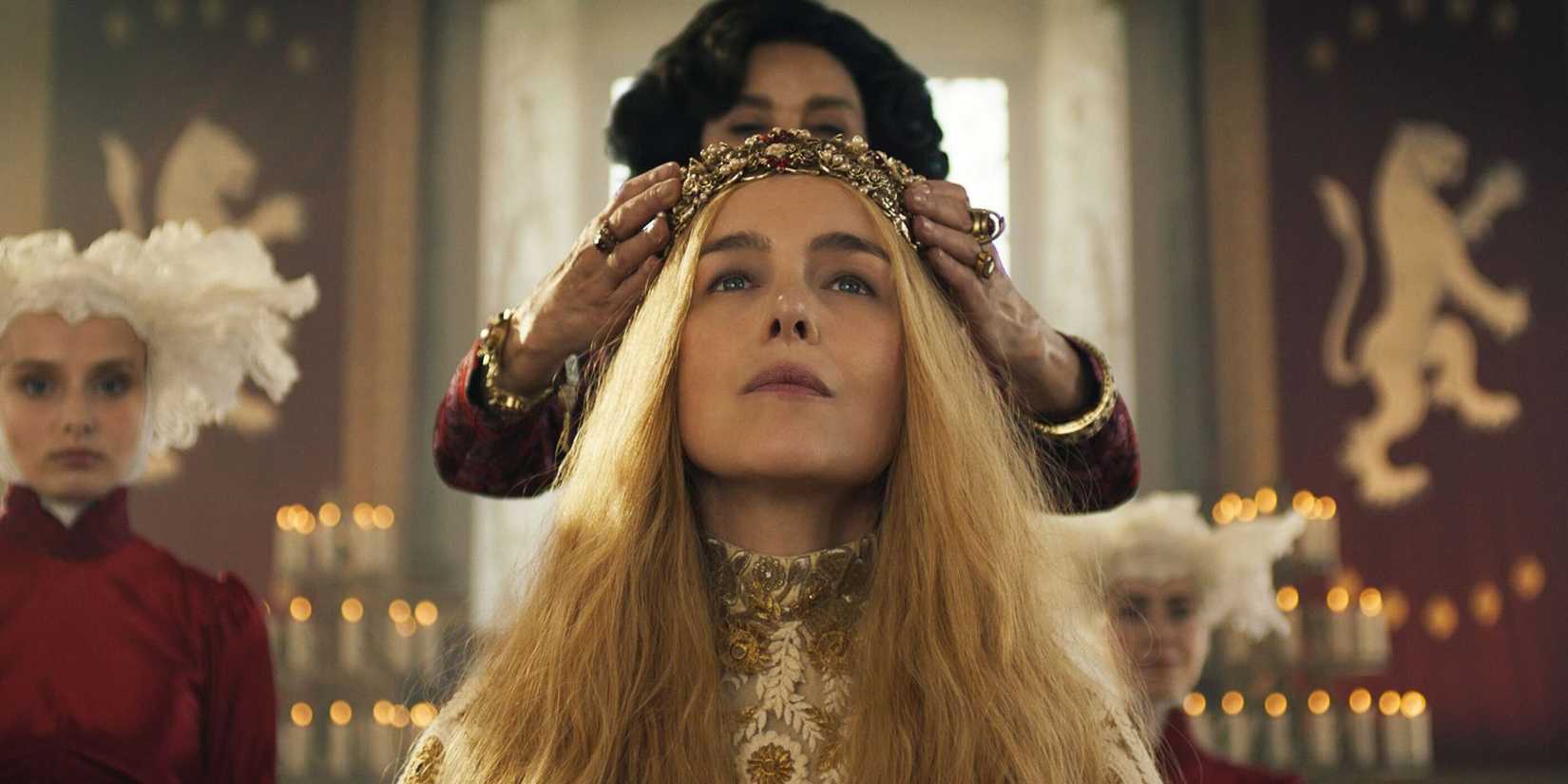
But two months after the Season 3 drop, Amazon canceled it. The decision blindsided fans and the creative team alike. Showrunner Rafe Judkins broke his silence in early June, calling it “a devastating blow,” saying the fans “deserve to see the story finished.” He pointed to a broader industry trend of shorter seasons and fewer renewals, framing the cancellation as symptomatic of a business model that has grown hostile to the kind of long-form storytelling a 14-book series demands.
But the cost-per-viewer calculation obscures what was actually happening on screen. By Season 3, the show had found its identity, the specific thing it could do that no other fantasy series on television was doing: balancing intimate character work with a mythology that operates on a genuinely cosmic scale, where time itself is cyclical, and the past doesn’t just inform the present but literally repeats through it. That’s the cruelest part of the cancellation. The show didn’t get worse and get axed. It got substantially better and got tossed in the streaming dumpster anyway.
But the franchise isn’t dead. Iwot Studios announced in March 2026 that animated projects are in development, with Arcane producer Thomas Vu attached. There’s talk of animated movies and a video game. Judkins himself expressed hope that the live-action version might find a new home, invoking The Expanse’s jump from Syfy to Amazon as precedent. But the live-action series as it existed, with its cast and the momentum of its best season, is gone. The show, though, is still right where Amazon left it. Three seasons, all streaming on Prime Video, each one better than the last. It’s worth a watch, despite knowing how it ended.

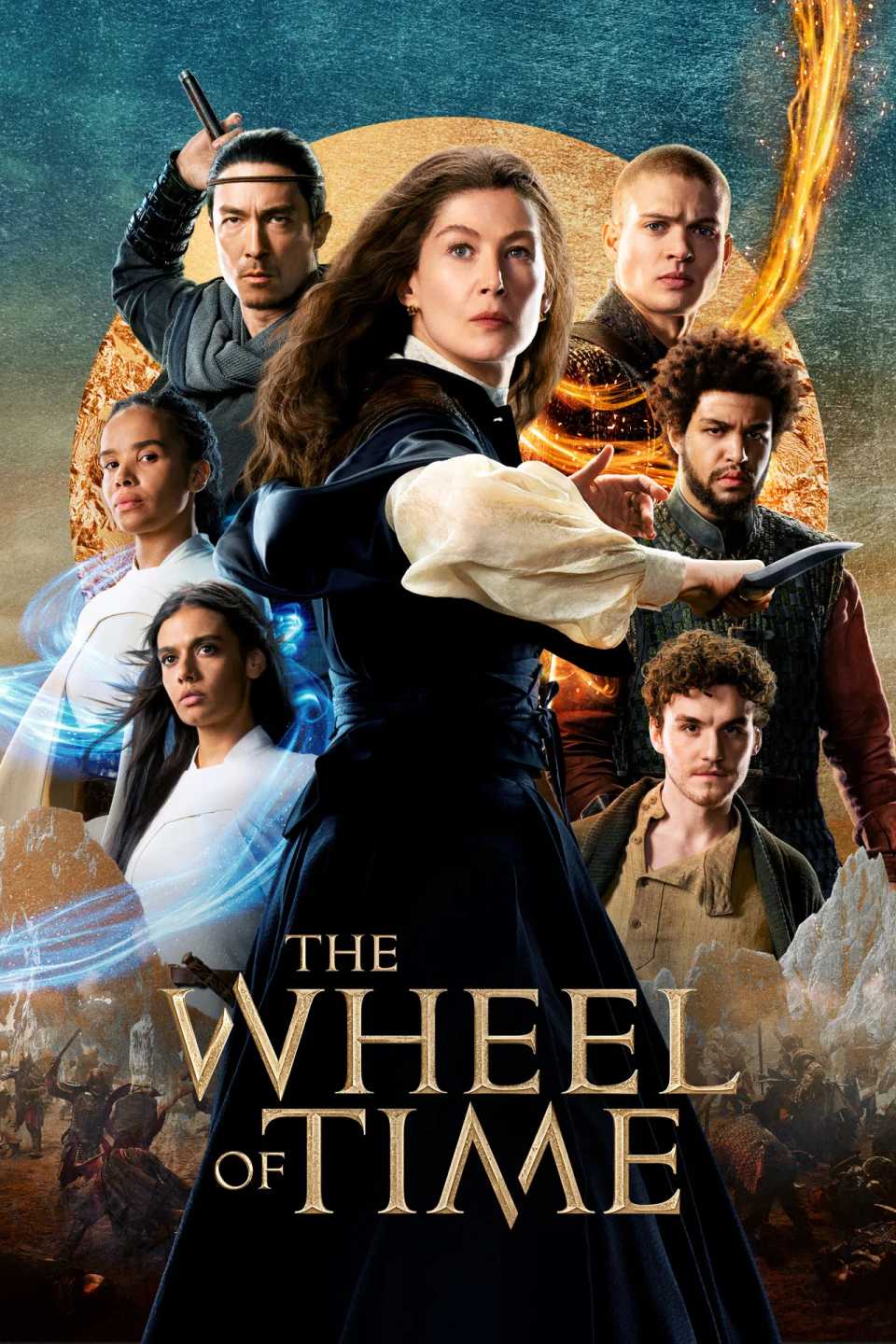
The Wheel of Time
- Release Date
-
2021 – 2025-00-00
- Network
-
Prime Video
- Showrunner
-
Rafe Judkins
- Directors
-
Sanaa Hamri, Ciaran Donnelly, Salli Richardson-Whitfield, Thomas Napper, Maja Vrvilo, Wayne Che Yip
You must be logged in to post a comment Login