Entertainment
Only 3 Fantasy Movies Are Better Than The Lord of the Rings

First things first: The Lord of the Rings is the apex of cinematic fantasy. A flawless adaptation of J.R.R. Tolkien‘s literary masterpiece, Peter Jackson‘s three movies are spectacular examples of how large, epic-scale spectacle can go hand-in-hand with emotional, riveting, and deeply rewarding storytelling. The result is three movies that are not only genuine modern masterpieces but also the best examples of cinematic fantasy.
That being said, just because The Lord of the Rings is perfect, it doesn’t mean that some movies can’t be better. Think of it this way: Goodfellas is a brilliant gangster movie, but The Godfather is arguably better. In the case of fantasy, very few movies can claim to be better than Jackson’s trilogy — in fact, only three. Whether because of their approach, worldbuilding, or more affecting storylines, these fantasy movies outrank LOTR in the fantasy department, ever so slightly. It’s important to note that these fantasies cover similar topics as Jackson’s movies — after all, it would be silly to compare a high fantasy epic like LOTR to a fairy tale like Beauty and the Beast — and they might just do it better.
‘Howl’s Moving Castle’ (2004)
Quite possibly the hottest take on this list, Hayao Miyazaki‘s Howl’s Moving Castle is nothing short of a modern masterpiece. A simple yet profoundly powerful statement on war and its futility, the film is Studio Ghibli’s best and one of the most faultless entries into the fantasy genre. Adapted from the eponymous novel — and I mean really adapted — the film follows Sophie (Emily Mortimer), a young hatmaker who finds herself cursed by the Witch of the Waste (Lauren Bacall). Now turned into an old woman (Jean Simmons), Sophie must venture into the unknown to seek the help of the powerful wizard Howl (Christian Bale).
Miyazaki created Howl’s Moving Castle in response to the US invasion of Iraq in 2003, and it’s genuinely tragic how its anti-war message could perfectly resonate in 2026. Beautifully animated and ingeniously crafted, the film presents a distinct, Steampunk-influenced world with just enough lore to be compelling without overwhelming. Its message about the beauty and freedom of old age is especially resonant today, in a society obsessed with youth that discards and often forgets its elders. The characters are endearing and deeply relatable, especially Sophie, a unique heroine among Ghibli’s canon whose greatest strength lies in her empathy and warmth. Howl’s Moving Castle is a masterpiece in every sense of the word, and its message has not only aged beautifully but has also grown more important in the decades since its release.
‘Pan’s Labyrinth’ (2006)

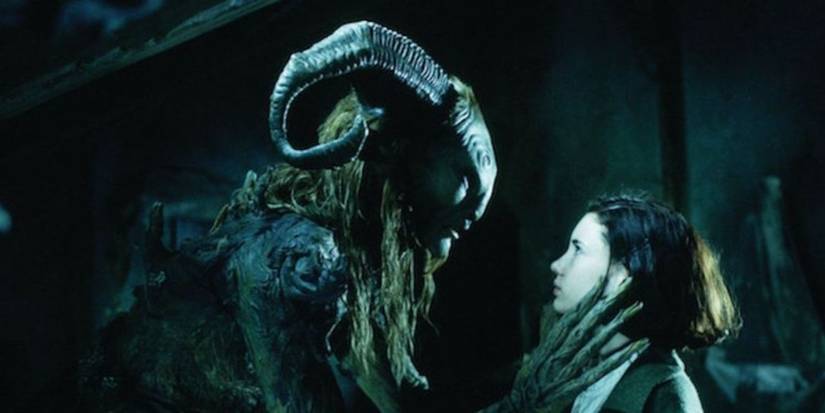
No director has mastered the fantasy genre in the 21st century as perfectly as Guillermo del Toro. From Gothic tales like Crimson Peak and Frankenstein to subversive fairy tales like The Shape of Water and his take on Pinocchio, del Toro is the true master of modern fantasy. However, his magnum opus is undoubtedly 2006’s Pan’s Labyrinth, quite possibly the greatest dark fantasy to ever grace the silver screen. Set in Francoist Spain, the film centers on young Ofelia (Ivana Baquero), a girl traveling with her pregnant mother to the countryside, where her stepfather, the sadistic Captain Vidal (Sergi López), hunts for rebels. Soon, Ofelia meets a faun, who tells her she’s the reincarnation of a princess and must undergo a series of tasks to reclaim her throne.
Overflowing with creativity and a biting, brutal approach to the horrors of war and tyranny, Pan’s Labyrinth is a masterclass in fantasy filmmaking, the likes of which we hadn’t seen before and haven’t seen since. The film is part sinister fairy tale, part war movie, and del Toro pulls no punches in portraying the ruthless nature of conflict. For their part, the fantasy elements are just as unforgiving, with Ofelia facing all manner of difficulties, most famously the sinister Pale Man. Yet, the core of Pan’s Labyrinth is all human. Del Toro explores the importance of rebellion in the face of injustice and despotism, using the premise to blur the lines between reality and fantasy and showcasing the unique and ultimately invincible power of imagination, as many of his projects do. The result is a triumph of the genre, a towering achievement that has aged like the finest of wines.
‘The Seventh Seal’ (1957)

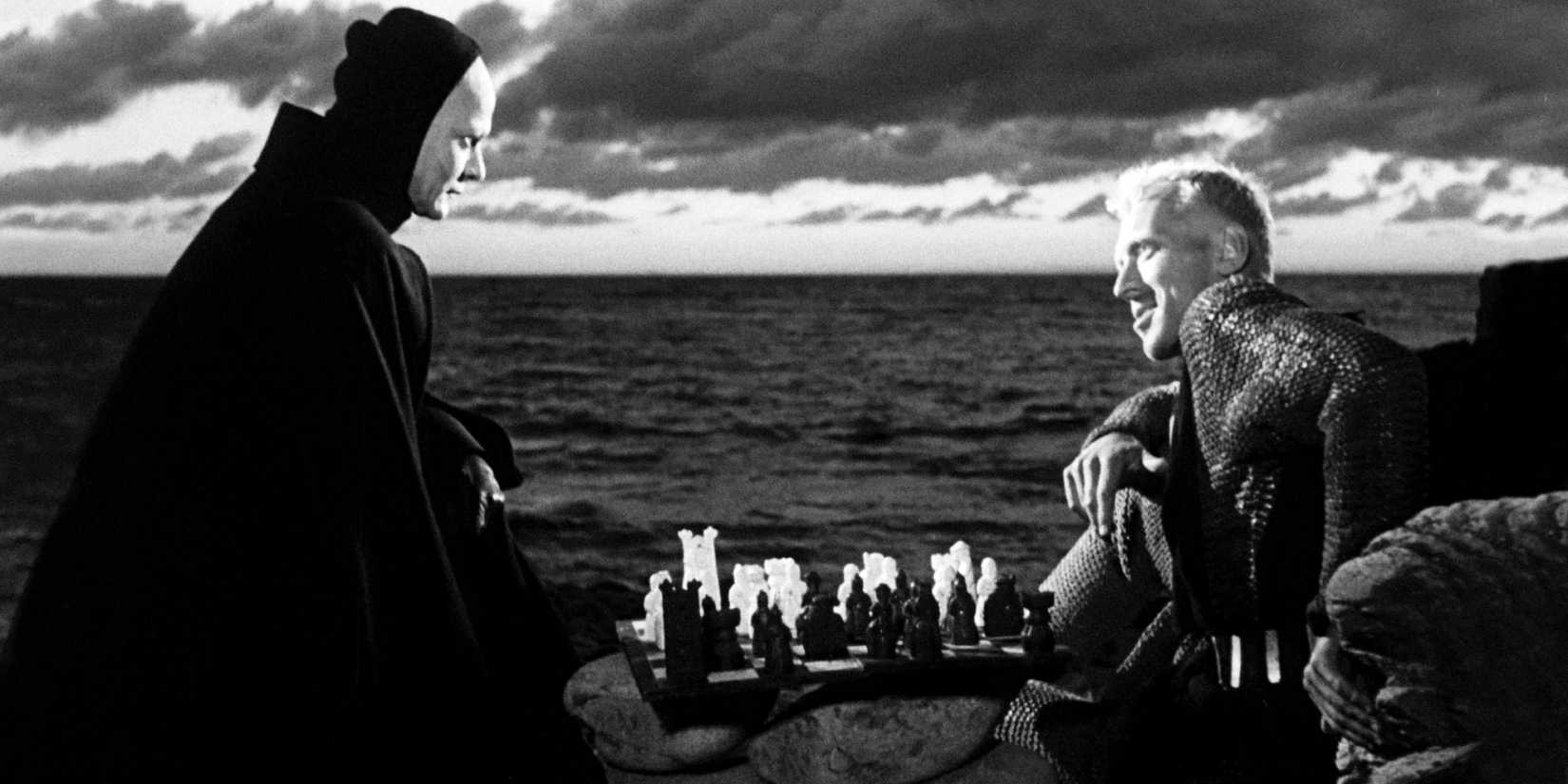
Ingmar Bergman is one of the best directors in cinematic history. He’s also among the most controversial, which has only made him a more fascinating, albeit understandably tricky to discuss. Among his remarkably strong oeuvre, perhaps the project that stands out the most is The Seventh Seal, his existential historical fantasy starring Max von Sydow as a medieval knight and Bengt Ekerot as the personification of Death. The two face off in a chess match, as Death comes to claim the knight’s life at the height of the Black Plague ravaging Europe.
Highly allegorical, The Seventh Seal blends religious messages with a profound examination of the nature of life and death. Although war is in the background, the Crusades are crucial to the desolate, broken world that Bergman builds here. Von Sydow’s knight is disillusioned and cynical, aiming to perform one last great deed before the end of a life he now considers aimless. Faith is also a strong theme, with Bergman pondering the concept of “the Silence of God” and the apparent futility of faith itself. Most impressively, The Seventh Seal finds just the right balance between artistic pretension and meaningful storytelling. Make no mistake, it is a pretentious movie, but there’s genuine power in its existential message about God, conviction, meaning, and the pursuit of logic in a world where nature will always win.
You must be logged in to post a comment Login