Entertainment
Only 3 Fantasy Movies Have Better Music Than The Lord of the Rings

In the realm of fantasy, the Lord of the Rings trilogy reigns supreme as possibly the greatest cinematic achievement the genre has ever seen. Based on the seminal, pioneering novels by J. R. R. Tolkien, the trilogy follows Frodo Baggins (Elijah Wood) on a quest to destroy the One Ring, a powerful item capable of subduing all the free people of Middle-earth. The movies broke new ground, dominating the box office and earning a whopping 17 Oscar wins out of 30 nominations. In short, they revolutionized fantasy and marked a distinct before and after, influencing every genre movie released since.
A huge reason behind their success is Howard Shore’s iconic score, which effortlessly captures the mythical, mysterious, and inviting nature of the franchise. The opening track of The Fellowship of the Ring, aptly titled “One Ring to Rule Them All,” is among the most evocative compositions in cinematic history, becoming deeply influential and universally known. Indeed, few cinematic scores have ever achieved the same level of mainstream acclaim or awareness. And yet, one can easily argue that at least three fantasy movie scores are better than The Lord of the Rings. Of course, it’s all a matter of perception and personal taste, and many of you might already be convinced that Shore’s work in Peter Jackson‘s trilogy is simply unbeatable. However, these three movie scores are just as iconic and acclaimed; they all arguably surpass The Lord of the Rings in terms of mainstream awareness, and they might also be better representatives of the fantasy genre.
‘Pirates of the Caribbean: The Curse of the Black Pearl’ (2003)

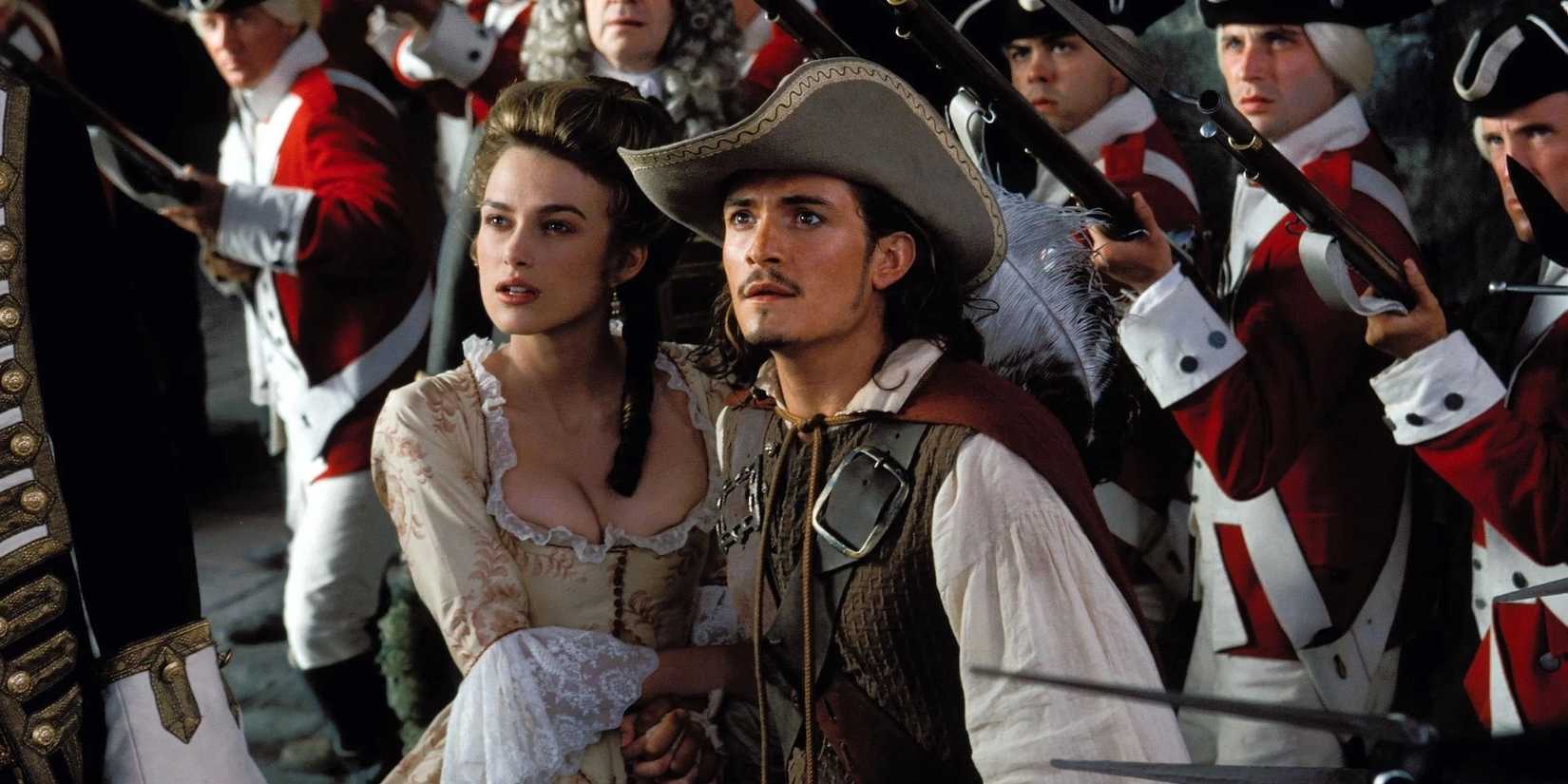
Gore Verbinski‘s Pirates of the Caribbean: The Curse of the Black Pearl is not a perfect movie, but damn it, it’s fun. The story centers on blacksmith Will Turner (Orlando Bloom), who harbors a crush on the governor’s daughter, Elizabeth Swann (Keira Knightley). When she gets kidnapped by a band of pirates, Will reluctantly teams up with infamous pirate Captain Jack Sparrow (Johnny Depp) to rescue her. As for the kidnapper, they’re a band of undead pirates led by Captain Hector Barbossa (Geoffrey Rush), on a quest to reunite all the pieces of an ancient Aztec cursed treasure so they can regain their mortality.
Pirates of the Caribbean: The Curse of the Black Pearl is a genuine adventure masterpiece, a riotous and thrilling journey that single-handedly revived the swashbuckling genre on the big screen. A huge reason behind its success is Klaus Badelt‘s epic, exhilarating score, which has become synonymous with the adventure genre as a whole. At that point, Badelt was a relative newcomer with only a few movies under his belt. Collaborating with Hans Zimmer for most of the score’s primary themes, Badelt composed an unforgettable score capable of waking the sense of wonder and adventure in anyone who hears it. Indeed, the film’s most famous theme, “He’s a Pirate,” perfectly captures the very essence of pirate life: it’s exciting, enthusiastic, slightly over-the-top, and instantly iconic. Today, the Pirates franchise might not be what it once was, but the score, especially for the first three movies, is among its best and most acclaimed aspects. Listen to “He’s a Pirate” and tell me you don’t want to set sail to the high seas on your own outlaw escapade.
‘Harry Potter and the Sorcerer’s Stone’ (2001)
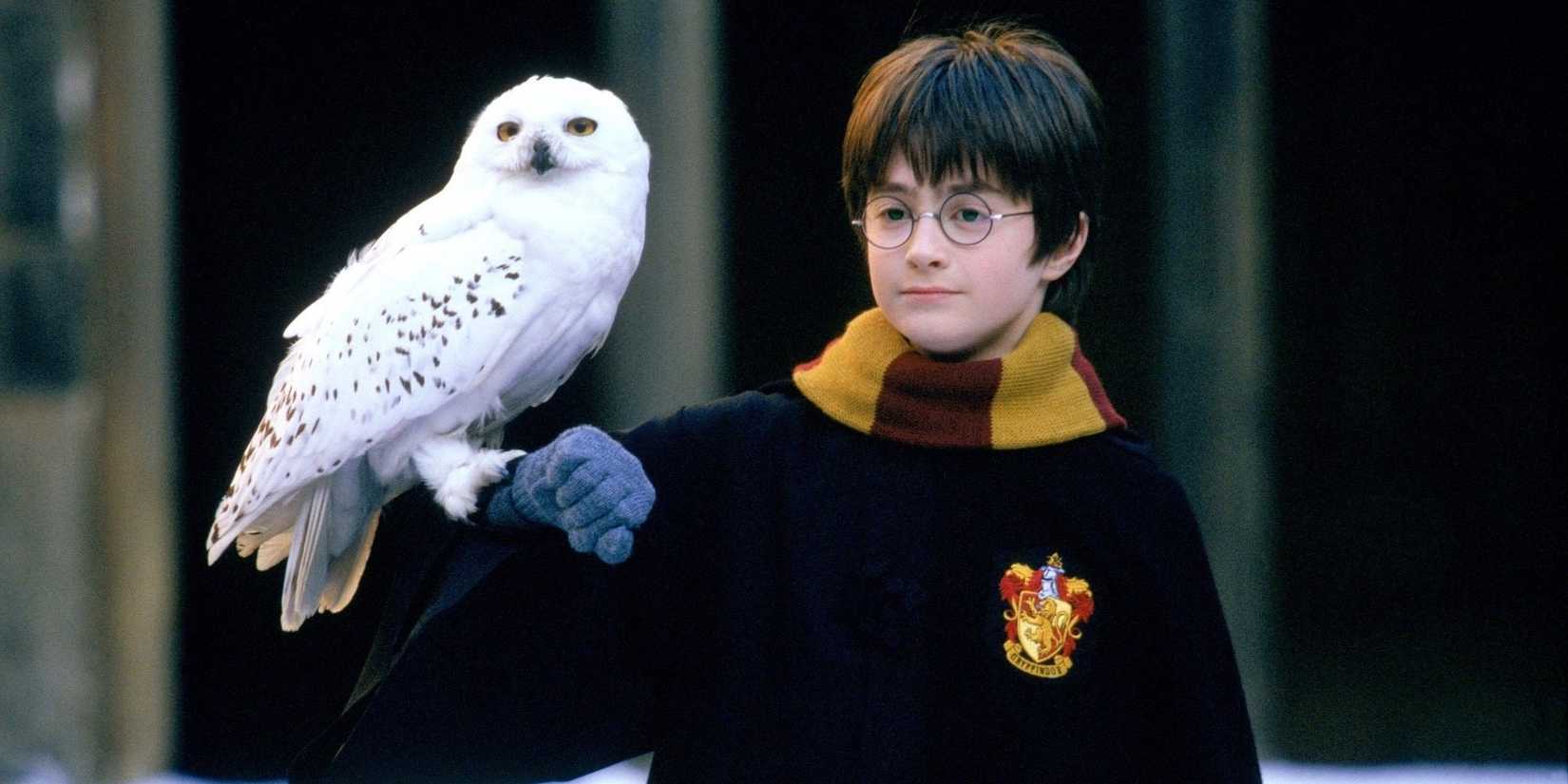
In many ways, the Harry Potter saga is intrinsically tied to The Lord of the Rings. Both Harry Potter and the Sorcerer’s Stone and The Fellowship of the Ring premiered in 2001 to massive critical and commercial acclaim; both played a pivotal role in revitalizing the fantasy genre on the big screen, both were based on literary juggernauts that marked their respective generations, and both spawned billion-dollar film franchises that remain influential to this day. As it turns out, they also both have arguably the most celebrated and well-known scores in the fantasy genre, but while the Rings movies are objectively better by almost every metric, the Boy Who Lived wins the battle for score supremacy.
Composed by the one and only John Williams, the score for Harry Potter and the Sorcerer’s Stone pretty much defined the concept of magic for an entire generation. It’s whimsical, playful, haunting when it needs to be, yet joyous throughout and simply impossible to forget once you’ve heard it. Like the first two movies, the score has a childhood aspect that fits with the story’s tone; however, it’s also surprisingly versatile, easily transitioning to a darker, more somber tone when the moment calls for it. Of all the tracks in the first movie’s soundtrack, it’s “Hedwig’s Theme,” the one considered the main theme of the entire Potter saga, that easily stands out. In fact, “Hedwig’s Theme” might as well be the unofficial soundtrack to fantasy as a whole; chances are that, if you think about the genre, the opening notes to this masterful tune come to mind. To put it simply, “Hedwig’s Theme” is to fantasy what the “Star Wars Main Theme” is to science fiction. There’s really not much else to say.
‘Pinocchio’ (1940)
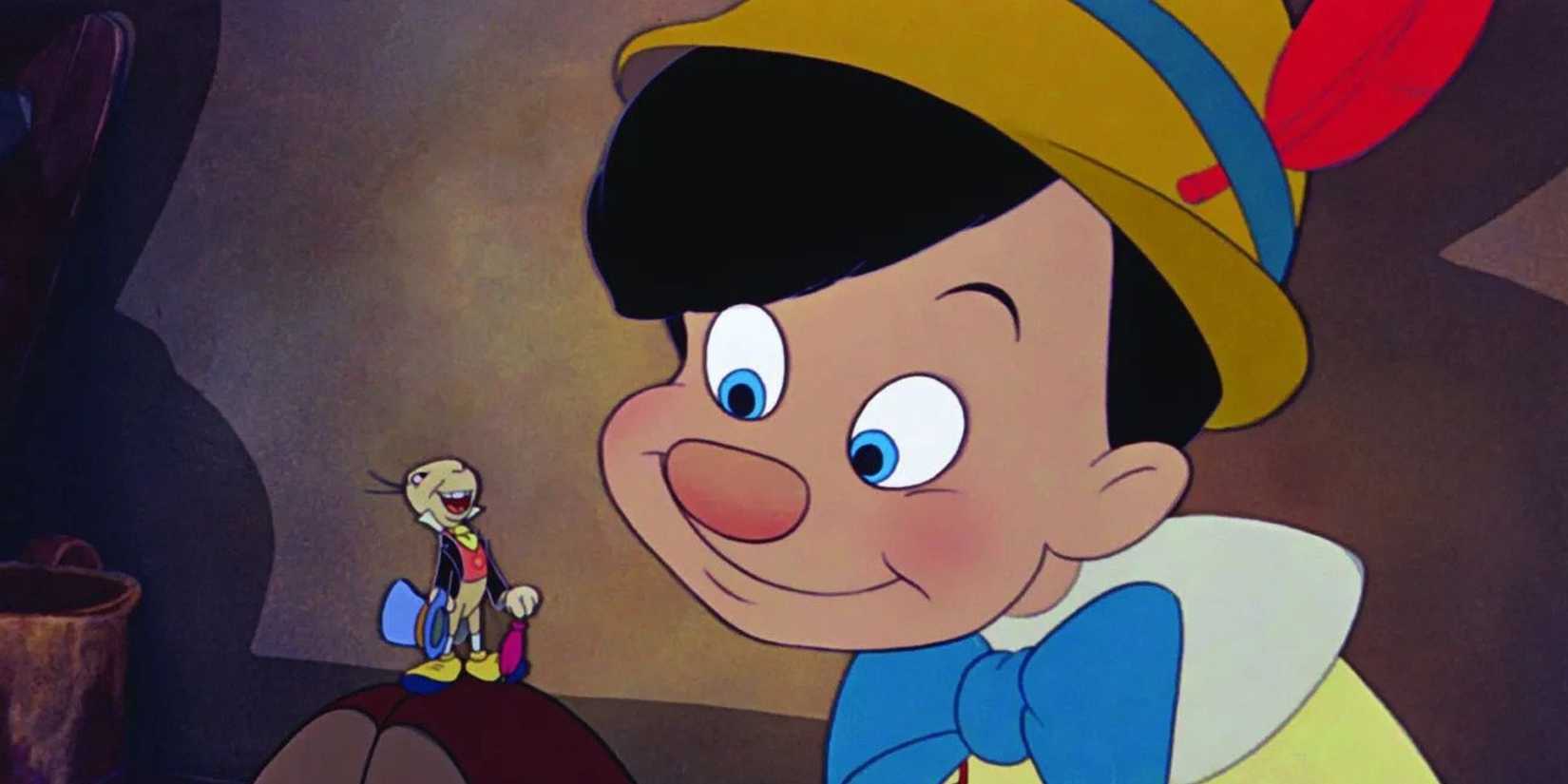
In 1940, Disney released what remains, to many, the studio’s crowning achievement and its most emblematic effort: Pinocchio. An adaptation of Carlo Collodi‘s 1883 novel The Adventures of Pinocchio, the film tells the tale of the wooden puppet who comes to life thanks to the Blue Fairy. It’s renowned as a masterpiece of animation and arguably the defining version of the seminal novel, favoring the more innocent and playful aspects without forgetting about the darker undertones. Although it was a groundbreaking achievement in animation, it wasn’t a success upon release due to World War II. Today, Pinocchio is a crucial entry in Disney’s canon and widely celebrated as a game-changer and masterwork.
It’s not a tradition for Disney movies to win the Oscar for Best Original Song and Best Original Score, but Pinocchio was actually the first movie to do it. Its most famous song, “When You Wish Upon a Star,” is the soundtrack to cinematic childhood, a sweet lullaby with a poignant message that ranks among the greatest compositions in the medium’s history. It has even become the studio’s signature song, playing before most of their movies while the castle logo appears. Pinocchio‘s score perfectly captures the complexities of being a child: it’s gentle and lighthearted but emotional and profoundly evocative to the point of melancholy. There’s real versatility showcased here: tunes like “Little Wooden Head” are sweet and charming, while “Monstro Awakens” and “Desolation Theme” accompany the darker moments. It’s not an overstatement to say the Pinocchio score captured childhood innocence in a way no other movie score has.
You must be logged in to post a comment Login