Entertainment
Only 3 Fantasy Movies Have Better Production Values Than The Lord of the Rings

Fantasy films tend to have high production values. They need to in order to immerse an audience in their fanciful and fantastic worlds, often created through some combination of sets, locations and, especially in the 21st century, digital effects. There are numerous fantasy films that have been produced at this high level of production, from classics like The Wizard of Oz to modern franchises like Harry Potter. The gold standard for the genre, however, is Peter Jackson‘s The Lord of the Rings trilogy. One of the most massive film productions of all time, the three adaptations of J.R.R. Tolkien‘s seminal fantasy novels were shot back-to-back, mostly on location in New Zealand to take advantage of the country’s vast landscapes. The combination of those locations, along with miniature work, landmark CGI, intricately detailed costuming and makeup, and so many other elements makes the films essential fantasy productions. There’s a reason why the final film, The Return of the King, won a record-tying eleven Academy Awards.
As impressive as the production values on The Lord of the Rings are, they aren’t completely without equal, and have, on a rare few special occasions, even been bettered. There are not many fantasy films that could compete with the budget and size of Jackson’s trilogy, but there are those that have put every single cent on the screen. These are films by visionary filmmakers whose keen sense of visuals and dedication to practical effects work make them singular experiences that have no true equal within the genre, even those made by the same filmmakers. Three incredibly special fantasy movies with incredibly high production values that are all classics, cult or otherwise, and which are the only ones better than The Lord of the Rings.
‘The Dark Crystal’ (1982)

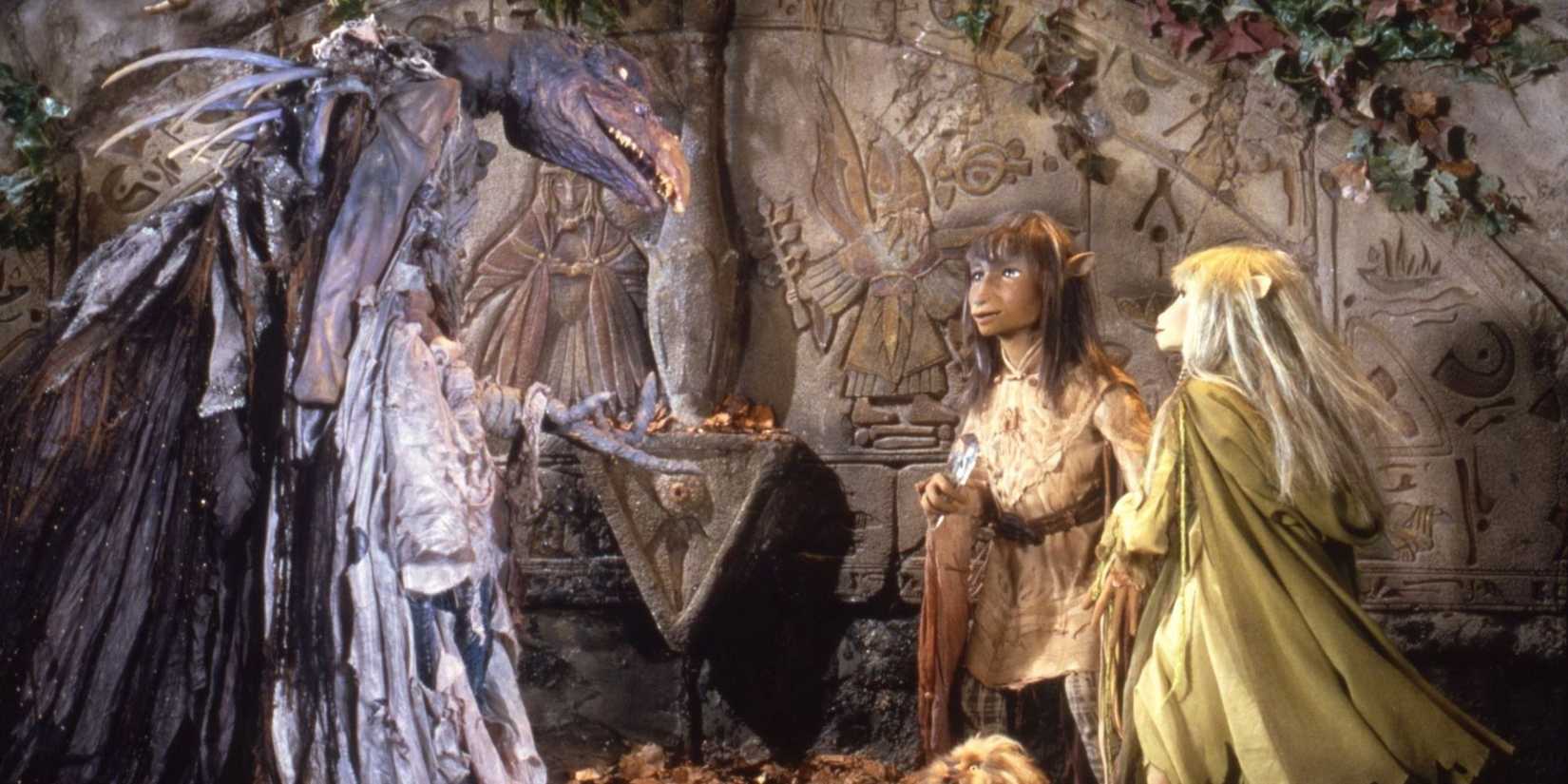
The ’80s were an especially fertile time for imaginative fantasy films with high production values. The boom of practical makeup effects, coupled with studios attempting to recapture the space fantasy blockbuster success of Star Wars, led to some truly outstanding films. Ridley Scott‘s Legend was shot entirely on soundstages, giving it an otherworldly quality, and features incredible makeup effects by the legendary Rob Bottin. Excalibur is possibly the most gorgeous-looking version of the Arthurian legend ever put to film, and The Neverending Story puts most modern family fantasy movies to shame. All of these ’80s fantasy films have high production values, but there’s only one better than The Lord of the Rings, and it’s also one that could have only come from its filmmakers. The Dark Crystal was co-directed by Jim Henson and Frank Oz, features a cast made up entirely of animatronic characters, and is unlike any other fantasy film ever made.
In the fictional world of Thra, the splitting of the titular crystal caused the formation of two distinct races, the peaceful Mystics and the villainous Skeksis. The film follows a young Gelfling named Jen, who is tasked by the Mystic Master to heal the crystal to restore balance to their world. Every single creature, location and effect of the film is lovingly hand-crafted. Made in a pre-digital effects era, the film relies entirely on practical effects and was designed to showcase its advanced animatronics. No filmmaker understands the artistry of puppetry like Henson and Oz, and the film is easily the most astounding showcase of that skill. While the Muppet films all featured impressive production value that often went overlooked because of their simple character designs and family-friendly nature, no one could deny the incredible visuals of The Dark Crystal. While the prequel series that premiered on Netflix admirably maintained the use of puppets enhanced with minimal digital effects, it can’t match the impossible magic of the original film, where everything was captured in camera.
‘Pan’s Labyrinth’ (2006)
Guillermo del Toro is a filmmaker with an idiosyncratic and instantly recognizable style. Look at one frame from a film of his, like Hellboy, The Devil’s Backbone, or Crimson Peak, and it’s immediately apparent who the filmmaker behind it is. While many fantasy films of the 2000s and 2010s tried to emulate the visuals of either The Lord of the Rings or Harry Potter, del Toro’s work always remained distinct. He was regularly courted to direct a Harry Potter film and was handpicked by Peter Jackson originally to direct The Hobbit prequels, but fate and choice prevented him from ever working within either franchise. While that decision might haunt some directors, it is clear that del Toro’s magic touch is missed more from those films than they are from his filmography. In 2006, the director delivered the dark fantasy masterpiece Pan’s Labyrinth, which is arguably better than the best film from both franchises and features the highest production values.
Set in Francoist Spain in 1944, the film follows young Ofelia (Ivan Baquero) as she moves into a new home with her mother and stepfather, who is an officer with the Armed Police Corps who leads a violent campaign against a guerrilla army. The film beautifully dovetails the harsh violence of the real world with the dark fantasy world, which Ofelia discovers after she meets a mythical Faun (Doug Jones), who believes she is the reincarnated princess of the Underworld. As with all of del Toro’s films, Pan’s Labyrinth features a seamless blend of digital effects and practical effects, including Academy Award-winning makeup and production design. The film also won the Oscar for Guillermo Navarro‘s breathtaking cinematography, every frame of which could be a spellbinding painting. Pan’s Labyrinth immerses its audience in a dark fable that is fully realized. It’s del Toro’s magnum opus, and its high production values will allow it to remain timeless.
‘The Fall’ (2006)
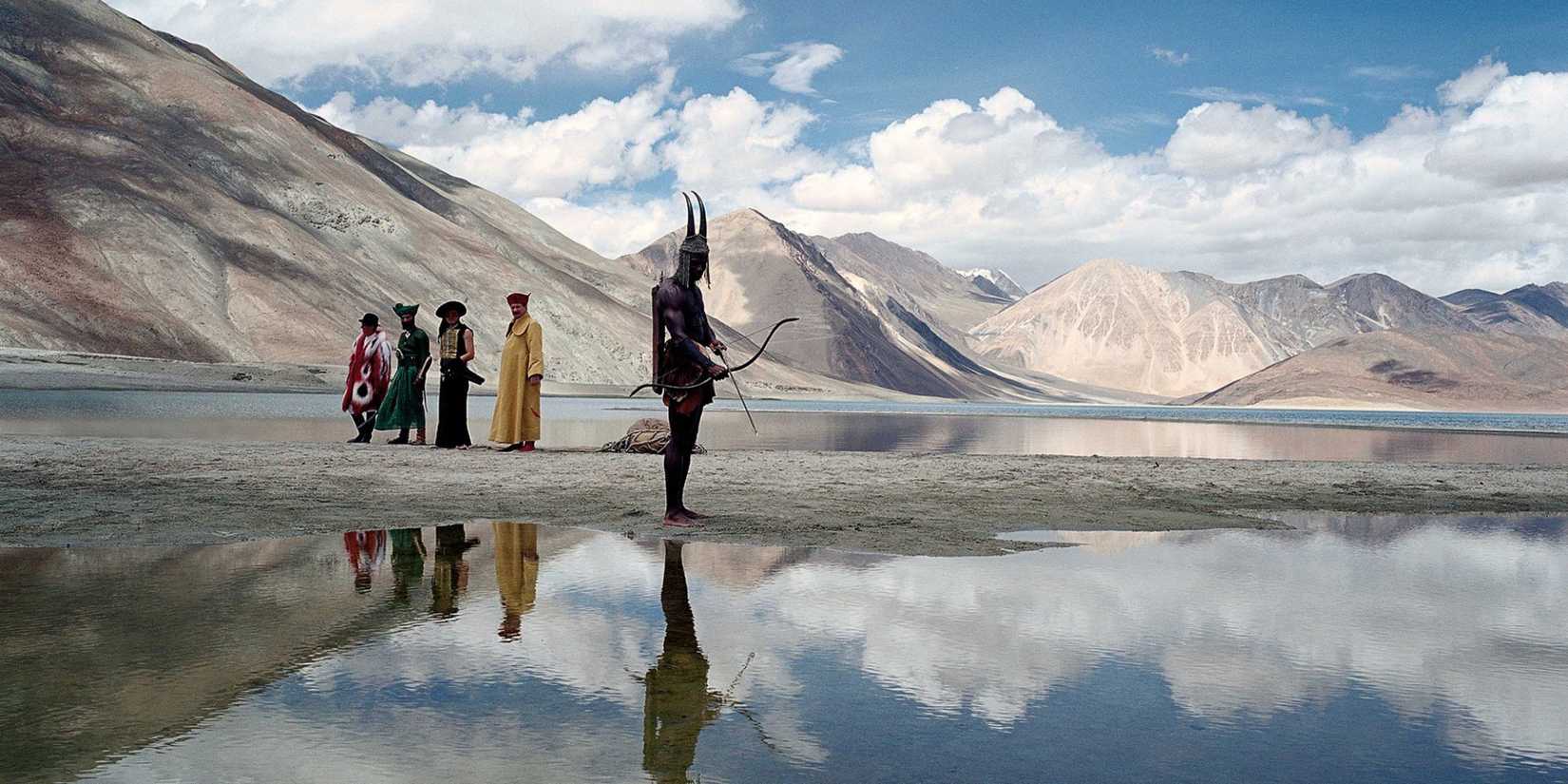
Director Tarsem Singh is known for films whose visuals often far outpace their narratives, such as the mindbending serial killer thriller The Cell or the Greek myth action epic Immortals. His films all undoubtedly have high production values, but none are more staggering or stunningly beautiful than his fantasy adventure epic The Fall. The film originally premiered in 2006 to acclaim at the Toronto Film Festival, before receiving a minor theatrical release two years later. It then quietly began to fade into obscurity until it was recently rescued and given a proper restoration on streaming. It has since developed a devoted following of fans, including Peter Jackson, who cast lead actor Lee Pace in The Hobbit based on his performance.
In Los Angeles in the 1920s, stuntman Roy Walker (Pace) is hospitalized after an accident, where he meets young Alexandria (Catinca Untaru). Roy begins to tell her an epic fantasy tale, which is visually realized through Alexandria’s imagination. The film was shot in twenty-four different countries, using the majesty of the real world to provide production value that is impossible to replicate artificially. The Fall was a passion project for Tarsem and took over four years to complete due to its epic scope, but there are no fantasy films that can compete with it in visual terms, especially in the modern era. It is a film whose production does not fit within the current studio or streamer model, but which makes its fantasy come to life in a way far more vivid than the most recent Middle-earth effort, The Lord of the Rings: The Rings of Power, which has an astronomical budget for its first season. Money might be able to buy some production value, but there’s no accounting for passion.
You must be logged in to post a comment Login