Entertainment
Only 3 Movie Trilogies Are More Important Than The Lord of the Rings

Peter Jackson’s The Lord of the Rings trilogy was a seismic moment in Hollywood. It confirmed that fantasy films, too often relegated to the fringes, could be a draw for audiences and set the stage for interconnected storytelling that has influenced today’s world of cinematic universes. Filming a massive trilogy of films exceeding three hours in length was a major gamble for New Line Cinema, but Jackson pulled it off.
The Lord of the Rings also proved that quality didn’t have to be sacrificed in order to achieve box office success. Jackson’s adaptation of J.R.R. Tolkien’s beloved novels respected the books’ intricate storylines and character arcs, and seamlessly blended practical effects with digital technology. It was an exciting trilogy, made with life and care, and it set the stage for more stories to come, both in Jackson’s adaptation of The Hobbit and future films from Andy Serkis and screenwriter Stephen Colbert. Each film in the original trilogy was nominated for multiple Academy Awards, with The Return of the King sweeping the 2004 Oscars to take home 11 trophies, including Best Picture and Best Director.
It’s hard to think of a more important set of films in Hollywood – but it’s not impossible. While the number is low, three films have arguably made a larger impact, fusing quality, innovation, and creativity to deliver a set of films that not only captivated audiences but changed the landscape of film making for entire generations. Like The Lord of the Rings, the impact of these films is still being felt, and stories are still unfolding in several of these cinematic universes.
3
‘Toy Story’ 1-3 (the Andy trilogy)


Technically, there are five Toy Story movies, with the fifth slated to arrive in June 2026. But there’s a clear line between the first three films, all of which revolve around the toys’ relationship with their growing child, Andy, and the Bonnie-centric later films. While there’s no such thing as a bad Toy Story movie, there’s something special about that first trilogy, which set a high bar for family films.
On its own, Toy Story is one of the most important movies ever made. When it was released in November 1995, it was the first completely computer-animated feature. Coming at a time when most animated films were musical fairy tales, the buddy comedy’s wit and cast of A-list stars marked a change in what would define animated films decades to come. It was so good that while a sequel was inevitable, many believed there was no way a second adventure with Buzz, Woody and company could capture the magic of the first. And Toy Story 2 had a rough production, it became one of the few sequels to surpass its predecessor, particularly by plucking at the heartstrings with Jessie’s “When Somebody Loved Me” ballad. Twelve years later, Toy Story 3 brought Andy’s story to a close with a goodbye that left few dry eyes among those who had grown up with the series.
The Toy Story films shaped the future of family movies. Computer-generated animation quickly replaced traditional hand-drawn films. Where a popular star might once have played a supporting role in an animated movie, such as Robin Williams in Aladdin, animated casts would soon become stacked with major stars, while Broadway-style songs gave way to rapid-fire jokes. Without Toy Story, there is no Shrek or the rest of Pixar’s library. And pre-Toy Story, animated films didn’t often do sequels; the success of the franchise proved audiences would return to see their favorite cartoon characters, and they could be spread out far enough to capture new generations.
But the trilogy also proved that animated films could do more than entertain children. With sly jokes and a healthy dose of toy-based nostalgia, the films catered just as much to adults as to younger audiences. And by constantly returning to themes of mortality, aging, friendship and parenting, they tapped into very adult emotions, paving the way for animation to take more storytelling and thematic risks. By spreading the story over more than 15 years, the trilogy also allowed audiences to grow up with Andy, priming them for the heartbreaking moment when he had to say goodbye to Woody and the Roundup Gang. Toy Story proved animation was not disposable; it could captivate audiences of all ages and be just as emotional and gripping as any live-action movie.
2
‘The Godfather’ Trilogy
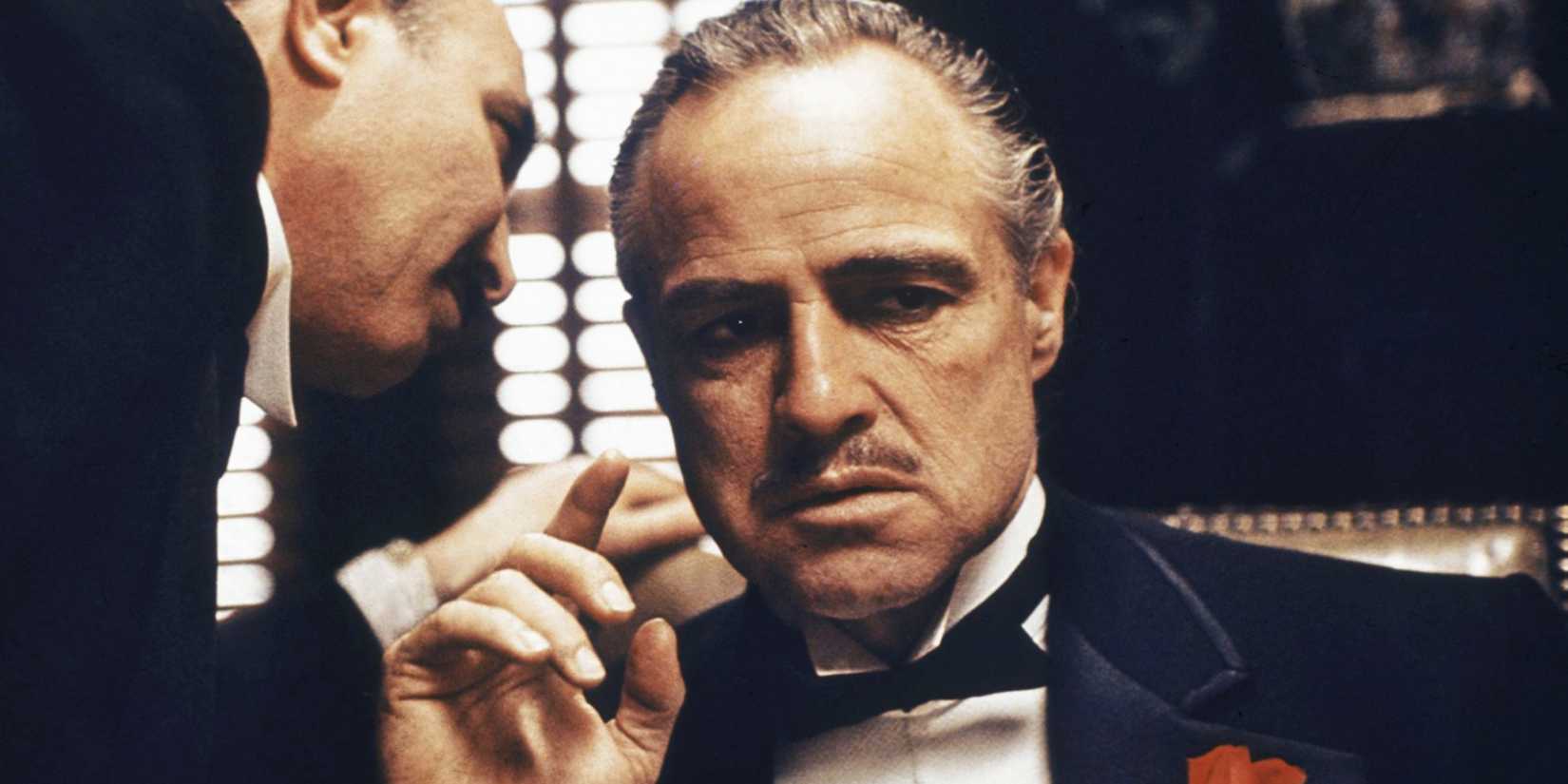
What is cinema without The Godfather? Had the adaptation of Mario Puzo’s best-seller not been so critically and commercially beloved, the landscape of movies could have forever changed. It gave Francis Ford Coppola and Al Pacino their first big successes, and resurrected the career of Marlon Brando. More importantly, it proved that art and entertainment weren’t mutually exclusive. Upon release, The Godfather was a smash hit that would become the highest-grossing film of all time. It was also critically adored, and took home the Oscar for Best Picture. It’s an iconic film from which nearly every crime movie of the last 50 years has drawn inspiration.
Sequels and franchises were far from sure things at the time of The Godfather’s release, so eyebrows were raised when Coppola agreed to direct The Godfather Part II. But rather than a rushed cash-in, as so many sequels were at the time, the follow-up was an artistic triumph that is, to many, an improvement even on the first film. It proved that sequels could bring depth to beloved stories, and its parallel narratives contrasting the early years of Don Corleone with the rise of his son, Michael, brought added complexity to the characters. The Godfather Part II took what audiences loved about the first film and made it richer and more challenging, proving that sequels could have artistic merit. The Godfather Part II also took home an Oscar for Best Picture and was a commercial success, creating one of the first modern franchises.
It’s easy to think the Godfather legacy ends there, as The Godfather Part III is universally considered inferior to the first films. And it’s a messier movie, to be sure, hobbled not, as many assume, by Sofia Coppola’s last-minute substitution for Winona Ryder but for a slower pace and characters who simply weren’t as compelling, particularly bringing in George Hamilton when Robert Duvall refused to return. But The Godfather Part III has its charms, with some blistering action sequences, a strong performance by Al Pacino, and a heartbreaking final turn that feels Michael Corleone feel the depth of all his sins. Coppola’s recent recut, The Godfather Coda: The Death of Michael Corleone, fixes some of the film’s weaker spots.
But The Godfather Part III is also important as one of the first examples of the legacy sequel, in which original characters return decades later to tie up loose ends and close out any remaining arcs. It closed Michael Corleone’s story and left no question that closing the door at the end of The Godfather ushered him into a world of damnation. While considered a critical and commercial disappointment, it still managed a Best Picture nomination and grossed more than double its budget at the box office. And it was one of the first major franchises to suggest that it was worth revisiting beloved characters years after their peak.
1
‘Star Wars,’ Episodes IV-VI

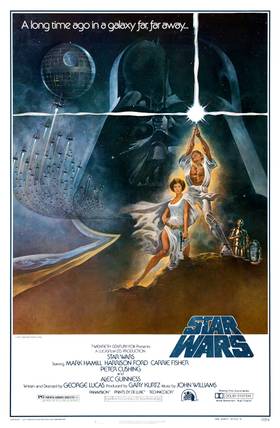
Is there any question? Upon release in 1977, Star Wars changed the movie game. It married big thrills to innovative special effects, making sci-fi and fantasy reliable money-makers and, just after Jaws, confirming that we were living in the Age of the Blockbuster. George Lucas’ space opera introduced characters and storylines that are still being built on, and his savvy decision to hold onto merchandise rights opened studios’ eyes to a whole new way of making money. Star Wars could arguably be the most important movie ever made.
But Lucas’s approach to the sequels was similarly transformative. Rather than just launch Luke Skywalker on another adventure, he doubled-down on his love for the serials of his youth and created a three-part ongoing story. Instead of sending audiences out on a high note at the end of The Empire Strikes Back, he delivered a cliffhanger that dared them to ignore Return of the Jedi. He brought unexpected depth and redemption to Darth Vader, created one of the great blockbuster love stories between Princess Leia and Han Solo, and created exciting, colorful new worlds and creatures to wow audiences – and, of course, sell more toys. There is, simply, no Lord of the Rings, Dune, or Marvel Cinematic Universe without Star Wars.
And, for better or worse, it introduced the concept of unending franchises. Nearly 50 years after Star Wars, Lucas’ galaxy continues to expand. More than a decade after fans thought Star Wars had left the theaters, Lucas returned for the prequel series, which wove new tales connected to his original films. And under Disney’s leadership, the franchise has grown exponentially, with stories and television shows that push the story forward or re-examine what came before; this summer’s The Mandalorian and Grogu will explore a time set just after these original films. We are in a cinematic world dominated by sequels, trilogies, spin-offs, legacy-sequels, and special events, and they’re all following the lead set by those first three Star Wars films.

- Created by
-
George Lucas
- First TV Show
-
Star Wars The Clone Wars
You must be logged in to post a comment Login