Entertainment
Only 5 Psychological Thrillers From the 2010s Can Be Considered True Masterpieces

While all types and approaches to thriller filmmaking have had a distinct niche and several masterpieces over the years, there is something inherently striking and compelling about psychological thrillers that continues to make them compelling for modern filmmakers. The 2010s especially were home to a wide array of great psychological thrillers, ranging from massive blockbusters like Inception and Split to dynamic independent films like Blue Ruin and Under the Skin.
However, among the myriad of exceptional movies that were released during the decade, only five can be considered true masterpieces of the psychological thriller subgenre. They exude everything that makes the genre excel so greatly, amplified by the strengths of the era and top-notch filmmaking to create exceptional works of art that still deliver long after the decade has ended. Several of these films have even amassed substantial legacies as some of the greatest psychological thrillers of both the 21st century and cinema as a whole.
‘Gone Girl’ (2014)


Throughout the ’90s and 2000s, David Fincher has stood as a seemingly unbreakable pillar of the thriller genre, creating several masterpieces that have elevated and evolved the genre in all of its different styles and approaches. As far as his 2010s psychological thrillers are concerned, Gone Girl immediately stands out not just among his own filmography but among every other filmmaker who attempted to replicate his style in the lead-up to and in the wake of its success. The film follows the fallout and fears surrounding the disappearance of Amy Dunne (Rosamund Pike) and the subsequent media circus that begins to overwhelm the life of Amy’s husband, Nick (Ben Affleck). However, once people begin to suspect that Nick is not so innocent, the media turns on him, and the situation becomes dangerous.
Gone Girl is home to a lot of the signature traits that make Fincher’s style of psychological thriller filmmaking so compelling, amplifying the themes and dynamics of the original novel with pristine tension and weight. However, the defining takeaway that audiences have from the film that has kept it in the conversation of Fincher’s greatest masterpieces is the exceptional leading performances from Affleck and Pike. The latter especially provides a career-best performance as Amy Dunne, breathing life into a layered yet shockingly sinister and calculated character that truly comes into her own. Pike’s efforts resulted in a much-deserved Oscar nomination. Time has only been kind to this modern Fincher classic, with some exceptional pacing and timeless themes helping make Gone Girl just as masterful in the modern day as it was when it first released 12 years ago.
‘Black Swan’ (2010)
Often considered to be the magnum opus of director Darren Aronofsky, Black Swan is a striking and bombastic exploration of impostor syndrome and toxic dedication to art at the expense of one’s sanity and physical health. The film follows the cutthroat lead up to a prestigious New York City production of Swan Lake, largely from the perspective of dedicated young ballerina Nina (Natalie Portman), who has been building her entire life toward her profession of dancing. She finally gets her shot in the spotlight when prima ballerina Beth MacIntyre (Winona Ryder) is replaced for the opening production of Swan Lake. However, Nina’s journey doesn’t come without hurdles, as being in the spotlight makes her that much larger a target for anxiety and ruthless judgment from her peers.
There is intelligence to the exploration of its mature, uneasy themes that made Black Swan an overwhelming critical hit when it was first released. However, unlike many other films that have tackled such stories of unhealthy relationships with perfection and artistic glory, Black Swan‘s themes and approach to its messages have only grown more timely and important in the years since its release. Combined with some exceptional filmmaking from Aronofsky and career-best performances from the likes of Portman and Mila Kunis, the film soon became a classic of the era. Despite coming out at the very beginning of the decade, Black Swan had a definitive chokehold over the psychological thriller culture of the decade, especially when considering the films that had a female lead and female-centric story and themes.
‘Whiplash’ (2014)

Amplifying the anxiety of an overbearing teacher with the self-destructive toxicity of wanting to be one of the very best, no matter the sacrifice required to achieve it, Whiplash is a masterfully bleak psychological thriller that is electrifying to watch. It follows young, talented drummer Andrew (Miles Teller) working under the direction of ruthless instructor Fletcher (J.K. Simmons) to achieve perfection as a jazz drummer in a college ensemble. Despite the ruthless and unforgiving nature of Fletcher’s teaching, Andrew will overcome every obstacle through sheer drive, even when seemingly everything is working against him in this overly toxic environment.
The defining strength of Whiplash that has helped it become celebrated as one of the perfect movies of the 2010s is its unbridled sense of tension and uneasy anxiety. A lot of this anxiety can be attributed to the masterful supporting performance from Simmons, who commands presence and attention every time he is on-screen, with a terrifying performance of sheer anger. His brilliant, Oscar-winning performance is further amplified by the distinct layers of the central characters and their perspective on greatness and what it takes to be truly great. Today, Whiplash remains one of the all-time greatest music-based thrillers and a masterfully executed portrayal of sheer chaos and anxiety.
‘Prisoners’ (2013)

One of the greatest strengths of psychological thrillers is their ability to delve into some deeply disturbing and unsettling concepts while pushing their characters to the absolute brink, forcing them to make sacrifices and show the raw, ugly truth within. Prisoners is one of the greatest examples of such painful spiraling unfolding on-screen, with the film following the ongoing pain and emotional turmoil that the sudden kidnapping of two young girls has on their families and an entire community. It largely follows the perspective of pained father Keller Dover (Hugh Jackman) and experienced detective Loki (Jake Gyllenhaal). As the investigation continues to end in red herrings and tired loose ends, the pain grows that much more palpable with each passing day.
Prisoners is at its best when it’s showing the painful lengths that some of its characters are willing to go to save their family members, with Keller especially going to extreme, uncomfortable lengths by kidnapping and torturing the perceived culprit, Alex (Paul Dano). Between its shifting perspectives, strikingly beautiful cinematography from Roger Deakins, and masterful directing and pacing from Denis Villeneuve, Prisoners‘ reputation has grown massively in the years since and is now considered one of the all-time greatest thrillers of the 21st century. It understands the gravitas and weight of its central premise, utilizing it as a jumping-off tool for the bleak spiraling of its characters and one of the most compelling mysteries that 2010s cinema has to offer.
‘Parasite’ (2019)
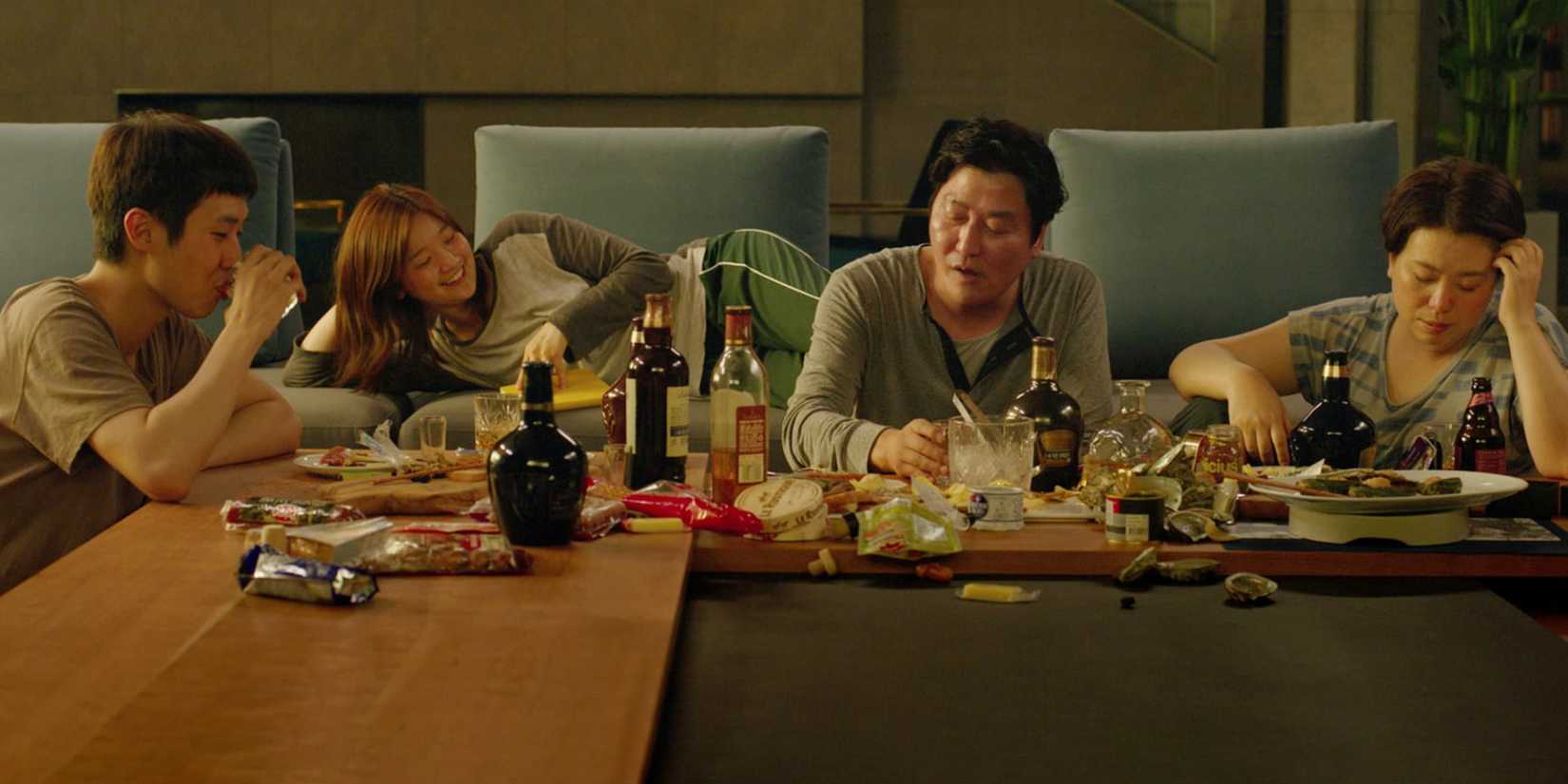
It’s hard to really compare any other psychological thriller of the 2010s to the overwhelming mastery and brilliance of Bong Joon Ho‘s Parasite, which tells a brilliant story of class divide and deception that broke through the global cultural barrier. The film follows the story of an unemployed family fighting for survival, who seemingly find a perfect path to glory as they systematically infiltrate the wealthy Park family one at a time. However, as soon as they start to get comfortable working for the family, the darker secrets of the Park’s home become brazenly apparent, threatening to completely destroy everything they have been working towards. Parasite‘s mastery as a cinematic work of art goes beyond the 2010s as a decade and even beyond the thriller genre to be considered one of the greatest movies of all time.
Parasite achieves one of the most difficult balancing acts that is possible within such a psychological thriller that deals with dark, dynamic, and important messaging and symbolism at its center. The film is highly entertaining from start to finish, utilizing the chemistry and comedic strengths of the cast to create a volatile and dynamic deception that makes each scene memorable. However, having lighthearted comedic moments doesn’t take away from the raw and effective emotional moments, especially in the final act when the tables have turned, and the tensions are at an all-time high. The legacy and influence that Parasite has already had on wider filmmaking and the thriller genre have been inescapable. Indeed, it will continue to be celebrated as a definitive masterpiece of the thriller for as long as the genre continues to be relevant.
You must be logged in to post a comment Login