The rock music of the 1970s is among the most popular in the genre. After all, the decade included the heydays of folk and psychedelic rock, along with the birth of punk. Icons such as Bob Dylan and Van Morrison released some of their most emotional work, while The Stooges and The Sex Pistols rose to fame for their iconoclasm and dynamism. Even among the most hardcore ’80s and ’90s rock fans, you would be hard-pressed to find a music aficionado who doesn’t appreciate the impact of the 1970s on the genre as a whole.
Given how packed this decade was with enduring hits, is it possible to choose just ten favorites? No matter the metrics with which one regards the era, there will always be a never-ending list of albums less than an inch away from making the “top ten” cut. Still, we’ve endeavored to narrow down a list of the most revolutionary and influential albums of the decade. Read on for the final contenders.
10
‘A Night at the Opera’ (1975) – Queen
Rock band Queen pushed the envelope of what rock and roll could sound like, releasing songs that fused rock with folk, opera, dixieland, and even English folk songs and sea shanties. No album exemplified this better than A Night at the Opera, whose myriad influences and experimental sound made it the most expensive album ever recorded at the time of its release. Any rock fan will testify, however, that the production was worth every penny.
A Night at the Opera contains a number of Queen’s most popular songs, including the sweet “You’re My Best Friend” as well as the bluesy, borderline noise rock diss track “Death on Two Legs.” The album’s most famous song, however, is “Bohemian Rhapsody,” which remains one of the best known and most frequently covered songs in classic rock. This ambitious track alone demonstrates why A Night at the Opera cost as much as it did, and why Queen retains its legendary status.
9
‘Let It Be’ (1970) – The Beatles
You’d be hard-pressed to find a fan of The Beatles who doesn’t look upon Let It Be with equal parts fondness and melancholy. Paul McCartney conceived of the album as a way to bring the band back together during a period of artistic and personal tension. However, the work was the band’s final album together, officially released a month after the band announced its breakup.
Over the course of their decade-long career, The Beatles constantly changed their sound, experimenting with mod, pop, progressive, and, finally, psychedelic rock. Let It Be exemplifies the latter, with era-defining hits such as “Across the Universe” and, of course, “Let It Be.” It also poses the painful question of how much further the band could have taken its newfound sound if it had stayed together for just one more album.
8
‘Horses’ (1975) – Patti Smith
Today, Patti Smith is one of the biggest names in both literature and punk rock, inspiring scores of artists who followed her. However, in 1975, she was a starving artist enmeshed in the New York City art and punk rock scenes. Inspired to make music after seeing Jim Morrison of The Doors perform live, she crafted the highly original, poetic album Horses.
Although Horses is well-known today and received critical praise upon its release, it was not initially popular among listeners. However, it cemented Smith’s place in punk rock history, marrying spoken word poetry with garage rock on songs such as “Gloria: In Excelsis Duo” while engaging in vocal experimentation on “Redondo Beach.” Smith would later find mainstream success with the 1978 single “Because the Night,” which she penned with Bruce Springsteen, but Horses remains a hallmark of her musical career.
7
‘Born to Run’ (1975) – Bruce Springsteen
During a decade when rock musicians were fantasizing about rolling plains or describing gritty streets, New Jersey native Bruce Springsteen chose instead to focus on the suburbs and highways of his blue-collar youth. With poetic lyrics rooted in nostalgia and pain, he became a voice for punks and average joes alike. On his third album, Born to Run, he found widespread success for this style, particularly on songs such as “Backstreets” and the album’s titular single, “Born to Run.”
“Born to Run” was Springsteen’s breakout album, attracting critical praise while drawing countless new fans. Listeners especially appreciated Springsteen’s big band approach to rock and roll, in which he included a brass section in his instrumental backing. It remains one of the artist’s most popular albums.
6
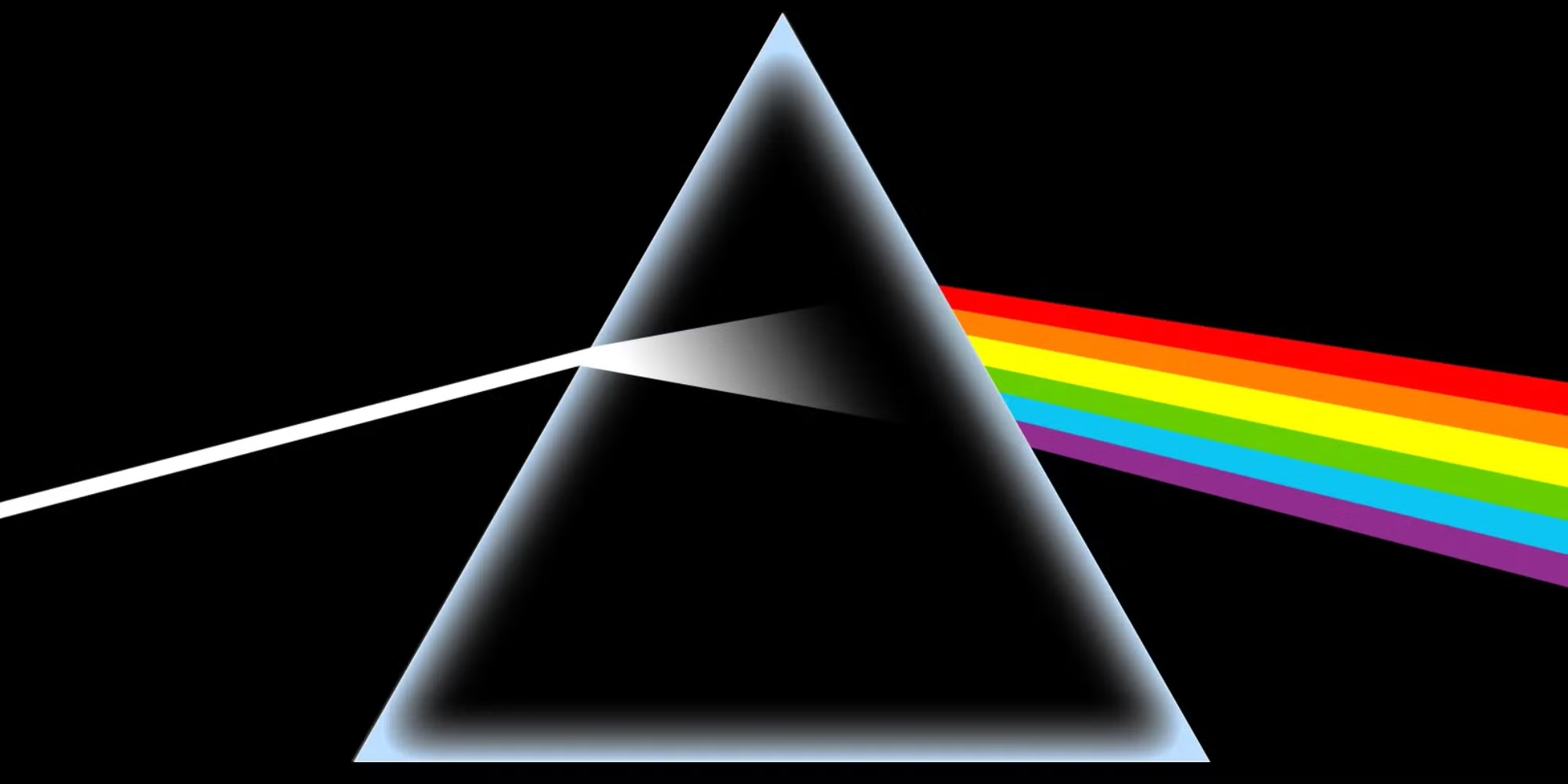
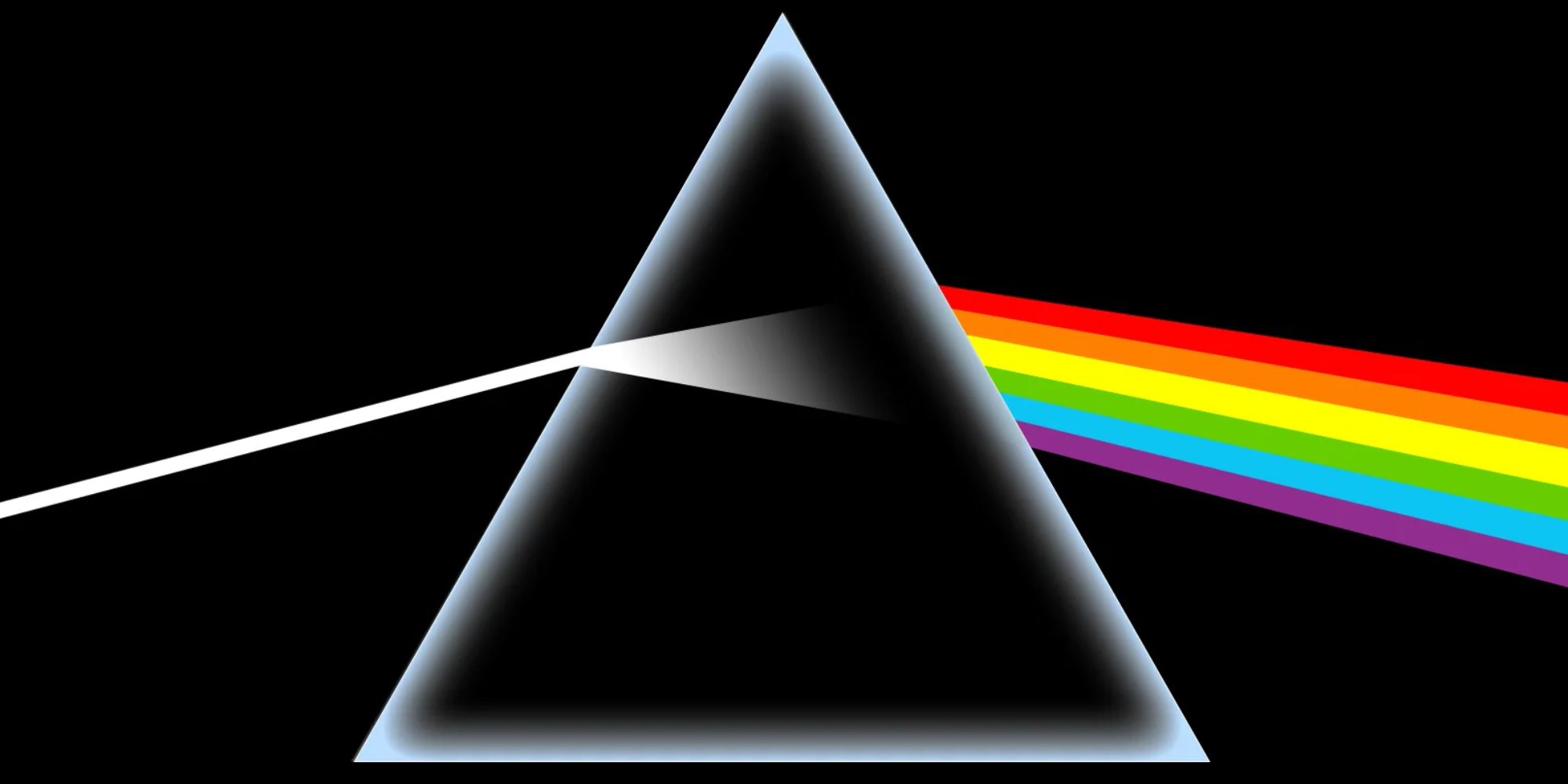
‘The Dark Side of the Moon’ (1973) – Pink Floyd
It’s impossible to talk about 1970s rock without talking about Pink Floyd. Furthermore, it’s impossible to talk about Pink Floyd without mentioning The Dark Side of the Moon. The 1973 album was made as a concept album, meant to be listened to from beginning to end, that dealt with the band’s mental health issues and the pressures of fame.
Wildly successful both upon its release and today, The Dark Side of the Moon was ahead of its time. Its use of synthesizer and multitrack recording was especially groundbreaking, creating auditory effects that pushed the boundaries of progressive rock. It remains one of the best-known and best-selling albums of all time, as well as a hallmark of psychedelic rock.
5
‘Déjà Vu’ – Crosby Stills Nash and Young
The folk rock movement that emerged from the 1960s yielded a number of acoustic masters, from the pacifist Joan Baez to the soulful Joni Mitchell. At the same time, the subgenre also inspired passionate protest music from the likes of Creedence Clearwater Revival and Crosby, Stills, Nash, and Young. Both groups embodied the rebelliousness of the hippie movement, with the latter finding a unique balance between flower child idealism and antiwar rage on their 1970 album Déjà Vu.
David Crosby, Stephen Stills, and Graham Nash were an unstoppable force among the folk movement, and Déjà Vu marks their first album with Neil Young. The album also features the songwriting prowess of Joni Mitchell, who wrote the track “Woodstock,” making the album a showcase for some of the best minds in the genre. The track list also shows off the group’s range, swinging from the gentle, hymn-like “Teach Your Children” to the dynamic, rebellious “Almost Cut My Hair.”
4
‘Abraxas’ – Santana
Santana, fronted by famed guitarist Carlos Santana, first found fame during a legendary Woodstock set. The band followed up its notoriety with a self-titled 1969 album in 1969 that melded searing electric guitar solos with Latin-inspired rhythms and drumbeats. Indeed, Santana’s music was a balm for the often-ignored Latin diaspora in the United States—something that the band leaned into on their second record, Abraxas.
Of course, Abraxas heavily features the electric guitar stylings that made its namesake famous. “Samba Pa Ti,” for instance, is a instrumental love song that requires no lyrics to communicate its soulfulness. But Abraxas also toys with other musical styles, reinterpreting Tito Puente’s iconic cha-cha “Oye Cómo Va” and delving into jazz rhythms on “Incident at Neshabur.” Consistently ranked as one of the greatest albums of all time, Abraxas opened up new possibilities across jazz, Latin, and rock music alike.
3
‘Rumours’ (1977) – Fleetwood Mac
Fleetwood Mac’s 1977 album Rumours is so widely beloved that it’s a matter of course that it would make it onto a best-of-the-decade list. The album boasts some of the band’s most beloved hits, from the Stevie Nicks-fronted “Dreams” to Lindsey Buckingham’s searing “Go Your Own Way.” Even more than 40 years after the album’s initial release, these songs remain adored and lovingly memorized by fans new and old.
What’s more, the story of Rumours’ inception is about as famous as the album itself. Nicks and Buckingham derived much of their material from their on-again, off-again relationship, which was on the rocks at the time of recording. Furthermore, Nicks embarked on an affair with drummer Mick Fleetwood during the Rumours tour. Meanwhile, Christine McVie and John McVie’s marriage was in tatters. It’s no wonder Rumours still teems with such passion and tension.
2
‘American Beauty’ (1970) – Grateful Dead
The hippie movement hit its peak in the late 1960s, but the Grateful Dead embodied the subculture’s ethos into the 1970s. The band’s 1970 album, ‘American Beauty,’ epitomizes this, with its smooth melding of country, folk, and psychedelic rock. The oeuvre also includes some of the best, most memorable songwriting from Jerry Garcia and Robert Hunter, whose burst of inspiration yielded two albums in the same year (the first being Vintage Dead, which was released earlier in 1970).
Upon its release, American Beauty spent nineteen weeks on the U.S. Billboard 200 chart, and it continued to climb in popularity throughout the decades, eventually reaching double Platinum status in 2001. With songs such as “Friend of the Devil” and “Ripple,” the album embodies the band’s nomadic, peaceful, yet quietly wild (several lyrics reference drinking and hard drugs) lifestyle. Furthermore, the tracks’ sprawling compositions lend themselves to the improvisational “jam band” style that the Dead engaged in live.
1
‘Led Zeppelin IV’ (1971) – Led Zeppelin
Led Zeppelin’s fourth, untitled studio album—commonly referred to as Led Zeppelin IV—was released in 1971 to immediate success. Although the band was already well-known for its hard rock, blues-infused sound, it was on this album that it began leaning into its now-iconic symbolism, much of which is derived from Norse and Celtic mythology. More importantly, it was on this album that the group truly displayed its musical range.
Today, Led Zeppelin is best known for its blues rock sound, but Led Zeppelin IV proves that the band was capable of much more. Tracks such as “The Battle of Evermore,” for instance, delve into folk rock and medievalism, while “Going to California” is a soft acoustic ballad. These tracks are, of course, offset by heavier, more classic Zeppelin fare such as “Black Dog,” “Rock and Roll,” and the legendary “Stairway to Heaven.”






:max_bytes(150000):strip_icc():format(jpeg)/Anya-Taylor-Joy-LATE-NIGHT-WITH-SETH-MEYERS-princess-peach-The-Super-Mario-Bros-Movie-032026-e8e2df4860cd4ece9248ef6808c82803.jpg)
























































You must be logged in to post a comment Login