Entertainment
Prime Video’s ‘Game of Thrones’ Replacement Is the Greatest Fantasy Show of All Time

Out of all the fantasy series out there, Prime Video’s The Wheel of Time is a game-changer, bringing Robert Jordan‘s epic novels to life. The saga takes the audience on an unbelievable journey to a world where magic and destiny collide, providing an immersive and unforgettable time on-screen. At the beginning of this epic tale, we meet Moiraine Damodred (Rosamund Pike), a strong and powerful Aes Sedai who sets out on a dangerous adventure to discover the Dragon Reborn, a person who is believed to have the power to either save or bring doom upon humanity. What makes The Wheel of Time stand out most above other fantasy series on Prime Video are also the aspects that make it a true masterpiece of the genre.
‘The Wheel of Time’ Unravels the Threads of Gender
The biggest thing that sets The Wheel of Time apart from other fantasy series is how it approaches gender, exploring the dynamics within its established world. From the first scene, we learn that only women are able to channel the One Power, meaning that they are the only ones who can use magic. In a world where magic is predominantly wielded by women, The Wheel of Time challenges traditional gender roles and explores the multifaceted nature of power and influence.
This divide exists because, long ago, the Dark One poisoned the half of the One Power that men use. This corruption ended up causing all men who use the One Power to lose a part of their sanity each time they use it. As the many men who could use the One Power at the time of the corruption went mad, they destroyed almost everything in their path. As a reaction to this destruction, the female Aes Sedai cut off their access to the One Power. This process is referred to as gentling — and when the last man was finally gentled, almost every civilization, with almost all its knowledge, was lost.
Despite these powers, gender-based violence continues to exist. In this world where women are often marginalized and their power is feared or misunderstood, the Aes Sedai stand as a beacon of female empowerment. These highly trained women wield the One Power, the source of all magic, and hold positions of authority and influence. Yet, even within their ranks, they face challenges and prejudices, highlighting the nuanced dynamics of gender in a society that is still patriarchal. The Wheel of Time doesn’t just touch on gender issues for relevancy’s sake; they’re actually a big part of the story, shaping the characters’ journeys and determining the fate of the world. As a result, it encourages viewers to ponder their own thoughts on gender and consider the intricacies of humanity in a world where magic and destiny are intertwined.
‘The Wheel of Time’ Has a Fresh Perspective on the Chosen One Trope


In the realm of fantasy fiction, the trope of the “Chosen One” is a familiar and often overused narrative device. The idea of an individual destined for greatness, possessing extraordinary powers, and tasked with saving the world, has been explored countless times. However, The Wheel of Time offers a refreshing and nuanced take on this trope. While the series follows the traditional arc of a Chosen One’s journey, it deviates from the conventional portrayal of an all-powerful and infallible protagonist.
Rand al’Thor (Josha Stradowski), the Dragon Reborn, is not an infallible hero immune to flaws and struggles. Instead, Rand is a complex but relatable character who’s constantly struggling with the heavy burden of his destiny and the constant threat of going insane. The series skillfully delves into the psychological toll of being the Dragon Reborn, showing us the intense inner conflict and doubt that Rand deals with. Rand is definitely not some passive boy just going with the flow of fate; he fights to remain in control of his own destiny, making some tough decisions and having to deal with the fallout afterward. His journey is not one of unbridled power and unwavering certainty.
Rand is constantly burdened by the knowledge that he could potentially destroy the world if he loses control of his abilities. His constant fear of insanity hangs over him, making him seem more complex and vulnerable. The Wheel of Time also fights against the idea that only the Chosen One can save humanity. While Rand’s role is undeniably significant, the fate of the world rests not solely on his shoulders but on the collective actions of those around him. The Aes Sedai, the friends he picks up on his journey, the friends he grew up with in the Two Rivers, and the different groups fighting for power all have important parts in shaping the future.
‘The Wheel of Time’ Explores Many Different Cultures
From a worldbuilding perspective, The Wheel of Time delves into the complexities of societal norms, power structures, and the ways in which different cultures approach similar situations, providing a rich tapestry of perspectives and experiences. One striking example of this cultural exploration is the contrasting treatment of female magic wielders in two distinct societies: the Aes Sedai and the Seanchan. The Aes Sedai, highly trained women who wield the One Power, are revered and respected in their society. They hold powerful positions and often have a major impact on politics and society. In contrast, the damane, also female magic wielders, are enslaved and treated as property in the Seanchan Empire. Their power is considered to be a threat; therefore, they must be controlled and are most often used as weapons of war.
The Wheel of Time also considers how different cultures view prophecy and the concept of fate. In the Two Rivers, where the story begins, the people there are skeptical of prophecies. They distrust everyone who claims to know the future because they worry about being manipulated or taken advantage of. On the other hand, the Aes Sedai place more trust in prophecies, with many dedicated to studying them, and believe they are crucial for guiding their actions and shaping events.
‘The Wheel of Time’ Develops Complex Villains

In the world of fantasy fiction, villains are often portrayed as straightforward bad guys who are only after power or destruction — but The Wheel of Time breaks that mold by creating villains who are complex and fascinating, with motivations that make them relatable and even sympathetic. Their evil deeds aren’t just because they’re inherently wicked, but are instead linked to personal trauma, misguided ideas, or a yearning for redemption.
For Ishamael (Fares Fares), a powerful sorcerer who feels an intense sense of emptiness and wants to end the world’s suffering, his motivations come from having seen the endless cycles of creation and destruction. While he presents a major threat to the heroes of the world, he has become disillusioned with the constant struggle and believes oblivion is the only way to escape pain. Similarly, Lanfear (Natasha O’Keeffe) is consumed by jealousy, anger, and a longing for the love she’s lost. Lanfear’s journey to the dark side is a sad story, with betrayal, abandonment, and the downsides of ambition.


These Forsaken all have their own reasons for their allegiance to the Dark One; some just want revenge, others have a twisted sense of justice, and still others are all about getting back their old glory. In The Wheel of Time, the villains become more than just obstacles for the heroes to beat. They’re not just flat-out clichés; they remind us that darkness can be found in anyone, and even the most misguided individuals might have a chance at redemption hidden beneath layers of pain and disappointment.
This series breathes new life into familiar fantasy themes and even introduces entirely fresh ideas. Even after its sudden cancellation, The Wheel of Time is still one of the best high fantasy series out there and the best on Prime Video by far. With three seasons to enjoy, the acclaimed fantasy series is still worth your time.

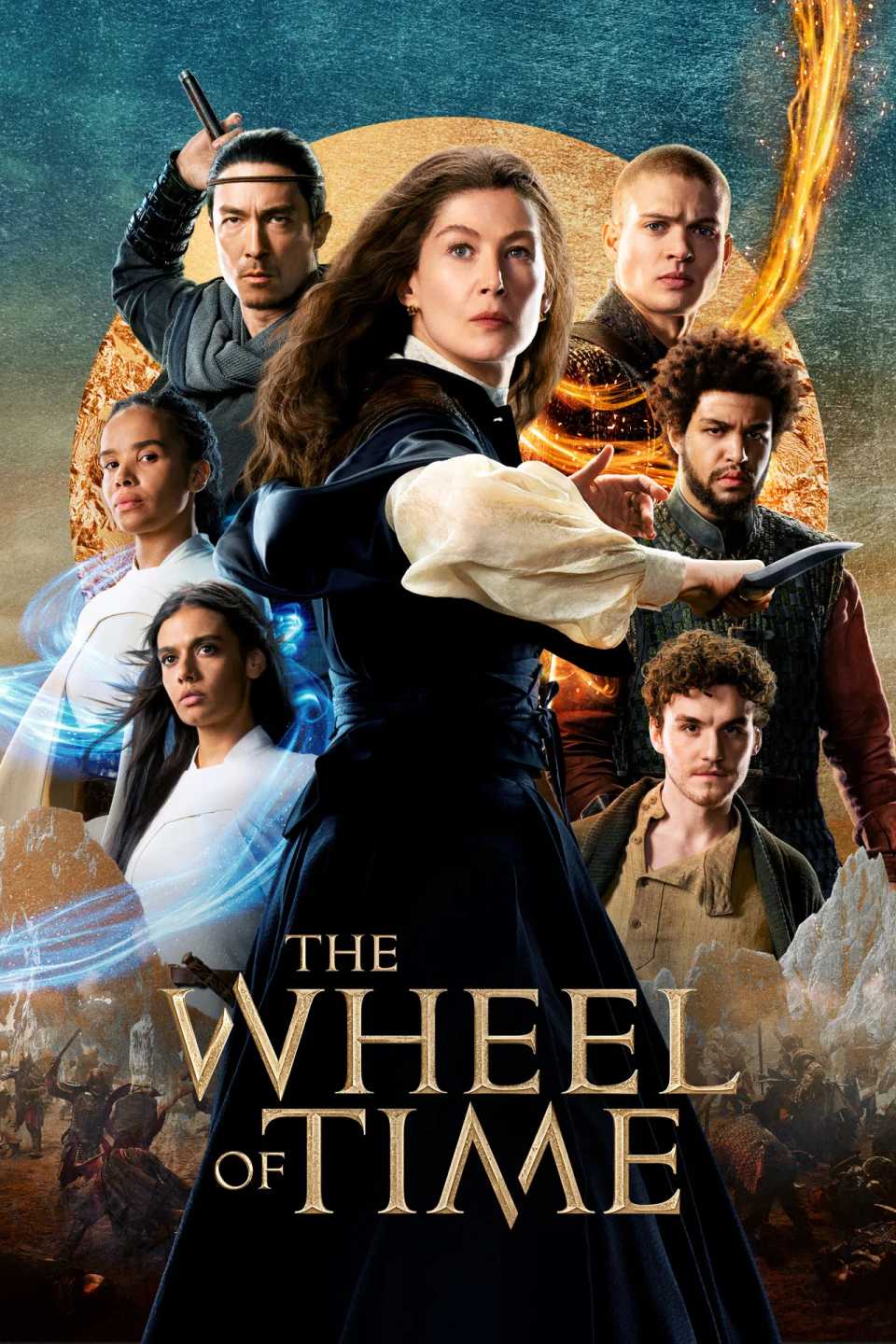
The Wheel of Time
- Release Date
-
2021 – 2025-00-00
- Network
-
Prime Video
- Showrunner
-
Rafe Judkins
- Directors
-
Sanaa Hamri, Ciaran Donnelly, Salli Richardson-Whitfield, Thomas Napper, Maja Vrvilo, Wayne Che Yip
You must be logged in to post a comment Login