Entertainment
Robert Redford’s Wild War Movie Is the Thrilling American Action Flick You Need to Watch

Most people scrolling through Robert Redford’s filmography probably pause at Butch Cassidy and the Sundance Kid, nod respectfully at All the President’s Men, maybe throw The Sting on during a lazy Sunday afternoon, then completely glide past The Great Waldo Pepper like it does not exist. Which is understandable, honestly. The title sounds less like an action movie and more like somebody’s uncle who owns a corner store and complains about parking meters. Nothing about it prepares you for Redford dangling thousands of feet in the air inside airplanes that look assembled from spare parts and blind optimism.
The film starts out with a rambling, carefree energy. Redford’s character charms, annoys, lies constantly, and bounces from one half-baked aviation stunt to another. At first, it all plays like a shaggy comedy about a group of aging pilots refusing to grow up. Then the movie gradually reveals something more complicated. These are men who found purpose in World War I, excitement, and camaraderie in the skies years earlier and never really figured out how to replace it afterward. Flying isn’t just a hobby for them…it’s the one place where they still feel like themselves. That is why they keep climbing into airplanes that look one strong gust away from falling apart over a cornfield. After a while, the flying stops feeling adventurous and starts feeling necessary, as if life on the ground never quite gave them what they were looking for.
Robert Redford Turns Barnstorming Into Pure Chaos


Image via Universal Pictures
Redford plays Waldo Pepper, a former pilot making his way through the 1920s one air show at a time. He takes jobs wherever he finds them, spends most of his money almost as quickly as he earns it, and approaches common sense as more of a loose suggestion than a rule. What keeps the character from becoming exhausting is the feeling that Waldo is chasing something larger than attention. The older he gets, the more it seems like he is trying to recapture a version of himself that only ever existed in the cockpit.
The movie follows Waldo as he chases bigger stunts and bigger attention while trying to outrun the quiet reality that the war may have permanently broken something inside him. Once legendary German ace Ernst Kessler (Bo Brundin) enters the story, the tone shifts slightly. Their rivalry never really feels heroic. It feels sad and haunted, like both men miss the war in ways they are deeply uncomfortable admitting out loud.
Director George Roy Hill shoots the flying scenes with alarming confidence. Modern action movies usually cut every three seconds, as if they’re terrified the audience might notice the actors are sitting safely in front of green screens. The Great Waldo Pepper does the opposite by allowing the shot to linger long enough for your stomach to start tightening. These planes creak and wobble, and sometimes they appear as if they are actively debating whether flight is still worth the effort.
One of the later aerial scenes carries a tangible sense of danger that most modern blockbusters cannot match, no matter how much money they throw at visual effects departments. The flying suddenly stops feeling cinematic and starts feeling deeply concerning. Not exciting—dangerous. The kind where your brain starts calculating survival probabilities if things go sideways.
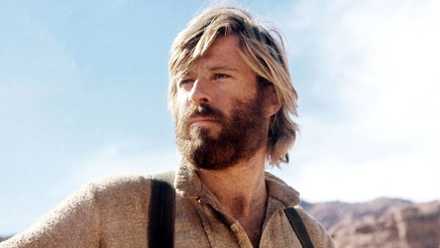

Every Robert Redford Western Movie, Ranked
The #1 movie here might have a title that sounds a bit like “Putsch Placidly and the Folk-Dance Lid.”
The Great Waldo Pepper Feels Weirdly Modern Now
Part of what makes the film work so well by today’s standards is how messy it allows itself to be — Funny one minute, melancholy the next. Then, suddenly, somebody crashes through a wing or barely survives a stunt that should have ended with a funeral. Modern action movies often feel polished, leaving the protagonists within an inch of their lives. Every emotional beat lands exactly where expected. Every character arc arrives gift-wrapped and perfectly timed.
But The Great Waldo Pepper feels loose in a way modern movies usually try to sand down. A little rough around the edges and slightly unpredictable. The tone fits perfectly for a story about people who only seem comfortable when something could go catastrophically wrong. Even the slower scenes feel heavy, as if every actor is shouldering a burden they don’t want to admit exists.
Waldo keeps chasing danger because ordinary life clearly feels too small now. The war gave these men intensity, purpose, adrenaline, and terror all mixed together, and civilian life cannot compete with that. The movie never over explains any of this either. It just lets the emptiness persist between scenes as Waldo keeps throwing himself into the sky, trying not to think too hard.
By the end, the movie stops feeling like an adventure story altogether. It begins to feel like a snapshot of people caught between two versions of America, with one version still romanticizing war heroes while ignoring what came home with them. That is what makes Waldo so interesting. He spends the entire film selling the fantasy of aviation heroism while quietly revealing the cost of living inside that fantasy long after the war and the glory have passed.


- Release Date
-
March 13, 1975
- Runtime
-
108 minutes
- Director
-
George Roy Hill
- Writers
-
William Goldman
You must be logged in to post a comment Login