Entertainment
‘Silent Hill: Townfall’ Is ‘Silent Hill’ Like You’ve Never Experienced It Before

There is a significant difference between recreating the imagery of Silent Hill and understanding why the franchise has remained terrifying for decades. Fog, locked doors, and disturbing creatures may be essential pieces of its identity, but those elements mean little without the psychological horror and deeply personal tragedy lurking beneath them. Silent Hill: Townfall understands that distinction, carrying the franchise’s spirit into a new location and perspective without losing what made it special.
While Silent Hill 2 and Silent Hill 3 remain the best games in the franchise, I genuinely believe Townfall is the closest anything has come to matching them. Where Silent Hill f was a beautiful horror game that never entirely felt like Silent Hill to me, Townfall is elevated by how completely it embodies the series. Screen Burn Interactive has made the first-person Silent Hill game I did not realize I had been waiting for, and now I am annoyed that it took this long to happen.
St. Amelia Is the Perfect Setting for a ‘Silent Hill’ Game


Players awaken in the Scottish island town of St. Amelia as Simon, who is searching for a mysterious woman named Zoe. She may be able to help him understand what happened to the community and where the monsters occupying it came from, but nearly every answer creates another question. St. Amelia is a community in collapse, and the town’s physical deterioration reflects the isolation, guilt, personal responsibility, and failed communication running through the story. The town’s circumstances also introduce a tangible source of horror alongside its psychological monsters. Writer and director Jon McKellan called St. Amelia the story’s main character when I interviewed him at a hands-on preview for the game in July, and the game earns that description. Weathered buildings, abandoned spaces, handwritten signs left by townsfolk, and evidence of economic decline communicate what happened to this community before the larger mystery begins surrendering its answers. Slowing down to inspect the town is consistently rewarded, making exploration essential to understanding both St. Amelia and the people it failed.
St. Amelia was already one of Townfall’s greatest strengths during my preview, but spending considerably more time exploring it made its foggy streets and weathered coastal architecture even more beautiful. I love this town so much that I desperately want to steal it for a cozy life simulator, move into one of its little stone houses, and personally fix everything wrong with it. Unfortunately, everything wrong with it appears to include economic decline, widespread abandonment, and several manifestations of psychological torment.
The story asks players to sit with uncertainty, compare interpretations, and recognize horror in details that initially appear insignificant. I was unable to complete Townfall in the time I had to review it, so I cannot assess whether its central mystery ultimately pays off or whether its ending provides an emotionally satisfying resolution. But me not finishing is entirely due to only having one (incredibly hectic, from a personal standpoint) weekend to play. I’m eager to get back into the game. Simon is a perfectly serviceable protagonist, although I was far more intrigued by Zoe. Fortunately, Townfall allows players to spend a substantial amount of time controlling her, and the seamless transitions between them make their stories feel like parts of one experience.
‘Townfall’ Knows Exactly How To Make St. Amelia Terrifying
-
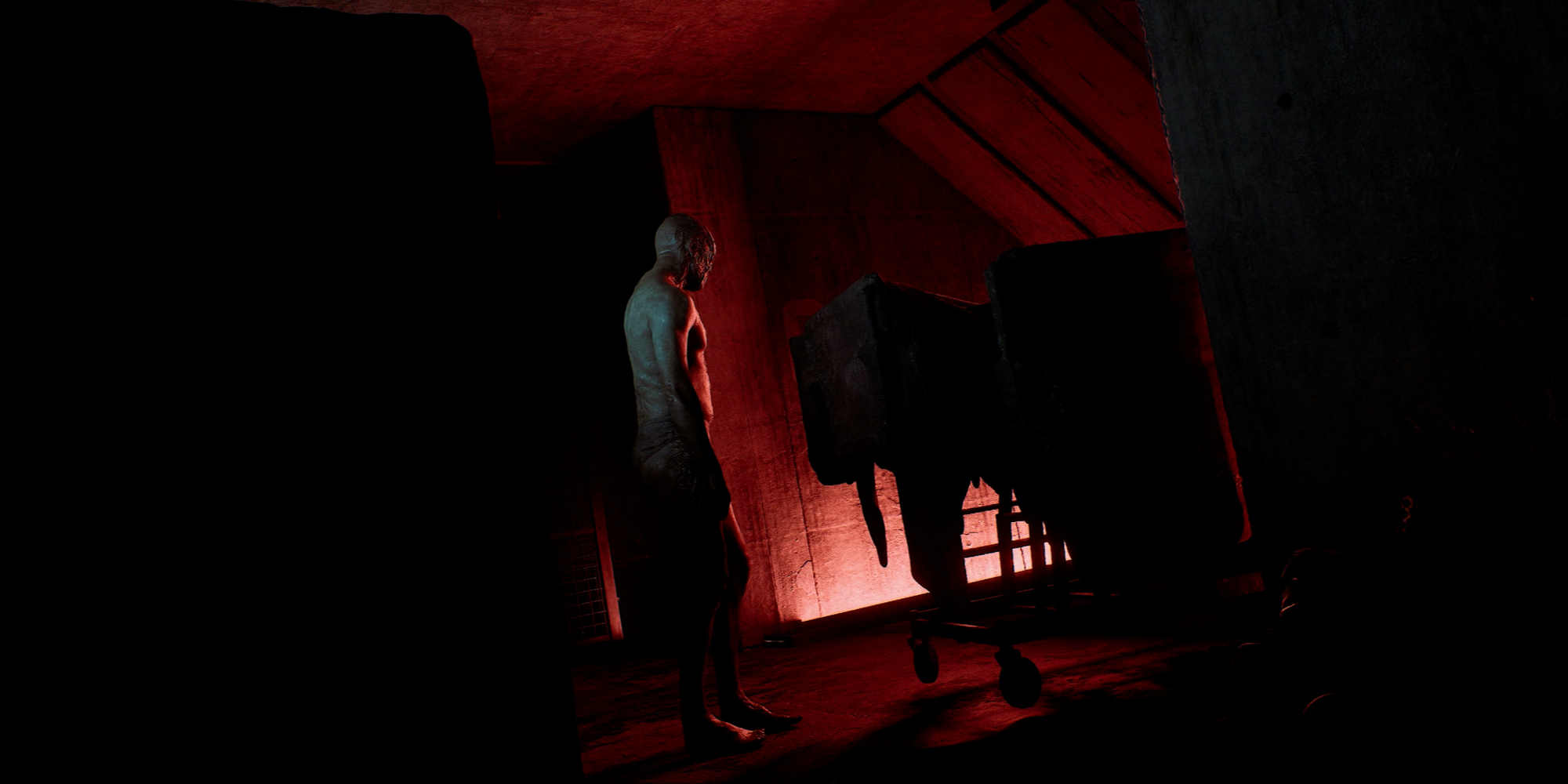
A monster in ‘Silent Hill: Townfall’ Image via Konami Digital Entertainment -
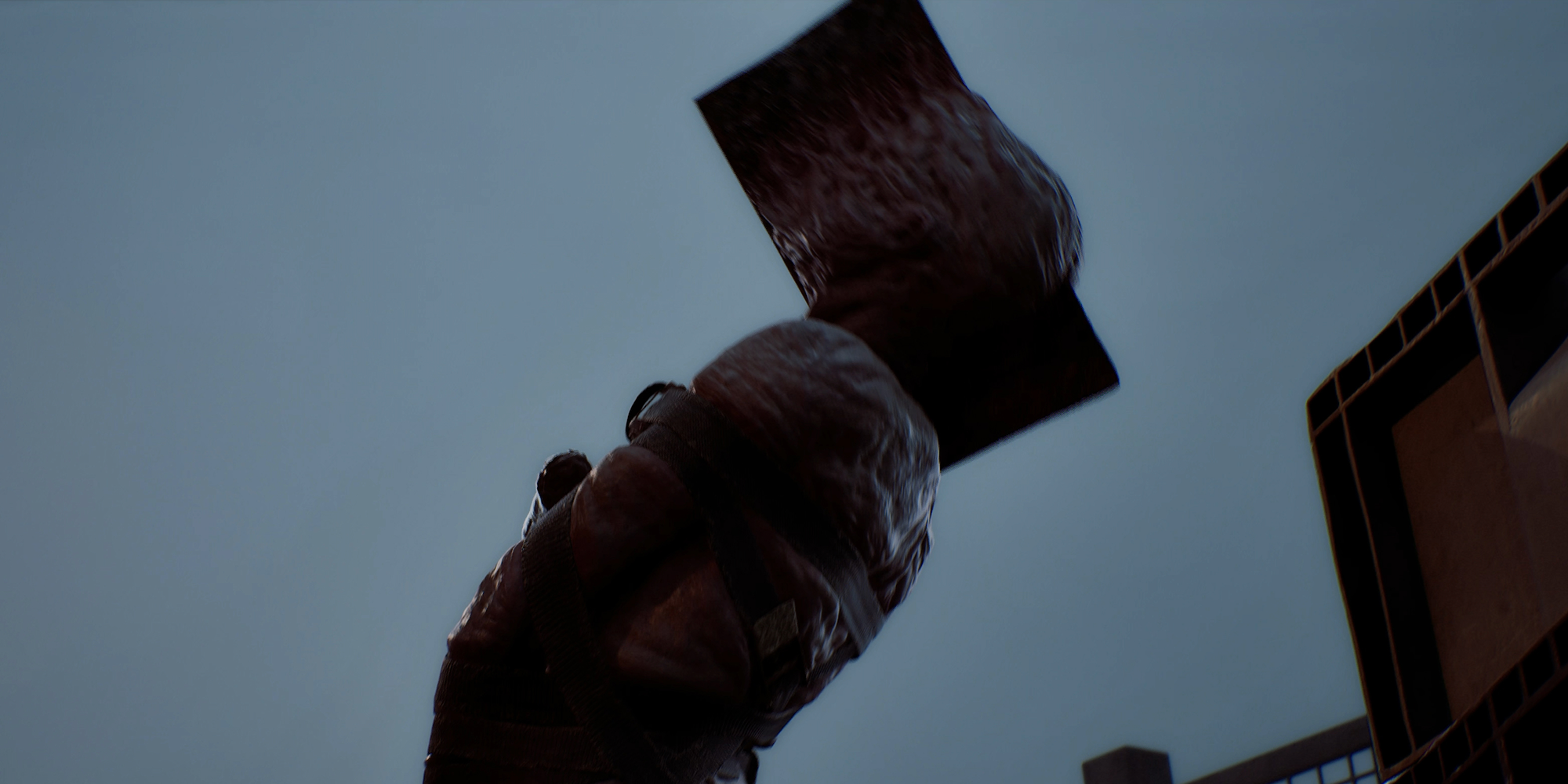
An enemy in ‘Silent Hill: Townfall’ Image via Konami Digital Entertainment -
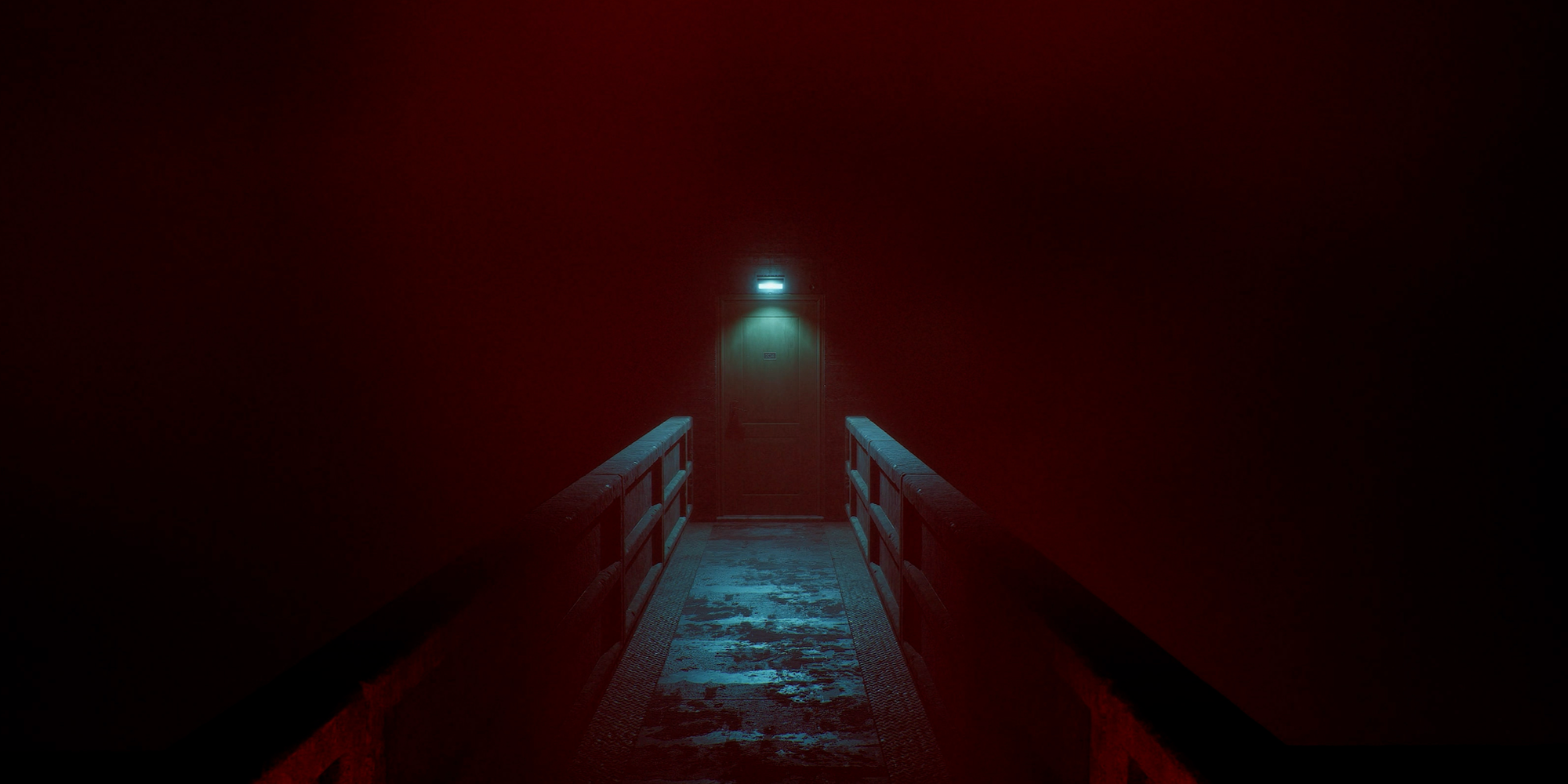
‘Silent Hill: Townfall’ Image via Konami Digital Entertainment

Fog is inseparable from Silent Hill, but it feels especially natural along St. Amelia’s waterfront. It physically cuts the island off from the rest of the world while concealing just enough to make every step feel like another potentially terrible decision. This is familiar imagery serving a new location instead of a new game thoughtlessly imitating something audiences already recognize. The sound design intensifies that uncertainty without overwhelming the story’s more intimate moments. I never felt completely safe, even when nothing was actively pursuing me, because what I thought I heard somewhere beyond the fog could be considerably scarier than anything placed directly in front of me. Townfall combines that oppressive atmosphere with excellent jumpscares, psychological horror, and enough gore to make me say “ew” without ever becoming nasty purely for the sake of testing my stomach.
Its monsters are terrifying because they retain just enough of the human form to feel recognizable in the worst possible way. McKellan explained that the creatures are rooted in the protagonist’s psychology and designed to build toward moments when players understand what each one represents. The enormous creature I referred to as the “Cloverfield monster” in my preview remains one of Townfall’s most imposing sights, and at the point I’m at in the game now, I’m looking forward to learning more about whatever it is still. I’m confident that understanding whatever it is will not make it any less terrifying.
‘Silent Hill: Townfall’s Narrative Puzzles Are Its Greatest Achievement


The narrative puzzles are Townfall at its best, turning the developers’ desire for players to keep “trying to piece it together” into the game’s most rewarding mechanic. Each solution delivers the “moment of revelation” McKellan described during our interview while preserving enough of the franchise’s signature ambiguity that every answer seems to uncover an even more compelling question. These puzzles do not interrupt the story because solving them is how players participate in telling it. Some are genuinely challenging, which makes finally discovering their solutions considerably more satisfying. I firmly believe that we should emerge from a game slightly better at playing games than we were when we started, and Townfall pushed me toward that goal. It expects players to observe, remember, interpret, and occasionally admit that their first assumption was completely wrong.
The CRTV is the defining mechanic of Simon’s sections, allowing players to tune through frequencies for signals, clues, puzzle information, and indications of nearby threats. It rewards patience and cautious planning, while ignoring its warnings can result in a deeply deserved jumpscare. More importantly, the CRTV makes uncovering the story feel active, as though I am physically pulling fragments of St. Amelia’s history out of the static.
Combat feels as polished as it did during my preview, with responsive melee attacks and gunplay that feels natural in first person. However, Townfall is best experienced by optimizing stealth instead of attempting to kill everything standing between Simon or Zoe and their objective. Simon’s CRTV and Zoe’s pager help players detect threats, plan routes, and avoid confrontations that would drain valuable resources. Resources are plentiful enough to support the experience as long as players explore their surroundings, and the inventory is refreshingly free of meaningless clutter. Everything Simon or Zoe can collect serves first aid, weapons, distractions, or the narrative. There are no traditional collectibles, but the environmental details ensure searching St. Amelia never feels pointless.
Navigation is occasionally frustrating, even if some of that frustration is intentional. Blocked paths, locked doors, and inaccessible gates are essential parts of Silent Hill, but encountering locked gate after locked gate while running for my life still tested my patience. I never became completely lost or struggled to locate an objective, though the camera could feel awkward when I needed to inspect drawers or other small spaces.
‘Silent Hill: Townfall’ is Worth the Trip Back Into the Fog

I spent approximately 10 hours with Townfall before reaching a point I was unable to move beyond due to needing to move onto writing this review. I’m approaching the end of the game and can tell, which made pulling me away so I could type particularly cruel. McKellan previously told me that Townfall contains three base endings and two additional conclusions unlocked through New Game Plus, but I cannot evaluate those endings or how successfully the game responds to a player’s natural behavior.
Based on the substantial portion I played, Silent Hill: Townfall is not better than Silent Hill 2 or Silent Hill 3, but it is the strongest attempt yet to stand alongside them. Its first-person perspective makes the horror more immediate without abandoning the symbolism, ambiguity, and emotional discomfort that give the franchise its identity. Screen Burn Interactive did not merely create a beautiful horror game bearing the Silent Hill name; it created a game that understands why that name matters. The occasional camera awkwardness and frustrating navigation barely diminish an experience defined by exceptional narrative puzzles, unforgettable atmosphere, and one of the franchise’s best locations. St. Amelia is gorgeous, miserable, and so richly realized that I want to save it despite knowing it would probably respond by manifesting a monster from my worst memory. After spending approximately 10 hours in its fog, my biggest complaint is that Silent Hill waited this long to embrace the perspective it was seemingly made for.


- Released
-
September 24, 2026
- ESRB
-
Mature 17+ / Blood, Strong Language, Violence
- Developer(s)
-
Screen Burn
- Publisher(s)
-
Annapurna Interactive, Konami
- Franchise
-
Silent Hill
- Exceptional narrative puzzles that reward careful interpretation
- Beautiful, atmospheric environmental design throughout St. Amelia
- CRTV and first-person perspective meaningfully reinvent the franchise
- Navigation becomes frustrating during enemy encounters
- The camera can feel awkward when inspecting smaller environments
- Simon is less compelling than Zoe and the surrounding mystery
You must be logged in to post a comment Login