Entertainment
Star Trek Shuts Down All Productions, It’s Done
By Chris Snellgrove
| Published


Recently, the internet has been filled with breathless headlines about some seemingly disastrous Star Trek news. Starfleet Academy has wrapped filming on Season 2 has yet to be renewed for Season 3, and there are no new shows being made; that means that for the first time in over a decade, there are no Star Trek series in production or even greenlit. To many fans, this is bad news because it means the future of their favorite sci-fi franchise is stuck in complete limbo.
However, I can’t help but feel like this is good news for Star Trek as a whole because it will give the franchise time to reinvent itself. The NuTrek era, led by Alex Kurtzman, has been a decidedly mixed bag, and Paramount (who is still adjusting to a merger with Skydance) is about to purchase Warner Bros. With all these changes on the horizon, greenlighting any new Trek show today would be a mistake because even if the show is good future leadership could end up canceling it after a year or two to take the franchise in a new direction.
The Canary In The Coal Mine

Generally speaking, I think it’s a good thing that Paramount will be waiting some time (quite possibly years) before greenlighting any new Star Trek content. One reason for this is Starfleet Academy, a controversial show that may already be dead. The show recently finished filming Season 2 (which was greenlit long ago), but the cast members who have talked about it sound a bit worried they won’t be coming back; if this is true, it would line up with rumors that Paramount suddenly canceled the show, forcing the writers to turn the season 2 finale into a series finale (which is the exact thing that happened with Star Trek: Discovery).
There are many reasons why Starfleet Academy may have gotten quietly canceled, and the most logical one is that it hasn’t been getting enough viewers each week to justify its outsized price tag (over $8 million per episode). However, another mitigating factor may be that the show didn’t impress the new management. David Ellison became the CEO of Paramount only after Starfleet Academy got the green light, but there’s always a possibility that this very conservative leader might have wanted to put the kibosh on Trek’s wokest show.
That doesn’t mean that future Star Trek writers need to tailor content to Ellison, of course, but it highlights a stark reality: it’s hard for shows and showrunners to impress the boss when the boss keeps changing. There could be future leadership changes after Paramount acquires Warner Bros., and there will almost certainly be extensive internal conversations about what to do with the studio’s biggest franchises. Simply put, it makes no real sense to green-light a new Star Trek show now when it could get suddenly canceled, which is what happened with Discovery and almost certainly what happened with Starfleet Academy.
The Writing On The Wall

From the very beginning, Alex Kurtzman has been the architect for the NuTrek era, and he may have seemed like a safe choice at first because he co-wrote Star Trek (2009), a very successful reboot. However, while Kurtzman’s tenure in the command chair hasn’t been a complete disaster, it has consistently produced a mixed bag for fans. Discovery was overly violent and then overly abstract, while Picard was generic sci-fi slop wrapped up in lazy fan service.
Strange New Worlds started strong but eventually became nothing but broad comedy and hollow melodrama. Lower Decks and Prodigy were both excellent, and both were canceled too soon. Most recently, Starfleet Academy had a very controversial first few episodes, and while the show is definitely getting better, it seems like Paramount may be learning a costly lesson about making such a poor first impression on the fandom.
An Expensive Lesson

There’s a pretty obvious lesson here: in less than a decade, we have had six different Star Trek shows. Of them, three (Discovery, Prodigy, and Lower Decks) were canceled early, and another (Strange New Worlds) will be ending early after an abbreviated fifth season. Now, Starfleet Academy is seemingly joining the ranks of shows receiving early cancellations. While fanboys don’t like to hear it, the message is clear: if Star Trek keeps making shows that fail, then it makes perfect sense to take a few years off in order to create something better.
Before anyone says it, I’m not writing this from the perspective of a hater: I enjoyed most of Discovery (Seasons 3 and 4 were “meh”), love most of Strange New Worlds (Season 3 notwithstanding), and I loved every frame of Lower Decks. Heck, I’m even starting to warm to Starfleet Academy, a show that had the rockiest start since TNG Season 1. But at the end of the day, this is a business, and if Paramount keeps canceling new Star Trek shows, it’s because they’re not making money.
It’s All About The Latinum
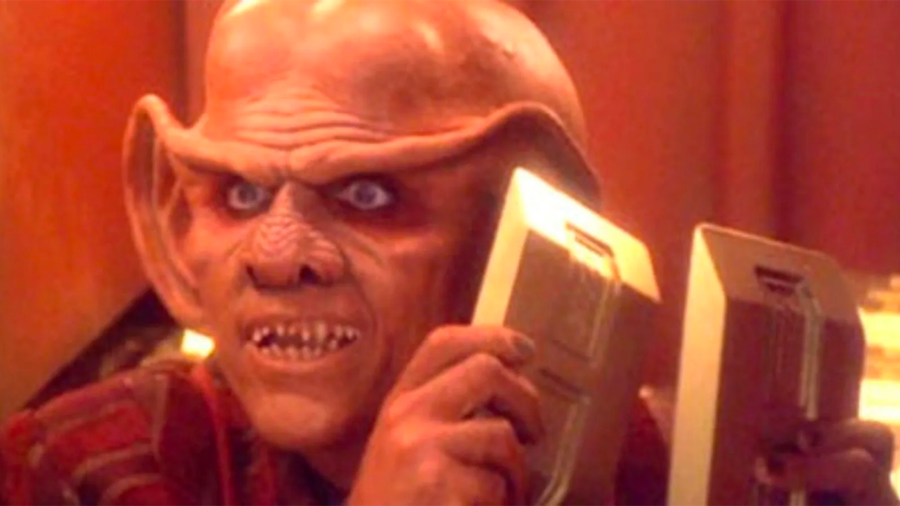
Until we get to the cashless society promised by Gene Roddenberry, money will still determine how many $8 million episodes of multiple Star Trek shows Paramount is willing to create. Furthermore, the only way for these shows to generate a profit and effectively justify their existence is to gain more viewers. For all its strengths, the truth is that the NuTrek era has failed to consistently achieve that, and a handful of zealous fanboys defending a show’s honor online each week doesn’t translate to that many people watching it.
This isn’t some culture war thing; it doesn’t matter how woke or unwoke a show is, it matters whether it appeals to enough fans to make a profit. Star Trek stopped consistently doing that at the exact moment that Alex Kurtzman took over. Now, more than ever, it’s time for this franchise to get some new leadership and take time off to discover the answer to a question that Kurtzman himself obviously never bothered to ask: what do Star Trek fans actually want to watch?