Entertainment
Star Trek’s 10 Best Shows, Ranked
By Joshua Tyler
| Updated


Debate over the current state of Star Trek is always raging, but because there’s been so much Star Trek made for so long, it almost doesn’t matter. Whether good new Star Trek is being made or not, there’s plenty of great past Trek out there waiting to be watched and rewatched.
I’ve spent my entire life watching, writing, and thinking about Star Trek, so whether you’re planning a rewatch or diving into Star Trek for the first time, I’m here to be your ultimate guide to the most important parts of the franchise.

These are Star Trek’s ten best TV shows, ranked in order by quality.
10. Star Trek: Prodigy

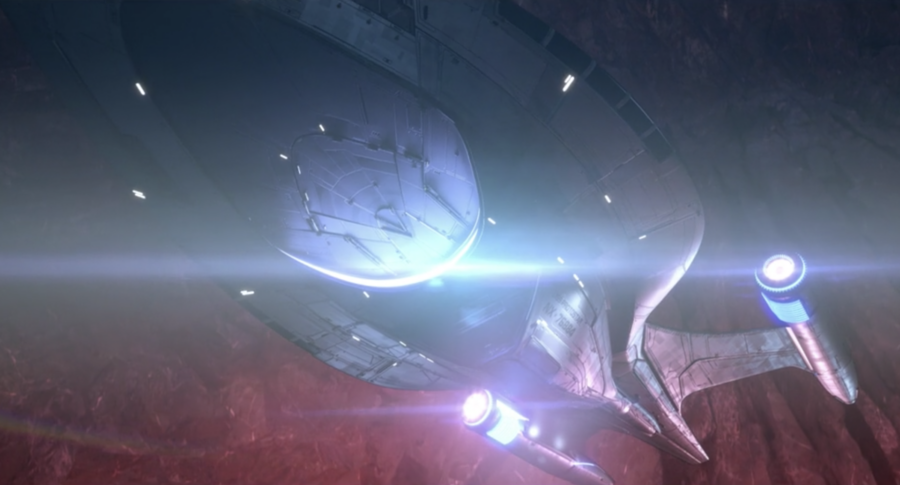
Star Trek: Prodigy was primarily aimed at kids in the 12 – 15 age range, but proved entertaining for adults as well, largely because it takes Star Trek seriously. After a premiere episode that was clearly an intentional homage to Star Wars, Prodigy stopped trying to be something else and settled into being Star Trek. It’s Star Trek for kids, but it’s still actually Star Trek.
This CGI animated series consists of short, mostly under-30-minute episodes that follow the adventures of a group of kids who commandeer a lost Starfleet vessel, the USS Protostar. Aboard the ship is a hologram version of Star Trek: Voyager’s Captain Janeway, there to serve as an instructor.
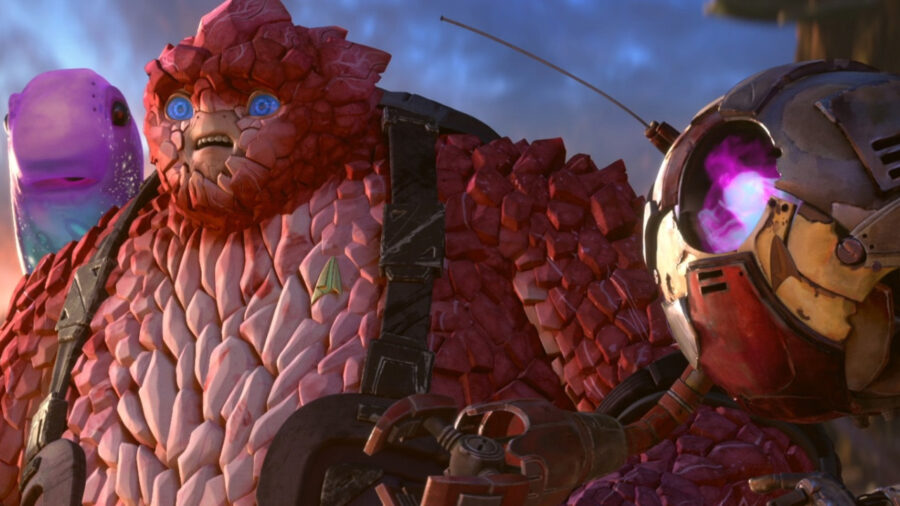
Janeway isn’t the only piece of Star Trek’s past included in the show. Unlike other new live-action Star Trek shows, Prodigy takes advantage of the Star Trek universe’s existing and established world. Rather than remaking Star Trek in its own image, Prodigy uses Star Trek to tell new stories using the world that we already know. It set out to add to the Star Trek universe, not reboot it, and for Trekkies, that’s a beautiful thing to behold.
Star Trek: Prodigy is straightforward and clearly aimed at kids, but still a lot of fun. It’s perfect for both getting the next generation involved in Star Trek and keeping adults happy and engaged.
9. Star Trek: Strange New Worlds

In Season 1, Star Trek: Strange New Worlds demonstrated strong potential and got off to a great start. It was the best first season of any Star Trek show outside the original series.
Since then, the writing has gradually degraded rather than improved. The stories have become increasingly illogical, turning into emotional venting rather than relatable character motivations and carefully plotted drama.
Season 3 began with an episode that, from a plot perspective, made no sense at all. It then produced episodes that were either jokes or ripped off from other Star Trek shows.

Captain Pike is the show’s biggest strength, and he’s brilliantly played by Anson Mount. Unfortunately, he rarely gets much screen time.
Strange New Worlds isn’t cheaply produced. It has many special effects, including numerous lovingly crafted, detailed shots of the glorious, newly refitted Enterprise. It’s something other new Trek shows don’t always do, and should be praised for it. However, it also relies too much on obvious LED walls and dark interior shots.
Star Trek: Strange New Worlds had the potential to rank highly on this list, but as the series progressed, it failed to capitalize on a strong start.
8. Star Trek: The Animated Series


Dwelling in the Star Trek dark ages between the cancellation of the original series and the revitalization of Trek with The Motion Picture is Star Trek: The Animated Series.
Unlike almost every other animated version of something popular in live action, the Trek animated series features the vocal talents of everyone in the original cast and an extra dose of James Doohan, who, in addition to voicing Scotty, also provides voices for lots of other ancillary characters. Working in its favor is the show’s ability to do things Trek couldn’t do on a live-action TV show’s special effects budget. We get new alien characters like a three-armed navigator named Mr. Arex, whose odd limb arrangement couldn’t have been done with TV Trek makeup.

Many of the episode scripts are written by incredibly talented science fiction writers, and there is an attempt here to explore big ideas in the same way the live-action show did. Unfortunately, those big ideas are now being shoehorned into a 20-minute animated show instead of a 42-minute live-action one. There isn’t much time, and a lot of the episodes end up feeling rushed. Some of them are flat-out silly.
The quality of the animation varies a lot, partly as a result of the time in which it was created (The Flintstones was still the pinnacle of animation in 1973). It’s also partly as a result of sheer laziness from the animators used to bring these stories to life.
Star Trek: The Animated Series is an uneven ride, but one that hardcore Trek fans won’t mind taking.
7. Star Trek: Voyager

Star Trek: Voyager began with the best premise any Trek show has ever had. A by-the-book Federation crew is stranded seventy years away from home with a bunch of terrorists. They’re forced to work together for survival and must claw and scratch their way back to the Federation in a hostile and totally unknown part of the universe.
For much of its run, Voyager ignored that premise and went with a script-of-the-week technobabble formula. When the show’s central premise was addressed, it was hampered by unevenly developed characters.

When at its best, Voyager is carried by the raw talent of Robert Picardo as the ship’s lovable holographic doctor and Jerri Ryan, after she joins the show as Seven of Nine in the fourth season. Their performances are so good that they elevate everything around them, including Kate Mulgrew, whose Captain Janeway is at her best when playing off Seven.
Star Trek: Voyager’s worst episodes are a slog but Voyager’s best episodes like “Equinox” and “Year of Hell,” make it all worthwhile.
6. Star Trek: Lower Decks
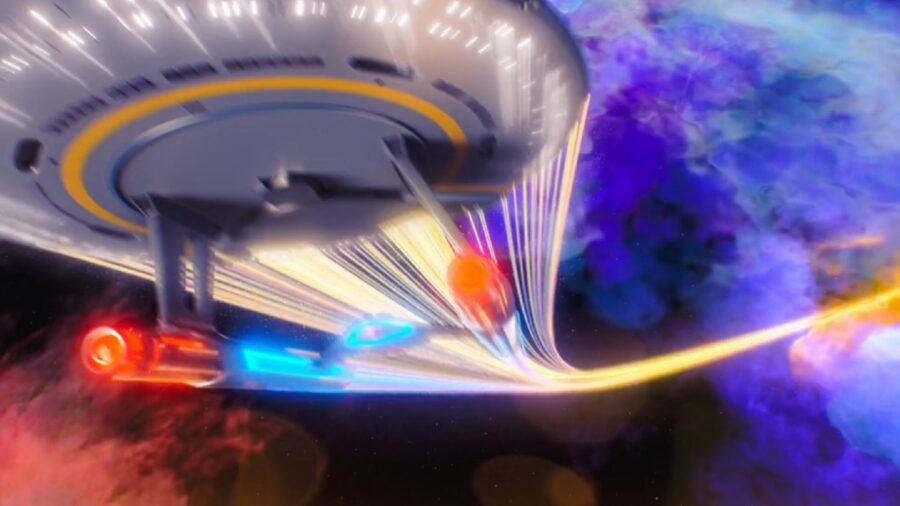
Star Trek: Lower Decks is faithfully set during the Star Trek: The Next Generation movie era, and it uses what we already know of that world to create new stories. Sometimes, it uses that period-specific space setting to create comedy (inside jokes that only real Trekkies will get and broader humor for the newbies). It does it all seamlessly.
The animated comedy show deserves praise for its consistency, among other things. Each episode of Star Trek: Lower Decks has a minimum level of quality. There’s not a bad episode in the show’s entire run, only some that are enjoyable and also episodes that are brilliant, epic, and among the best all-time. Consistent quality in entertainment is rare, especially where Star Trek is concerned.
In season 5, they wrapped up all the show’s loose ends and fixed many of the wrongs committed by other, inferior Star Trek shows. Lower Decks was, at the time of its release, the most Star Trek the world of Star Trek had been since the 90s. Effort like that deserves a high ranking, and so I’ve given it one.
5. Star Trek: Enterprise

Star Trek: Voyager finished its run on television in 2001, and the show had fallen far in the ratings. Meanwhile, the most recent Next Generation movies were being savaged by critics and fans alike. It seemed like the perfect time to take Trek in a new direction, so instead of pushing forward in the era started by Picard back in the 80s, Trek head honchos decided to delve into Trek’s past with a prequel series set before Kirk and Spock.
Enterprise followed the crew of Earth’s first-ever warp 5 vessel, the Enterprise NX-01, as humanity began its first push out into the galaxy with the help of the Vulcans. The series had an opportunity to show us the birth of the Federation, as humans journeyed around the cosmos, making new allies and encountering enemies like the Klingons for the first time.
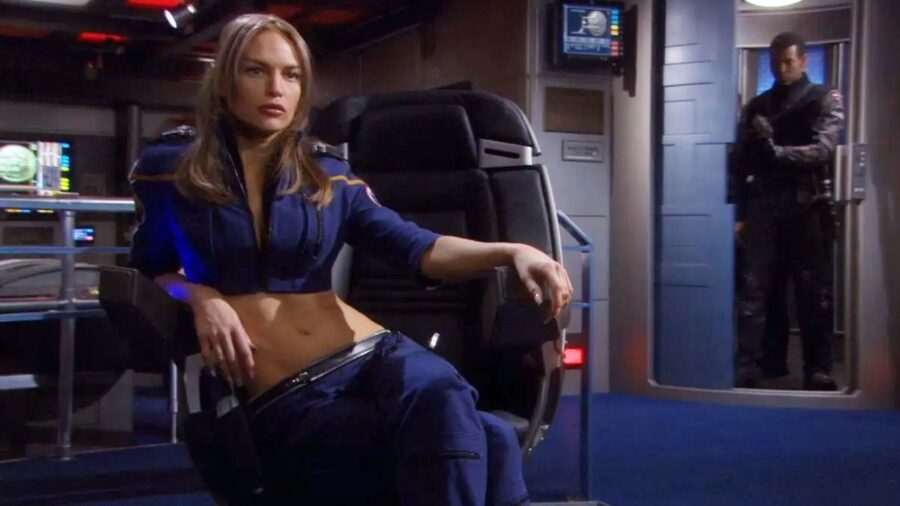
It did not do that. Instead, the first season immediately got bogged down in a time-travel plot forced on them by the network. Lackluster ratings and lackluster fan response caused Star Trek: Enterprise’s cancellation after four seasons in 2005, sending the entire Trek franchise into a total hibernation until JJ Abrams rebooted everything with his 2009 Star Trek film.
So why is it so high on this list? While they initially failed to deliver the show’s premise, the series began to find its footing at the end of the third season. By the fourth, they actually started following through on the promise Enterprise made us in the beginning.
The fifth season could have been great, but we’ll have to settle for a third and fourth season, which showed hints of greatness in a series that never fully became what it might have been.
4. Star Trek: Picard Season 3

The first two seasons of Star Trek: Picard are so different from Picard Season 3 that they might as well be a totally different show. Not only did they bring in an entirely new cast, but also a new showrunner, Terry Matalas, and a new creative team behind the scenes. Since Star Trek: Picard season 3 is basically a different show, I’m treating it as a different show in these rankings.
The Star Trek: Picard team that took over for season 3 actually likes Star Trek and knows something about it. So they binned everything Picard had done previously and started from scratch. That included rebuilding the show’s atrocious opening credits.
Picard season 3 is the perfect send-off movie that the Star Trek: The Next Generation crew never really got. Along the way, it even managed to fix some of the franchise’s more egregious mistakes (everything that happened to Data, for instance).
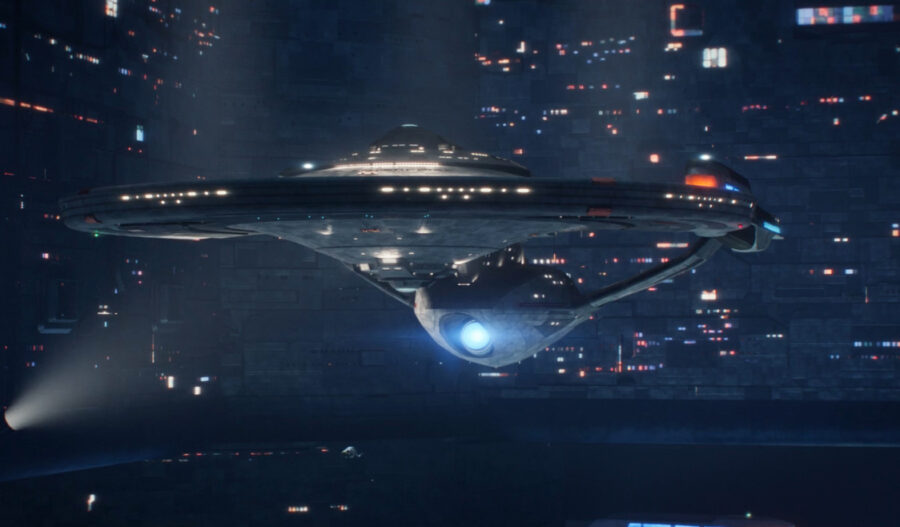

It’s not only Terry Matalas bringing back the entire Star Trek: The Next Generation cast that makes it good. Plugging in a bunch of old actors will only get your story so far, and the tone of the show is nothing like those classic Next Gen episodes.
Instead, Star Trek: Picard season 3 captures a vibe akin to the original movie era of Star Trek: II, III, IV, V, and VI. The series’ hero ship (yes, we have hero ships again) is specifically designed to be reminiscent of the refit Enterprise from that era. The Titan-A is a Neo Constitution, and it may be the coolest ship Star Trek has produced since the Enterprise-E.
Matalas’s obvious love and dedication to all things Star Trek made Picard season 3 soar. That one season, and only that one season, of the show is a proud addition to this list.
3. Star Trek: The Next Generation
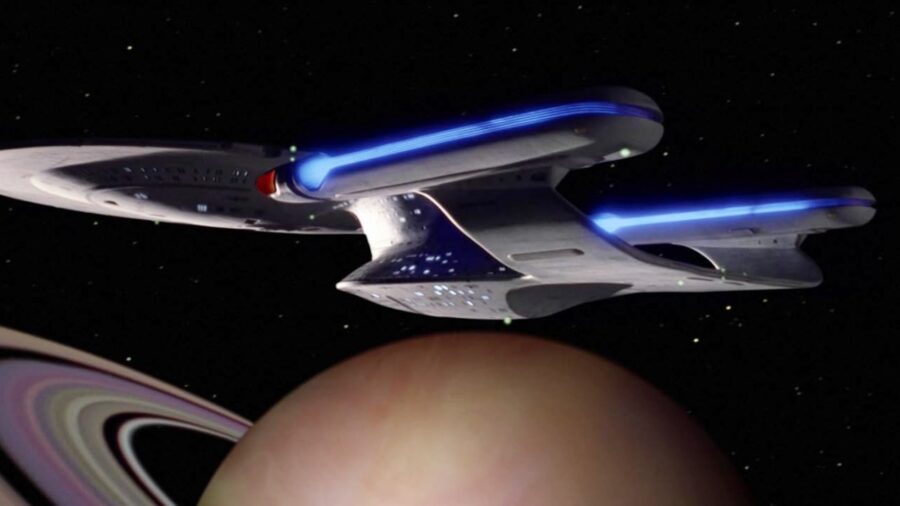
In 1994, Star Trek: The Next Generation was nominated for Outstanding Drama Series by the Emmys. It deserved to be nominated more. The long-gestating television follow-up to the Star Trek of the sixties debuted in 1987 and immediately struck a different tone than its predecessor with a mature, effete Captain who seemed more like a father figure than a gutsy adventurer.
It worked. It worked for much the same reasons the original series did: by taking on challenging topics in a science fiction setting, with great writing that was unafraid to take risks. TNG has stood the test of time because its lead, Captain Picard, became something of a father figure to the kids watching with their parents.

You want to BE Captain Kirk, the swashbuckling hero making all the tough calls and winning against impossible odds. You want to SERVE under Captain Picard, you want to stand with him, next to him, and soak in all his wisdom.
Whether you prefer Kirk or Picard is probably a function of who you are, but thanks to great writing and bold vision, The Next Generation stands the test of time, responsible for some of the best moments in all of Star Trek. Characters like Data, Worf, and Q are among the most enduring figures in all of pop culture.
2. Star Trek

The series that started it all has aged but is still entirely enjoyable, thanks in large part to the remastered versions, which cleaned up the original prints and updated some of the FX.
CBS wanted Gene Roddenberry’s vision to be Wagon Train in the stars, but Roddenberry and the show’s staple of respected science fiction writers (like Harlan Ellison) had loftier ambitions. They used their platform to tell complex, thought-provoking stories and build interesting characters.


The camaraderie of the holy trinity (Kirk, Spock, McCoy) is the centerpiece of the show, which did its best to challenge the ideals of its viewers (as with the first-ever interracial kiss on television in season 3) and also entertain them. It’s funny too, in all the right moments, with the constant teasing and push and pull between McCoy and Spock providing the perfect angel and devil on Kirk’s shoulders as he makes all the big decisions.
In Star Trek’s second season, Kirk admonished his crew to boldly go by telling them, “Risk is our business!” It was Star Trek’s business, too, and the franchise has always been at its best when it takes risks. Few have taken them better than the show that started it all.
1. Star Trek: Deep Space Nine

This was the first Star Trek series designed to play out like one long, seven-season movie. Back before linear storytelling was all the rage on television, with shows like Game of Thrones and Breaking Bad, Star Trek: Deep Space Nine blazed a trail as one of the first TV shows to tell a continuous story arc across multiple seasons.
The stories DS9 told were top-notch, thoughtful science fiction as it tackled the reality of Gene Roddenberry’s Root Beer in a universe that does not like bubbles. Part of the reason it’s so good is Ron Moore, who would later become known as the mastermind behind the brilliant Battlestar Galactica reboot. He honed his craft here, and many of BSG’s most successful moments can be traced directly to the roots he planted on Deep Space Nine.

The cast is the most talented in Trek, with people like Renee Aberjoinois (Shapeshifting Odo), Avery Brooks (The Sisko), Colm Meaney (O’Brien Must Suffer), Armin Shimmerman (Leader of the House of Quark), Nana Visitor (Terrorist in Charge), Andrew Robinson (Plain, Simple Garak) and Michael Dorn (Not a Merry Man) delivering Emmy-worthy (but unrewarded) performances.
Thanks to a rocky, uneven start in seasons 1 and 2, Deep Space Nine never got its due. But if you watched it and stuck with it, by Season 4 or 5, you knew this was some of the best television in the history of the medium, and the best Star Trek show the franchise has ever produced.
Where Should Newcomers Start Watching Star Trek?


So Star Trek: Deep Space Nine is the best show Star Trek has ever produced. But if you’ve never watched Star Trek before, is that where you should start streaming?
If you do opt for Deep Space Nine, you’ll be happy, but I’d suggest starting with The Next Generation. Star Trek: Deep Space Nine’s inciting event is something triggered by the events of The Next Generation, and while DS9 still makes sense whether you’ve seen those TNG episodes or not, viewing them will only deepen your appreciation of Captain Sisko’s character arc once you dive in. Besides, Next Generation may not be number one on my list, but it’s still really, really good.
The Worst Star Trek Shows

Wondering where shows like Star Trek: Discovery or Starfleet Academy would rank if we made a longer list? You don’t have to wonder.
We made a longer version ranking everything Star Trek has ever done. Journey into darkness with our full Star Trek ranking.
You must be logged in to post a comment Login