Entertainment
Star Trek’s Most Hated Producer Predicted The Worst Part Of The Franchise
By Chris Snellgrove
| Published
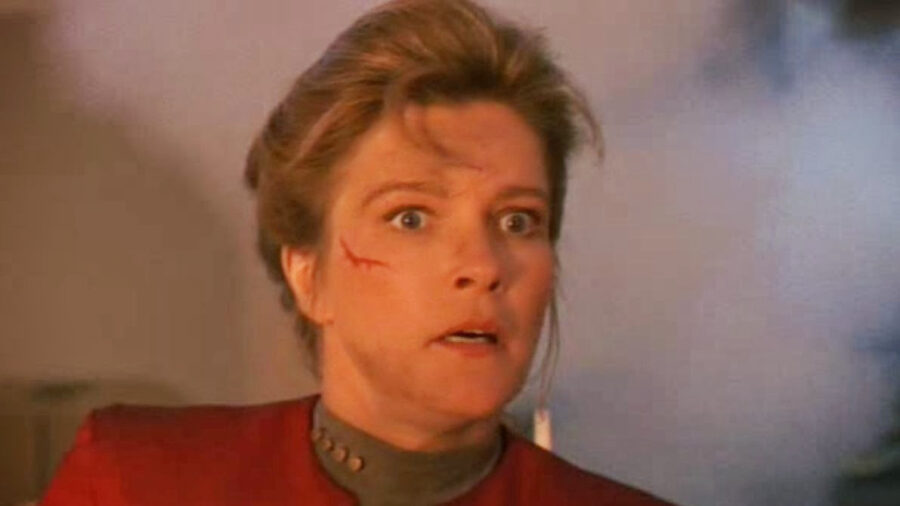

Few Star Trek creators are quite as controversial as Rick Berman, who has been accused of everything from persistent on-set misogyny to running the franchise’s Golden Age into the ground with Enterprise and Nemesis. However, for all of his alleged faults, Berman actually predicted very early on what would become the worst part of the franchise: its overreliance on the Borg. Moreover, he implied that if Star Trek couldn’t find anything original to do with these iconic bad guys, they should simply stop being included in future stories.
Berman’s thoughts on this matter are quoted extensively in Captain’s Logs: The Unauthorized Complete Trek Voyages. He was discussing “Descent,” the two-part Star Trek: The Next Generation episode that explored what happened to the Borg after the Enterprise crew returned a Borg with a personality (Hugh) back to the Collective. The executive producer liked how the show used the villains in this ambitious episode, but he specifically enjoyed how they were written so very differently from their earlier appearances.
Star Trek’s Most Two-Dimensional Villains
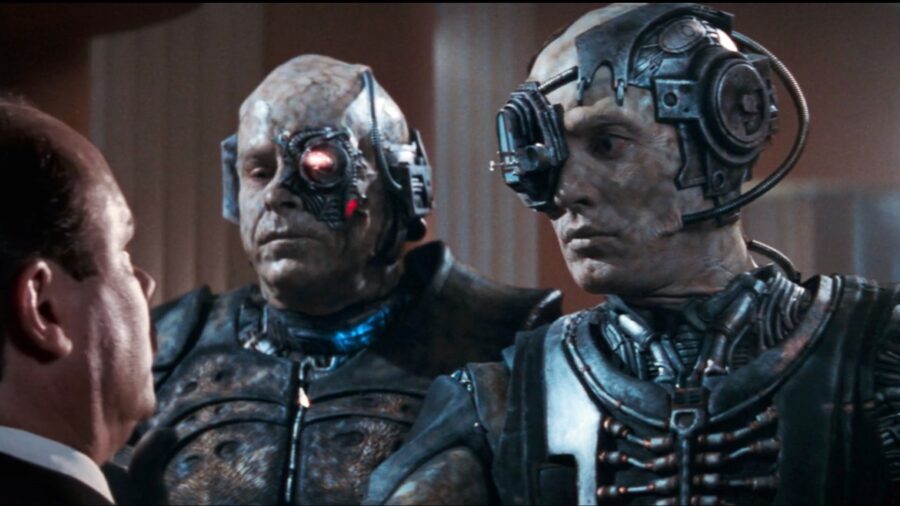
“I find [the Borg] very two-dimensional in a way,” Berman said. “They are faceless characters without personality and without specific character traits.” While many fans would say this is what makes them so scary (they are basically the closest thing Star Trek has to zombies), Berman thought that their collective nature made them “sort of a one-beat group of bad guys.”
Berman did acknowledge that these “one-beat” villains could be used well in certain circumstances. For example, he noted that “In ‘Best of Both Worlds’ they represented a threat as opposed to characters, and that was a great episode.” This is a fairly astute analysis, really: being a Collective, the Borg were always going to fail at being interesting characters, but they worked astoundingly well as TNG’s first real existential threat to the Federation’s entire way of life.
Borg Of A Different “Hugh”

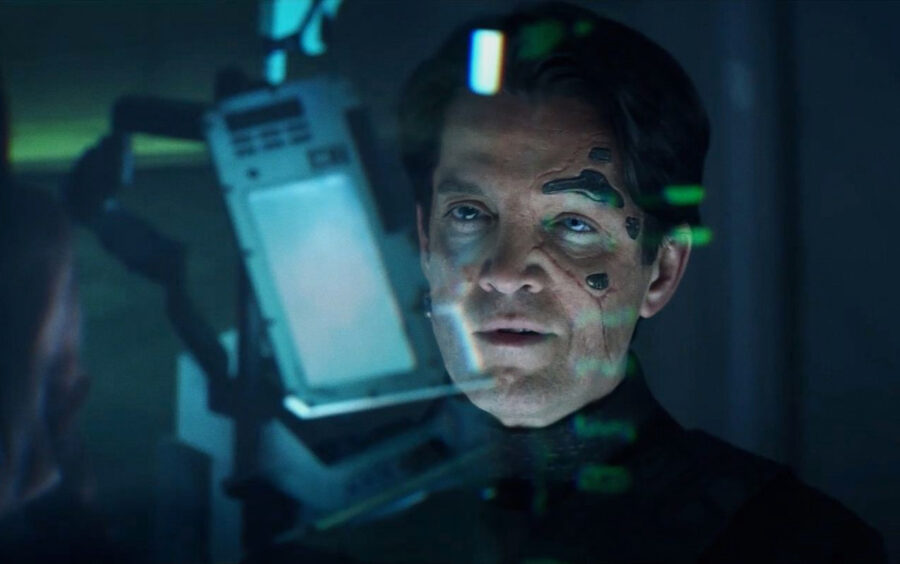
For Berman, the episode “I, Borg” (where a captured Borg develops a personality before being returned to the Collective) was something of a revelation. He enjoyed how this story transformed the Borg “into a character” who was “given a personality and something to be sympathetic towards.” He then made a bold statement that would prove weirdly prophetic: “My only interest in the Borg is when they’re used off-center in other than the way they were originally conceived.”
While Berman may have loved how different the Borg in “Descent” were, that sentiment wasn’t shared by most of the fandom. Many missed the cybernetic zombies that had first scared them in episodes like “The Best of Both Worlds,” finding them far more frightening than the group of angry, screaming cyborgs in “Descent.” Accordingly, Star Trek: First Contact brought the Borg back more or less as they were, with one twist: the addition of a Queen.
The Worst Of Both Worlds

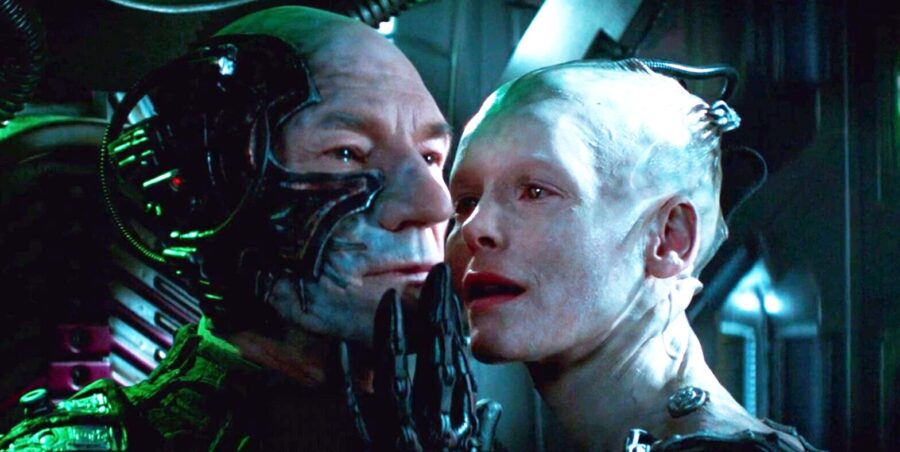
Unfortunately, this ended up being “the worst of both worlds” from a creative standpoint. The Queen was (as confirmed by Brannon Braga and other Star Trek creatives) primarily added to give the Borg a recognizable figure who could both speak and be spoken to; that made for more compelling filmmaking than having characters like Picard and Data talk to the formless voice of the Collective. But the very idea of an individual queen went against the Borg’s whole deal, irking fans who wished these villains had stayed consistent.
Speaking of consistency, Star Trek never really made any major changes with the Borg as a whole after this. Sure, the Queen still popped up, but for the most part, the Borg were back to being robot zombies. As Rick Berman predicted, constantly using the Borg without making any substantive changes eventually provided diminishing storytelling returns.
Kissing The Borg Goodbye?
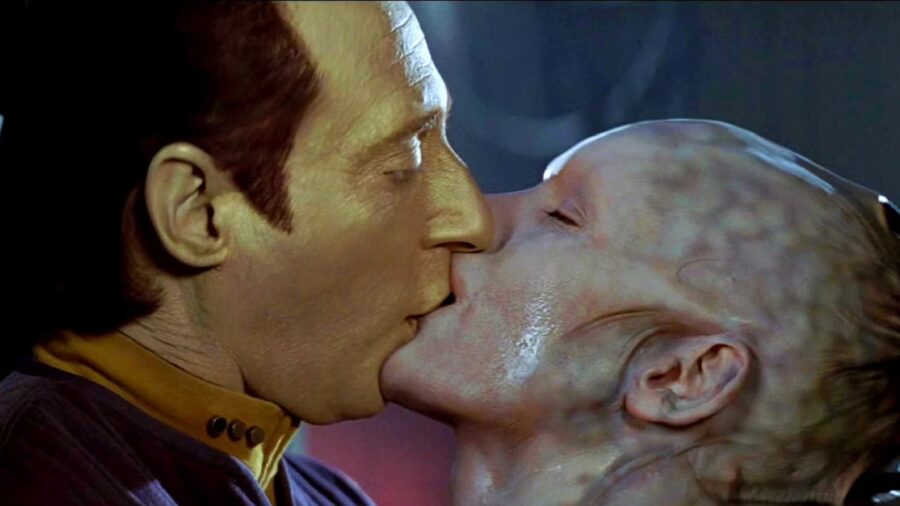
For example, they popped up so much in Voyager (a show that eventually added a Borg officer) that their appearances stopped feeling special. They popped up in Enterprise and, somewhat inexplicably, every single season of Star Trek: Picard. Heck, that show even made the Borg (complete with their unkillable Queen) the final Big Bad, signifying to fans that the writers had really and truly run out of ideas.
Rick Berman’s prophecy came to pass: the Borg remained one-note bad guys until the very end, never again receiving a character change as significant as what we saw in “Descent.” They were transformed back into a reliable bad guy, but one that ultimately became reliably boring. Now that the franchise has moved into the 32nd century, we can only hope the Borg never pop up in Starfleet Academy; otherwise, the iconic race might have to get several passionate lectures on the evils of cultural assimilation, punctuated by quippy phrases like “Resistance ain’t futile, bruh” and “assimilate this, b*tch!”
Can the Collective be defeated by pure, undiluted cringe? Here’s hoping we don’t have to find out!
You must be logged in to post a comment Login