Entertainment
‘Strange New Worlds’ Does 1 Thing Perfectly When It Comes to Star Trek

When Star Trek: Strange New Worlds was in early development, co-creator Akiva Goldsmith announced that the show would follow the episodic format of Star Trek: The Original Series. From the premiere onwards, it’s obvious that the creative team has embraced this ethos — each week has a new enemy and adventure awaiting the crew of the Enterprise. There has been plenty of criticism of the New Trek shows for straying too far from the formula introduced by franchise creator Gene Roddenberry. Both Star Trek: Discovery and Star Trek: Picard eschewed standalone stories for shorter seasons and serialized storytelling, and both shows have already concluded. But to say that Star Trek: Strange New Worlds takes the franchise back to its roots is to disregard the fact that the show was created in the New Trek era. Strange New Worlds combines the best aspects of New Trek, merging it with classic beloved series like The Original Series.
‘Strange New Worlds’ Allows Its Characters To Grow While Remaining Episodic in Format
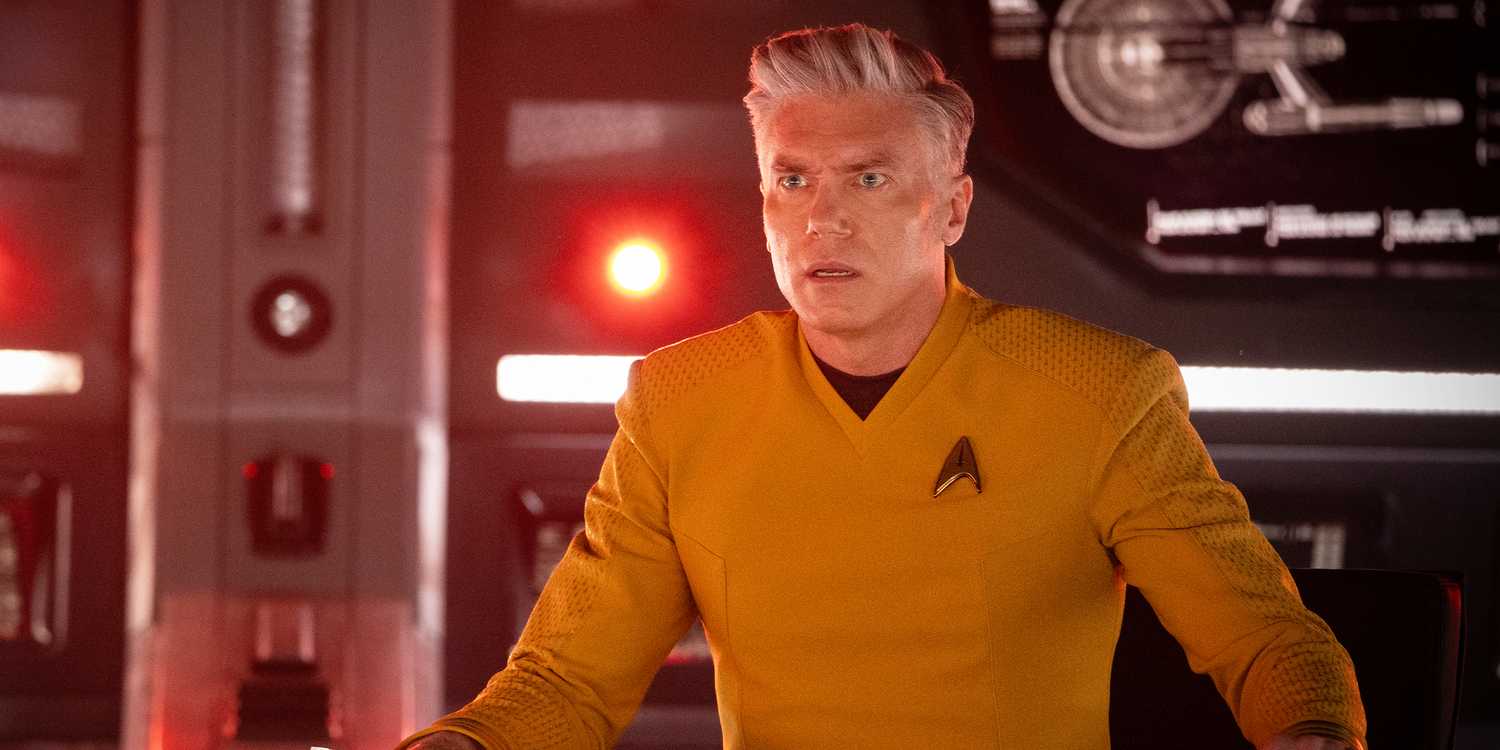
In the opening scenes of Strange New Worlds, we see that Captain Christopher Pike (Anson Mount) is still struggling with the revelations about his future and impending death that he learned about in Star Trek: Discovery. This is an essential aspect of his character, though that premonition doesn’t necessarily define him. Pike doesn’t magically “get over” his struggle either — instead, he works through his trauma, all the while learning that he’s not alone in suffering. Other members of the crew are also recovering from their personal pain. Security Chief La’an Noonien-Singh (Christina Chong) grew up under the terror of the Gorn, lost her entire family to the aliens, and was tormented by those around her for being a descendant of the notorious genetic superman, Khan Noonien Singh. Cadet Nyota Uhura (Celia Rose Gooding), a prodigy on her first Starfleet mission, has a similar story. She was slated to go to university when her parents and brother were all killed in a shuttle accident. Uhura’s well-established plan for her life unraveled, and she lost her sense of belonging before her grandmother guided her toward joining Starfleet.
These stories help Pike contextualize his own pain and his place in the universe. This is a common theme among the characters — secrets and backstories are slowly revealed, bringing the characters closer, but not all of these revelations are conveniently wrapped up in one episode. The creators leave viewers hanging, weaving mysteries from episode to episode. Though each installment of Star Trek: Strange New Worlds has a self-contained story and spotlights some of the characters, there are also underlying threads like Pike coping with his trauma and the histories of the crew that are discovered but not concluded.
‘Strange New Worlds’ Straddles the Line Between Two Eras of Star Trek


Star Trek: Strange New Worlds’ ability to straddle the line between Old and New Trek is in keeping with the rest of the shows in the franchise. Star Trek: Deep Space Nine was at its best in the latter seasons when the main arc was the Dominion War. The show perfectly encapsulated an umbrella storyline with episodic storytelling about the crew’s day-to-day lives and duties. This style of writing also influenced Star Trek: Enterprise, and many will argue that Enterprise’s multi-episode arcs were its most memorable. Even Star Trek: Voyager, which was as episodic as it gets, had the through-line of the crew attempting to return home — several of the episode plots were informed by this main mission.
Star Trek: Strange New Worlds is also able to balance the styles and tones of the two eras. The bright optimism and aura of kindness of the original are obvious in the production design and the character interactions. Though there’s darkness bubbling under the surface of several character arcs, the show doesn’t wallow in it. Pike doesn’t keep the horror of his future to himself; he shares it with his friends. Uhura tells the senior staff about her family’s demise and is accepted for it as well as encouraged to make the best choices for herself. The crew of this Enterprise is much more sheltered than those aboard Discovery or La Sirena, but they’re also living in an era when the Federation is at its most powerful.
‘Strange New Worlds’ Highlights the Entire Crew
-
-
-
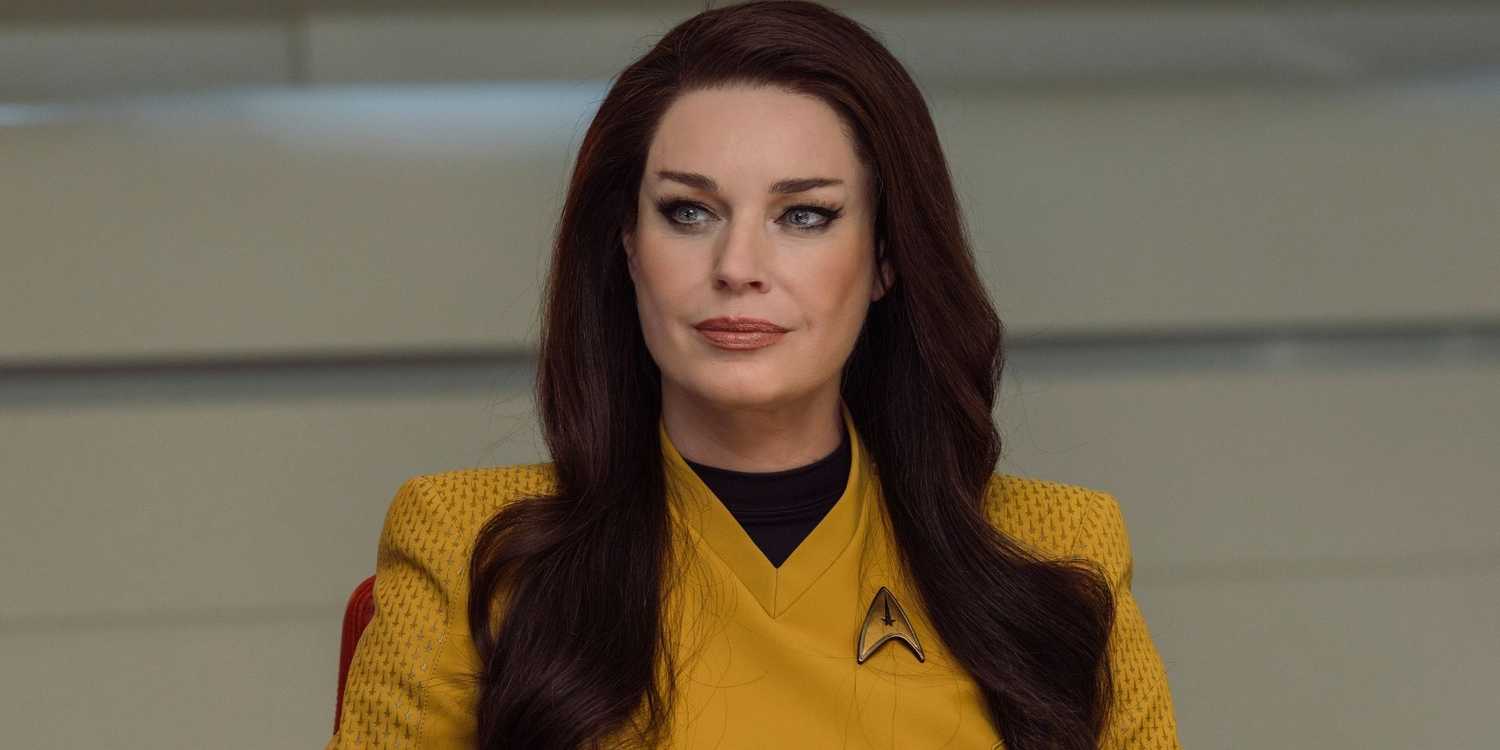
- Rebecca Romijn as Una in season 4, episode 1, of Star Trek: Strange New Worlds streaming on Paramount+, 2026. Photo Credit: Jan Thijs/Paramount+
-
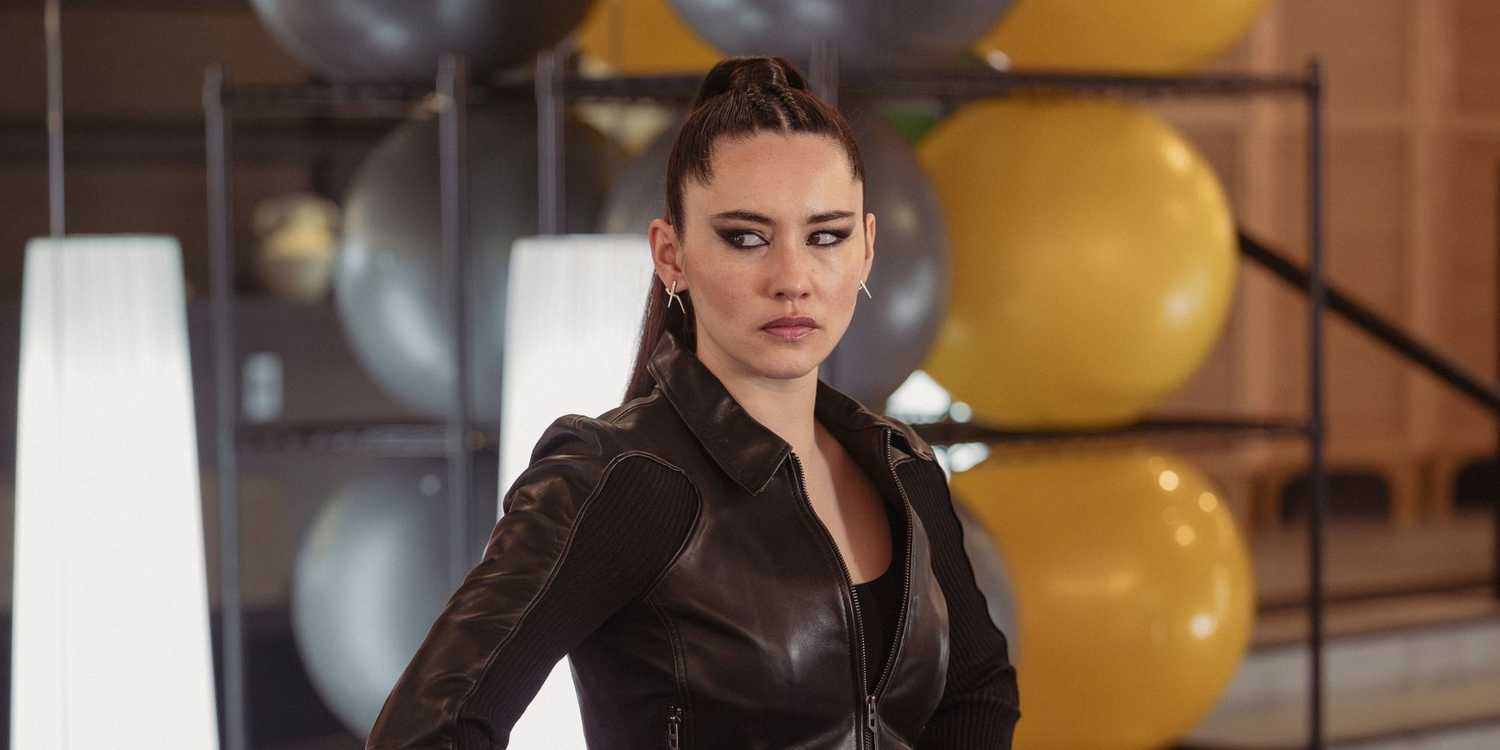
- (L-R): Christina Chong as La’an Noonien-Singh and Melissa Navia as Erica Ortegas in season 4, episode 3, of Star Trek: Strange New Worlds streaming on Paramount+, 2026. Photo Credit: Jan Thijs/Paramount+
-
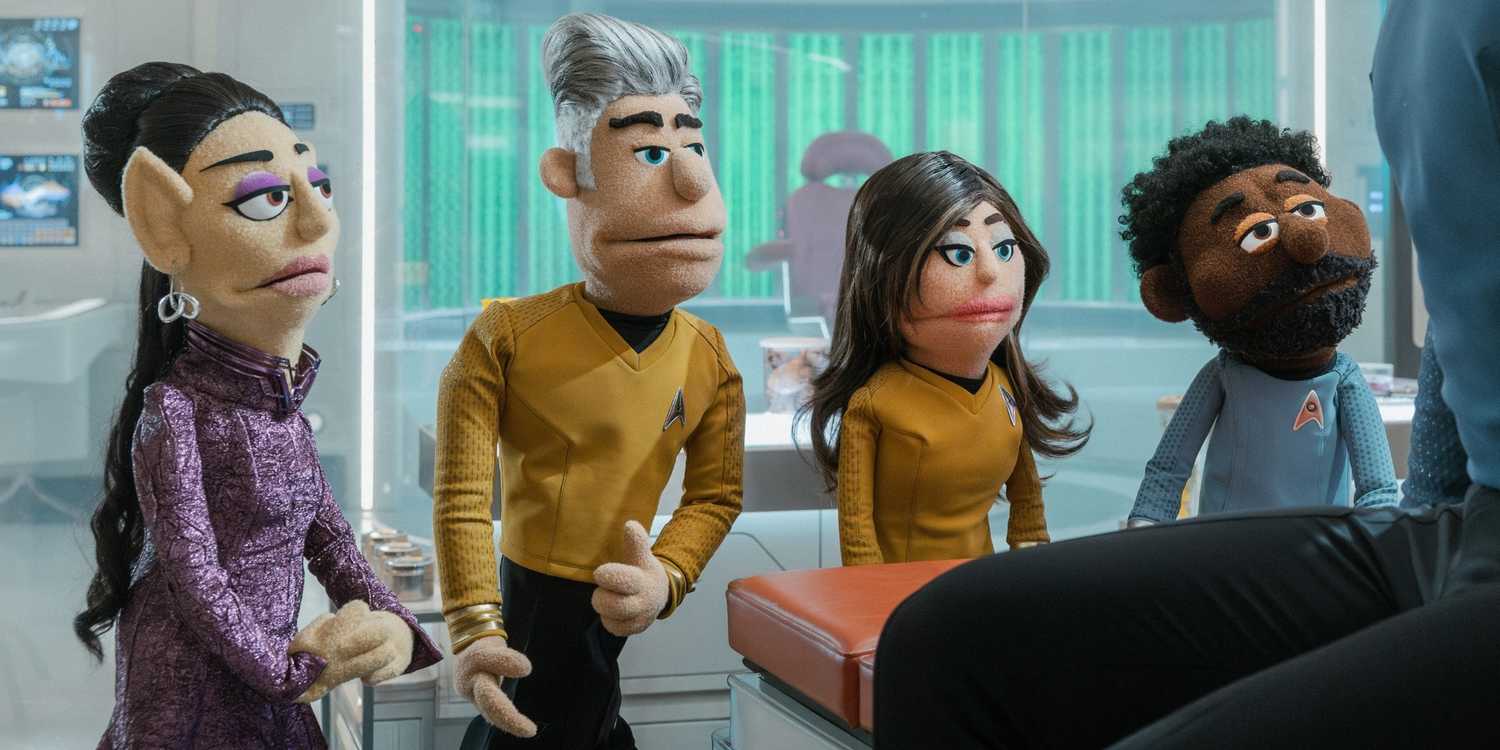
- (L-R): Gia Sandhu as T’Pring, Anson Mount as Captain Pike, Rebecca Romijn as Una, Babs Olusanmokun as Dr. M’Benga, and Ethan Peck as Spock in season 4, episode 5, of Star Trek: Strange New Worlds streaming on Paramount+, 2026. Photo Credit: Jan Thijs/Paramount+

-

-

-
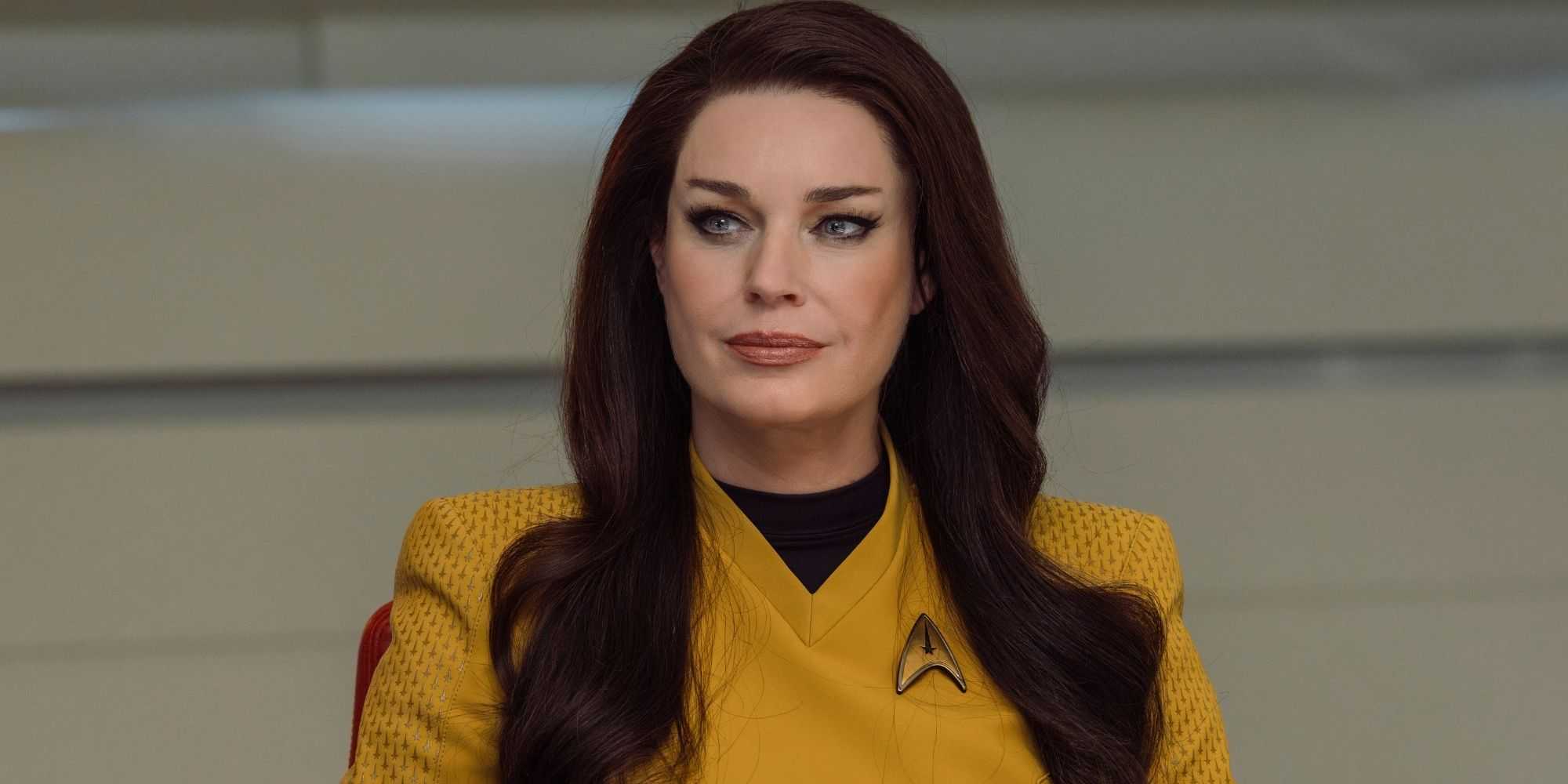
- Rebecca Romijn as Una in season 4, episode 1, of Star Trek: Strange New Worlds streaming on Paramount+, 2026. Photo Credit: Jan Thijs/Paramount+
-
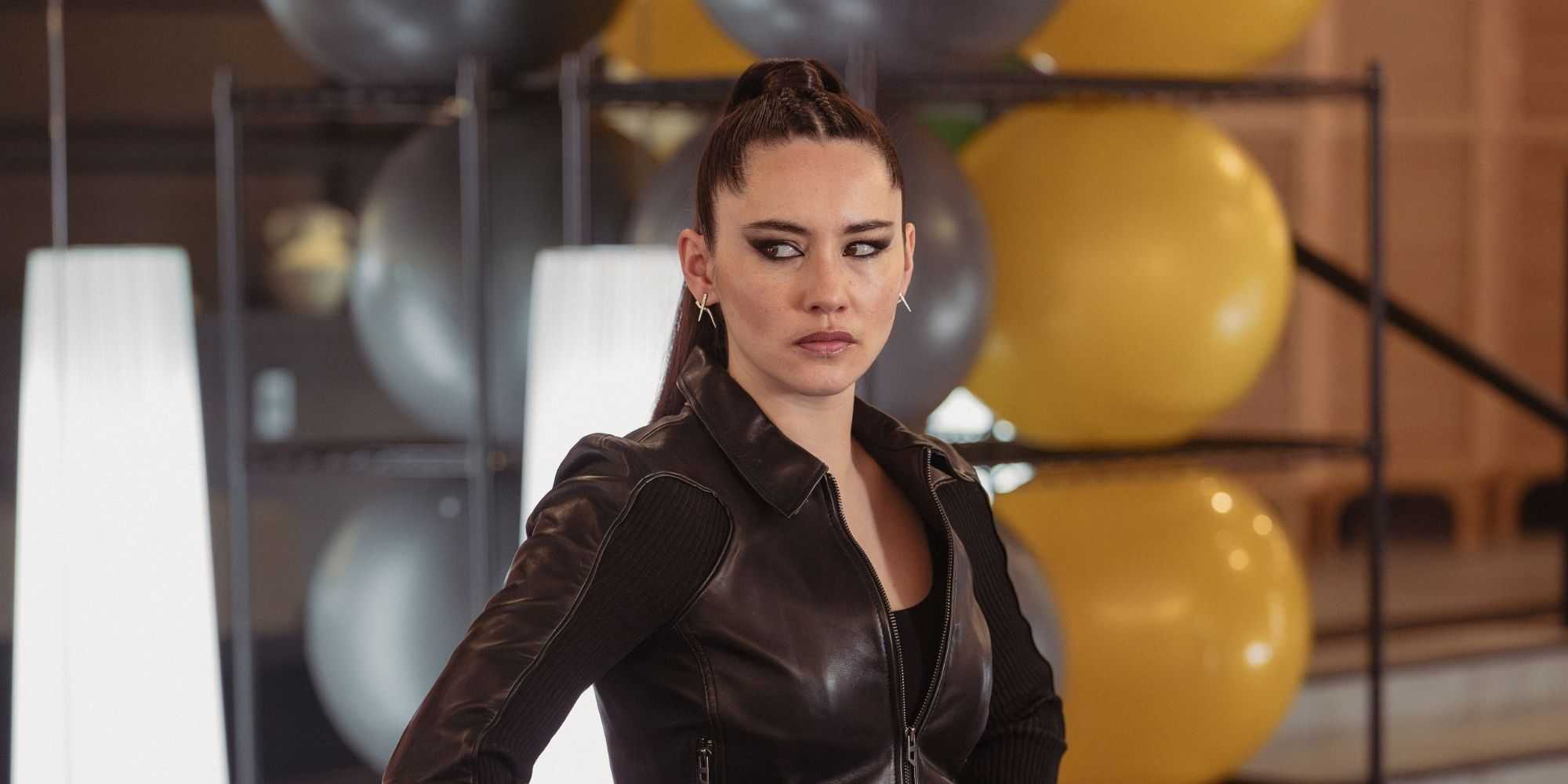
- (L-R): Christina Chong as La’an Noonien-Singh and Melissa Navia as Erica Ortegas in season 4, episode 3, of Star Trek: Strange New Worlds streaming on Paramount+, 2026. Photo Credit: Jan Thijs/Paramount+
-
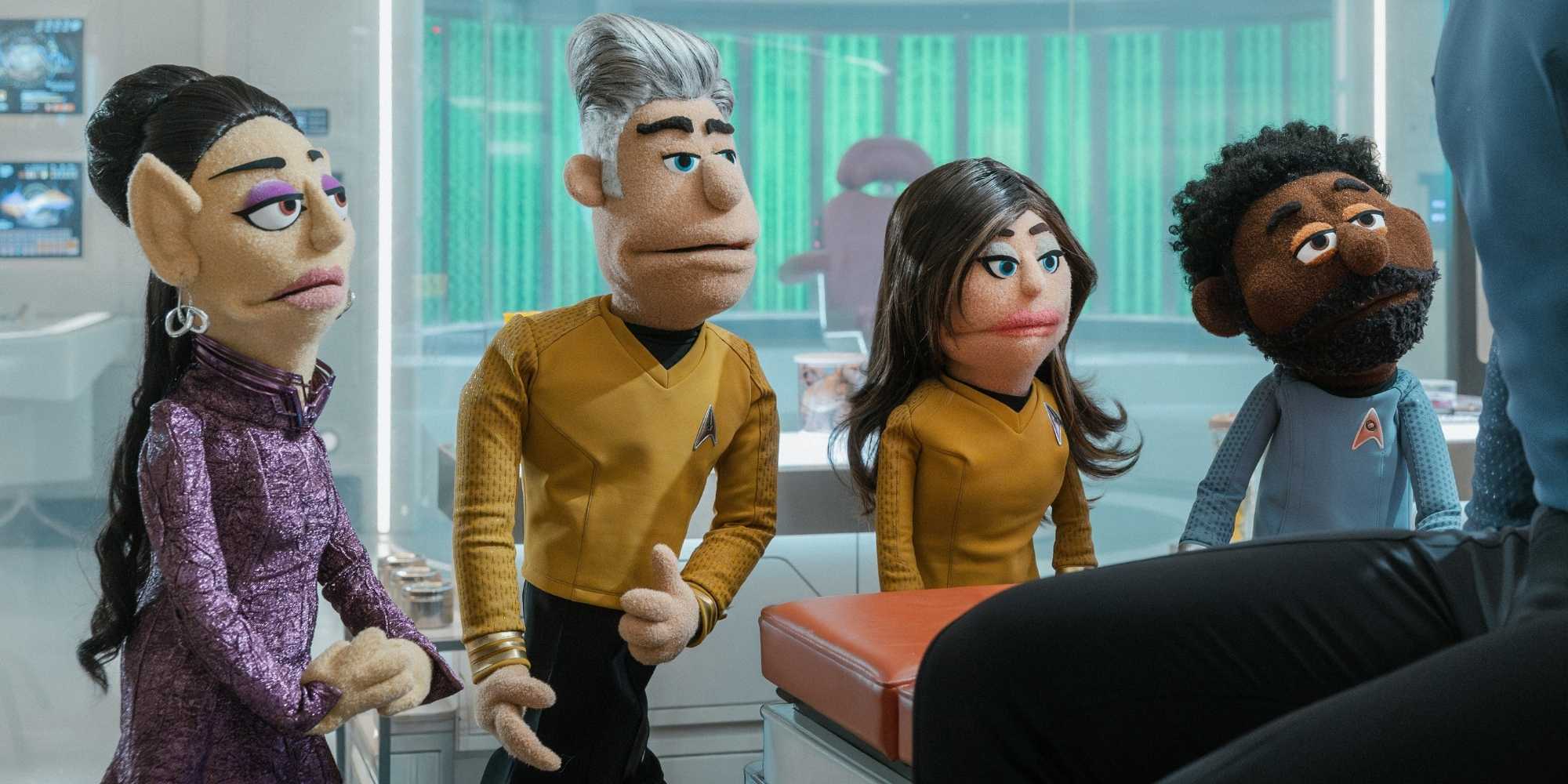
- (L-R): Gia Sandhu as T’Pring, Anson Mount as Captain Pike, Rebecca Romijn as Una, Babs Olusanmokun as Dr. M’Benga, and Ethan Peck as Spock in season 4, episode 5, of Star Trek: Strange New Worlds streaming on Paramount+, 2026. Photo Credit: Jan Thijs/Paramount+


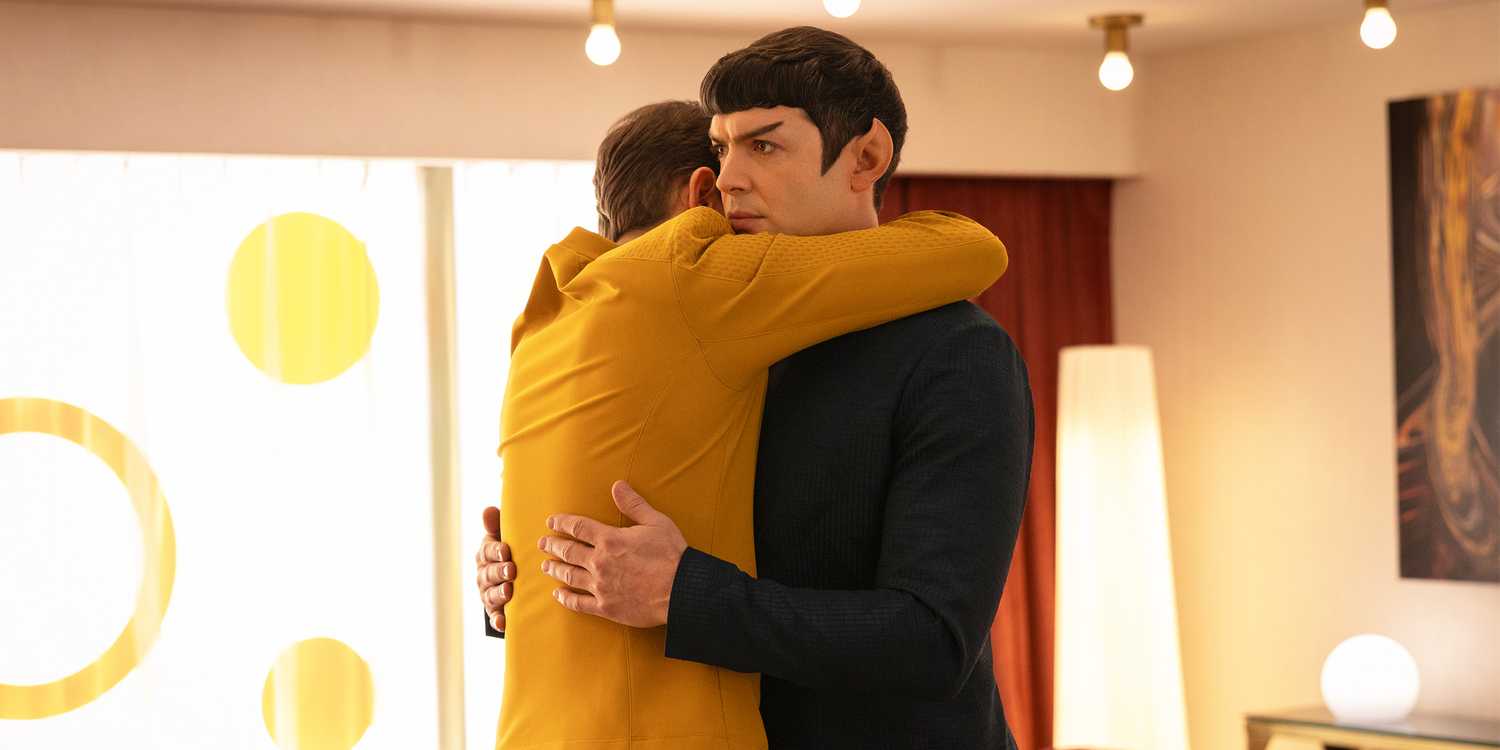
The hallmark of the New Trek shows is that these series give the diverse cast plenty of screen time. Star Trek: The Original series was very much a Kirk (William Shatner), Spock (Leonard Nimoy), and “Bones” McCoy (DeForest Kelley) show. They were given the most screen time and characterization. Strange New Worlds also has a trio of familiar characters with Pike, young Spock (Ethan Peck), and Number One (Rebecca Romijn) taking the lead, but the show still takes the time to let the rest of the cast shine and grow. For a franchise that’s always attempted to be ahead of the curve in terms of representation, this is a welcome change.
What Star Trek: Strange New Worlds has achieved is creating a show that has married the classic style of Star Trek: The Original Series with the over-arching storytelling and sensibilities of the newer shows. The show allows for plenty of growth for its diverse cast, not just the three leads, and has a hopeful tone that’s been missing from the world and the franchise of late. While Star Trek: Strange New Worlds feels like Old Trek, it is still a product of New Trek, which makes it a unique and vital part of the franchise.
You must be logged in to post a comment Login