Entertainment
Supergirl Actress’s Extreme Statement Sparks Outrage Over Women In Film
By Jennifer Asencio
| Updated


Supergirl is coming out in theaters on June 26, 2026, and audiences are underwhelmed. However, according to star Milly Alcock and a lot of slop eaters looking forward to the movie, if it flops at the box office, it is definitely not because the plot bears a striking semblance to Guardians of the Galaxy (as I called it when the first trailer came out) and not because of lackluster acting or oversaturated special effects. If Supergirl doesn’t perform at the box office, it is clearly because audiences are not ready for a female-led action film, much less a superhero movie. At least, according to its star.
This comment bears a striking resemblance to one made by actress Jennifer Lawrence after starring in The Hunger Games, in which she insisted that she was the first female action hero. Both Lawrence and Alcock were rightfully called out for such ridiculous statements, because not only did female heroes and superheroes exist well before either The Hunger Games or Supergirl, but many of them are iconic.

Did all the Supergirl shills that are backing Alcock’s assertion forget about Princess Leia, the original American action hero? Did they forget about Ellen Ripley or Sarah Connor, two badass science fiction heroines who faced overwhelming odds to fight relentless villains who wouldn’t stop until they had killed the two women? Did they forget about video game superstar Lara Croft, intelligent and elegant as she parkours through ancient archaeological sites? Did they forget that Samus of Metroid WAS A GIRL, as the game incredulously exclaims after the big reveal?
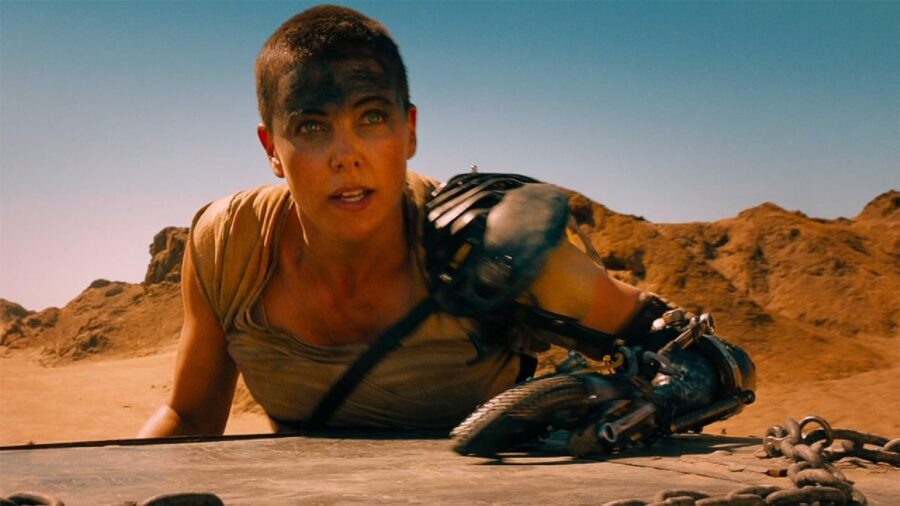
There are also more recent examples of female-led success in action and superhero movies. Wonder Woman performed well in theaters, although its sequel wasn’t as good. In the same manner, Fury Road also took home box office bank, but the prequel Furiosa also didn’t land as well with audiences. However, the first movies in these sequences did extremely well and relied specifically on Gal Gadot and Charlize Theron rather than their male co-stars to both propel the plot and serve as the main characters. Theron repeated her Fury Road success with Netflix’s The Old Guard, which was extremely popular upon its release, while its sequel flopped compared to the original.
Another element to the debate raised by comments about misogyny over Supergirl is what would become of heroines like Ellen Ripley or Sarah Connor if their films had been made today instead of the 1970s and 80s. Ripley and Connor are not unbelievably overpowering: Ripley needs her dock training to use heavy equipment to defeat the Xenomorph, while Sarah Connor goes from damsel in distress to rebel badass after 14 years of jaded training that loses her the most important thing in her life. Even Ripley’s Marine colleague in Aliens, Vasquez, wasn’t an unrealistic female character, despite being so masculine in appearance and demeanor that another Marine calls her out as a man.
These days, these women would have no vulnerabilities, no PTSD from past experiences, and no mistakes to ever learn from. All the men around them would be either incompetent buffoons or evil supervillains. Female characters today are often very powerful or strong, able to perform all the same feats as the men around them. In essence, they are simply male characters in female bodies. And sure, Supergirl is supposed to be phenomenally strong, but Milly Alcock not only asserted that Supergirl is stronger than her male cousin, but that he’d let her win because she’s a girl.


Wonder Woman was likewise super-strong in her movie, with a prancing optimism that ill-prepared her for failure and loss. Audiences weren’t bothered that Wonder Woman was far stronger than Steve Trevor (Chris Pine), because she was not a “Mary Sue,” that is, a charmed and perfect person for whom there is no conflict and everything goes right. Characters like that are flat, boring, and rightly called out when they appear in fanfiction and fiction. Many female characters today would be considered Mary Sues, except that these characters have become the norm, and their lack of any real flaws is overlooked by producers and slop-eating audiences.
The reaction to Supergirl is evidence that audiences are getting tired of Mary Sue characters, and this iteration of Kara Zor-El seems to be exactly that. The fact that Milly Alcock is preemptively deflecting this criticism by accusing the movie’s critics of misogyny follows the pattern of other fandoms that have blamed the fans for the failure of a property. We saw it with The Acolyte, we saw it with Doctor Who, and most recently, we saw it with Starfleet Academy. Even last year’s Superman release wasn’t exempt from people who disliked the movie being called bigots by the people who did.

And just like with the other fandoms, the accusations of misogyny against female-led action and superhero films are not only baseless but have a lot of history rebutting them. It is yet another example of filmmakers trying to escape accountability for making a bad film by blaming fans for “toxic” behavior when they won’t accept subpar storytelling in lieu of a product that does justice to their fandom. The fact that Supergirl hadn’t even been released yet before the blame game began doesn’t bode well for this movie being any good, and this time, even its promoters know it.
Supergirl is in theaters as of June 26, 2026. Is she really the Woman of Tomorrow, or just “whatever”?

You must be logged in to post a comment Login