Entertainment
Supergirl Fans Blame Men For The Movie’s Failure
By Chris Snellgrove
| Published


After the success of last year’s Superman, hopes were high for Supergirl. In fact, they were up, up, and away! This movie was going to flesh out the DCU while adding a strong, independent female character to this cinematic universe. Had the movie been successful, it would have been lauded as proof that the general moviegoing public is ready for a new kind of hero and a new kind of cinematic universe. Unfortunately, the movie was dead on arrival, leaving fans and critics alike to ask the same question: “what the heck happened here?” Some think they have the answer: men happened, damn it!
Specifically, there is a growing narrative among Supergirl fans that the movie is great and that its bad reputation is due to woman-hating misogynists. This is a comforting narrative, of course, allowing someone to believe that anyone who hates their favorite media must 1) Have bad taste, and 2) Be a bad person. However, you don’t need X-ray vision to see just how weak and even dangerous this narrative really is. Why dangerous? Simple: if creators like DC Studios co-CEO James Gunn start blaming all their failures on invisible enemies, then these superhero movies will never, ever get any better.
A Familiar Narrative

One of the emerging fan narratives surrounding Supergirl shouldn’t surprise you, especially if you’ve been paying attention for the last decade or so (more on this very soon). Plenty of fans really love the movie, and they can’t understand how it ended up “rotten” on Rotten Tomatoes and made so little money in its opening weekend. Some of those superfans decided that the only logical conclusion was misogyny. That is, they believe that men who would normally turn up for a superhero movie stayed home and that male influencers killed the chance for bad word-of-mouth by loudly complaining about the movie online.
This narrative doesn’t make sense once you examine it, of course. For one thing, if misogyny killed Supergirl, it would reflect in the demographics, leaving more women seeing it than men. That didn’t happen, though: 59 percent of the audience was men and only 41 percent was women, indicating that the ladies didn’t show up in the same numbers as they did for, say, Captain Marvel and Wonder Woman. Men didn’t show up in the same numbers, either, revealing a hard truth: Supergirl just wasn’t very popular. There was no misogynist conspiracy to keep the masses from seeing it. Rather, the movie’s marketing department did that all on its own.
Who Ya Gonna Blame?
Now, the idea that misogynists sunk Supergirl didn’t come out of nowhere. You can basically throw a rock and hit some weird, right-wing influencer offering hot takes on why the film failed. The Critical Drinker, for example, predictably declared that most female-led superhero movies are doomed to poor box office. Megyn Kelly called Supergirl star Milly Alcock “very weirdly small” and “loathsome.” Jesse Waters and Greg Gutfeld clutched their pearls about a Supergirl who is both “woke” and “bisexual.” Matt Walsh lamented how our “female-centric society” produced the “comedically absurd premise” of “some 105-pound girlboss action hero.”
The Supergirl fans blaming misogyny on the film’s failures are looking at narratives like these and believing this toxicity explains everything. But they aren’t considering something deceptively simple: these guys were always going to make these exact same complaints. Prominent conservatives were never going to give a glowing review to a movie about an illegal immigrant who is stronger than almost any male in the entire universe. Such critics made the same critiques of Captain Marvel, which earned over a billion dollars. For the haters whose misogynistic reviews were likely written long before the premiere, Supergirl bombing was just the icing on the cake.
In short, Supergirl fans who blame the movie’s failure on misogyny because of these comments are putting the cart before the horse. These reviews didn’t keep people from seeing the movie. By the time they went live, most fans had decided whether or not to plonk down a small fortune to see it on opening weekend. Supergirl was doomed long before these conservative voices spoke out, and in a bit of irony, trying to blame them for the movie’s failure may doom this franchise.
Apathy Is The Real Enemy

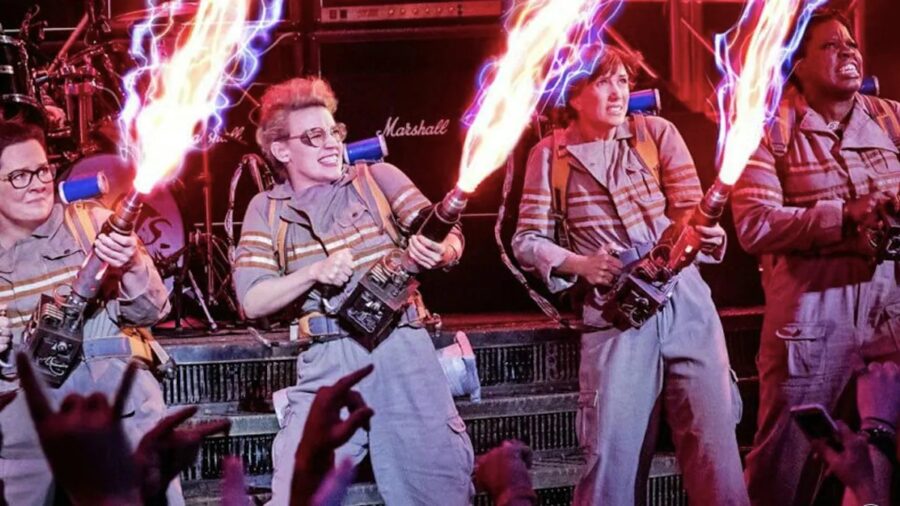
What do Ghostbusters: Answer the Call, Star Trek: Discovery, and Supergirl all have in common? Simple: they all had major flaws and fans who thought you weren’t allowed to notice the flaws. If you hated Ghostbusters for its poor script and bad improv, fans would argue that you simply hated women. If you hated Discovery for Michael Burnham’s emotional overreactions, fans would argue that you simply hated women. Now, if you hate Supergirl for its bad script and bland direction, fans will argue (you guessed it!) that you simply hate women. It’s a narrative producers encourage because it shifts the blame from creators to a bunch of nameless incels.
However, buying into this narrative actually hurts the franchises in a tangible way. Once fans start blaming invisible targets (“those chuds just weren’t ready for the ultimate girlboss!!1!!”), they let the actual culprits (such as bad writers and directors) off the hook. Like, if you want future DCU movies to be better, it’s important to figure out why audiences were so “meh” on Supergirl in the first place. But when fans blame other fans, studios just keep cranking out the same crappy movies filled with the same preventable mistakes. Time to break the cycle, be honest about Supergirl’s flaws, and encourage DC Studios to make better films.
If that doesn’t work, there’s always Plan B: pretending that the only reason fans ever complain about superhero slop is because we hate women!
You must be logged in to post a comment Login