Entertainment
The 10 Best Directed Horror Movies of All Time, Ranked

There is a level of finesse and craft that goes into the creation and fundamental strengths of horror filmmaking that have made it such a captivating genre for so many generations. Being able to perfectly balance the classic tenets of cinematic storytelling with sequences oozing with tension that are meant to massively scare the audience can be a daunting task, as many films fail to accomplish such a difficult balance.
However, this also serves to make the films that do accomplish this that much more impactful, as a horror film with absolutely perfect direction for its vision can be one of the most impactful and defining cinematic experiences out there. Scaring the audience in one moment and keeping them massively invested in the characters and story in the next, these horror films go above and beyond in terms of providing sheer cinematic bliss and mastery thanks to the genuine craft and impact of their direction.
10
‘Jaws’ (1975)


Steven Spielberg continues to stand as one of the most prolific and widely acclaimed directors of all time, with his craft and brilliance behind the camera amplifying the weight of many different cinematic masterpieces over the years. However, his often considered first true blockbuster masterpiece, Jaws, continues to be a landmark title for accessible, electrifying horror that still stands as one of the greatest horror movies of all time thanks to his masterful touch.
The film completely revolutionized the animal attack film, thanks in part to the brilliance and impact of Spielberg’s directing style. It adds emphasis and weight to each terrifying, tension-building moment, creating maximum terror out of a shark that is rarely ever actually seen on-screen. It continues to stand as one of horror’s most well-crafted cinematic achievements, having an undeniable legacy that still lingers in blockbuster filmmaking, horror or otherwise.
9
‘Scream’ (1996)

The slasher genre remains one of the most prolific and widely explored subgenres of horror, as the fear of being chased by a ruthless, manic killer has opened the creative floodgates for many horror filmmakers. It has largely reached a point where even the very notions and conventions of slasher filmmaking can be picked apart and satirized within the film itself, which is at the very core of what makes Scream such a timeless, well-crafted horror thriller.
While many other horror satires are quick to lean much more into comedy than actual horror, the directing and precision from Wes Craven do a brilliant job of keeping the film tense and terrifying, even while the screenplay is as witty and hilarious as possible. It’s this masterful pacing and balancing of distinct tones that helped the film completely revolutionize and reintroduce slashers to the public eye in the ’90s, with its on-screen brilliance still having an impact on slashers to this day.
8
‘Sinners’ (2025)

Immediately making a name for itself as a striking, must-watch original horror film of the modern era, Sinners soars to masterpiece status thanks in great part to the inspired directing and craft from director Ryan Coogler. The film is second-to-none in terms of its pristine combination of layered worldbuilding, mesmerizing cinematography and visual craft, and deep-rooted thematic depth that amplifies the scares and action alike. The film became an unstoppable juggernaut of film culture in 2025 for good reason, as Coogler went all out in directing a new modern classic.
While its story and characters are certainly strong enough on their own to make the film worthwhile, it’s the directing and fine-tuned craft under the vision of Coogler’s directing that truly makes Sinners such a special cinematic experience. He takes what he had learned from high-budget franchise blockbusters like Creed and Black Panther in order to concoct an exceptionally original experience tailor-made for the modern era but distinctly in line with his quirks and personality.
7
‘Evil Dead 2’ (1987)
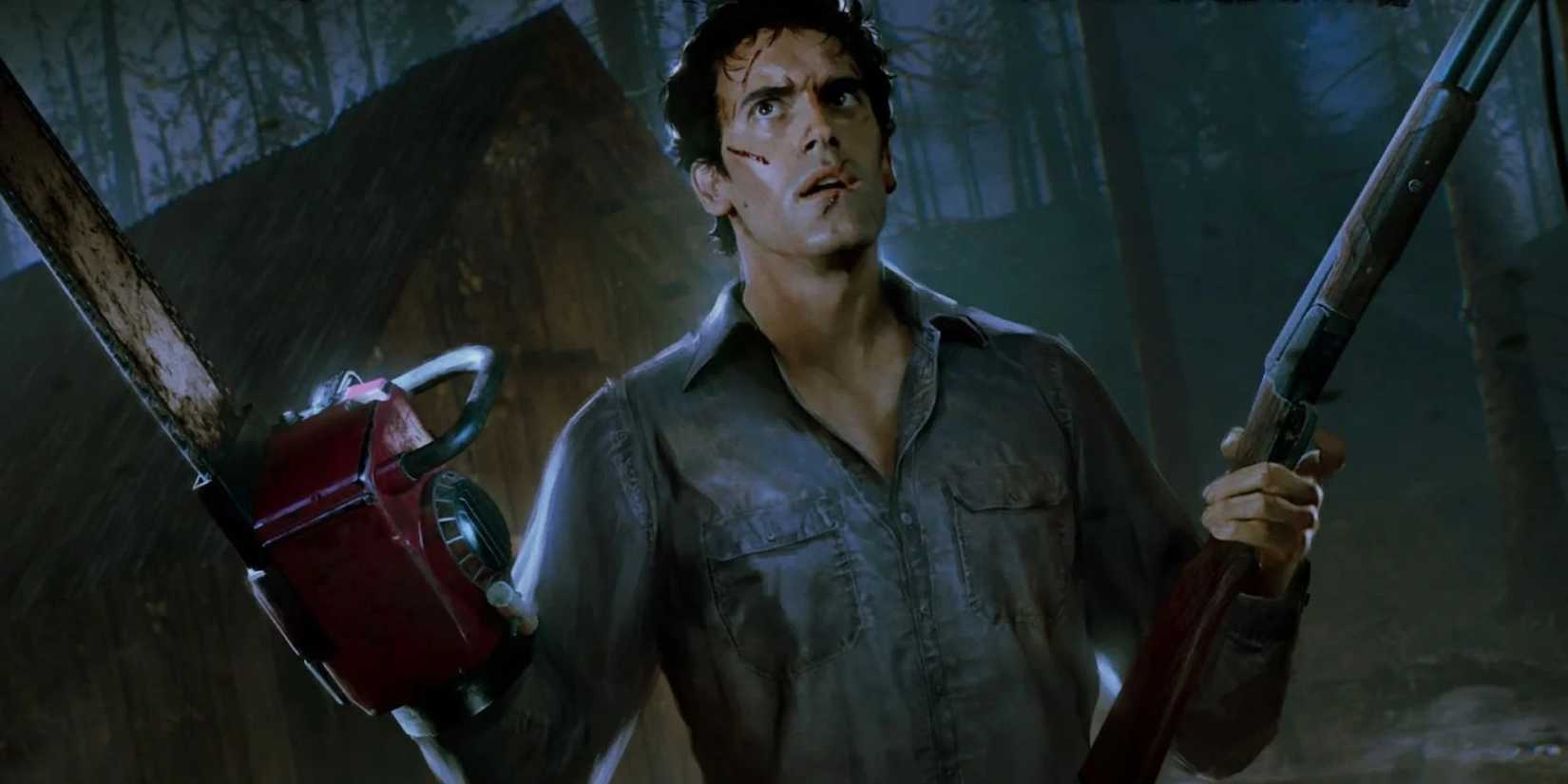
Sam Raimi‘s original Evil Dead was already a widely celebrated exploration of passionate filmmaking, creating something truly distinct and full of personality with an infamously minuscule budget. However, with more experience and resources available for the sequel, Raimi manages to improve upon the Evil Dead formula in every possible way to make Evil Dead 2 one of the all-time greatest horror comedies. Rarely does something so close to a full-on remake of the original film so massively improve upon the original, but Evil Dead 2 struck while the iron was hot and solidified Evil Dead as a horror staple.
The biggest change and distinction that makes Evil Dead 2 such a more well-crafted and impactful horror film comes down to the confidence in Raimi’s filmmaking as a whole. With a better understanding of how to balance scares and comedy to create a beautiful cacophany of gore and madness, Evil Dead 2 consistently goes all out with its unrestrained vision, unafraid to fully commit itself to madness.
6
‘The Fly’ (1986)

The now 40-year-old classic horror remake by legendary master of body horror David Cronenberg, The Fly is still considered to be one of the absolute greats, not just in terms of technical craft and disgustingly perfect visuals, but a pitch-perfect execution from Cronenberg. While the film certainly delivers in terms of the stomach-churning visuals and body horror that Cronenberg is famous for, it’s the slow build into madness and exceptional pacing that sets Cronenberg’s vision apart from any other body horror film.
The film not only improves upon the narrative strength and horror impact of the original sci-fi horror classic, but also implements newfound themes and revelations of depth that only Cronenberg could have brought out of this already classic story. It finds this brilliant balancing act of staying true to what made the original such a classic while also reinventing it for a new audience, amplifying its greatest strengths while still feeling distinctly Cronenberg in nature.
5
‘Halloween’ (1978)

One of the all-time masterpieces of the slasher genre and one of horror’s absolute greatest examples of slow-building tension and dread, Halloween has received a constant stream of adoration and appreciation in the decades since its release. However, among all the strengths and iconic features that have made Halloween such a classic, the most important and defining aspect after all of these years is the exceptional direction by John Carpenter.
Carpenter brings out the tension and scares in Halloween to consistently make it an exploration of true discomfort and impact on the screen. So many of its scares and most impactful moments come directly from the pacing and execution of its directing, even further amplified by Carpenter’s own legendary original score and sound design that adds impact to each moment. While the film has seen a multitude of sequels over the years, the reason why none of them come close to the impact of the original is that they cannot recreate the magic and fine-tuned craft of Carpenter’s perfect directing style.
4
‘The Shining’ (1980)

Stanley Kubrick is one of the biggest names in terms of masterpiece filmmaking, spanning all varieties of genres, with his brilliant Stephen King adaptation, The Shining, proving to be one of the all-time horror greats thanks to his masterful directorial vision. Kubrick is the undeniable linchpin that ties all the madness and symbolic brilliance of the film to life, transforming an already great novel into a horror filmmaking masterclass that continues to influence and impact the genre to this day.
Kubrick’s exceptional visual style and camerawork serve to add weight and impact to the already masterful performances in the film, delivering on the strengths of King’s novel while also adding new layers of symbolic depth from Kubrick’s own vision of the story. While the film was wildly divisive when it was first released, it is now widely acclaimed and celebrated as one of the absolute greatest horror films of the ’80s.
3
‘The Sixth Sense’ (1999)

While M. Night Shyamalan‘s career has certainly been rocky and unpredictable over the years, his masterful work in directing The Sixth Sense and creating a powerful horror mystery masterpiece cannot be taken away from him. The film builds up tension and mystery better than any other horror film of the era, with its exceptional pacing helping create one of the all-time icons of original twists that still shocks audiences over 25 years later.
However, the depth and impact of its story wouldn’t be nearly as effective without the exceptional directing and passion from Shyamalan in every waking moment of the film. He brings out some truly beautiful and layered performances from everyone on-screen, with his signature stylistic choices feeling especially original and unexpected for its era. Even as the allure and charm of Shyamalan’s wild twists have largely worn off for many audiences, The Sixth Sense is still an icon of horror mysteries that is as perfectly directed as it gets.
2
‘The Silence of the Lambs’ (1991)
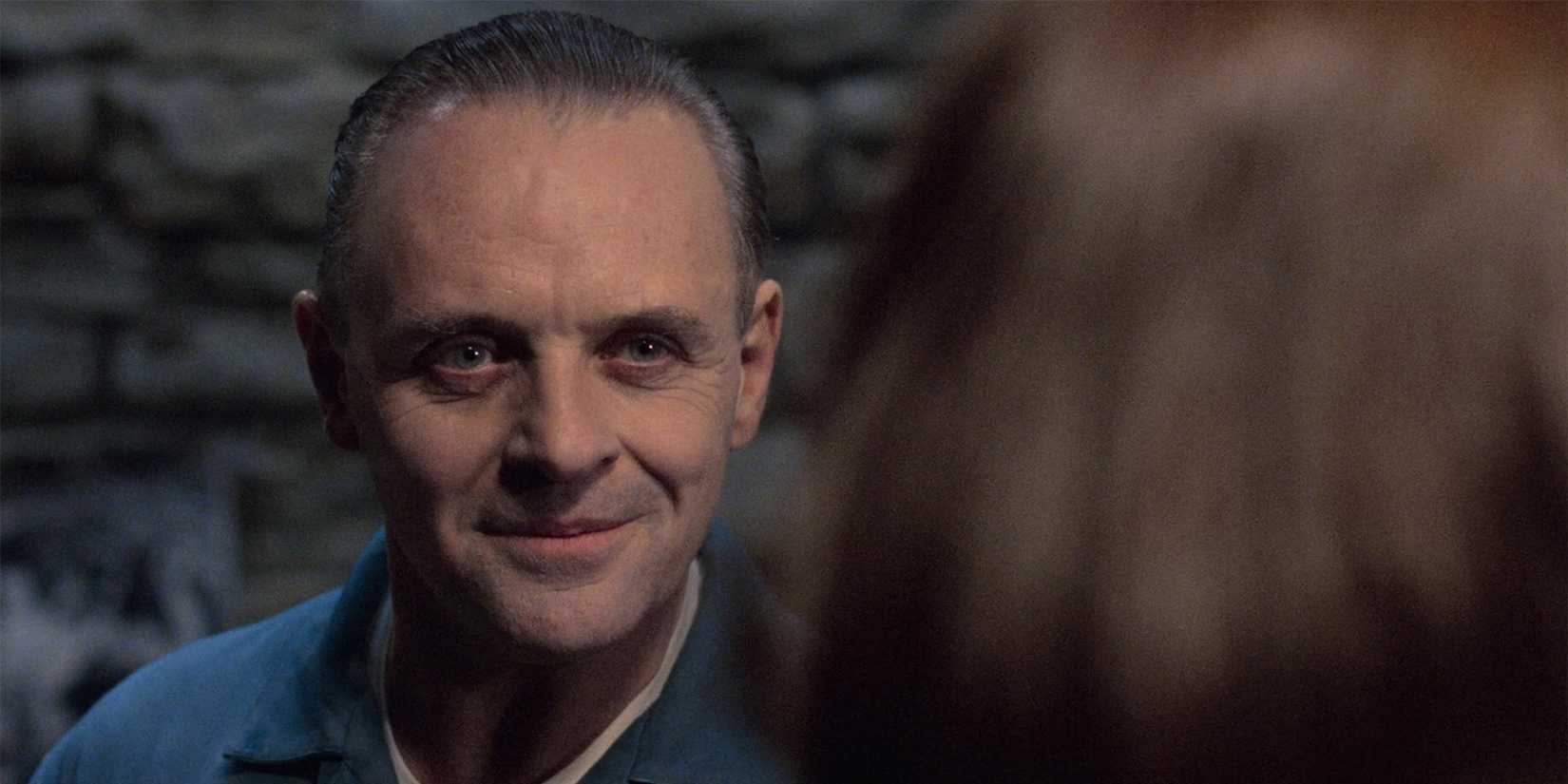
Still standing as the only horror film to this day to actually win the Academy Award for Best Director, The Silence of the Lambs is a masterfully concocted crime procedural horror film whose narrative brilliance is amplified in spades by Jonathan Demme. The film does an exceptional job of keeping the audience on the edge of their seats, shocking them with its depraved and sickening concepts, while also balancing this terror with an impassioned side of intellect in its characters and filmmaking.
The definitive ’90s masterpiece took the world by storm in a way few horror films ever could, not shying away from the shocking content of its story while also managing to have mass appeal with general audiences thanks to the perfect execution of its directing. It continues to be celebrated as a pillar of the genre and a frequent display of horror thrillers at their absolute best, being a masterclass of directing and filmmaking even outside the confines of the horror genre.
1
‘Psycho’ (1960)

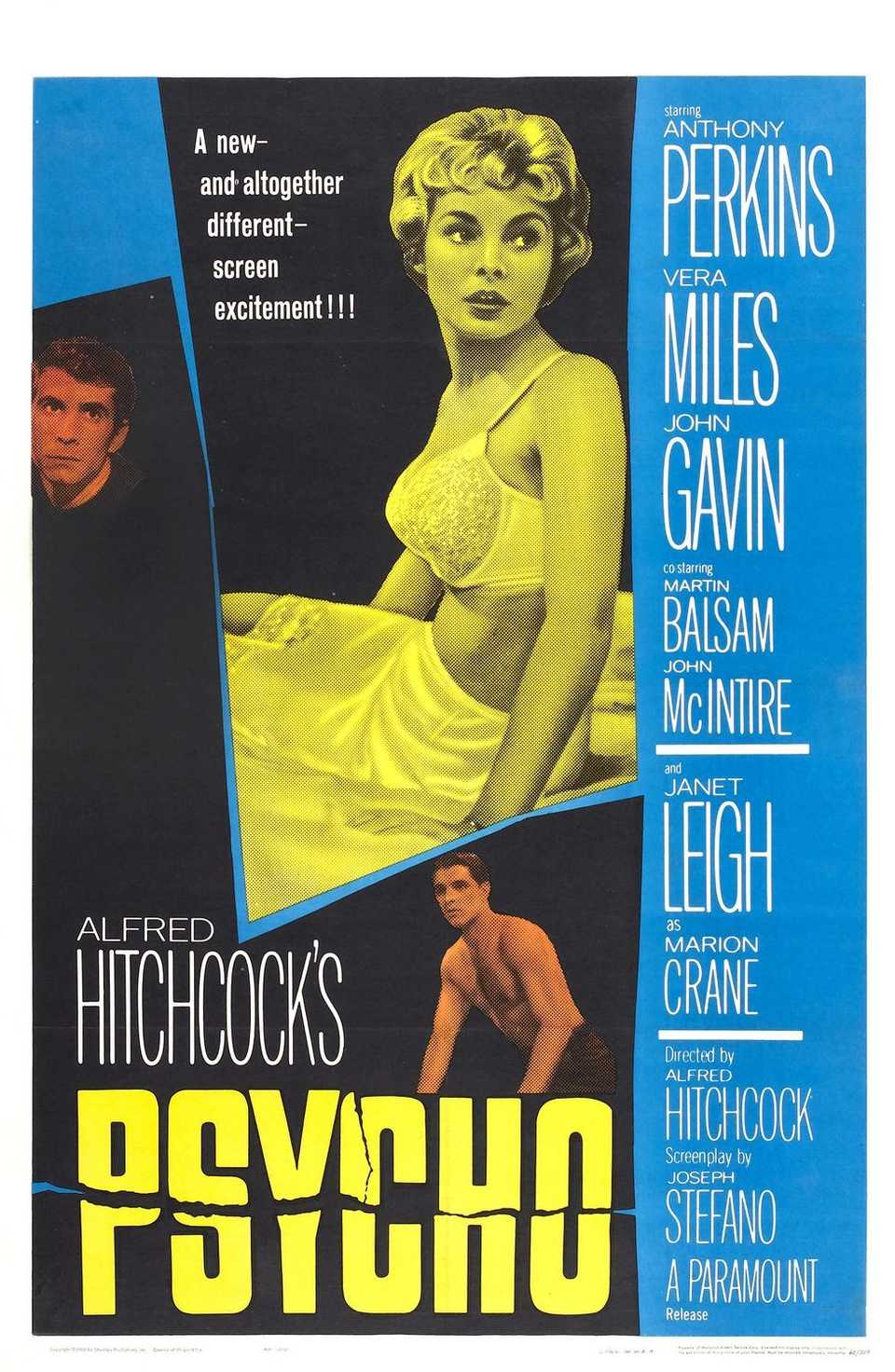
Alfred Hitchcock‘s overwhelming prowess and legacy as a master of filmmaking precede him, as his signature approach for thrills and tension is unmatched by any other director in film history. Among his legendary filmography of masterpiece after masterpiece, no singular film has had the continued staying power and legacy as his masterful horror icon, Psycho. Psycho continues to stand as the go-to example when considering masterpiece horror classics, with its legacy standing tall thanks entirely to the directing and craft of Hitchcock.
While many film fans will be quick to sing the praises of the film’s infamous shower kill, which became one of the most iconic and influential individual sequences in film history, this manages to do a disservice to the wide array of mastery present within every other aspect of the film. With a generational performance from Anthony Perkins, an unmatched rising tension and dread seeping from the film’s most painful moments, and one of the all-time most iconic endings ever put to film, Psycho will continue to be the blueprint for masterful horror filmmaking that cements Hitchcock as an all-time great.

You must be logged in to post a comment Login