Entertainment
The 10 Best Epic TV Shows of All Time, Ranked

Epic books are nothing new, by any means, and epic movies are only slightly newer because cinema, as a medium, is more recent than literature, as a medium/art form. TV shows that satisfy as epics are newer still, with the rise of more cinematic and higher-budgeted television around the start of the 21st century being a big factor in shows getting, you know, bigger.
There were also some TV shows made earlier that feel epic in other ways, even if the production values feel a little slimmer compared to the spectacle more modern shows offer. Also, epic is not being used as a stand-in for the word “good” or “great.” There are amazing shows that aren’t mentioned below, but those here, in one way or another, feel like epics in the conventional sense. They satisfy the traditional definition of the word “epic,” as in the epic genre.
10
‘Boardwalk Empire’ (2010–2014)


Boardwalk Empire is a show that takes place during the Prohibition era, and has a focus on organized crime in Atlantic City during said era, but it branches out and touches upon some other things, too. It’s a massive show in terms of its production value, which is sort of what HBO has become known for, so yes, there will be other HBO shows featured below. It’s all a bit inevitable, with the topic at hand.
There’s also a huge number of characters in Boardwalk Empire, and it’s the historical setting and the immensity of that ensemble cast that makes it feel like more of an epic than something like The Sopranos, which is also a crime-related show with a fair few characters. The Sopranos is the better show, for the record, but Boardwalk Empire just ticks more boxes if you’re looking for shows that feel like actual epics in the traditional sense.
9
‘Deadwood’ (2004–2006)
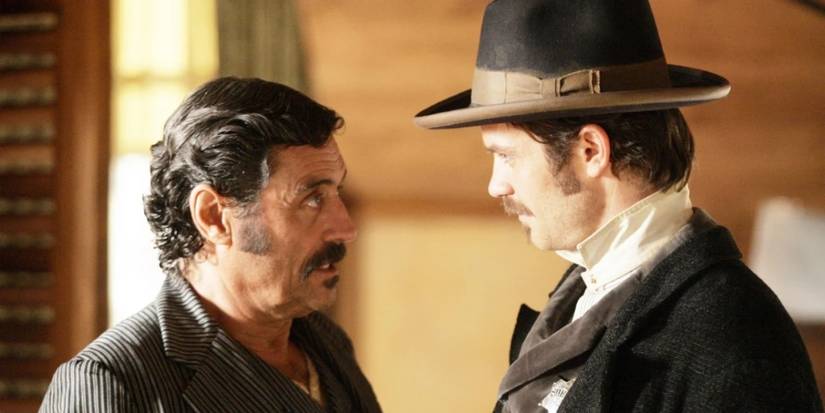
While Deadwood is contained to the one fairly small town (the titular one) for the most part, that town is shown growing and becoming more populated over the seasons, and numerous characters are balanced at once. There’s already a huge ensemble cast in the first season, and though a few people get killed off, characters are introduced at a faster rate than they’re written out.
In season 3, there might well be too many characters and narrative threads to keep track of. It got canceled before season 4 had a chance of bringing things together or concluding it all, but there was thankfully a 2019 movie that felt like a good send-off. Anyway, when Deadwood was at its best, it was great, and the recreation of a time and place – and having so many people living during that time in that place – proved more than enough to make it feel sufficiently epic.
8
‘I, Claudius’ (1976)

It’s the oldest show here, which means there are some production-related limitations that need to be overlooked, but also, they’re not as hard to overlook when the quality of the writing and the acting is so strong. I, Claudius delivers on those fronts and then some, and then it feels like an epic because of how much time it covers, with the titular character recounting his entire life, from when he was a small child until the very end.
That life was tumultuous, to say the least, since it was during the early Roman Empire, and Claudius does end up Emperor, but not before some other reigns are shown. It does what House of the Dragon did in its first season, being willing to jump forward any number of years between episodes, but it did that much better than House of the Dragon. If done today, with more of a budget, I, Claudius might well have more spectacle, but for its time – and for what it does in terms of how it’s written – it’s nonetheless admirably epic.
7
‘Rome’ (2005–2007)

Returning to HBO, the first season of Rome came out a year on from the first season of Deadwood, and can quite easily be viewed as an escalation in terms of production and ambition. Setting something in the 1870s and having it feel authentic is one thing, but Rome goes all the way back to the 1st century BC, so it does kind of fulfill that question of “What might I, Claudius have looked like with HBO money?”
It’s not a perfect comparison, because Rome is about the end of the Roman Republic, and the transition to the Roman Empire, while I, Claudius is all about the first few emperors of that latter period. If you want some chronology and to watch both shows, it makes sense to watch Rome first, even if it was made some decades later, because there are a few things that line up and probably feel fitting (though not quite as many as there might’ve been had Rome not suffered the same fate as Deadwood and been canceled earlier than the creators had wanted).


It is an animated show, unlike the others here, but Fullmetal Alchemist: Brotherhood does feel just as ambitious and grand in scope as the live-action shows it’s being included among. It’s a fantasy series that also tackles various other genres, with the basic premise involving a pair of brothers searching for the Philosopher’s Stone to try to mend the damage done to their bodies after a spell intended to bring their mother back to life goes wrong.
They meet various heroic and villainous characters along the way, which does increase the scope of the show considerably, all the while finding the Philosopher’s Stone remains a consistent endgame. Fullmetal Alchemist: Brotherhood is almost 70 episodes long, and a lot happens in those 70 episodes, and it’s worth highlighting as one of the best shows of the century so far, animated or otherwise.
5
‘Lonesome Dove’ (1989)

Perhaps the ultimate Western book of all time got adapted remarkably well into what might well be the ultimate Western miniseries: Lonesome Dove. It’s funny having “mini” play a role in describing a show like this at all, but it is effectively four feature-length episodes that all add up to about six hours, with those episodes/hours being about two Texas Rangers and some other people taking part in a cattle drive to Montana.
The book is part of a series, but Lonesome Dove – whether you’re talking about that original book or this particular miniseries adaptation – does successfully stand alone, and a ton is offered in terms of scope and ambition. Also, Lonesome Dove is one of the most emotional Western stories of all time, and the miniseries version (should you have six hours to spare) is recommendable even to viewers who might not ordinarily like Westerns all that much.
4
‘Andor’ (2022–2025)
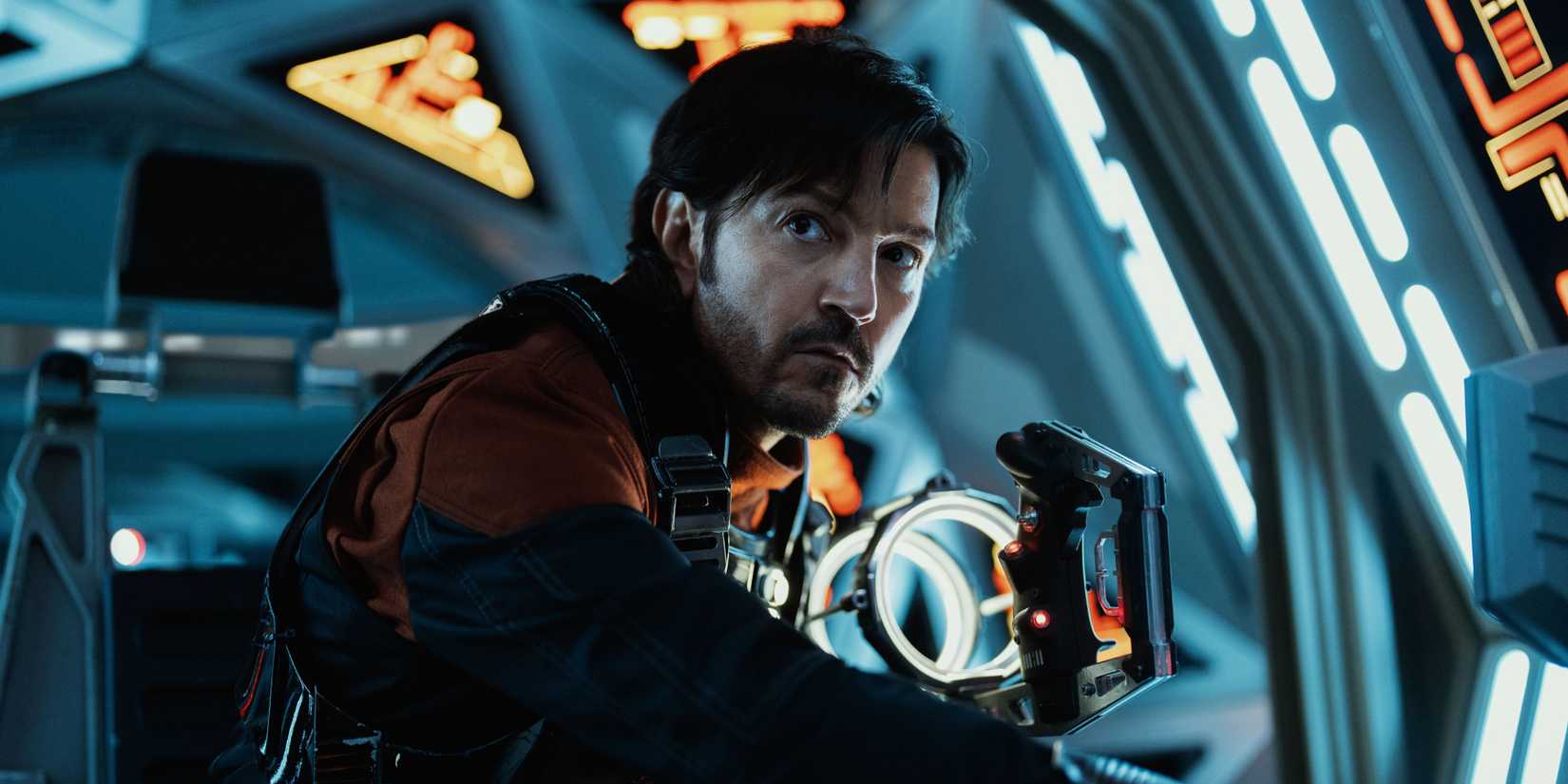
The way a prequel show centered around one decent but not particularly loved character from a prequel movie became one of the best TV shows in recent memory… who knows? It was strange and surprising in a good way. But that show was Andor, and it was a prequel to Rogue One: A Star Wars Story, which was a 2016 film that itself was a prequel to the first Star Wars movie, ending right where that 1977 film began.
Andor does quite a lot for its titular character, and makes him more interesting for sure, but it’s how the show builds into a whole sci-fi political drama with a scope that manages to exceed the movies that really impresses. It also feels like there are more reasons to care about what’s going on here than in most other Star Wars-related media, and yes, this is all adding to the ridiculous hype around Andor that already exists, but it really does deserve all that hype and acclaim.
3
‘Lost’ (2004–2010)

It does have to be acknowledged that Lost doesn’t really start out as an epic, even if it does start pretty ambitious… not nearly as ambitious as it later gets, though. There are people stranded on an island after a plane crash, and then they find out all the ways in which that island is incredibly strange, which leads to a good deal of adventuring, some of it through time (flashbacks early on set a precedent for this) and some of it not really just related to the island itself. Kind of.
The main thing is that at some point, Lost becomes an unusual kind of epic.
Elaborating further would sound a bit chaotic, if you’ve only got so many words to work with, and then it would also involve giving away too much. The main thing is that at some point, Lost becomes an unusual kind of epic, and it remains about as big, wild, and ambitious as a network TV drama has ever gotten.
2
‘Game of Thrones’ (2011–2019)
Game of Thrones had an ending. That ending is an elephant and this article is the room. It’s all been addressed. Game of Thrones was also just about the most epic anything of the 2010s, and it did define that decade, to some extent, by being aired throughout it. All the previously mentioned large-scale shows on HBO were something, and felt grander than things before (and most things that weren’t HBO), but Game of Thrones was all next-level.
The main conflict here concerns which house will rule over Westeros, while there’s also an approaching undead army that threatens to wipe out all of civilization, and will likely do so faster if everyone’s still at war. There’s so much going on, an almost overwhelming number of characters to keep track of, and undeniable spectacle throughout, including in the first season, but it just gets bigger and bigger from there (especially as far as battle sequences were concerned).
1
‘The Wire’ (2002–2008)

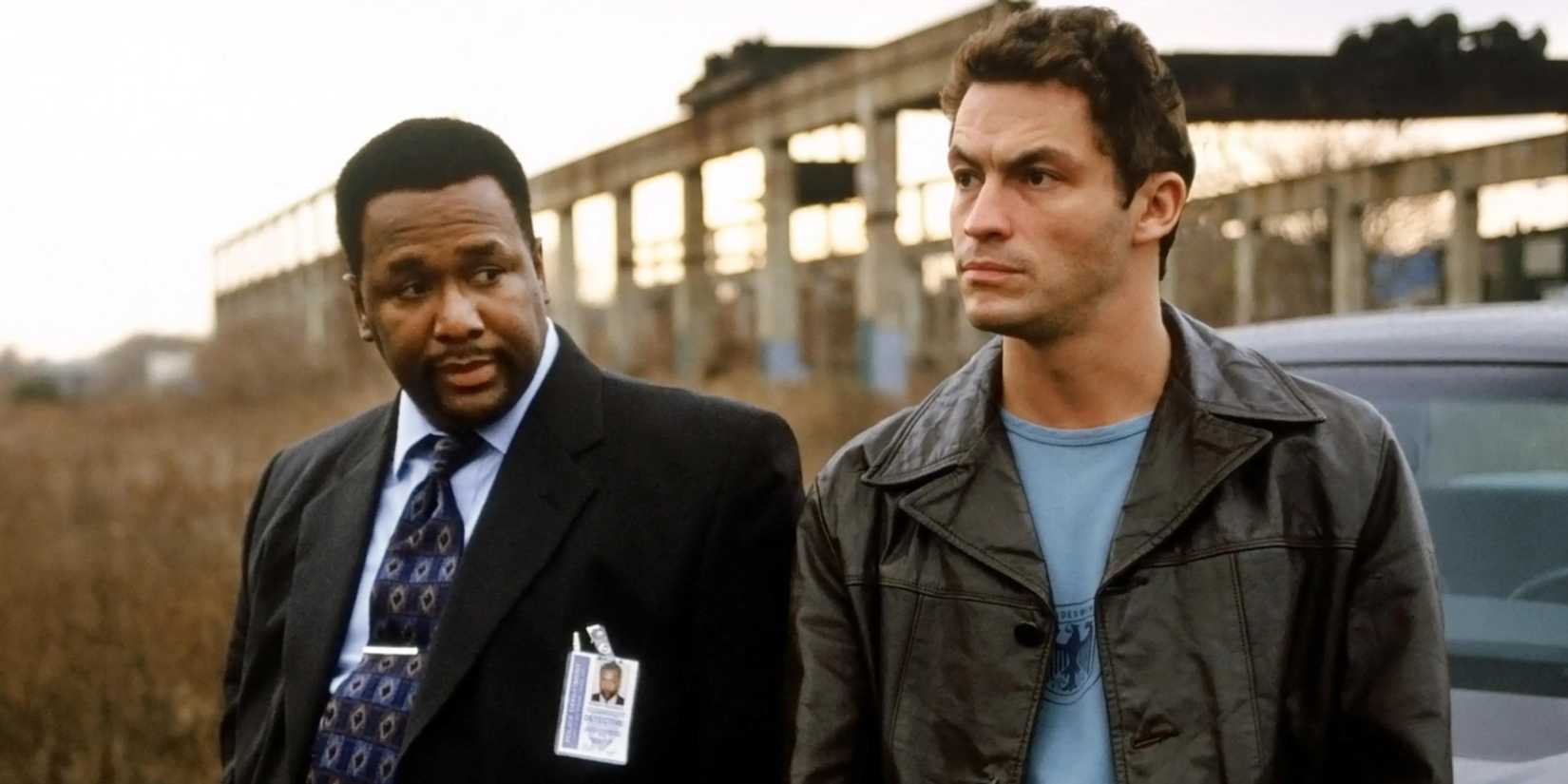
There isn’t as much variety in setting in The Wire as Game of Thrones, with the former being set almost entirely within one city, and the latter having a whole fictional/fantasy continent (and beyond) to depict. Baltimore is that city in The Wire, though it is explored and covered in-depth, to the point where The Wire ends up feeling more epic, in many ways, than similarly ambitious shows that might have a larger setting.
Also, you get the sense of things becoming bigger as the show goes along. The city doesn’t literally grow, but each new season has a new focus on a different area or aspect of Baltimore, and once introduced, those areas (and the characters relevant to them) will remain important to the show, even with new seasons technically spending more time on new/different things. By the end, it’s pretty staggering to think how much was covered, and how seamlessly and efficiently The Wire covered it all.

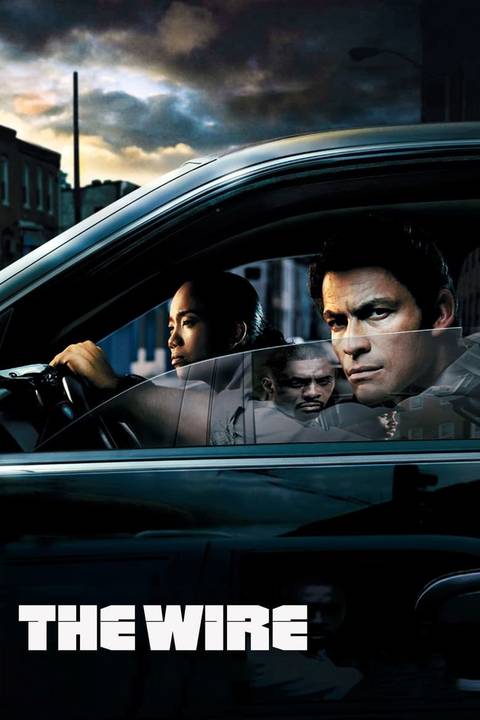
The Wire
- Release Date
-
2002 – 2008-00-00
- Network
-
HBO
- Directors
-
Ernest R. Dickerson, Ed Bianchi, Steve Shill, Clark Johnson, Daniel Attias, Agnieszka Holland, Tim Van Patten, Alex Zakrzewski, Anthony Hemingway, Brad Anderson, Clement Virgo, Elodie Keene, Peter Medak, Rob Bailey, Seith Mann, Christine Moore, David Platt, Dominic West, Gloria Muzio, Jim McKay, Leslie Libman, Milcho Manchevski, Robert F. Colesberry, Thomas J. Wright
You must be logged in to post a comment Login