Entertainment
The 10 Best Sci-Fi Movies of All Time, Ranked According to Letterboxd

Given how brainy and compelling the science fiction genre is — often depicting future scientific and technological advancements and serving as sharp satires — it is no wonder that it is among the most beloved in the film industry. Movies like Interstellar have cemented an indestructible legacy through the years and gathered high spots among the best movies of all time. But where do these rank against other films in the genre in the judgment of Letterboxd users?
The platform was created by and for cinephiles all over the globe, often playing the role of the helping hand whenever moviegoers feel like they’re stuck in a crisis of “don’t know what to watch next.” Their top-rated movies provide audiences with a solid number of must-see flicks where the sci-fi genre is quite present. These are the best science fiction movies of all time, according to Letterboxd.
10
‘Children of Men’ (2006)
Letterboxd Score: 4.3/5

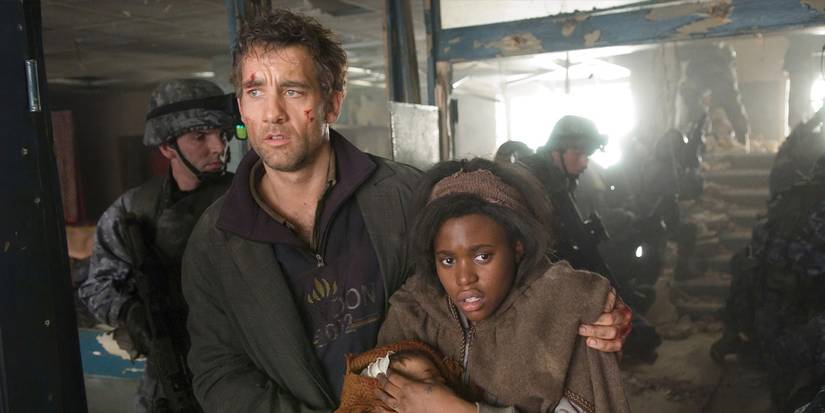
Set in a bleak future where humanity has become infertile, and society teeters on the brink of collapse, Alfonso Cuarón‘s Children of Men follows former activist Theo Faron (Clive Owen) as he is tasked with protecting the first pregnant woman in nearly two decades. As political unrest and violence engulf Britain, Theo must escort her to safety.
The 2006 masterpiece is widely regarded as one of the greatest dystopian films ever made. Children of Men features Cuarón’s breathtaking direction and immersive long takes, made all the better by grounded performances from its cast. The film’s striking vision of a world stripped of hope feels remarkably believable. It’s a gripping thriller as much as it is an unforgettable science fiction masterpiece.
9
‘Project Hail Mary’ (2025)
Letterboxd Score: 4.3/5

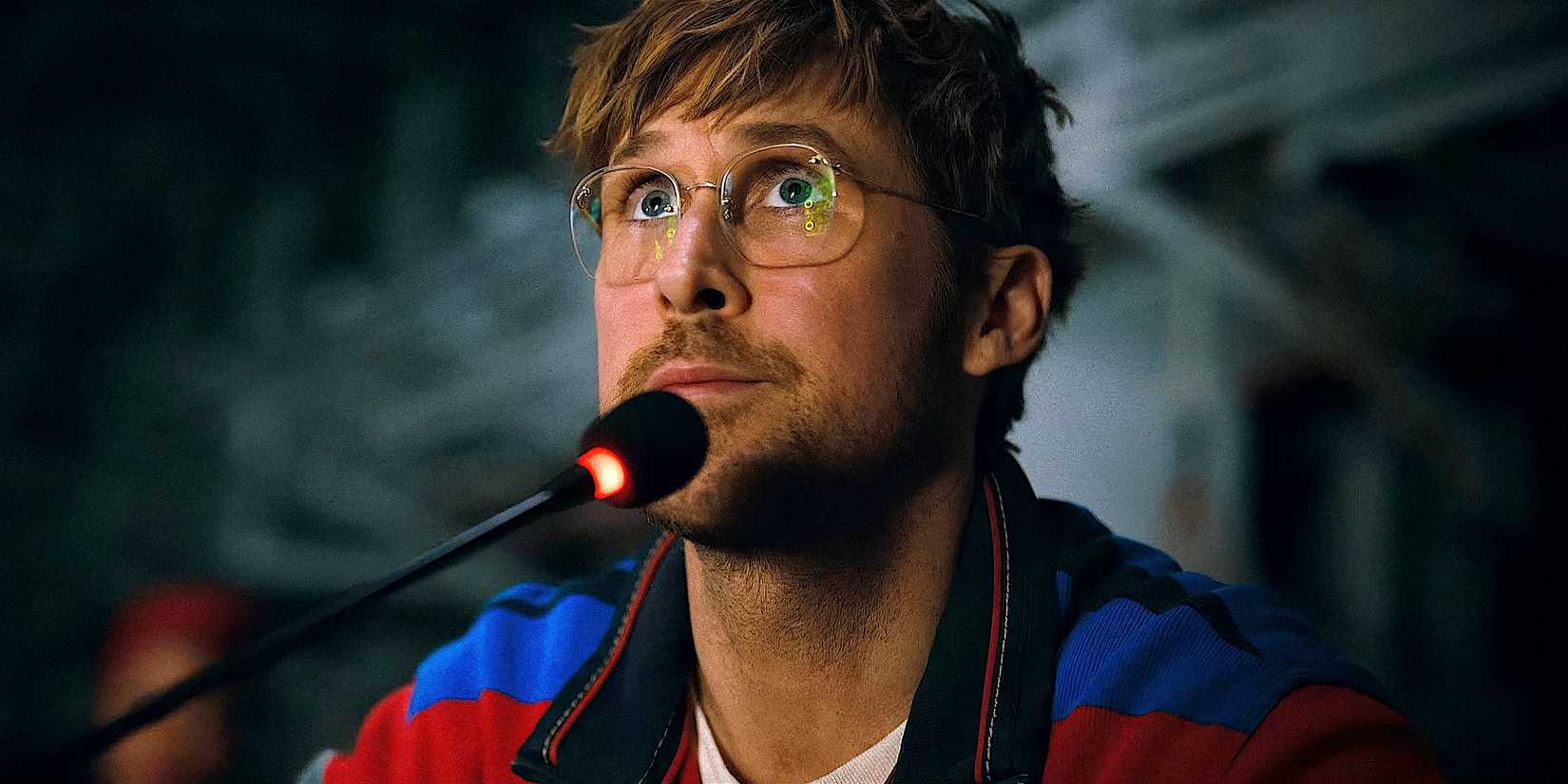
Based on Andy Weir‘s bestselling novel, Project Hail Mary stars Ryan Gosling as Ryland Grace, a middle school science teacher who awakens aboard a spacecraft with no memory of how he got there. As his memories gradually return, he discovers he has been sent on a mission to save Earth from an extinction-level threat. Just as all hope seems lost, an unlikely friendship pops up and affects his gargantuan task.
Project Hail Mary quickly earned praise for translating Weir’s novel into an engaging cinematic adventure with heart and humor. The film’s optimism is infectious, and its inventive problem-solving makes it stand out among modern science fiction. Of course, it’s Gosling’s charismatic performance that truly keeps the high-stakes story grounded and hard to look away from.
8
‘The Thing’ (1982)
Letterboxd Score: 4.4/5
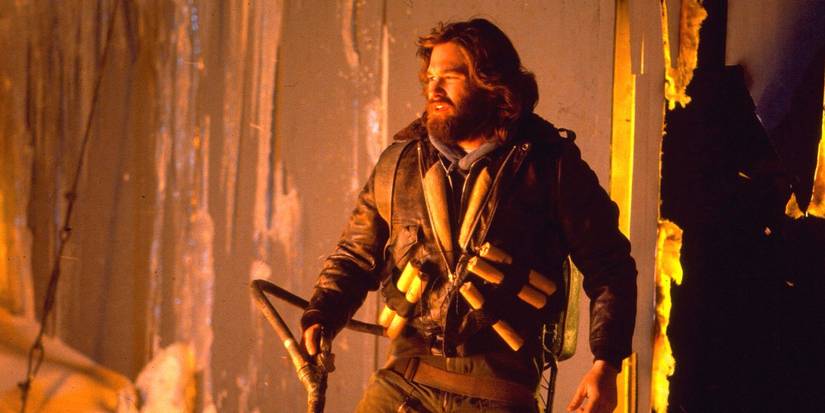
Starring Kurt Russell, Wilford Brimley, and Keith David, among other talented actors, John Carpenter‘s highly-rated The Thing follows a research team in Antarctica who find themselves being hunted by a terrifying shape-shifting creature that assumes the appearance of its victims. Not only is the film one of the best science fiction flicks ever, but it is also among the top horror films of all time.
The suspenseful narrative and believable acting performances are two of The Thing‘s strongest aspects, but the masterful execution elevates it to higher ground; Carpenter’s talents in the horror genre are unmatched. When combined with sci-fi, the results are even more mind-bending and tense, sticking with audiences even after the credits roll. The Thing is a nail-biting thriller that is guaranteed to have viewers hooked from the start.
7
‘Dune: Part Two’ (2024)
Letterboxd Score: 4.4/5

Denis Villeneuve‘s Dune: Part Two continues Paul Atreides’ (Timothée Chalamet) journey as he joins the Fremen in their fight against House Harkonnen. After being put in an increasingly complex position, Paul must decide whether to embrace the role of a messianic leader while preparing for a war that will reshape the known universe.
Dune: Part Two effectively expands on the foundation laid by its predecessor. With breathtaking visuals and spectacular action, it continues the epic storytelling fans expect. The result is a movie that rewards both longtime fans of Frank Herbert‘s novel and newcomers alike — it’s one of the defining science fiction films of the decade.
6
‘Spider-Man: Into the Spider-Verse’ (2018)
Letterboxd Score: 4.4/5
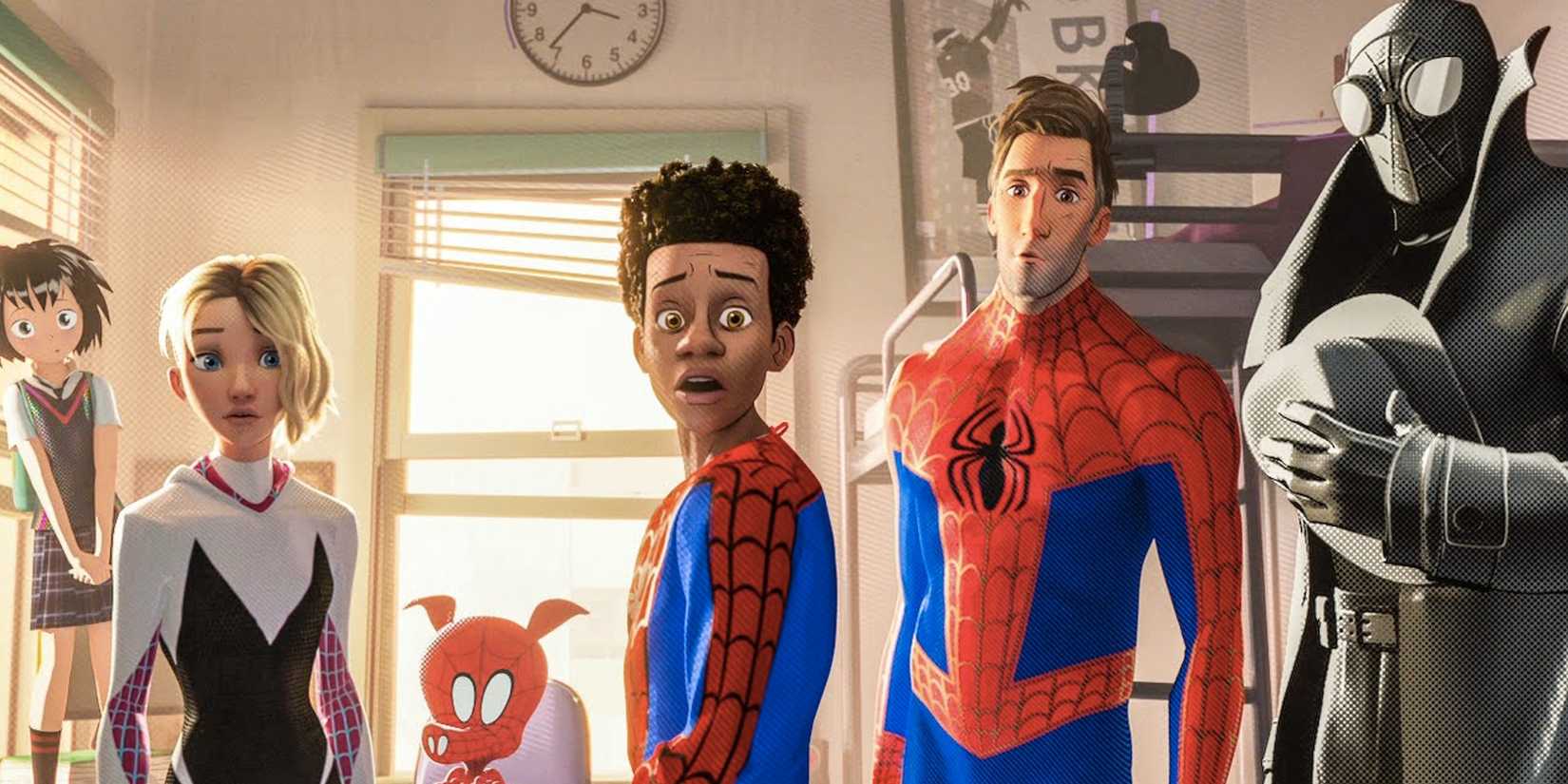
Though it may be hard for some readers to grasp that an animated film is considered, by general Letterboxd users, better than several other iconic features, it is one of the platform’s highest-rated in the category. The movie follows teen Miles Morales, voiced by Shameik Moore, as he becomes the Spider-Man of his universe and joins forces with other spider-powered people from other dimensions to stop a huge threat.
It is not exactly hard to understand why Spider-Man: Into the Spider-Verse is such a universally beloved film; its stunning visuals and likable main character, who has captured the attention of even non-Spider-Man enthusiasts, play a part in that. Into the Spider-Verse is a compelling film featuring phenomenal world-building, an inventive premise, and a handful of humorous scenes that will have audiences invested throughout. It is a game changer for superhero films, especially animated ones, quickly becoming one of the best in the genre.
5
‘Stalker’ (1979)
Letterboxd Score: 4.4/5
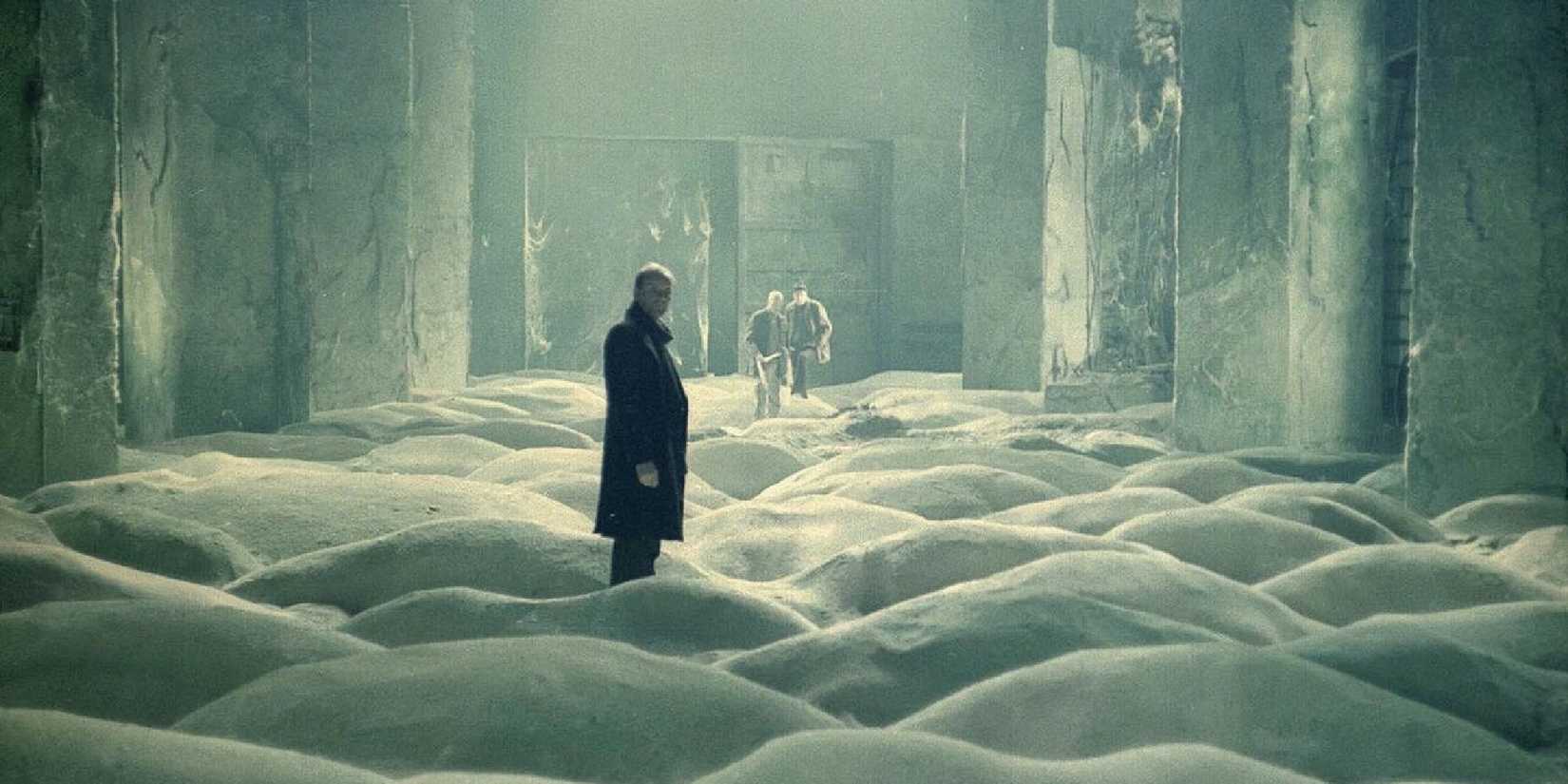
This really well-accomplished film by Russian director Andrei Tarkovsky is an iconic philosophical, existentialist film — and a masterpiece at that. Stalker tells the story of an expedition led by a figure known as “Stalker” (Alexander Kaidanovsky), who guides his clients through a wasteland to find a room that grants wishes.
Captivating and puzzling are two words that describe this metaphysical slow-burn film, which benefits greatly from its stylish arthouse elements. Stalker is perhaps the most influential sci-fi movie of all time — although slow-paced and definitely not for everyone, Tarkovsky’s film has raised the bar in the genre by providing audiences with a surrealistic and incredibly atmospheric film with beautiful black-and-white visuals and an intriguing premise.
4
‘Spider-Man: Across the Spider-Verse’ (2023)
Letterboxd Score: 4.4/5
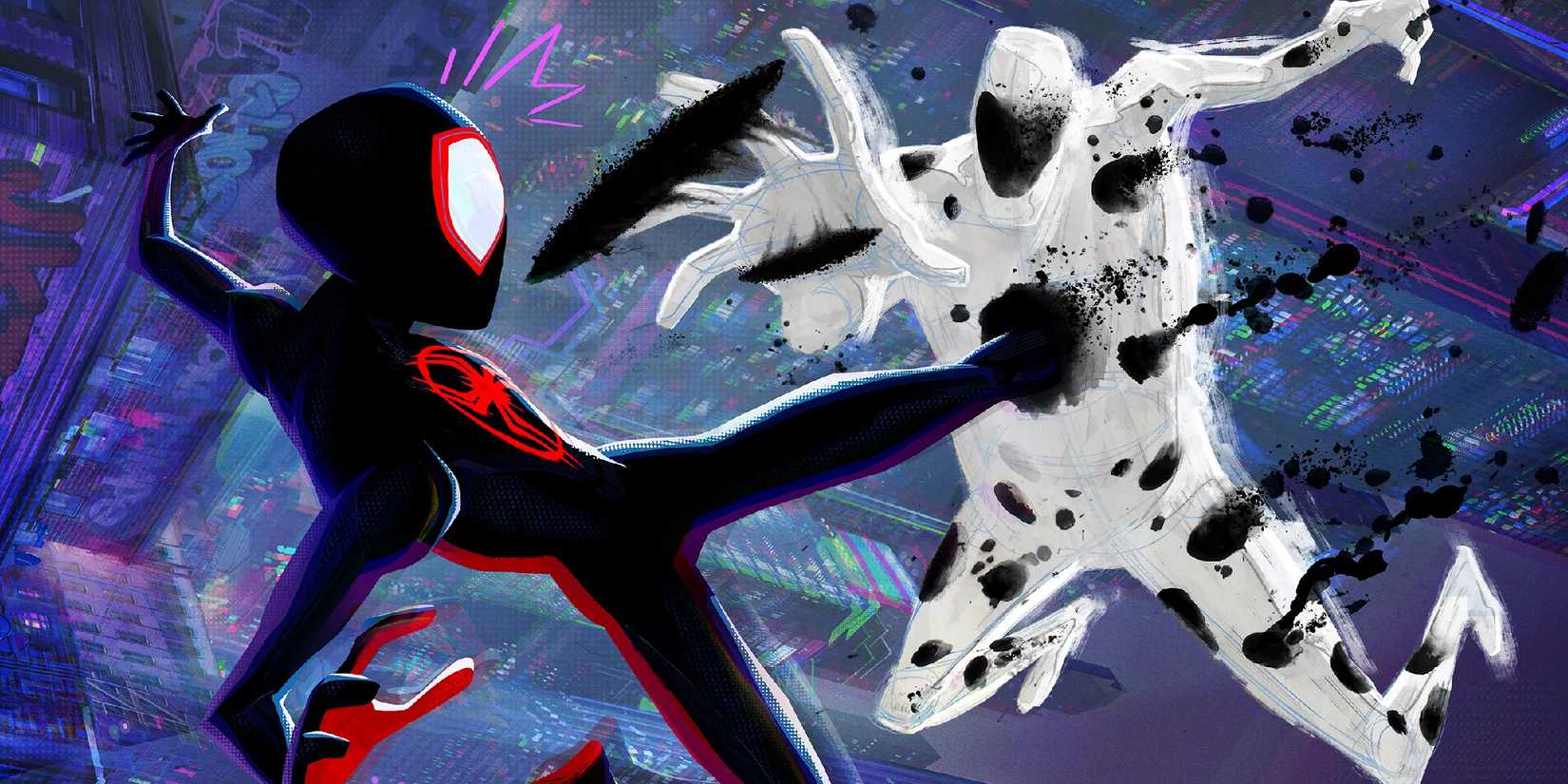
Despite being relatively recent, Across the Spider-Verse is among the best science fiction films of all time, according to Letterboxd users. Though it arguably fits best in the superhero category (just like its predecessor), it is still classified as a sci-fi movie.
Miles catapults across the multiverse in this engaging but painful journey of self-discovery, once again encountering a team of Spider-People (a much larger one this time), but ultimately clashing over how to handle a new threat. It is safe to say that Across the Spider-Verse surpassed the incredibly high expectations that the first entry set, earning an even higher score on the platform. While it is equally entertaining, the 2023 film is a tad more moving and just as visually absorbing, emphasizing once more that it is nearly impossible not to sympathize with and care for its lead character.
3
‘Star Wars: Episode V – The Empire Strikes Back’ (1980)
Letterboxd Score: 4.4/5
.jpg?q=49&fit=crop&w=825&dpr=2)
Empire Strikes Back is widely considered one of the best Star Wars movies among general audiences and fans (and also one of the best-reviewed). It sees Luke Skywalker (Mark Hamill) carry on his journey after the Rebels are overpowered by the Empire. He then begins his Jedi training, and his friends are pursued by Darth Vader and Boba Fett.
This incredible 1980s movie has it all: adventure, romance, action, and science fiction. It is a timeless classic with incredible storytelling that still stands the test of time, as is evident on the platform. While the special effects in this George Lucas feature may seem outdated to some, there is no doubt that they were incredible when the film was released; in fact, it even took home the award for Best Special Effects (Johnson and Edlund) at the 8th Saturn Awards. Overall, Empire Strikes Back is a great sequel that sets up the final chapter well.
2
‘Interstellar’ (2014)
Letterboxd Score: 4.5/5
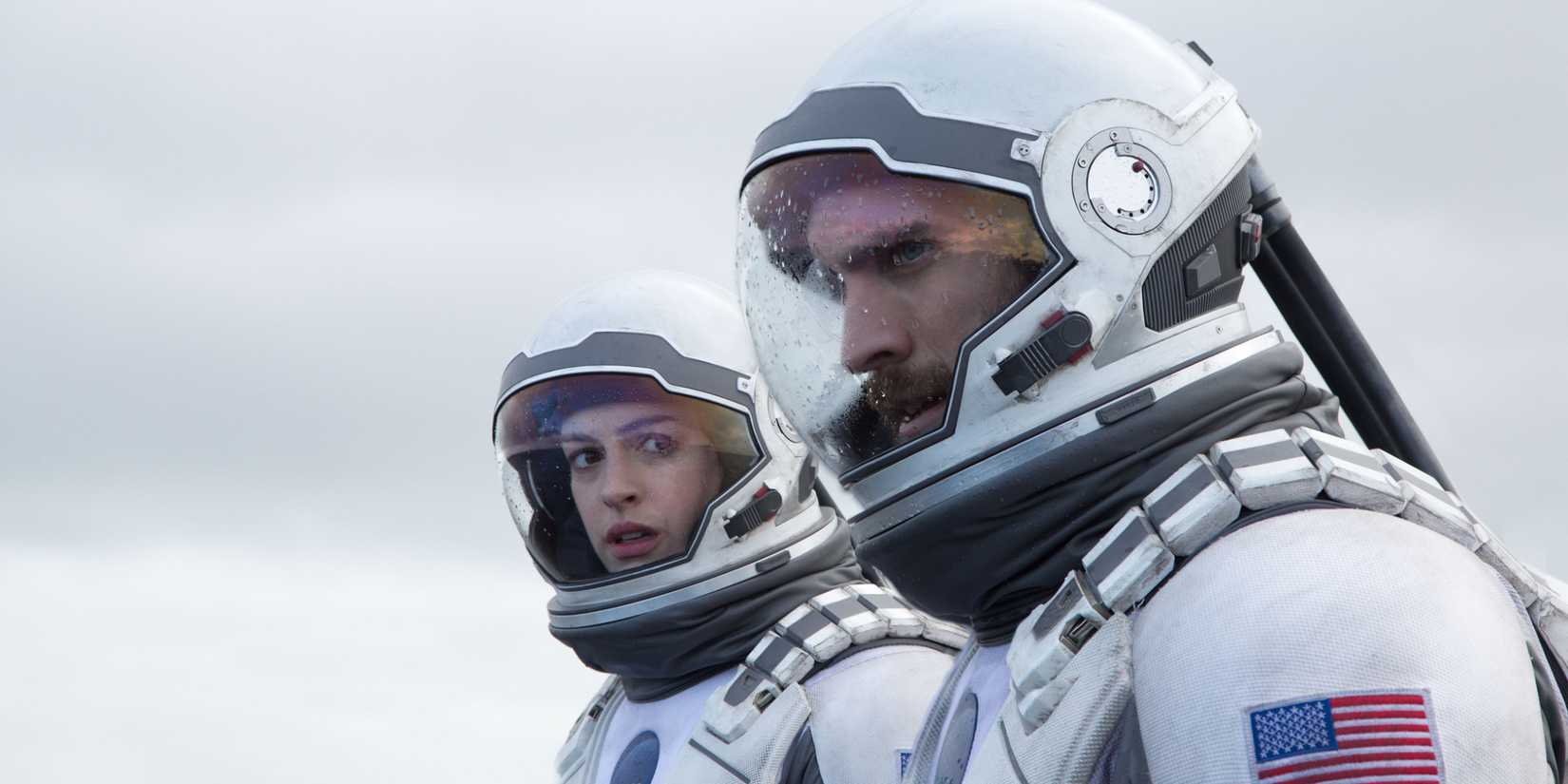
A Christopher Nolan essential that is among the filmmaker’s best, Interstellar is set in a future where Earth is falling apart, and humanity faces extinction. It is up to a team of NASA scientists and a former NASA pilot (Matthew McConaughey) to find a new habitable planet through interstellar travel.
With a truly touching father-daughter relationship at its center and an astounding Hans Zimmer score that complements its mind-bending narrative, Interstellar is undoubtedly a top-notch science fiction movie. It is also well-acted, with Jessica Chastain and McConaughey’s performances often taking the spotlight. These elements help cement Nolan’s movie as one of the best science fiction movies of all time (also per Collider’s official sci-fi films ranking). The way Interstellar tackles moving themes of family and how love transcends space and time will keep audiences invested and possibly be a pleasant surprise even to those who don’t usually enjoy the genre.
1
‘Neon Genesis Evangelion: The End of Evangelion’ (1997)
Letterboxd Score: 4.5/5

Neon Genesis Evangelion: The End of Evangelion is a theatrical ending for the TV series of the same name that illustrates Shinji (Megumi Ogata) and Auska’s (Yûko Miyamura) attempt at stopping the occurrence of Third Impact.
This anime feature coming out on top of sci-fi movies may come as a surprise to some readers. Still, there is no doubt that The End of Evangelion is astonishing to look at and is considered a masterwork in the animation genre (specifically, an incredible accomplishment in the anime field). Serving as a conclusion to the series of the same name 20 years after its original release, The End of Evangelion is a perfect avant-garde pick for open-minded and curious viewers looking to watch something different. It deals with nihilistic topics, including depression and fear.


The End of Evangelion
- Release Date
-
July 19, 1997
- Runtime
-
87 Minutes
- Director
-
Hideaki Anno, Kazuya Tsurumaki
- Writers
-
Hideaki Anno
-

Megumi Ogata
Shinji Ikari
-
Megumi Hayashibara
Rei Ayanami / Yui Ikari

You must be logged in to post a comment Login