Entertainment
The 10 Best Thriller TV Shows Where Nobody Can Be Trusted

The best shows are the ones that are unpredictable, as nothing beats the experience of getting a shocking reveal. Television is a medium that requires consistent engagement, and most great shows have to change up their premise in order to keep feeling fresh; what prestige genre fare from derivative procedures is that they are willing to challenge, subvert, and ignore audience expectations in order to tell a story that has lasting power.
There are only so many ways that the stakes can be raised without authenticity being compromised, and having a cast of morally ambiguous characters is the best way to keep viewers on the edge of their seats. The best part of watching these thriller shows as they air is being engaged within a culture that witnesses each twist and turn while it happens; experiencing these collective moments of shock is exactly what “prestige television” is all about. Fans learn not to fully trust anyone in these twisty thriller series.
10
‘Succession’ (2018–2023)

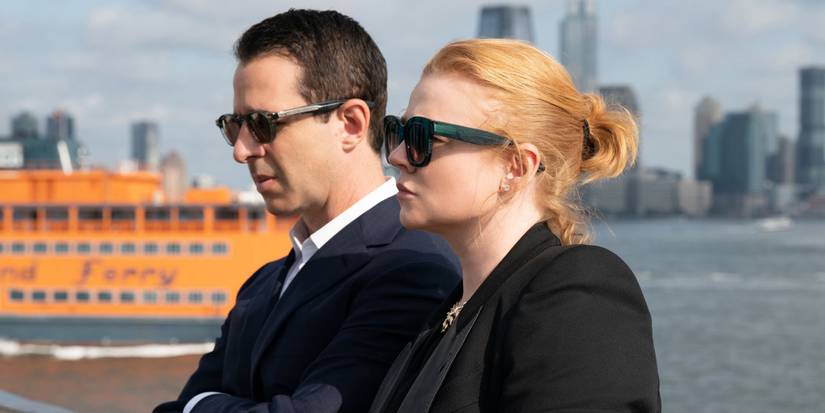
Succession is one of the greatest dramas in HBO history because it explored the modern media ecosystem, alluding to the familial conflict of the Sacklers and the Murdochs, by interweaving it within a tragic epic story reminiscent of William Shakespeare and King Lear. The power plays in Succession are precisely what keep the show driving towards its riveting conclusion; although Logan Roy (Brian Cox) seems to be considering passing along his empire to one of his children, Kendall (Jeremy Strong), Roman (Kieran Culkin), Shiv (Sarah Snook), and Connor (Alan Ruck) continuously prove that they aren’t up for the task.
The revelation of Logan’s true heir is what makes Season 4 of Succession one of the most powerful stretches of drama television ever, as the series was somehow able to evoke sympathy for characters who were completely unlikeable and grossly wealthy. With every alliance built on self-interest and every promise vulnerable to betrayal, Succession makes it impossible to trust anyone for long.
9
‘Breaking Bad’ (2008–2013)

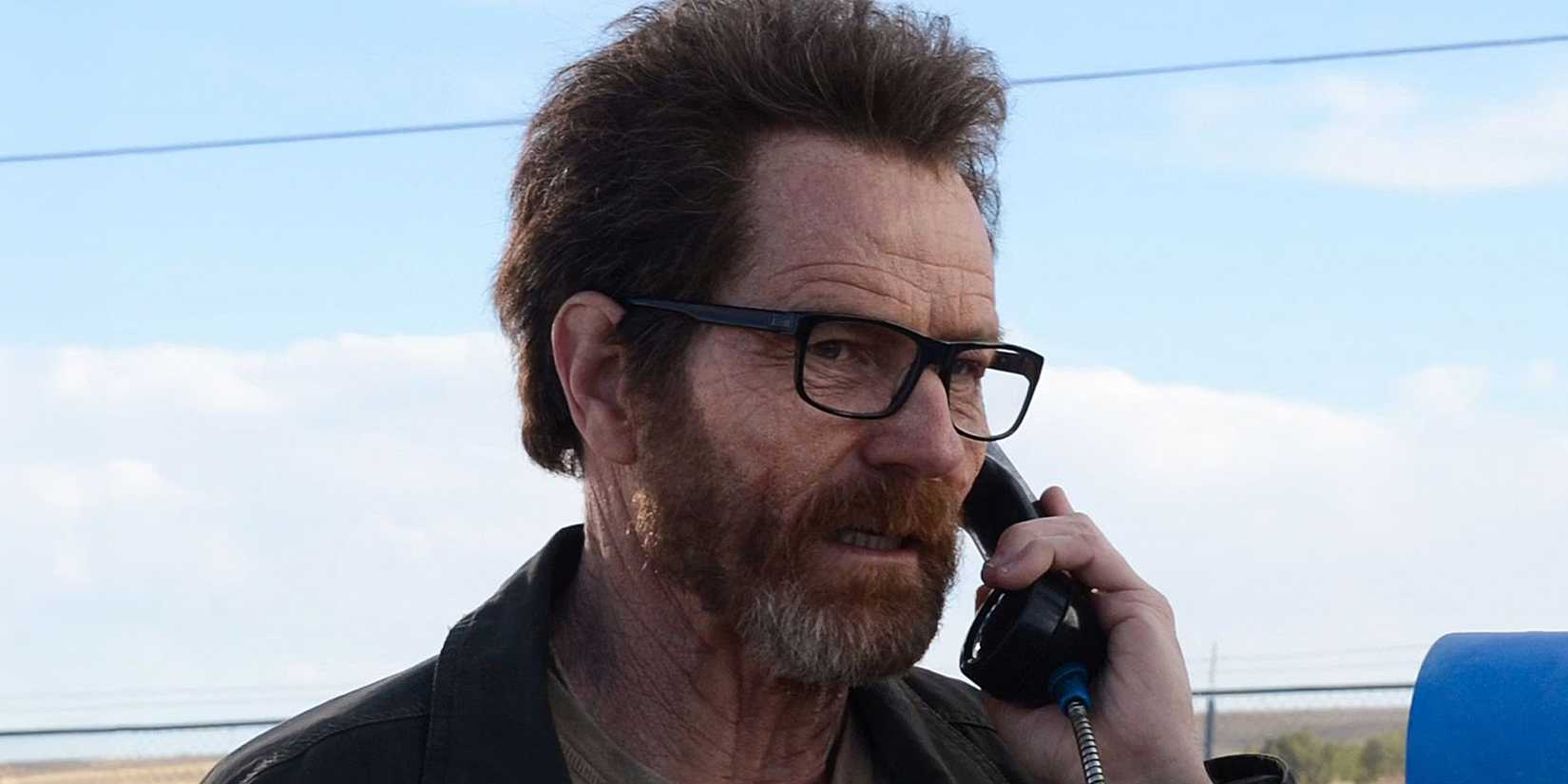
Breaking Bad pulled off one of the most impressive tasks of any crime thriller because it pulled a complete reversal in how to view the protagonist. The five seasons of Breaking Bad correspond to the five acts of a Shakespeare play, as they steadily tell the story of how the mild-mannered high school chemistry teacher Walter White (Bryan Cranston) becomes the drug kingpin “Heisenberg.”
Recognizing that Walter is the villain of Breaking Bad makes all of the other characters’ activities up for debate, given that Jesse Pinkman (Aaron Paul) suffers a tremendous amount for trusting his former teacher, and Skyler (Anna Gunn) eventually becomes complicit in her husband’s crimes. As Walter’s lies multiply, even his closest relationships become unstable, leaving every character unsure of when loyalty will give way to betrayal. There were so many great characters in Breaking Bad that Vince Gilligan was able to expand the universe with the prequel series Better Call Saul, one of the rare television spinoffs that was just as good as the original.
8
‘The Shield’ (2002–2008)
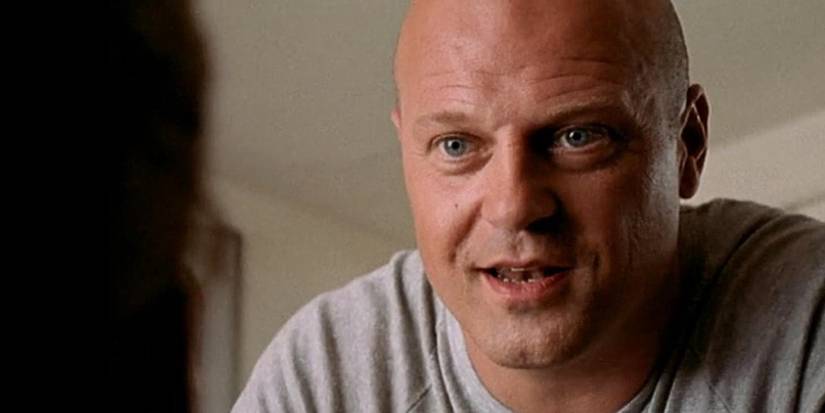
The Shield was a crime show ahead of its time because it presented a grounded, unsanitized look at law enforcement that didn’t lionize the efforts of cops in the same way that most network procedurals had at the time. The Shield focused on the Los Angeles Police Department detective Vic Mackey (Michael Chiklis), a corrupt but effective tool of justice who is wielded to take down the city’s criminals.
The Shield worked brilliantly to create an atmosphere of hostility and insecurity because Vic was faced with issues on many fronts; he was trying to protect his family, show loyalty to his fellow cops, keep himself protected from any internal affairs investigations, and genuinely strike against the criminals of Los Angeles that threaten civilian life. Because Vic constantly balances competing loyalties while concealing his own crimes, every alliance in The Shield feels temporary, and every act of trust carries the risk of betrayal. The show was unpredictable until its very ending, with “Family Meeting” being an all-time great series finale.
7
‘Mr. Robot’ (2015–2019)
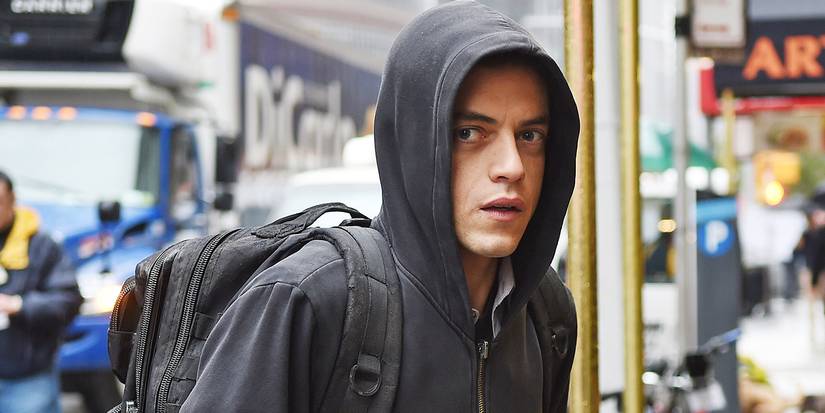
Mr. Robot is an inventive and highly twisty thrill ride because creator Sam Esmail was influenced by many cinematic classics, including Fight Club, The Matrix, and Taxi Driver. No one can be trusted in Mr. Robot because reality is always in question; the protagonist, Elliot Alderson (Rami Malek), suffers from severe mental health issues involving paranoia and anxiety, and has such a genius-level mind that he sees things that aren’t there.
Mr. Robot paints a dark portrayal of the underground world of cyberhacking, which involves world governments, anti-authoritarian groups, terrorist sects, and independent, “Robin Hood”-esque figures like Elliot who aim to expose the corruption in power. It’s a show that is best watched in its entirety without knowing much of anything beforehand, as every single season of Mr. Robot includes a few shocking misdirections that completely invert what the story is actually about.
6
‘Fargo’ (2014–2024)
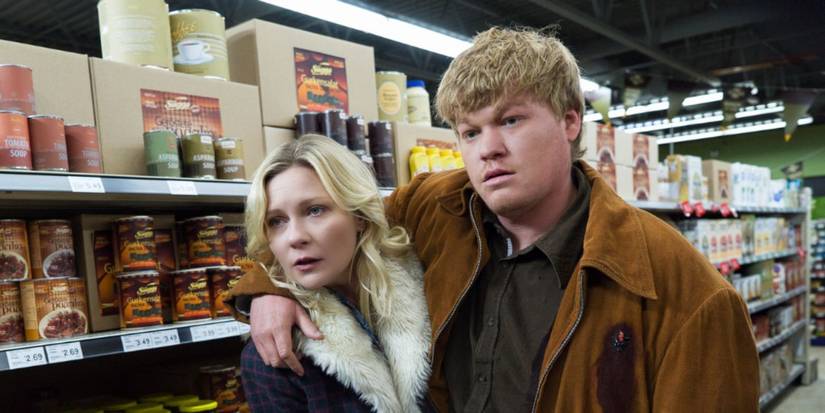
Fargo is among the most inventive and surprisingly great television thrillers of recent years because it surpassed every expectation that it was presented with. While rebooting a film as beloved as the original 1996 Fargo, which is among the most acclaimed of all of the Coen brothers’ work, seemed like it would only end in disappointment, creator Noah Hawley created original stories for each season that alluded to the themes of the classic masterpiece without ever directly adapting them.
Fargo is unpredictable because each season has its own independent story, meaning that there is no guarantee that anyone is returning or that they are who they claim to be. That uncertainty extends to its characters, whose hidden motives and carefully constructed identities make trust a dangerous gamble in every season. Although there are a few surprising moments when continuity between the seasons is confirmed (including a particularly emotional connection between the first two), it’s also possible to watch any season of Fargo and treat it as a miniseries.
5
‘Twin Peaks’ (1990–2017)
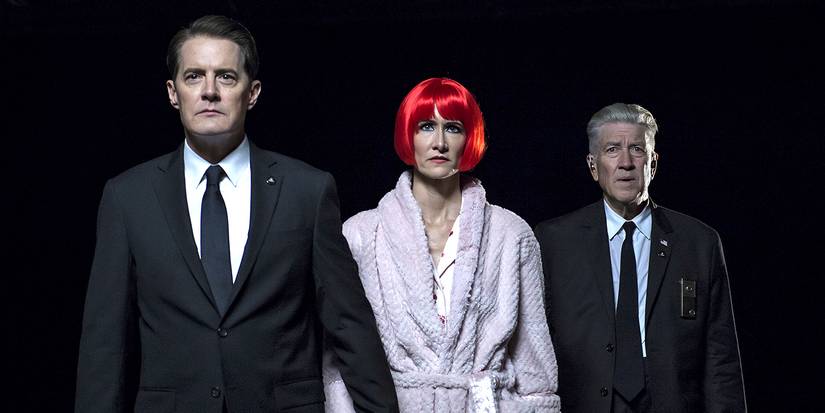
Twin Peaks is the gold standard against which all “prestige television” is built, and it’s been an influence on nearly every contemporary showrunner who recognized the brilliance of David Lynch. The show challenged the format of procedurals by exploring one defining mystery over the course of the entire series and using it as a MacGuffin to examine the secrets poured out by a small, seemingly idealistic town as they express their grief. The death of Laura Palmer (Sheryl Lee) is a riveting event that leads to some of the most powerful and unpredictable reveals in all of television.
Twin Peaks has many untrustworthy characters because it tapped into the surrealist psychodrama of Lynch, and used Laura’s death as a cornerstone within an ancient battle between good and evil that had been waged ever since the dropping of the atomic bomb at the end of World War II.
4
‘House of Cards’ (2013–2018)
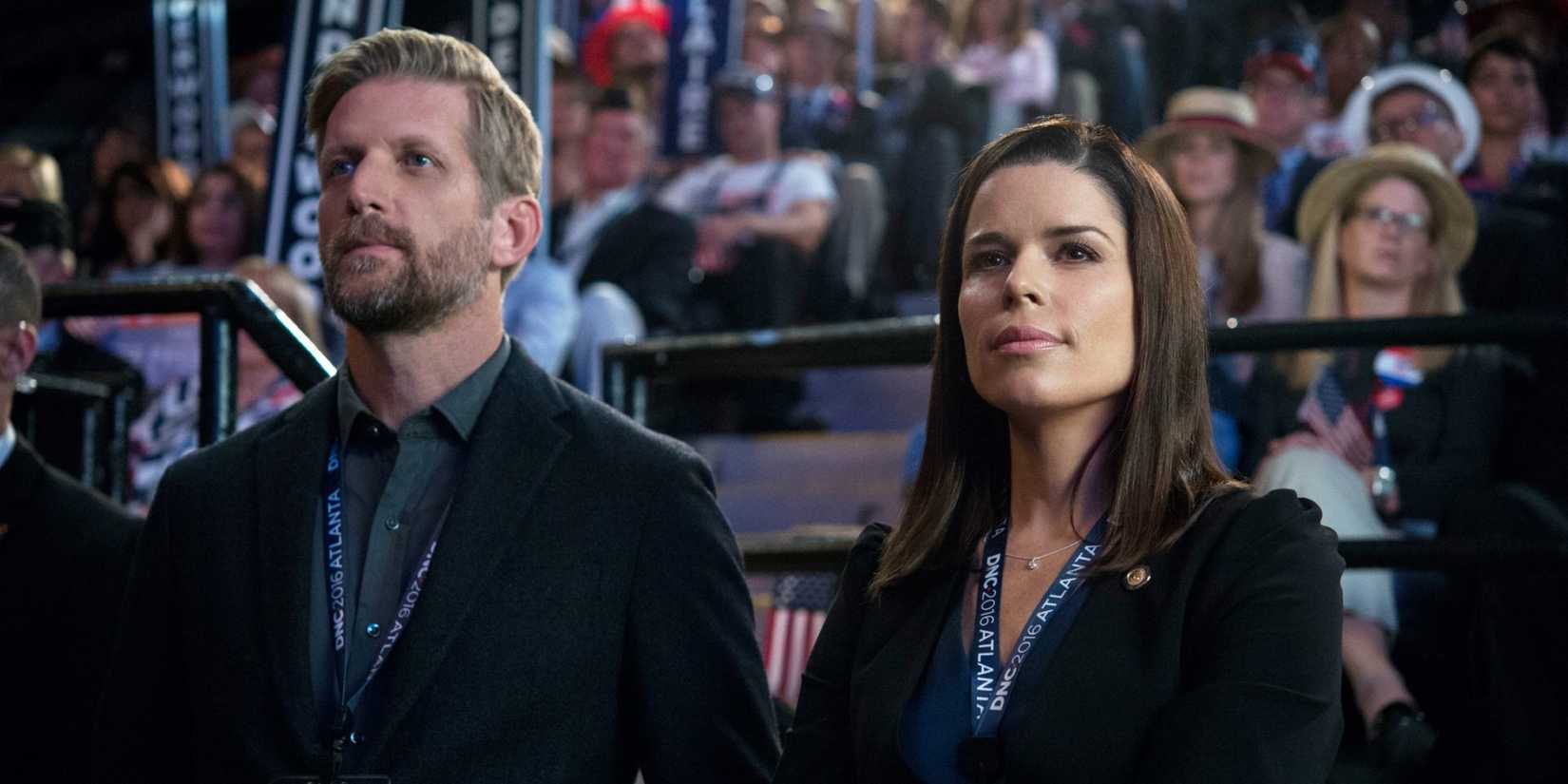
House of Cards was the first major breakthrough for Netflix as a streaming service and single-handedly proved the merit of binge-watching because of its serialized approach. Based on both a novel and a British miniseries that had come before, House of Cards delved into the unpleasant, seedy world of American federal politics by showing how the Presidency is fought over ruthlessly using tools of political manipulation and legitimate conspiratorial forces. In a world where every relationship is transactional and every ally can become a rival, House of Cards treats trust as a weakness that ambitious politicians exploit without hesitation.
House of Cards was unique among political thriller shows because it did not present the rosy, optimistic perspective of a show like The West Wing, and successfully reflected the distrust of Washington, D.C. that was brewing at the time that it was on the air. Perhaps the most shocking aspect of House of Cards is that real life found a way of being more unbelievable than anything that the show’s writers could have come up with.
3
‘The Americans’ (2013–2018)
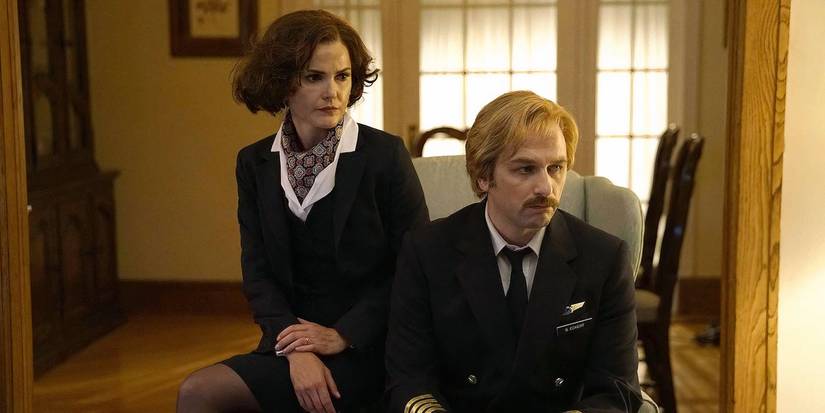
The Americans is one of television’s all-time great thrillers because it took a grounded and emotional look at the double-crossing and betrayals involved in spycraft, and grounded them within an era that offered the genre’s greatest influences. The Americans is set in the middle of the Cold War in the 1980s, and follows the Soviet Union spies Philip (Matthew Rhys) and Elizabeth Jennings (Keri Russell) as they go undercover to pretend to be an American couple.
The motivations of the characters are constantly in question, as Philip and Elizabeth begin to develop an actual romance that goes beyond the guises that they created; at the same time, they have left both their children and their newfound friends in America in the dark about what their actual motivations are. The point at which they both must choose their loyalties is when The Americans kicks into another gear.
2
‘Andor’ (2022–2025)
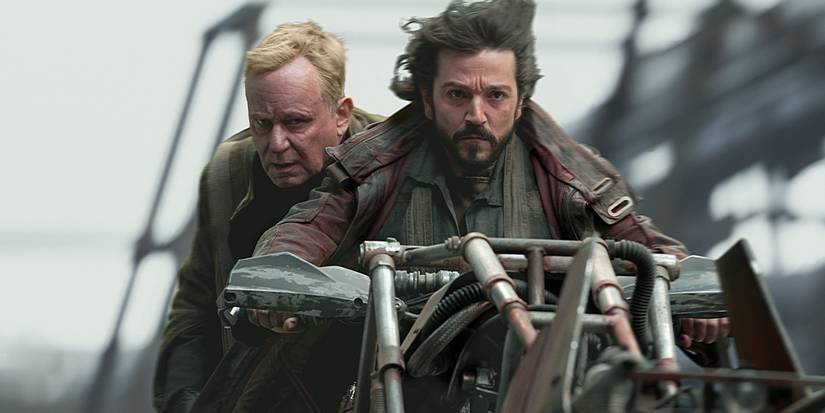
Andor is the best Star Wars television show of all time because it wasn’t interested in the Skywalkers, the Force, the Jedi, or anything else relating to fan service, and instead told a gritty story about the origin of the Rebel Alliance during the early days of the Galactic Civil War where the Empire ruled the galaxy with an iron fist. Cassian Andor (Diego Luna) is established as an independent spy who is radicalized by the Rebel agent Luthen Rael (Stellan Skarsgård), who secretly works with Senator Mon Mothma (Genevieve O’Reilly) to provide funds to the freedom fighters who can expose Imperial plans.
Andor reveals that the Rebel Alliance came together in a much darker and more complex way than what the original Star Wars trilogy may have led some to believe, but that it was completely necessary in order to expose the genocidal Imperial regime. Because the rebellion depends on spies and compartmentalized cells, even those fighting for the same cause can rarely afford to trust one another completely.
1
‘Hannibal’ (2013–2015)
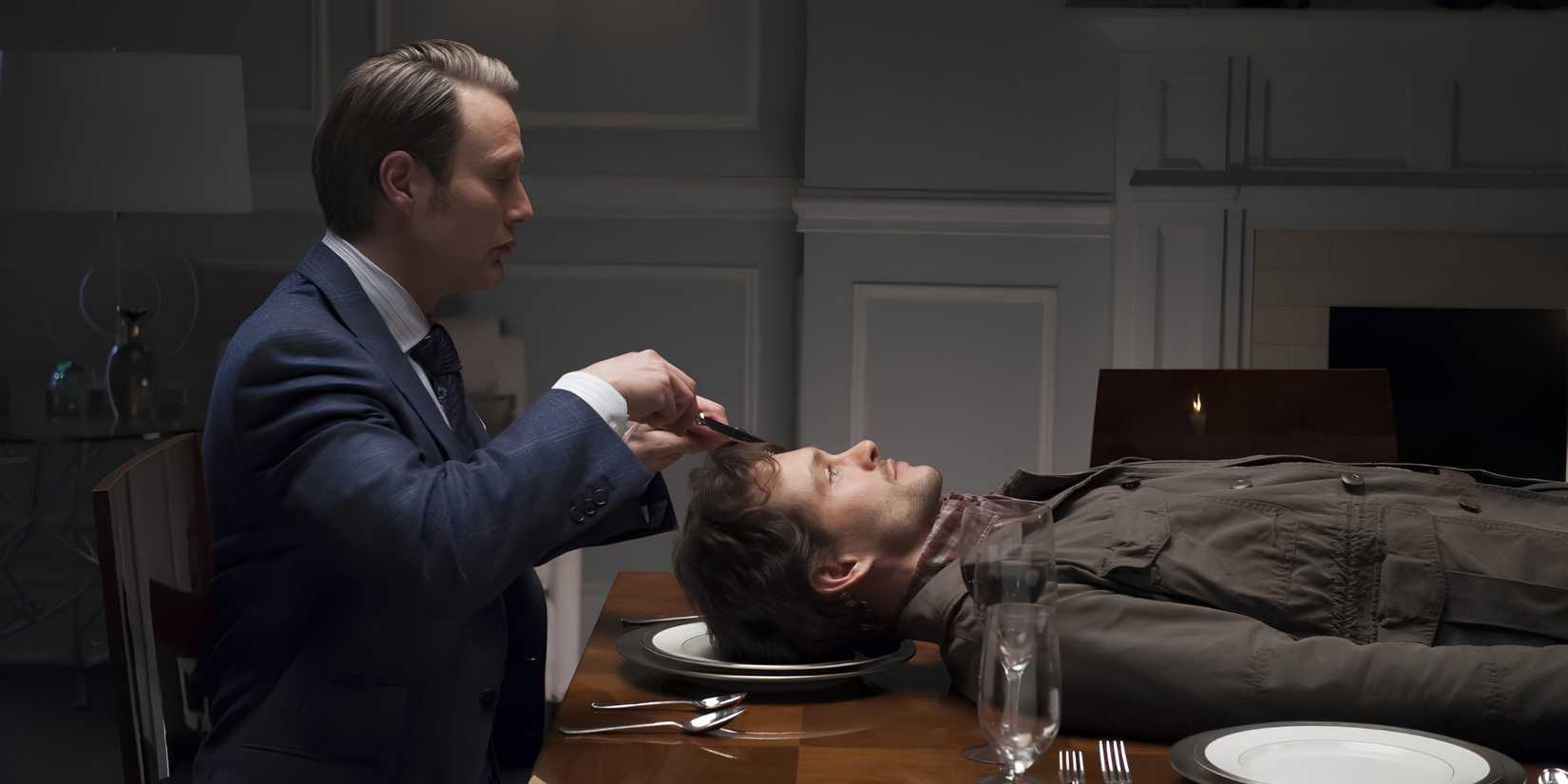
Hannibal was hardly the first adaptation of Thomas Harris’ famous series of serial killer novels, but it perfectly realized the characters in a new medium and brought them together for one of the most satisfying finales in the history of television. Unlike Manhunter and The Silence of the Lambs, Hannibal takes place when Dr. Lecter (Mads Mikkelsen) has not yet been exposed as a serial killer, and he is an ally to the FBI Agents Will Graham (Hugh Dancy) and Jack Crawford (Laurence Fishburne) as they track down other dangerous psychopaths.
Hannibal constantly questions the sanity and morality of its characters as they are each faced with ethical choices, and the relationship between Will and Hannibal grows even more complex as the series continues. Because Hannibal manipulates everyone around him while concealing his true nature, every act of trust becomes another opportunity for control. It is one of the most stylized, unique, and experimental shows to ever air on network television.
You must be logged in to post a comment Login