Entertainment
The 10 Bleakest Animated Movies of All Time, Ranked

Warning: This article contains spoilers for the movies discussed!
Animation isn’t a genre: it’s a medium unto itself, a kind of filmmaking capable of telling unique stories in ways that no other kind of movie can imitate. It’s the perfect realm for filmmakers’ imaginations to run wild, for them to harness the medium’s virtual visual limitlessness to tell whatever narrative they want to tell in whatever way they can think of. Sometimes, though, those narratives can get gloomy — very, very gloomy.
It’s one thing for an animated movie to be dark, but it’s a whole other step up for it to be hopelessly bleak. These are movies that aren’t just dark-toned: they’re harrowing experiences that very rarely have an ending that one could reasonably call “happy” in any sense, if ever. From older classics to more modern cult gems, history’s bleakest animated films prove that animation is most definitely not just for kids.
10
‘The Plague Dogs’ (1982)


Martin Rosen hasn’t made very many films, but he’s nevertheless one of the most underappreciated animation directors of the 20th century. He made two movies based on novels by Richard Adams, the second one being The Plague Dogs. It’s about two dogs escaping from a lab and being chased as possible carriers of the bubonic plague.
Even though the film is considerably less well-known and iconic than Rosen’s other noteworthy animated film, it’s still a fantastic movie, ingeniously directed, beautifully written, and visually striking. That doesn’t mean, however, that The Plague Dogs is an enjoyable film in the traditional sense — quite the opposite, in fact. Shocking, unflinching, and a brutal experience for animal lovers, it’s a loud bark against animal abuse that refuses to go unheard.
9
‘Watership Down’ (1978)

.jpg?q=49&fit=crop&w=825&dpr=2)
Martin Rosen’s better-known adaptation of a Richard Adams novel, Watership Down has for long been considered one of the saddest animated films ever created — and for good reason. Beautifully animated and intellectually stimulating (certainly much more so for adults than for children), it’s a landmark in the history of British animation. As far as the medium goes, it’s one of the best movies of the 1970s.
Watership Down is a violent, carefully paced study of authoritarianism, survival, and politics, but with rabbits. It’s a simple gimmick on paper, but it works like a charm. Nevertheless, it’s a bleak, upsetting, utterly frightening film, even if things do end on a decently happy note. Sometimes, a happy ending isn’t really enough to offset an entire two acts’ worth of nightmarish political horror seen through the eyes of cute bunny rabbits.
8
‘A Scanner Darkly’ (2006)

Richard Linklater loves experimenting with different genres and techniques. With A Scanner Darkly, he jumped into the field of animation for a second time — and the result is stunning. Arguably Keanu Reeves’ most mind-bending movie (yes, The Matrix included), it’s a faithful adaptation of a novel by legendary sci-fi author Philip K. Dick.
The film’s dazzling visual style, created through interpolated rotoscope animation (a far-too-rare technique in the industry nowadays), isn’t just an empty gimmick. Made to look like a comic book or graphic novel, A Scanner Darkly first unsettles the audience’s eyes so it can then riddle their minds with a plot built on top of drug use and political instability. There’s some humor here and there, but the chillingly pitch-black tone is constant, and the movie certainly doesn’t have audiences smiling in joy by the time the credits roll.
7
‘Padak’ (2012)

Criminally underseen, and therefore criminally underrated, Padak is a South Korean film about a mackerel from the ocean trying to escape from a restaurant aquarium tank before he’s eaten. Those who think this looks like a cutesy Finding Nemo rip-off ought to think twice: Padak is one of the most brutal animated movies they’ll ever come across.
Padak is psychological survival horror through and through, with some biting social commentary and a critique of the sadistic treatment of animals that is horrifying enough to put anyone off eating sushi for a few months. It’s not often that animated movies where the characters are cute animals end with the majority of said animals — the protagonist included — being eaten alive. Not exactly the kind of stuff you see in a Disney flick.
6
‘Perfect Blue’ (1997)

Satoshi Kon was one of the greatest anime filmmakers of all time, and his untimely passing was one of the industry’s saddest moments. Nevertheless, the legacy he left behind was four exceptional animated movies, the best of which is arguably the psychological thriller Perfect Blue. Brilliantly surrealistic and stunningly animated, it’s one of the best anime films ever made.
Perfect Blue‘s blending of fantasy and reality is perfect, successfully placing the audience inside the fragmented headscape of the perfection-obsessed protagonist. The result is a disturbing, violent, often confusing film that borders on being horror, throwing increasingly dark and unhinged scenes and character moments at the audience relentlessly.
5
‘Mad God’ (2021)
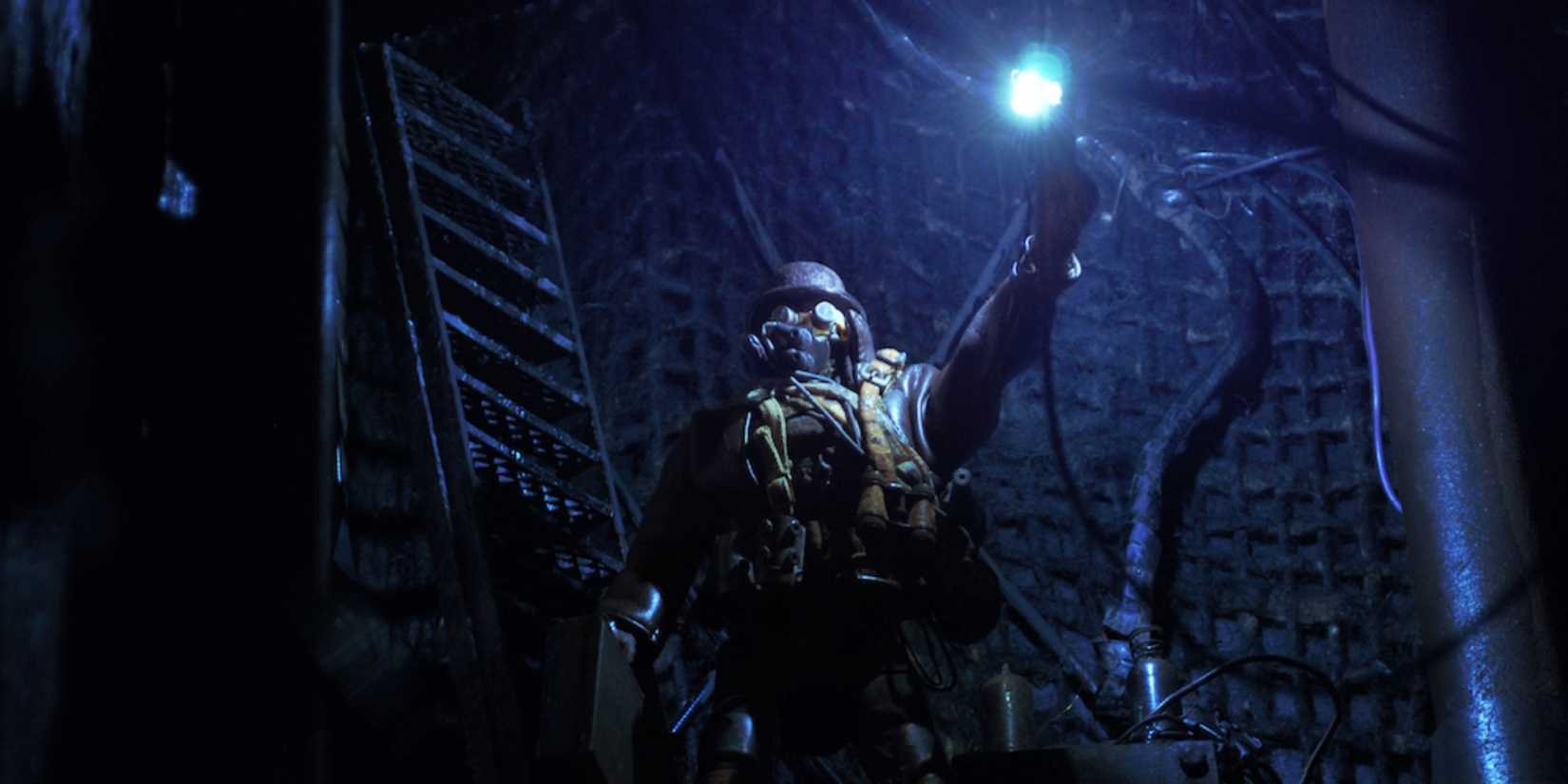
Phil Tippett is, first and foremost, a visual effects supervisor and producer — one of the field’s biggest and most impactful exponents. During the ’90s, though, he started working on his directing debut, Mad God. It turned out to be a passion project that took around three decades to complete, but the effort was very much worth it. It’s a movie that’s guaranteed to become a cult classic in not too many years.
Mad God is an unhinged ride into the depths of Hell, a film that gleefully keeps pushing the limits of what audiences consider grotesque and disgusting. It’s certainly not for the faint of heart; there’s no doubt about that, but those with the stomach to not just tolerate, but enjoy a movie so bleak, jarring, and surrealistic are sure to have an unforgettable ride with Tippett’s twisted little brain child.
4
‘Where the Dead Go to Die’ (2012)

A film being bleak doesn’t necessarily imply that it’s good. Indeed, the straight-to-video cult classic Where the Dead Go to Die, a clear example of extreme cinema and exploitation horror, isn’t typically praised as a particularly high-quality movie. Nevertheless, any list of the bleakest animated films ever is incomplete without at least a mention of this ultra-mega-hyper-violent movie.
The animation is ugly and off-putting by design; the tastelessly gratuitous violence and darkness are too much to stomach for most viewers, and the senseless story isn’t exactly aided by the cheap use of lazy scares. Nevertheless, those who love über-dark animation simply have to check this one out at some point. Though it’s definitely not good, it’s so bizarre in the things it attempts that, at the very least, it’s absolutely unforgettable.
3
‘Anomalisa’ (2015)

Charlie Kaufman, best known as a screenwriter (perhaps the greatest in the industry today), has also directed a few movies here and there. His second directing effort and his first (and thus far only) animated movie was co-directed with Duke Johnson. It’s Anomalisa, a wild trip of a movie full of Kaufman’s signature blend of existential dread and absurdist surrealism.
With its distinct puppet-based stop-motion animation and one of animation’s greatest screenplays ever, Anomalisa is a profoundly thoughtful study of romance, aging, and human connections, the likes of which only an artist like Kaufman could have delivered. It’s filled to the brim with the same kind of neurotic cynicism and depressing bleakness that characterizes the writer-director’s work, but the bits and pieces of hope and humanism that he sprinkles in boost the experience tremendously.
2
‘Grave of the Fireflies’ (1988)
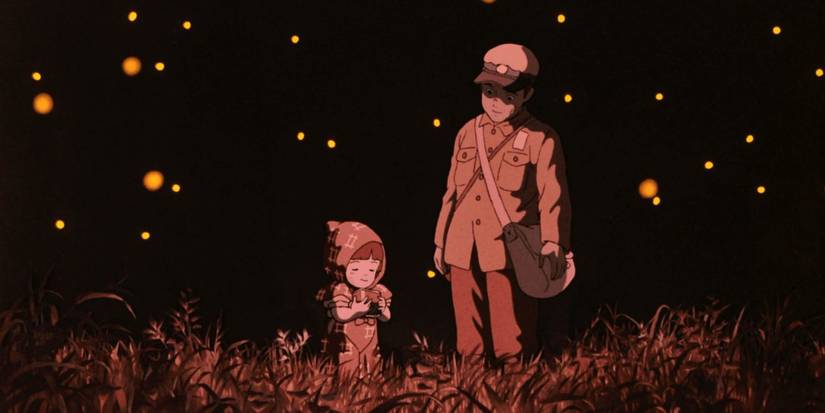
Studio Ghibli filmmakers create art pieces that aren’t afraid to dive into sadder bits of the human condition than the majority of animation, but never has any of them made a film more gut-wrenching than Isao Takahata‘s Grave of the Fireflies. This absolutely soul-shattering World War II drama based on a true story is enough to leave any animation fan crying on the floor for hours.
Led by two of Studio Ghibli’s best characters, the sad animated film does something that the war genre often likes to do: evaluate the nature of war as an innocence destroyer by showing it through the eyes of children. However, few anti-war films with child protagonists are as effective as this one. Stunningly animated, beautifully written and directed, and chilling to its core, Grave of the Fireflies is one of the legendary anime studio’s best outings.
1
‘Waltz With Bashir’ (2008)

Perhaps it’s because it’s a documentary. Perhaps it’s because it’s so richly constructed and made with such emotional rawness. Perhaps it’s because of how terrifyingly timely its themes feel. It’s likely because of all of that and more. The fact of the matter is that Waltz With Bashir, one of 2008’s most essential films, is the bleakest animated movie ever made.
A masterfully paced and structured examination of Israeli occupation, the value of memories, and the surreal nature of wartime violence, Waltz With Bashir is a masterpiece that shows the creative extent to which animation can be taken when placed in the right hands. It’s perhaps the most emotionally flooring experience that animation cinema has to offer, but it’s oh so worth it.


Waltz with Bashir
- Release Date
-
June 12, 2008
- Runtime
-
90 Minutes
- Director
-
Ari Folman
- Writers
-
Ari Folman
You must be logged in to post a comment Login