Entertainment
The 10 Greatest Psychological Thrillers of the Last 90 Years, Ranked

It may blow your mind that movies have been made for more than a century. That’s a lot of incredible films! With such a rich history and evolution, part of the joy we cinephiles have is comparing films of yore with modern classics. And when it comes to psychological thrillers, though the stories have changed, the core elements have stayed the same.
With hundreds of excellent films over the last 90 years, ten titles stand out as the greatest. From films that literally invented filmmaking devices to movies that reshaped award-show conversations, these movies remain brilliantly influential and timeless. While many films could be swapped in, these ten represent a strong history of the genre.
10
‘Gone Girl’ (2014)


Bringing one of the juiciest thrillers from page to screen takes a genius director who knows their way around a crime thriller. Thankfully, David Fincher masterfully adapted Gillian Flynn’s psychological thriller, Gone Girl. The story follows Nick Dunne (Ben Affleck), who discovers his wife Amy (Rosamund Pike) missing, setting off a media frenzy and a dark psychological game of deception. A twisted series of mind games, Gone Girl takes a typical missing person story and flips the script in glorious fashion. Gone Girl is a wonderfully enthralling thriller that showcases the depths individuals will go to in a toxic relationship.
Morality is out the window as there is no genuine “villain” in the classic sense. Both Nick and Amy are deceitful. It only comes to light when it’s revealed that Amy is alive and meticulously framing Nick for her murder out of revenge. Neither character tells the absolute truth, forcing viewers to question who the real villain is and who the victim is. Fincher also targets the 24-hour news cycle by depicting how quickly the public turns a complex human tragedy into a media circus. Gone Girl exposes the dark side of relationships and why extreme personal grievances have lethal consequences.
9
‘Misery’ (1990)


While The Shining easily could earn this spot, since Stephen King was unhappy with the execution, we’ll give it to a movie adaptation he praised: Misery. The hit thriller tells the tale of famous author Paul Sheldon (James Caan), who suffers broken legs following a severe car crash in a blizzard. Annie Wilkes (Kathy Bates), a former nurse and his “number-one fan,” rescues him, only to hold him captive in exchange for a new manuscript that brings her favorite character back to life. A battle of wits, Misery turns a thrilling two-hander into a masterclass of claustrophobic tension and human terror.
Directed by Rob Reiner, Misery thrives thanks to its petrifying premise and career-defining performances. The film dives deep into the unhealthy extremes of obsession and control for a perfect power play. Mostly confined to a single setting, Misery amplifies the terror by forcing its protagonist to be at the whims of an unhinged individual. With Annie being the surrogate for unpredictability, viewers are left questioning what might happen next. Bates’ exceptional performance as she switches from a seemingly sweet nurse to an unstable monster. Misery is a masterpiece of psychological dread.
8
‘Psycho’ (1960)

Alfred Hitchcock and Psycho forever changed the future of movies. Adapted from Robert Bloch’s novel, Psycho follows a secretary named Marion Crane (Janet Leigh) who is on the run after stealing $40,000. She checks into the Bates Motel, where she meets the shy owner, Norman Bates (Anthony Perkins), who says he lives with his overbearing mother in the house up the hill. When Marion goes missing, a search begins as Norman’s twisted truth is revealed. Psycho redefined fear by shifting the image of a horror monster while proving that no one is safe— especially your top-line star.
Psycho reminded audiences that anything can happen in movies. A brilliant bait-and-switch, by killing off Leigh’s character within the first act, Hitchcock kept the audience on edge as to what might happen next. Then, making Norman, a seemingly normal appearing man, the killer proved even the scariest may be lurking right around the corner. With a shrieking score by Bernard Herrmann and masterful direction from Hitchcock, the film’s execution is sublime. It’s a haunting treat that set the tone for years to come. Psycho became the blueprint for the modern horror and psychological thriller.
7
‘Gaslight’ (1944)

If you’re curious where the term we use often came from, you’re in luck. A movie had a major factor in it. Directed by George Cukor, Gaslight tells the story of Paula Alquist (Ingrid Bergman), a young woman, who marries the charming musician Gregory Anton (Charles Boyer) after a whirlwind romance. Gregory convinces Paula to move back into her London childhood home, where he slowly begins to isolate her while driving her to insanity by telling her the dimming and flickering of the gaslights are merely a hallucination. Both a literal and figurative popularization of the term, the film brilliantly depicted how a person can be slowly driven to doubt their own sanity through calculated mental abuse.
Gaslight builds its suspense not by making you wonder whether Gregory is the source of the action, but by watching Paula break down under the abuse. Gregory hides items, accuses her of losing things, isolates her from friends, and intentionally dims the gaslights, showcasing the dark lengths he’ll go to drive his wife to the brink. Director George Cukor uses dark shadows, claustrophobic Victorian sets, and shifting lighting to make the audience feel as trapped as Paula. Bergman earned an Academy Award for her work, balancing a woman teetering on the edge. A highly influential work, Gaslight is the epitome of a psychological thriller.
6
‘Se7en’ (1995)
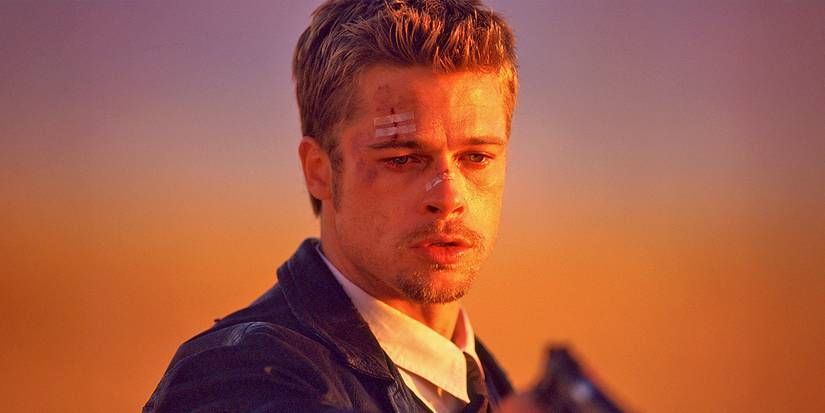
The ultimate cop-versus-killer mind game comes in the mind-blowing Se7en. Directed by David Fincher, the thriller follows two homicide detectives, William Somerset (Morgan Freeman) and David Mills (Brad Pitt), as they hunt a sadistic serial killer (Kevin Spacey) whose murders are inspired by the seven deadly sins. As the hunters dive further into the mystery, Se7en paints a terrifying portrait of human morality. Se7en builds suspense through a dark, claustrophobic atmosphere in a gritty, unnamed city where dread and hopelessness are the moral of the story.
Fincher builds a world where a dreary color palette, constant rain, and a claustrophobic locale evoke the mood revolving around the protagonists. It’s an unsettling atmosphere to work under, but the crimes they’re pursuing are graphic in nature and completely demoralizing. We don’t get to see the crimes, so filling in the blanks becomes a horrifying game. Spacey’s John Doe is a calculated mastermind whose compelling final act wrapped up the story perfectly. The film’s epic finale remains one of the greatest in cinema history. The final confrontation is a devastating trap that subverts traditional Hollywood resolutions with a bleak, emotional gut-punch.
5
‘Vertigo’ (1958)
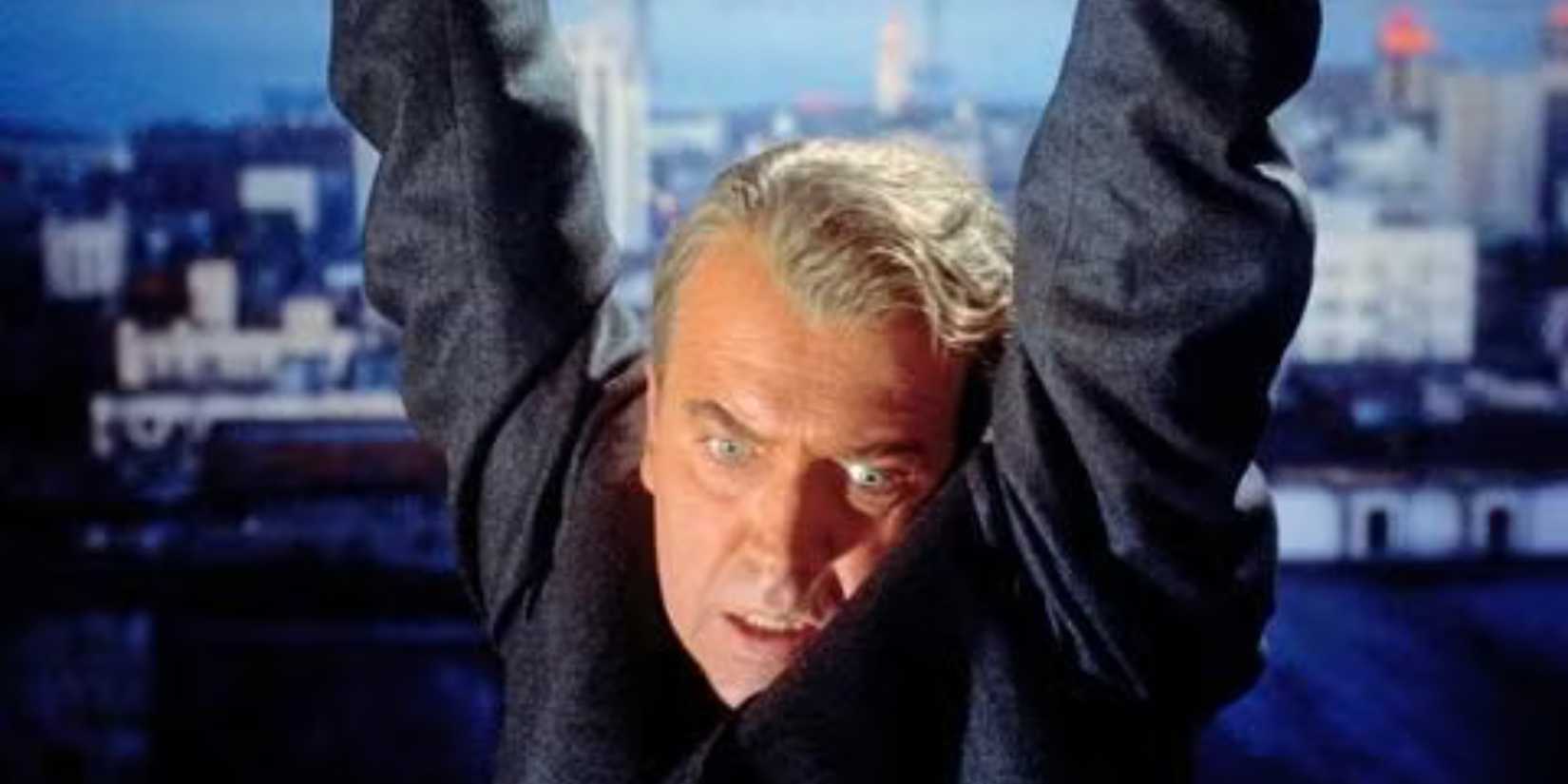
Alfred Hitchcock invented a new way of filming that will forever be tied to his masterpiece, Vertigo. The titillating thriller follows retired detective John “Scottie” Ferguson (James Stewart), whose fear of heights is triggered when he becomes dangerously obsessed with Madeleine (Kim Novak), a woman he was hired to follow at the request of her husband, Gavin Elster (Tom Helmore). Scottie trails Madeleine, falling in love in the process, only for a shocking twist to reveal the truth about Gavin and Madeleine. Vertigo transforms a standard mystery into a deeply haunting exploration of human obsession, guilt, and the toxic nature of romantic illusion.
Vertigo taps into fears many viewers share. But the film’s influence on filmmaking is much bigger. Hitchcock’s innovation from the film is the “vertigo effect,” better known as the dolly zoom. The effect simultaneously zooms in while dollying out. This allowed Hitchcock to drop the audience inside Scottie’s terrifying experience of acrophobia. Hitchcock uses intense, expressive lighting and recurring color motifs for Scottie to navigate through. Vertigo doesn’t hide the twist for too long, allowing the story to shift to Scottie’s psychological breakdown as he tries to forcefully recreate a dead woman out of a living one. There are many sensational Hitchcock films; this is the very best.
4
‘Parasite’ (2019)
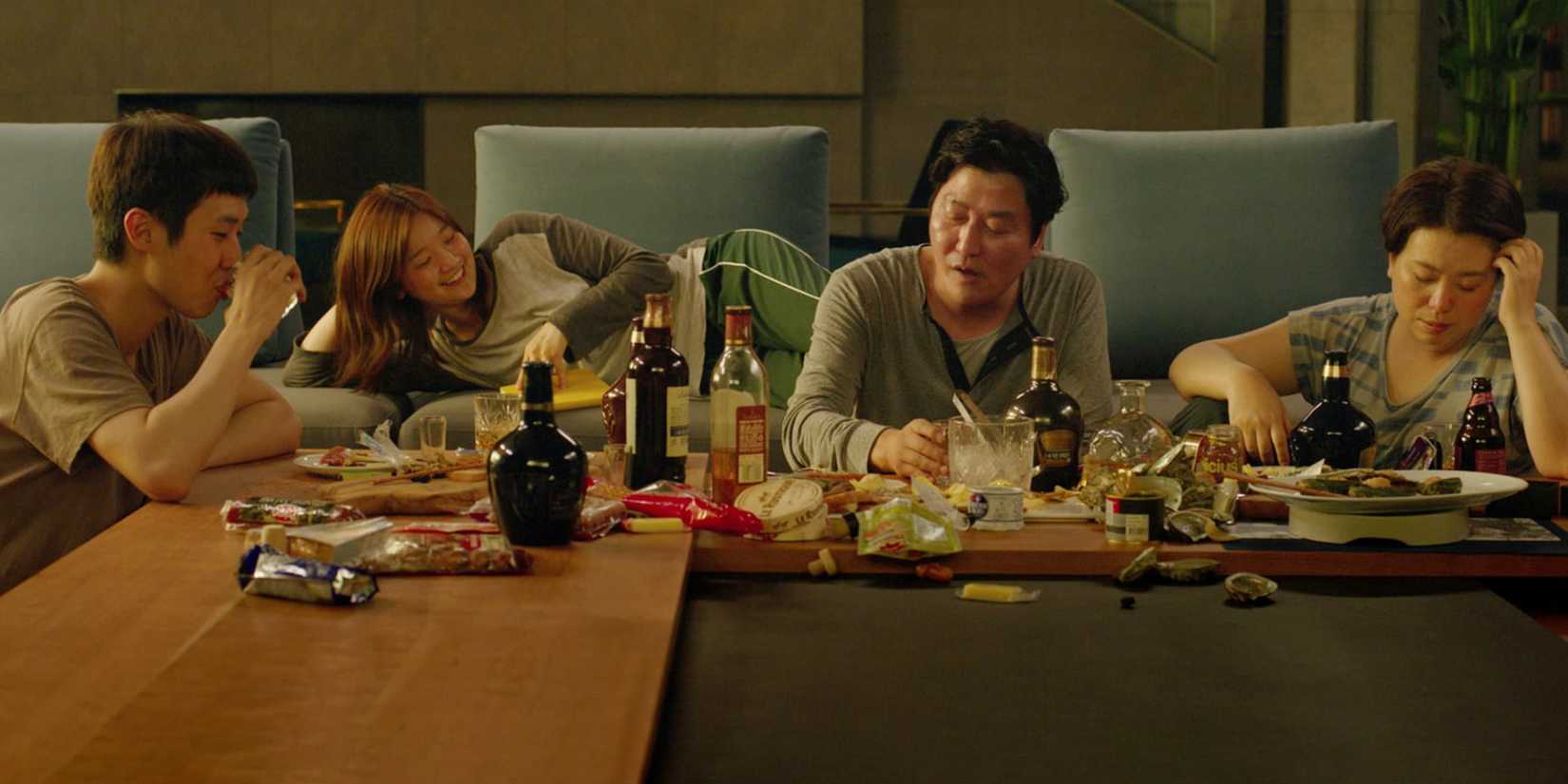
It’s a battle of the social classes in Bong Joon-ho’s game-changing dark comedy thriller Parasite. The Oscar-winning film centers on the Kim family, a struggling, poor family, who infiltrates the lives of the wealthy Park family. While enjoying the perks of the Park’s home, the family eventually discovers a dark secret hidden in the basement that threatens their scam, turning it into a violent nightmare. Showcasing the discrepancy of the rich and the poor, Parasite highlights how the wealthy rely entirely on the labor of the poor while remaining wistfully unaware of their everyday strife. Parasite uses biting commentary to describe how a competitive economic system forces desperate people to fight one another just to survive.
Parasite blends a believable, high-stakes con game with a harrowing exploration of class struggle and the human desperation that comes with it. What begins as a witty dark-comedy heist swiftly becomes a tense thriller with a bloody finale. Bong swiftly shifts the mood effortlessly, proving that the descent into chaos can come when least expected. It represents those at the bottom of the food chain who desperately try to claw themselves out, only to face more hurdles in their path. The film is grounded in realism, as this could be any ordinary family at both ends of the class spectrum. There are no heroes or villains; only individuals stuck in a pressure cooker. Parasite proudly brought foreign language films into the mainstream, changing the genre forever.
3
‘Get Out’ (2017)
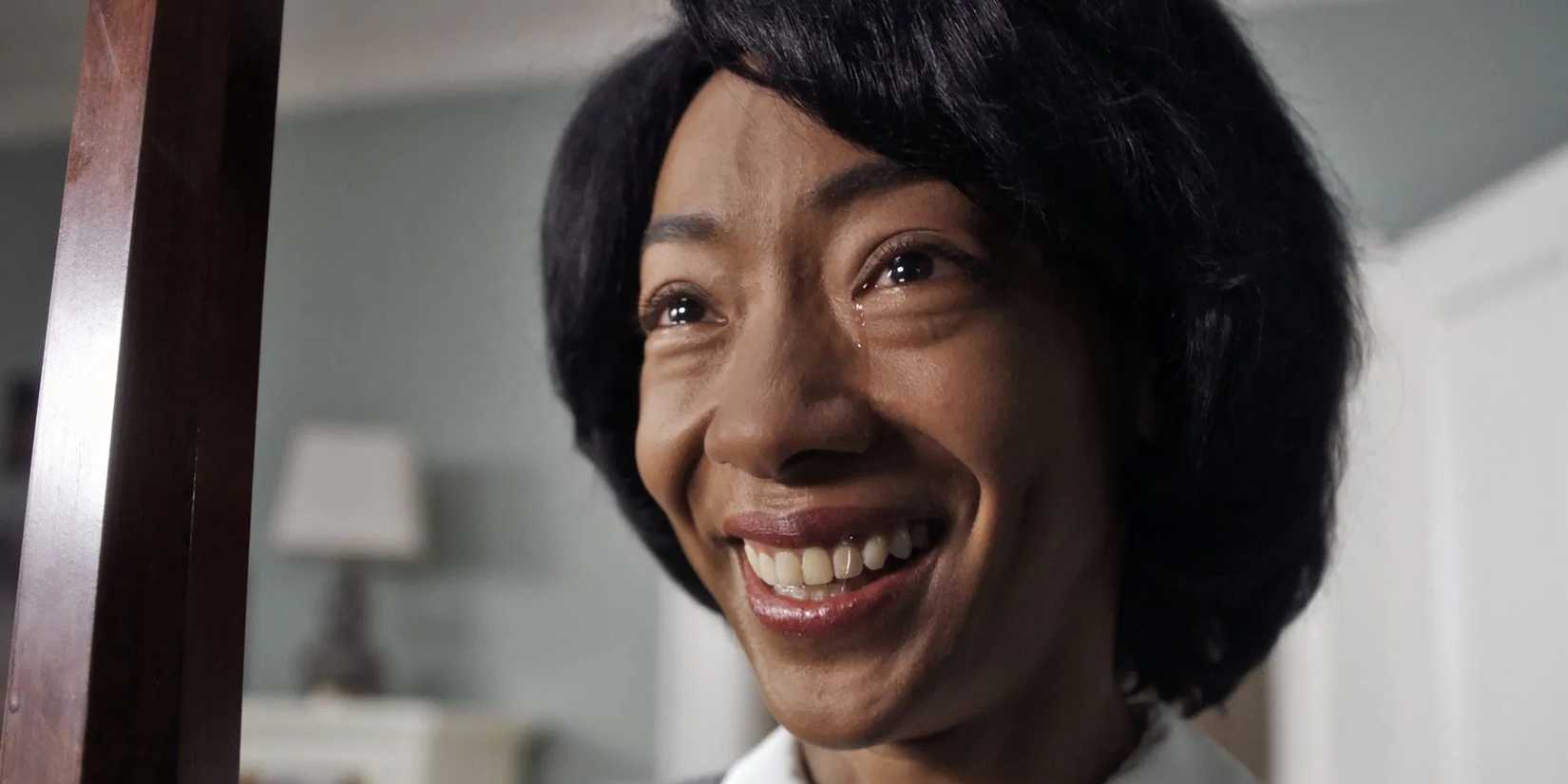
Mixing a brilliant social commentary with a high-tension psychological thriller, Get Out flipped the script on traditional horror tropes. Directed by Jordan Peele, Get Out tells the story of a young Black photographer, Chris Washington (Daniel Kaluuya), who takes a trip to visit his white girlfriend Rose Armitage’s (Allison Williams) family’s secluded country estate. As the weekend carries on, Chris discovers a terrifying plot where wealthy white individuals have their consciousness surgically transplanted into the bodies of healthy Black bodies. He now must fight to survive.
Using psychological paranoia and gaslighting as a means to scare, Get Out traps the audience in a story where the “monster” is the performative act of well-meaning neighbors who overcompensate to prove they’re not prejudiced. Get Out showcases how microaggressions escalate before the Sunken Place is introduced as an allegory for the loss of agency. Peele builds tension through lingering and subtle moments. The world he establishes seems ordinary, only for the mask to whisk away into an uneasy environment where sinister forces lurk within the surrounding individuals.
2
‘Inception’ (2010)

There are certainly many extraordinary Christopher Nolan films, but in the world of psychological thrillers, it doesn’t get much better than Inception. The multi-layered heist thriller tells the story of professional thief Dom Cobb (Leonardo DiCaprio), who is given a mission to perform inception and plant an idea into the mind of CEO Robert Fischer (Cillian Murphy) in exchange for a clean criminal record. Plagued by trauma and grief, Cobb assembles a team of specialists who go deep within dream layers to complete his mission. Inception brilliantly blends illusion and reality in a high-concept, ticking-clock thriller.
Inception showcases Nolan at his finest, marrying a brilliant concept with a tangible production. With practical effects, a stunning score by Hans Zimmer, and an all-star ensemble willing to play, Nolan presented an intellectually sound narrative that was thoroughly gripping. Even at the end, as the totem kept spinning, it left audiences debating it to this day. Inception is a beast of a film that gets better with every watch.
1
‘The Silence of the Lambs’ (1991)

Award show victories don’t necessarily define greatness, but for The Silence of the Lambs, it was simply icing on the cake. Based on Thomas Harris‘ novel, the film tells the story of Clarice Starling (Jodie Foster), a fledgling FBI trainee who seeks out the assistance of imprisoned serial killer Hannibal Lecter (Anthony Hopkins) to catch another active murderer. Lecter only agrees to give clues through a quid pro quo where Clarice exchanges traumatizing personal details about her childhood. A gripping thriller that uses intense mind games to build extraordinary tension, The Silence of the Lambs is a thrilling classic.
Director Jonathan Demme brings a claustrophobic feeling to the screen through his shot framing. By using extreme close-ups on actors staring down the barrel, viewers feel as if they are just as exposed and intimately a part of the psychological mind games. The film masterfully focuses on Clarice’s journey. Not only is she forced to rehash her past, but she fights against a male-dominated world she must navigate. Foster does remarkable work, especially in her scenes with Hopkins, who embodies pure terror. Horror doesn’t get quite better than The Silence of the Lambs.

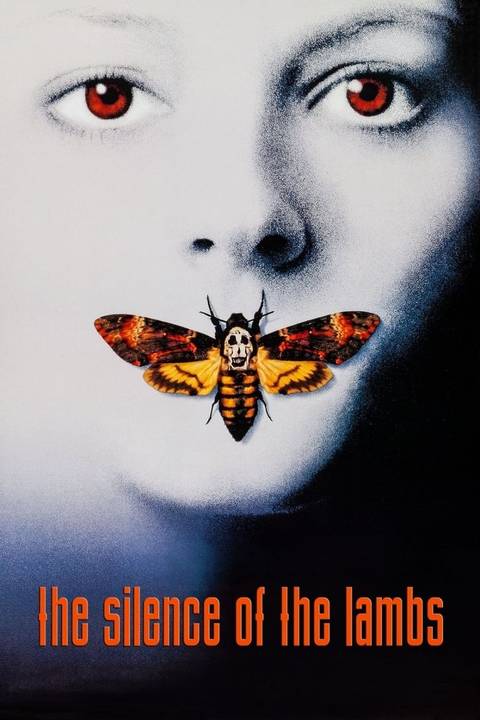
The Silence of the Lambs
- Release Date
-
February 14, 1991
- Runtime
-
119 minutes
- Director
-
Jonathan Demme
- Writers
-
Ted Tally, Thomas Harris
You must be logged in to post a comment Login