Entertainment
The 10 Greatest Sci-Fi Books of the Last 15 Years, Ranked

Science fiction is alive and well in the modern day. After all, over the last 15 years, the world has been treated to several books that are bound to go down in history as some of the best sci-fi books of the 21st century. Whether it’s an epic space opera, a science fantasy dystopia, or any other kind of science fiction story, these exceptional books prove that the genre is just as healthy today as it has always been.
From massively successful standalone titles like The Martian to big series installments like Leviathan Wakes, the best sci-fi books that bookworms have been treated to from 2011 until the present should all be considered essential reading for fans of the genre. They’re intelligent, imaginative, irresistibly entertaining, and everything that a science fiction lover could possibly want out of a novel.
10
‘The Deluge’ (2023)


For people who love science fiction about societal collapse and the end of the world, Stephen Markley is a must-read author. A very solid starting point to dive into his work is his latest novel, the hugely acclaimed 900-page climate-fiction gem The Deluge. Cli-fi has become one of sci-fi’s most prolific subgenres as the climate crisis keeps growing more and more pressing, and The Deluge is one of the best books that cli-fi has ever had to offer.
The book is an epic with precisely the kind of sprawling scope and scale that you’d expect from a book that’s nearly a thousand pages long. Thematically, it’s not just about the climate, with it also dealing with themes of political extremism and general social decay. Add to that a richly complex character-driven narrative and Markley’s viscerally realistic and experimental prose, and you get one of the best sci-fi books of the 2020s so far.
9
‘The Martian’ (2011)

Whereas soft science fiction is more focused on characters, emotions, and soft sciences like politics and sociology, hard science fiction is all about scientific rigor and sticking to the laws of physics. As far as contemporary hard sci-fi goes, few authors are doing better work than Andy Weir, whose The Martian is far and away one of the best techno-thriller books of all time.
Originally published chapter by chapter on Weir’s personal blog, The Martian stands out as one of the most accessible hard sci-fi books of the last 15 years. It’s technical and scientifically accurate enough to satisfy even the most demanding hard sci-fi lover, but it also tells its story with such charm, wit, and humor that more general readers should also find it fascinating. It’s as much of a love letter to human ingenuity as it is to the science fiction genre itself.
8
‘All Systems Red’ (2017)


Martha Wells‘ The Murderbot Diaries is one of the best sci-fi book series of the last decade, and its first installment, All Systems Red, may still be the peak of the series so far. At just a little over 150 pages long, this winner of the Nebula and Hugo Awards for Best Novella should be a deliciously breezy read in a single weekend. Indeed, it’s such an addictive page-turner that it feels like there isn’t really any other way to read it.
Aside from introducing the world to Murderbot, one of the most charming protagonists and narrators that science fiction literature has seen in years, All Systems Red brilliantly blends its high-stakes adventure with an exquisitely humorous tone of voice that doesn’t get tiring at any point. All in all, it’s one of the best sci-fi books of the past 20 years, perfectly paced and with a faultless balance between sardonic satire and clever sci-fi elements.
7
‘Station Eleven’ (2014)

Canadian literature has plenty to offer in the speculative fiction department, and dystopian science fiction is no exception, as perfectly demonstrated by Emily St. John Mandel‘s Station Eleven. Before it inspired one of HBO’s best miniseries of the 21st century, it was one of the best books published since 2010, a post-apocalyptic masterpiece that proves that the dystopian genre can be gentle and still deliver an unforgettable experience.
Indeed, Station Eleven twists the sci-fi dystopia subgenre on its head by rejecting the usual grim tone that dominates these kinds of stories. Instead, it delivers a poignant reflection on how art and human connections become essential for survival in the face of a terrible crisis. Mandel’s writing is powerfully subtle throughout, allowing the multi-POV structure of its narrative to shine all the brighter.
6
‘A Desolation Called Peace’ (2021)

Arkady Martine (the pen name of AnnaLinden Weller) made history when both books in her debut duology, the Teixcalaan Series, won the Hugo Award for Best Novel. A Memory Called Empire is nothing short of a masterpiece, but its sequel, A Desolation Called Peace, goes so far as to be one of the most perfectly written sci-fi book masterpieces of the last 15 years. The whole duology helped redefine the space opera genre for 2020s readers, but the second installment of the series in particular packs a hell of a punch.Desolation Called Peace, which also won the Locus Award, deconstructs the space opera genre by moving its flashier, most heroically epic conventions to the background. Instead, the book invites the reader to examine the most profound linguistic, political, and philosophical implications of a first contact event. But far from being subversive just for the sake of being subversive, it’s a wonderfully nuanced and entertaining novel with some of the most elaborate prose the genre has seen in years.
5
‘Children of Time’ (2015)

Adrian Tchaikovsky is one of the most consistently engrossing voices in modern-day speculative fiction, celebrated for his profound thematic work and his intricately detailed world-building. Case in point: Children of Time, which won the Arthur C. Clarke Award and was even compared to the “universal scale and sense of wonder” of Clarke himself by the director of the award program. It’s no small compliment for a novel that deserves all the praise it gets.
Children of Time is one of the best sci-fi books of the last 25 years, the first in the series that carries its title. People who love the surprisingly prolific “giant alien bug invasion” subgenre of space sci-fi are bound to love Children of Time, since it’s a twist on those kinds of stories that benefits greatly from Tchaikovsky’s background in both zoology and psychology. With layered complexity, he crafts an absolutely fascinating alien culture that completely reframes how the alien invasion genre typically works. “Humans are the actual monsters” is a common trope in science fiction, but Tchaikovsky dissects it with noteworthy nuance.
4
‘Leviathan Wakes’ (2011)
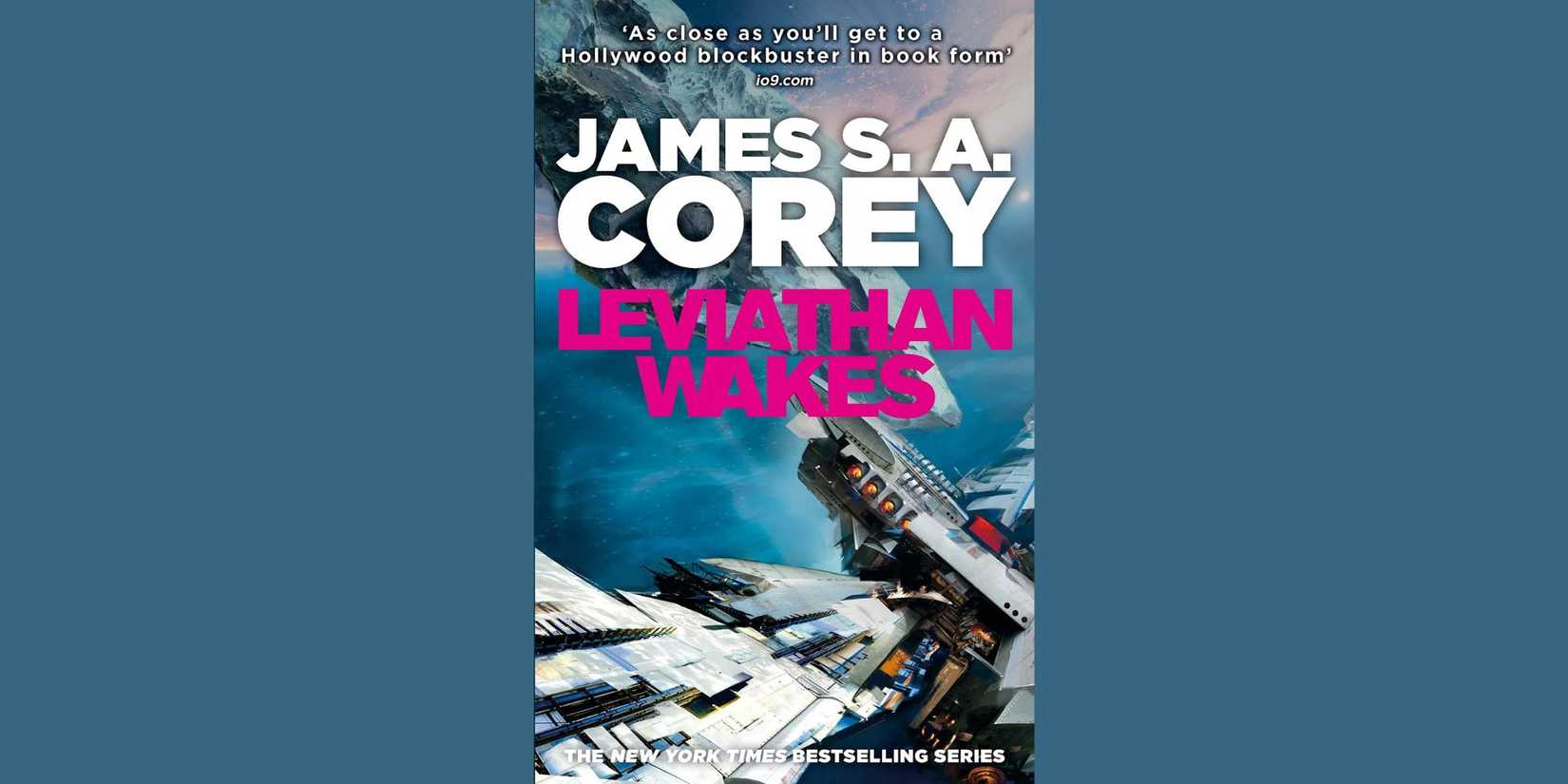
Leviathan Wakes is the first book in The Expanse Series, written by Daniel Abraham and Ty Franck under the pen name James S. A. Corey. Inspired by a hugely detailed tabletop RPG Franck had developed, the book’s very core and DNA—from its structure to its plot to its character development—feel every bit as addictive as the most entertaining RPG imaginable. From start to finish, Leviathan Wakes is such a hard book to put down that reading its sequels becomes immediately tempting.
But as phenomenal as the sequels are, there’s a strong argument to be made that Leviathan Wakes is the one most worthy of being counted among the best sci-fi books of the last 15 years. It’s one of those sci-fi books that are perfect from the first page to the last, a space opera whose relative scientific realism, fascinating worldbuilding, and seamless blend of genres made it entirely deserving of the Hugo and Locus Awards it was nominated for.
3
‘Project Hail Mary’ (2021)
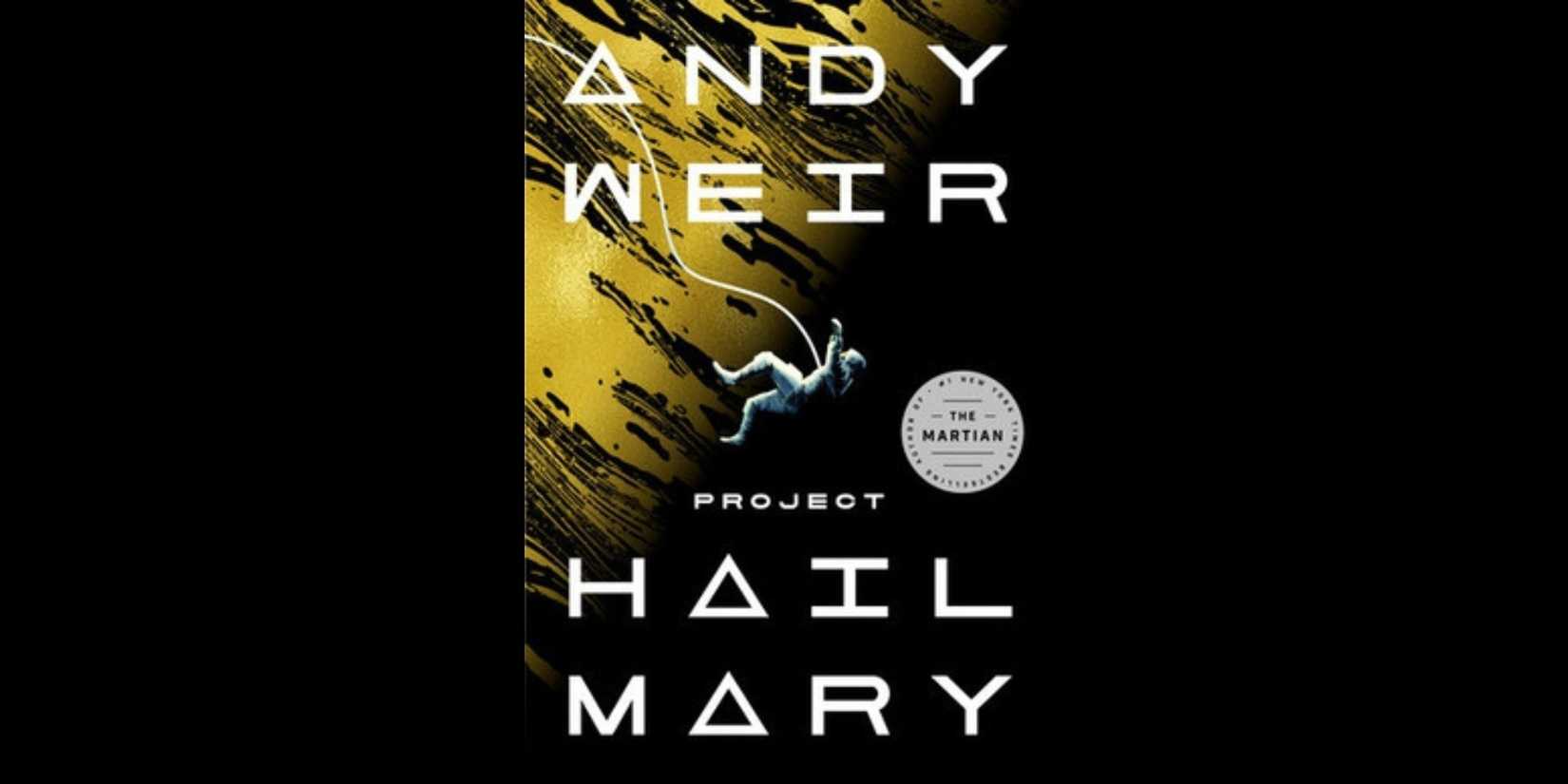
As if any more proof were needed that hard science fiction fans should be thankful for Andy Weir’s mere existence, there’s Project Hail Mary, which by this point seems like one of the most essential sci-fi books for beginners. If The Martian was great for those uninitiated in the world of hard science fiction, then Project Hail Mary saw Weir perfect that formula, crafting a book that should be equally satisfying and compelling for die-hard fans of the genre and those who are only slightly familiar with it.
It’s a masterfully paced survival thriller that makes science and the scientific method seem like the most exciting things in the universe, all thanks to Weir’s unique eye for detail, wonderfully accessible prose, and endless optimism. And with a first contact story that’s surprisingly emotional as the cherry on top, it’s no wonder why Project Hail Mary quickly became a pop-cultural sensation well before the release of this year’s movie adaptation.
2
‘Golden Son’ (2015)

Pierce Brown‘s dystopian sci-fi book series Red Rising is one of the most masterful the genre has seen throughout the 21st century, one of those sci-fi book series that are a masterclass in worldbuilding. But as close to perfection as the original Red Rising and all of its sequels are, there’s one particular book in the series that stands out above most other sci-fi books from the 21st century: Golden Son, the second installment in the series.
Sophomore slump? Brown has apparently never heard of such a thing. Golden Son is a masterpiece so full of shocking curveballs and fascinating creative decisions that it’s hard to believe what one is reading throughout those 464 pages. Brown transforms the series from Red Rising‘s more localized dystopia into a staggeringly sprawling space opera unlike any other that literature has seen in over a decade. Golden Son is a clear choice as the single greatest space opera book of the last 15 years.
1
‘The Fifth Season’ (2015)
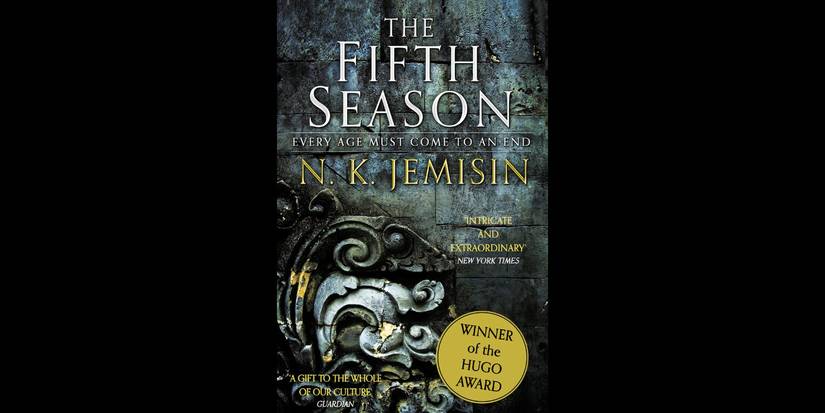
Some people love science fiction; other people love fantasy. Mix the two, and you get science fantasy, a genre that, if done right, can be among the most deliciously satisfying that speculative fiction has to offer. There are plenty of books worthy of being counted among the best science fantasy books of all time, and as far as the genre’s output throughout the last 15 years goes, there’s a clear winner: N. K. Jemisin‘s The Fifth Season.
It’s the inaugural volume of Jemisin’s Broken Earth Series, which became the first trilogy in history whose every book won the Hugo Award for Best Novel in consecutive years. It was a well-deserved honor, too, particularly regarding The Fifth Season. Structurally fascinating, delectably experimental, and full of incredibly immersive worldbuilding, it’s the peak of what sci-fi has had to offer since 2011.
You must be logged in to post a comment Login