Entertainment
The 10 Most Influential Books of the 20th Century, Ranked

The 20th century as a whole was far and away one of the most transformative eras in the history of literature. The art form was reshaped in innumerable ways between 1901 and 2000 by groundbreaking fiction novels like The Lord of the Rings and non-fiction masterpieces like The Structure of Scientific Revolutions. But while there are hundreds—if not thousands—of books that had a particularly noteworthy level of influence throughout the 20th century, those two are among ten books from the era whose impact was particularly huge.
There are numerous ways in which a book’s level of influence can be measured, often greatly depending on what kind of book it is. It can be a speculative fiction masterpiece that completely revolutionized the way future authors approached the genre, while an environmental science non-fiction book’s influence is perhaps better measured by its level of real-world impact. Regardless, the 20th century’s most influential books are still essential reading today.
10
‘The Structure of Scientific Revolutions’ (1962)


While many of the 20th century’s most hugely influential books were fiction, there were also plenty of non-fiction books that left an indelible mark on the era’s literary output. Case in point: historian and philosopher Thomas S. Kuhn‘s The Structure of Scientific Revolutions, where the author challenged the then-dominant view of scientific progress as a cumulative bundle of accepted theories, instead arguing in favor of an episodic model of alternating phases.
Nowadays, the ideas introduced by Kuhn here may not seem quite as novel anymore, but The Structure of Scientific Revolutions still reads as an absolutely brilliant cultural blueprint, one of those non-fiction books that are still a must-read in 2026. Its most influential contribution was the concept of paradigm shifts, one of the many reasons why this is essential reading not just for scholars, but for anyone interested in the history of modern science.
9
‘Things Fall Apart’ (1958)

Throughout literature’s Victorian era and well into the first half of the 20th century, African texts were mostly dismissed by Western institutions as mere folklore, and English-language authors mostly wrote about Africa through an intensely colonial lens. Nigerian author Chinua Achebe‘s debut novel, Things Fall Apart, helped shift that narrative toward a far more authentic and less stereotype-heavy perspective hailing directly from Africa.
African literature as a whole was never the same again, nor was its reception on the international scene. Things Fall Apart, the first chapter in Achebe’s African Trilogy, is one of the most translated works of African literature in history. From pushing postcolonial studies forward to inspiring countless African authors to reclaim their native perspective, Things Fall Apart can’t be ignored as an essential piece of 20th-century literature.
8
‘The Great Gatsby’ (1925)
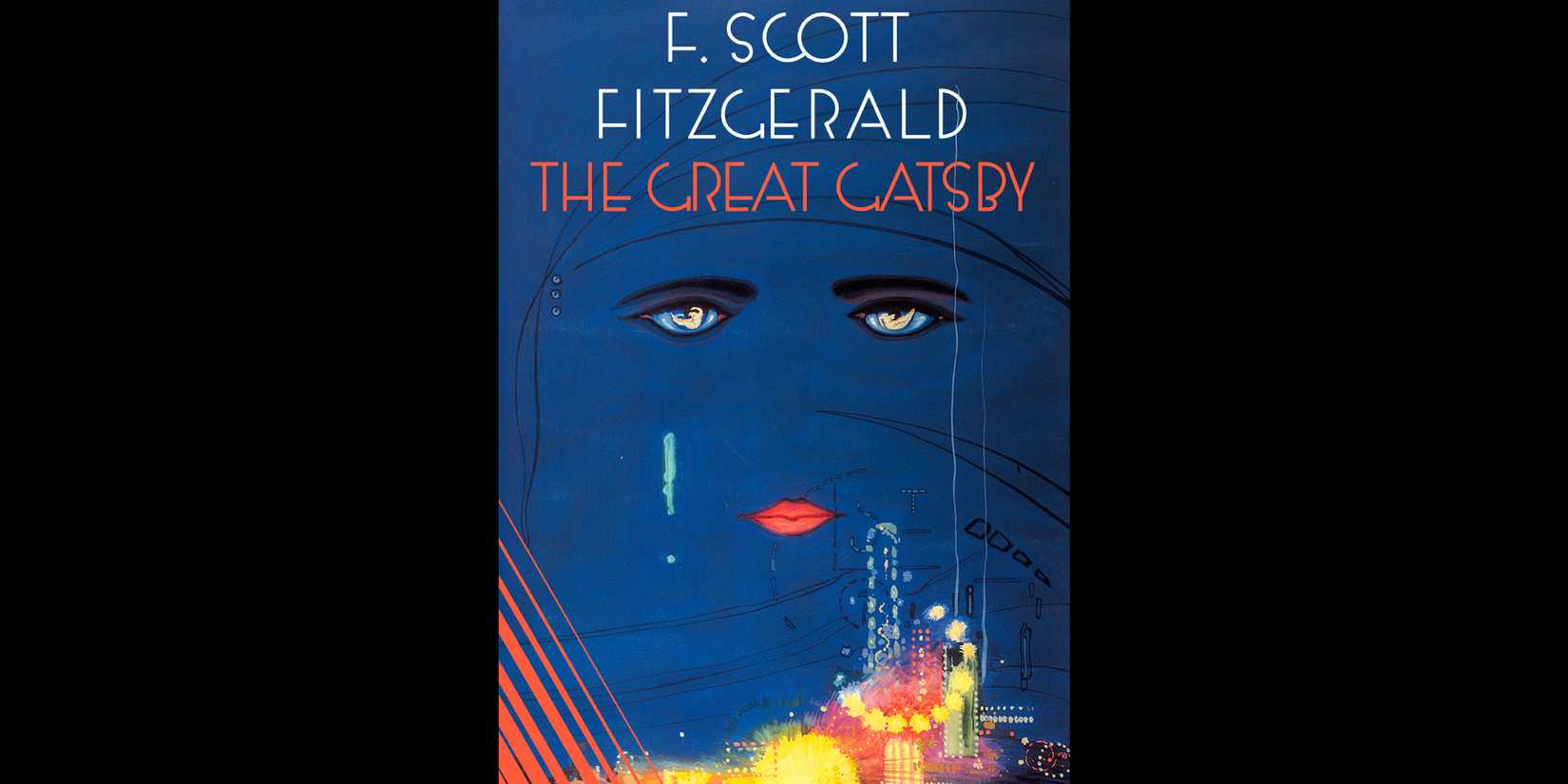
What is The Great American Novel? It’s a debate that has been going on since the mid-19th century, and with the United States having produced so many internationally influential masterpieces over the years, it’s a debate that will never have any one definitive answer. One of the books most often brought up in that conversation, however, is F. Scott Fitzgerald‘s The Great Gatsby, a tragedy novel inspired by a romance Fitzgerald shared with socialite Ginevra King in his youth.
Fitzgerald was only 29 years old when the book was published, and even though it was a commercial disappointment (leading Fitzgerald to die believing himself to be a failure), the years have been nothing but kind to both it and Fitzgerald’s whole legacy. It was after the Council on Books in Wartime distributed over 150,000 free copies to American soldiers overseas during World War II that the novel’s readership was catapulted into the stratosphere. With that, by the late 20th century, The Great Gatsby had already become entrenched in international literary pop culture, one of the most defining masterworks ever written about wealth, class, and the American Dream.
7
‘To Kill a Mockingbird’ (1960)
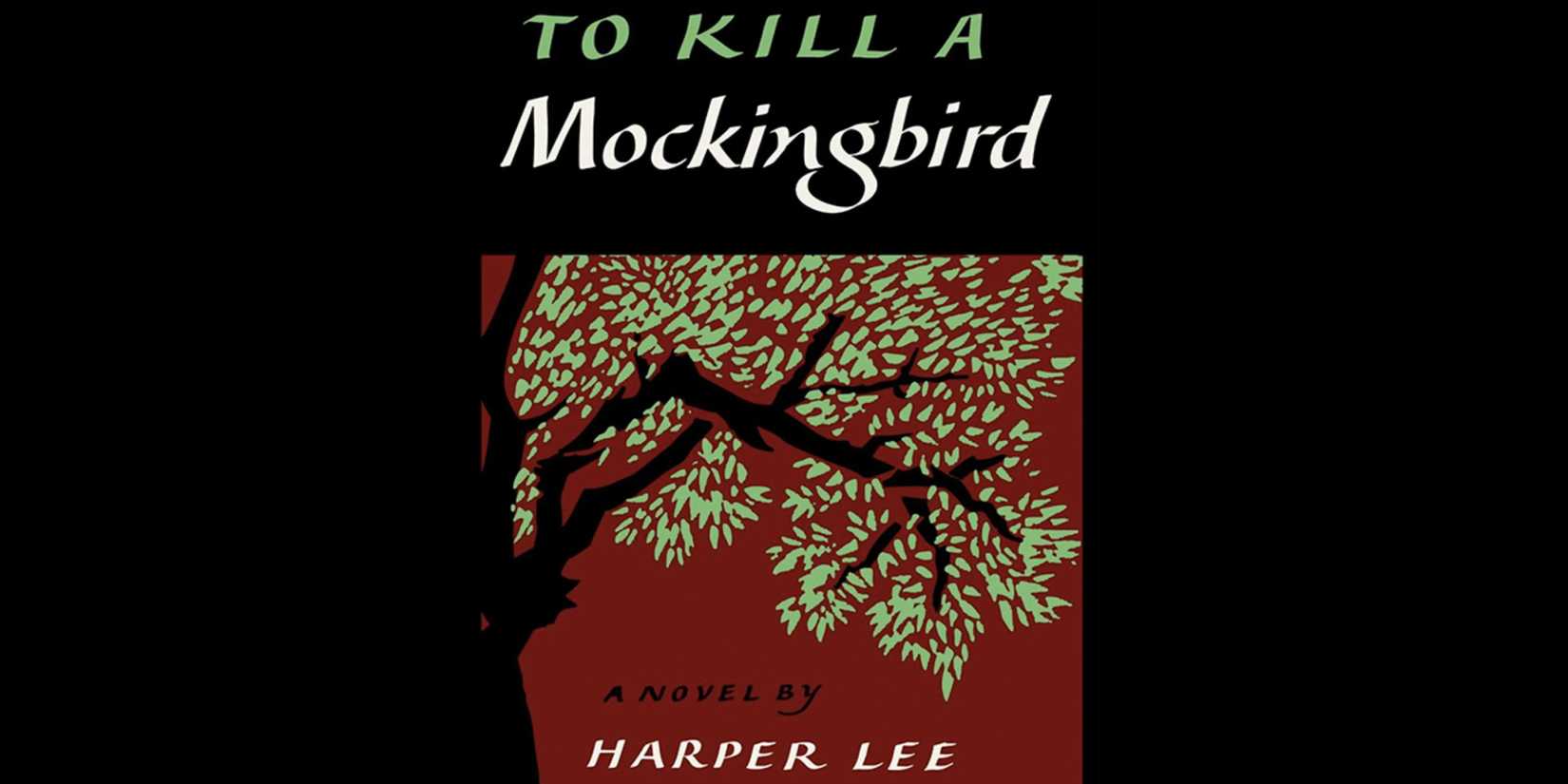
Harper Lee was an immensely important figure for 20th-century American literature, mostly thanks to the Pulitzer-winning To Kill a Mockingbird. This Southern Gothic masterpiece was an instant hit, and as the years have passed, it still continues to be widely remembered as one of the best American books of the last 100 years.
To Kill a Mockingbird is generally regarded as one of those books that everyone should read before they die, and for good reason. Published right as the Civil Rights Movement was gaining momentum, the novel proved the level of depth and nuance with which American books could study topics like racial prejudice, injustice, and empathy. Though there are definitely elements of the novel that haven’t aged the best by modern standards, they only add further nuance to the conversation on why To Kill a Mockingbird is one of the most influential books of the 20th century.
6
‘Silent Spring’ (1962)

In the late 1950s, Rachel Carson started working on environmental conservation, and from that long period of research came Silent Spring. This unprecedented masterpiece of environmental science literature is mainly focused on the environmental harm caused by the indiscriminate use of DDT, a pesticide that soldiers used during WWII. Due to its critiques of the chemical industry, plenty of companies spoke out fiercely against Carson’s work upon Silent Spring‘s publication, but their complaints were for naught.
Silent Spring was nothing if not hugely successful in bringing issues of environmentalism to the public. Its immediate impact was most strongly felt in the United States, where it led to widespread legislative change. Even around the world, however, the book has proven massively influential, helping spark public awareness around the use of pesticides and boosting the global fight for protecting the environment.
5
‘One Hundred Years of Solitude’ (1967)


Sometime between the 1960s and 1970s, Latin America became the epicenter of world literature, benefiting from a literary explosion that catapulted the masterpieces of authors like Gabriel García Márquez into international prominence. There’s really no question as to which one of this legendary Colombian author’s works is most foundational, though: it has to be One Hundred Years of Solitude, arguably the most important Spanish-language book since Don Quixote—and certainly the most influential.
It was mainly magical realism that made Latin American literature so universally acclaimed throughout the late 20th century, so it’s no wonder that One Hundred Years of Solitude is one of the best magical realism books of all time. The book further enshrined this fantasy subgenre as a major literary force and helped shape generations of global talent. Márquez was awarded the Nobel Prize in Literature in 1982, and One Hundred Years of Solitude was a major reason why.
4
‘The Diary of a Young Girl’ (1947)

Commonly known as The Diary of Anne Frank, The Diary of a Young Girl is a book collecting the diary entries that German-born Jewish girl Anne Frank wrote while hiding for two years with her family during the Nazi occupation of the Netherlands. Though Anne died in the Bergen-Belsen concentration camp in 1945, her diaries were retrieved and delivered to her father, Otto Frank, who edited the text himself and ensured that her writing was shared with the world.
It’s one of the most heartbreaking books of all time, and though it proved hugely influential for the memoir genre as a whole, much of its influence came outside of the realm of literature. On top of helping to humanize the victims of the Holocaust, the book has become absolutely vital in understanding the psychological effects and the pure human cost of genocide. Across literature, education, international human rights, and the world’s understanding of the Holocaust, Diary of a Young Girl has proven to be one of the most influential non-fiction works of modern times.
3
‘The Lord of the Rings’ (1954–1955)

There are remarkably few fantasy books that rival The Lord of the Rings, and that’s because J. R. R. Tolkien‘s magnum opus completely changed the course of not just fantasy literature, but speculative fiction as a whole. Originally published in three volumes, this Hero’s Journey epic was actually not as much of a critical darling back in the ’50s as The Hobbit had been back in the ’30s. It was over the years that Lord of the Rings kept establishing itself not just as an undisputed masterpiece, but as the single most important fantasy novel of the 20th century.
It’s not just that Tolkien reshaped the way authors approached fantasy, establishing the blueprint for countless tropes in ways whose influence can still be felt today. The Lord of the Rings completely transformed pop culture itself, from tabletop RPGs to cinema, helping popularize speculative fiction within the mainstream like the world had never seen before. For several decades following the ’50s, pretty much any high fantasy epic that was published was either intentionally similar to Lord of the Rings or an intentional subversion of the rules it laid down.
2
‘Ulysses’ (1922)

If there is any one book from the 20th century that’s most often labeled as the era’s single greatest work of fiction, it’s James Joyce‘s Ulysses, one of those books that are an absolute masterclass in prose. Originally serialized in the American journal The Little Review between 1918 and 1920, the book was finally published in book form in Paris in 1922. Modernist literature saw writers reject traditional styles to reflect a world transformed by war and industrialization, and Ulysses is typically praised as the best and most important modernist novel ever.
This is a truly monumental paragon of 20th-century literature, written and structured like a stream of consciousness. Never before had the world read a novel so psychologically complex, so stylistically daring, and so gleefully transgressive. By mapping the mundane events of a single day in a character’s life in Dublin onto Homer‘s The Odyssey, Joyce not only proved that 20th-century folks’ ordinary lives could be as mythical as any ancient epic, but also that literature was readying itself for more dramatic transformations than it had ever seen.
1
‘1984’ (1949)

The debate on what the most influential book of the 20th century is is one where no singular answer could possibly satisfy everyone, but it’s quite likely that the most universally accepted response would be George Orwell‘s 1984. It was definitely not Orwell who invented dystopian literature, nor was 1984 even the first mega-influential dystopian masterpiece from the 20th century, but it sure was—and still is—the most culturally significant.
On the one hand, there’s the book’s impact purely on literature, having influenced countless artists who over the years have spoken out against totalitarianism, repression, and mass surveillance. Then, there’s the book’s overarching cultural impact, so large that it’s difficult to put into words. From introducing terms like “Big Brother” and “thoughtcrime” to the global lexicon, to the book’s timeless (and often referenced) warnings against fascism and oppression, to the birth of the also-often-referenced term “Orwellian,” 1984 has had a level of widespread influence that can’t be overstated.
You must be logged in to post a comment Login