Entertainment
The 10 Most Quintessential 2000s Blockbusters

Blockbuster movies have been a huge factor in how Hollywood functions. While the ‘90s served as a huge turning point in the expectations of blockbusters, the turn of the century took the baton and went even harder and faster. The 2000s played host to an assortment of incredible blockbusters, but there are only 10 titles that truly represent the decade.
From franchise-starting hits to game-changing cinematic experiences, these movies are how we fondly remember the turn of the century. Though there are many films that fall into the honorable mention category, these 10 tend to remain top of mind as pop culture-influencing masterpieces. How many did you see at the cinema, and moreover, how many did you own on DVD?
‘Avatar’ (2009)


James Cameron has never been a stranger to big-budget blockbusters, and Avatar was proof that the visionary still had the magical cinematic gift. The film follows Jake Sully (Sam Worthington), a paralyzed former Marine who joins a human mission to the alien moon of Pandora and fights to protect its native inhabitants, the Na’vi. Coming at the very end of the decade, Avatar served as the ultimate culmination of 2000s CGI advancement and the peak of the modern theatrical monoculture.
Avatar helped shift filmmaking in a new direction as virtual environments, 3D shooting, and an aggressive push into global markets became the new Hollywood frontier. The virtual camera system and facial-capture head rigs allowed for unprecedented emotional nuance in entirely digital characters. It may have borrowed common themes and storylines for a familiar tale, but the film is beloved for its revolutionary visual technology. At a time when major franchises were built around recognizable IP, Avatar proved original concepts could still prevail.
‘Finding Nemo’ (2003)

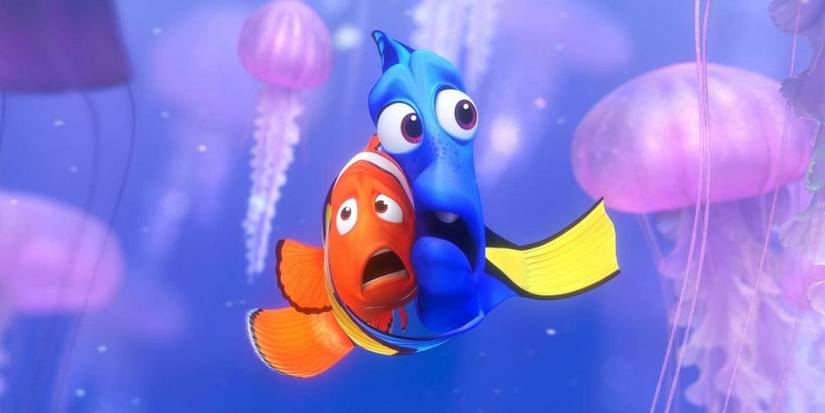
Though set underwater, Finding Nemo is an emotionally sound, resonant story about the anxiety of an overprotective parent. Produced by Pixar and released by Disney, it brought a new kind of adventure under the sea. The story follows an overprotective clownfish named Marlin (Albert Brooks) as he is joined by a forgetful regal blue tang named Dory (Ellen DeGeneres) to find his missing son, Nemo (Alexander Gould).
A massive global success with an Academy Award for Best Animated Feature— the first for Pixar—Finding Nemo brilliantly blends deep emotional themes, groundbreaking underwater animation, and a funny, fast-paced adventure that appeals to both children and adults. With iconic quotable lines that turned into profound mantras, Finding Nemo was bigger than just an animated classic. It set a new visual benchmark for 3D computer graphics, proving that digital animation could bring us anywhere our imagination could dream up.
‘Harry Potter and the Sorcerer’s Stone’ (2001)
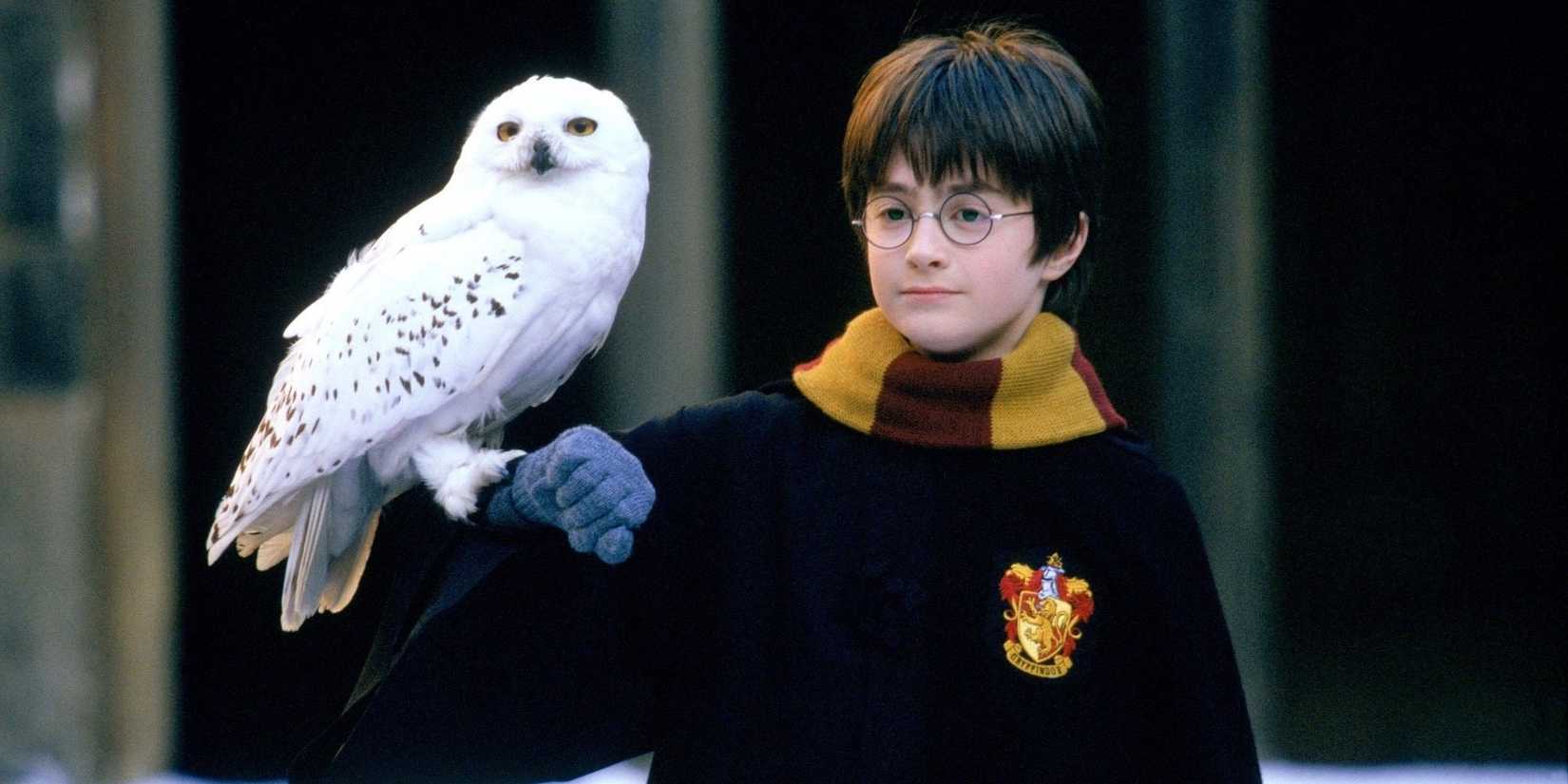
Very few franchises had quite a stronghold on pop culture like the Wizarding World. Lifted straight from the page, Harry Potter and the Sorcerer’s Stone follows young Harry Potter (Daniel Radcliffe), who learns he is a famous wizard and embarks on a whirlwind first year at Hogwarts School of Witchcraft and Wizardry, an English boarding school for magic. Alongside his new friends Ron Weasley (Emma Watson) and Hermione Granger (Rupert Grint), they uncover a plot involving the hidden Sorcerer’s Stone.
With a stellar ensemble of British faithfuls, a strong vision by Chris Columbus, and a whimsical score by John Williams, everything that could make this film brilliant was present. At the time, it finished as the highest-grossing film of 2001 and the second-highest-grossing movie in history at the time, behind Titanic, solidifying the viability of multi-film, decade-spanning adaptations. Growing up alongside the core cast, the franchise remains a special place in our hearts.
‘Iron Man’ (2008)
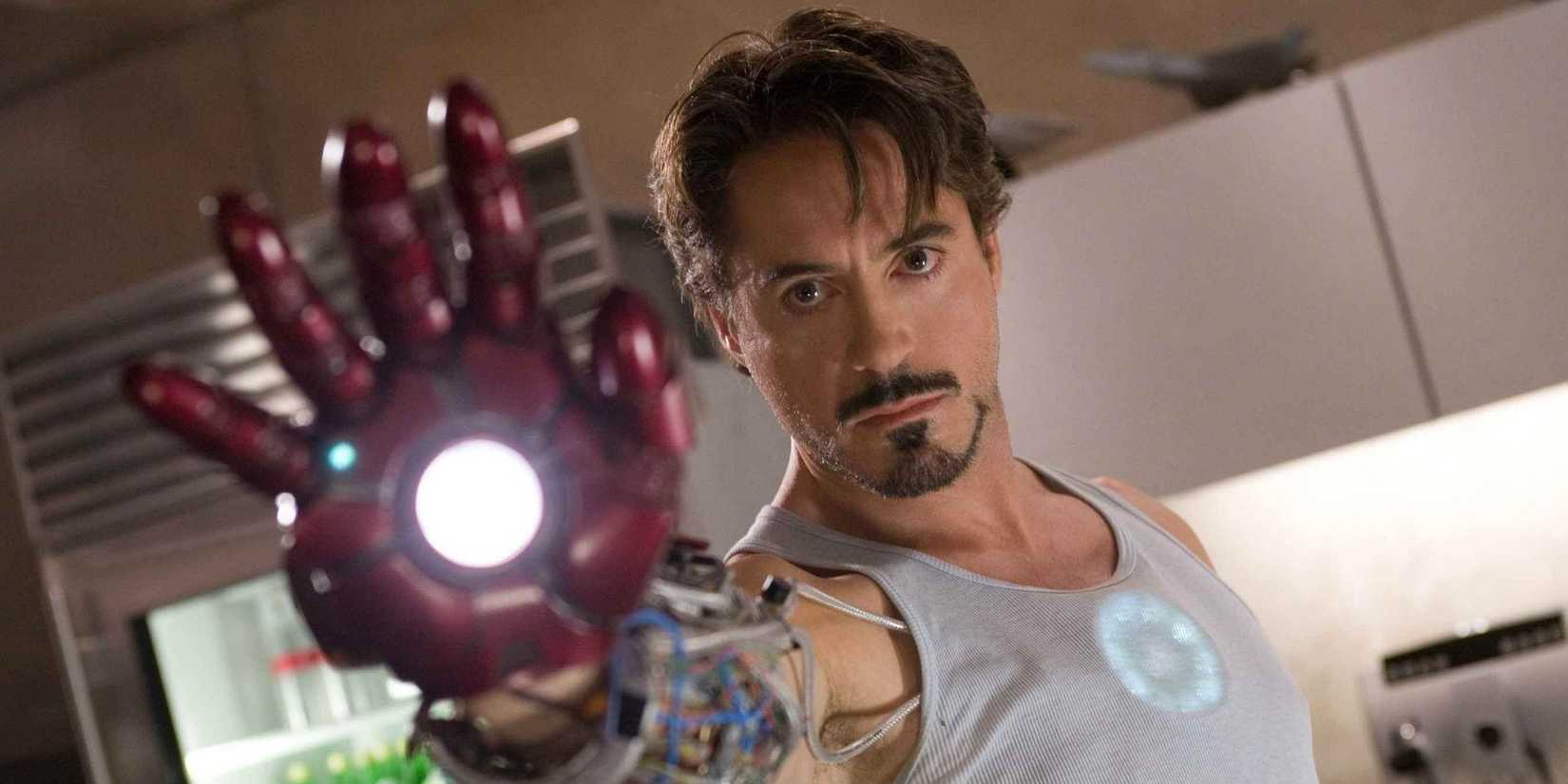
The truth of the matter is, had Iron Man not been a massive success, the Marvel Cinematic Universe wouldn’t be what it is today. Chronicling the origin story of the titular character, Tony Stark (Robert Downey Jr.) becomes Iron Man after he is captured by terrorists in Afghanistan and builds a high-tech suit of armor to escape. With a fresh origin story led by a career-defining performance, Iron Man was perfect in every way.
At a time when gizmos and gadgets like the iPhone were coming into play, Iron Man was a technically sleek film that pristinely captured the moment, focusing on realistic tech, gritty workshop sequences, and a balanced yet humorous tone. Directed by Jon Favreau, Iron Man tapped into a post-9/11 mindset by allowing a snarky hero to take the edge off reality, directly tackling American military intervention, war profiteering, and the fear of high-tech weapons falling into the hands of insurgent groups like the Ten Rings. When he proudly revealed, “I am Iron Man,” the entire superhero game was changed.
‘Pirates of the Caribbean: Dead Man’s Chest’ (2006)
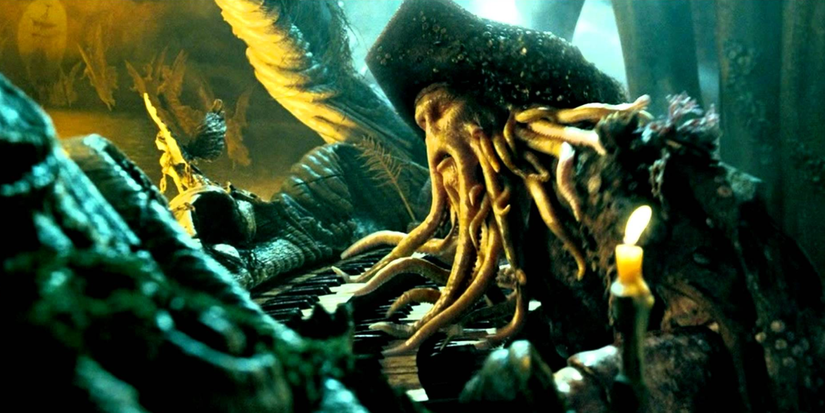
While the first film set up the franchise, it’s the sequel, Pirates of the Caribbean: Dead Man’s Chest, that truly took off. The swashbuckler adventure film directed by Gore Verbinski picks up as Captain Jack Sparrow (Johnny Depp) learns that his soul belongs to Davy Jones (Bill Nighy), the terrifying ruler of the ocean depths who captains the ghost ship Flying Dutchman. Hoping to escape his blood oath, Jack and Will Turner (Orlando Bloom) search for the mystical chest that holds Davy Jones’s beating heart as they dodge the Kraken.
The movie scaled up practical location shooting while enhancing its supernatural elements. The sequences with the Kraken defined the decade, and the photorealistic CGI creation of Davy Jones won a richly deserved Academy Award for Best Visual Effects. Depp continued to elevate his eccentric character, ensuring he wasn’t just a one-hit wonder, and the entire cast also lived up to the standard. Though it did end on a cliffhanger, its mammoth success ensured audiences would be back for the next iteration.
‘Spider-Man’ (2002)
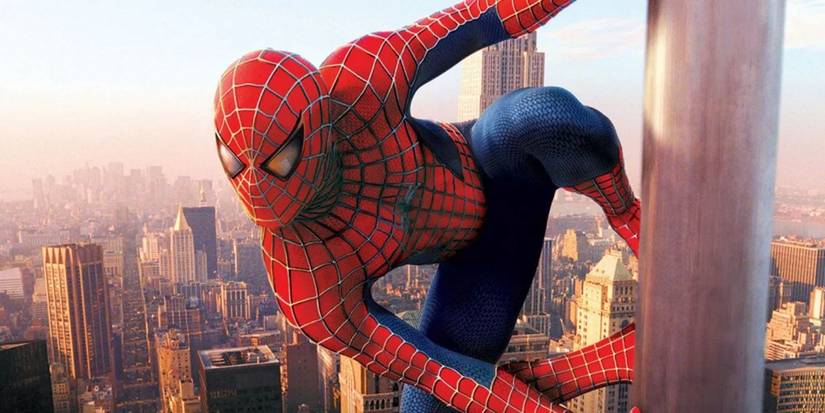
Spider-Man on a flag pole in 2002’s Spider-Man.
After X-Men proved that audiences beyond the fandom were eager for Marvel on the big screen, Spider-Man kept the ball rolling. Serving as the first origin story, the Sam Raimi-directed superhero flick follows high school student Peter Parker (Tobey Maguire) who miraculously gains spider-like superpowers after being bitten by a genetically modified spider during a school field trip. With great power comes great responsibility, and Peter vows to fight crime as the masked hero, Spider-Man.
Dominating pop culture, Spider-Man showcased how to achieve unprecedented, mainstream mega-blockbuster status. At first, the film delivered a self-contained emotional arc focused on Peter Parker’s coming-of-age journey. By keeping the central focus on the core story, it allowed for daring, breathtaking action sequences, iconic moments, and a driving force that reminded us why we adore the neighborhood-friendly Spider-Man. Casting is key, and Raimi and company nailed it. Maguire and Dafoe were perfect foils, and Kirsten Dunst’s sincerity as Mary Jane Watson and James Franco’s grit were the perfect colors to allow the comic book works to come alive.
‘Star Wars: Episode III— Revenge of the Sith’ (2005)
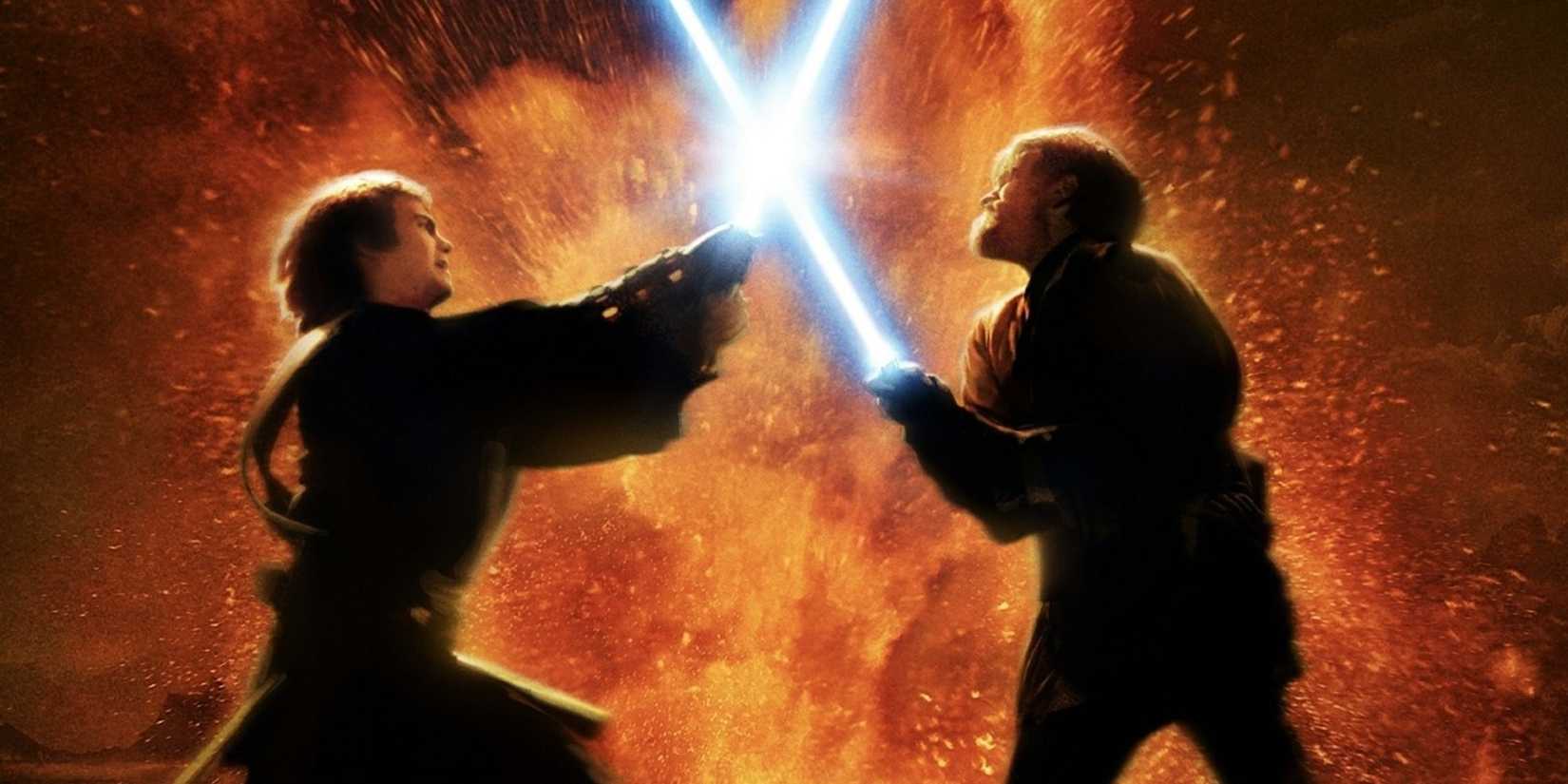
Star Wars: Episode III— Revenge of the Sith proved that new Star Wars stories were well worth it. The final chapter in this trilogy depicts the tragic fall of Anakin Skywalker (Hayden Christensen) to the dark side of the Force and the fall of the Galactic Republic. Establishing the action for the Skywalker Saga, Revenge of the Sith merged cutting-edge filmmaking, a massive pre-release internet culture, and dark, timely political themes into a defining cultural moment.
In a time before social media dominated our lives, the film thrived from word of mouth via trailer leaks, message board chatter, and the brilliant tie-in to video games and the Clone Wars series. Despite the mixed reactions from the previous films, audiences showed up finishing as the highest-grossing domestic release of 2005. Revenge of the Sith remains an integral product in the greater Star Wars universe as it gave a high-stakes payoff that had been anticipated for decades. With epic battles, stunning cinema technology, and a darker story, Revenge of the Sith ended properly.
‘The Dark Knight’ (2008)
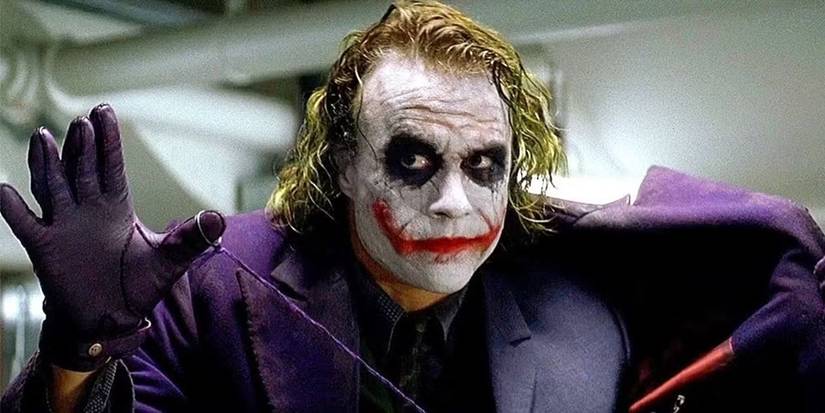
Hyperbole or not, The Dark Knight reshaped Hollywood forever. Directed by Christopher Nolan, The Dark Knight transcends the traditional superhero genre to function as a gritty, intelligent crime thriller. It follows Batman (Christian Bale), Lieutenant James Gordon (Gary Oldman), and District Attorney Harvey Dent (Aaron Eckhart) as they try to dismantle Gotham City’s organized crime, only to face an anarchistic criminal mastermind named the Joker (Heath Ledger).
Elevating a standard comic book story into a gritty, complex story, The Dark Knight showcased how audiences sought out more psychological and philosophical themes alongside the bangs and booms, becoming the benchmark for superhero flicks. Its influence can still be felt today. By exploring post-9/11 themes and anxieties, The Dark Knight politically resonated, masterfully encapsulating the decade’s fears that fighting chaos only breeds more chaotic retaliation. The Dark Knight was a story about the philosophical battle for the soul of a city, enhanced by Ledger’s legendary performance.
‘The Lord of the Rings: The Return of the King’ (2003)
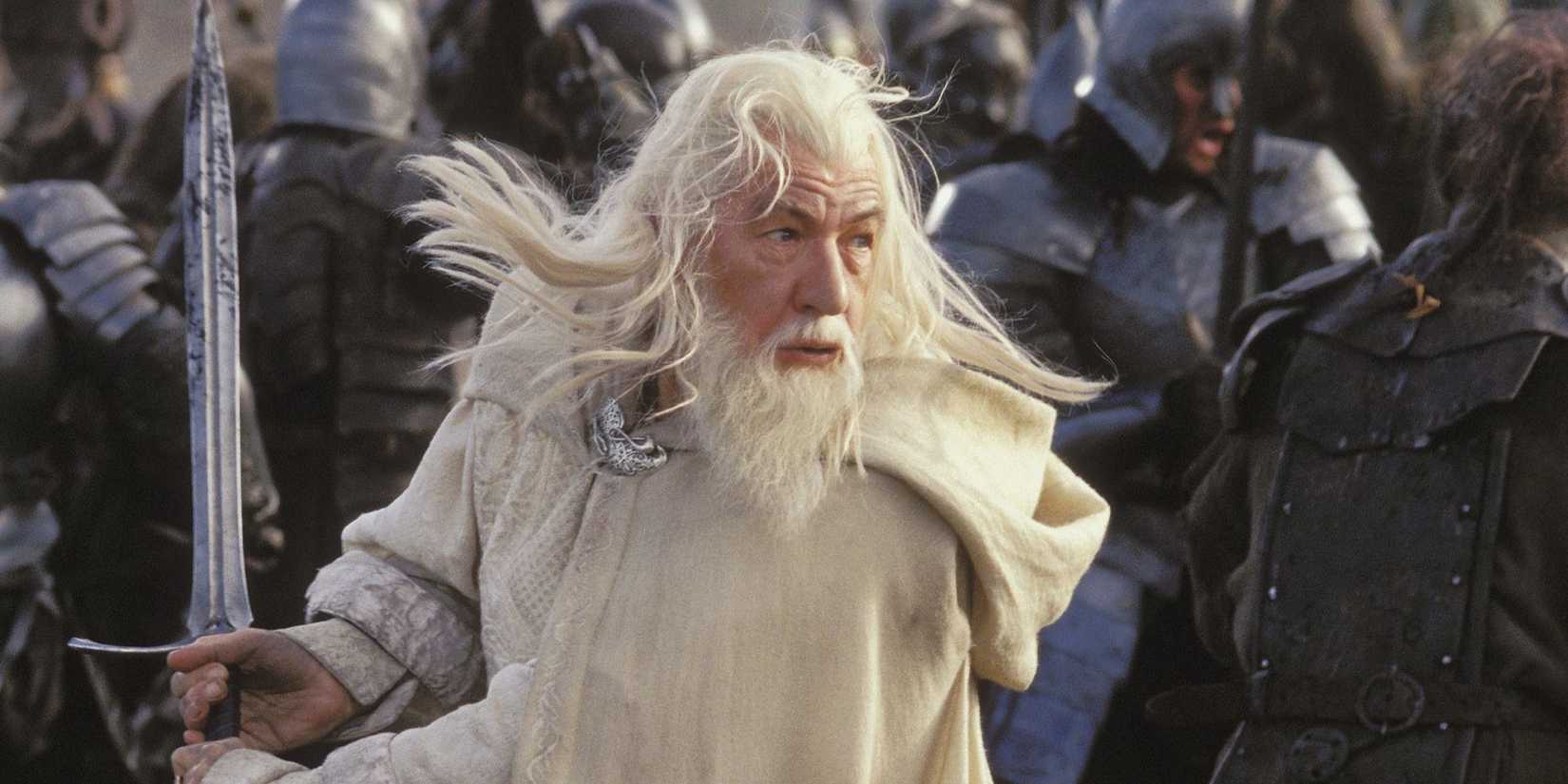
Sometimes, you just have to let the awards do the talking. The greatest chapter in the trilogy, The Lord of the Rings: The Return of the King is a masterclass in state-of-the-art practical effects, sweeping emotional resonance, and a long-game adaptation. Directed by Peter Jackson, the third part wraps up the war for Middle-earth as Frodo (Elijah Wood) and Sam (Sean Astin) travel to Mordor to destroy the ring as Aragorn (Viggo Mortensen) is crowned King of Gondor.
A thrilling and satisfying payoff that concluded one of the greatest trilogies in cinema history, The Return of the King grossed over $1 billion globally and walked away with a clean sweep at the Oscars. Jackson did not skimp on the action, with the Siege of Gondor and the Battle of the Pelennor Fields setting the bar high for the scale of action. But for those who went on the journey for emotional reasons, the closure was divine. A 3.5-hour epic that became a holiday event that became a communal experience, it served as the perfect victory lap and goalpost for future fantasy epics.
‘Transformers’ (2007)
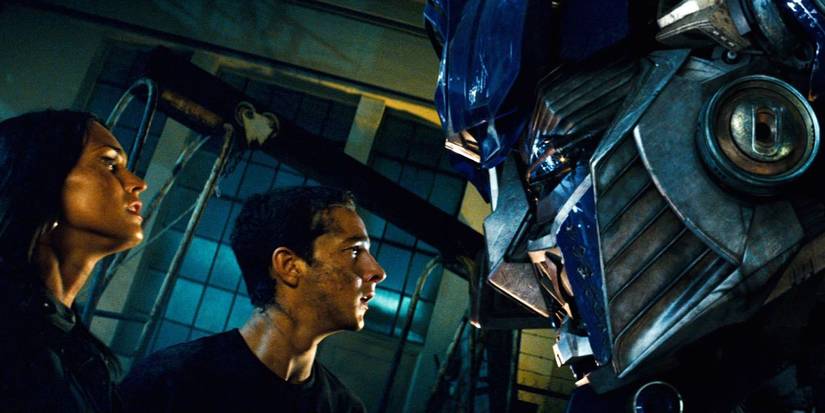
It was inevitable that a Transformers film would happen, but with Michael Bay at the helm, the Hasbro toys were going to be brought to life properly. The story follows Sam Witwicky (Shia LaBeouf) as he gets caught in an ancient war between the Autobots, led by Optimus Prime, and the Decepticons, led by Megatron, over the life-giving artifact, the AllSpark. A high-stakes, epic action popcorn flick, Transformers perfected the era’s signature blend of hyper-saturated military realism, cutting-edge cinema technology, and unrelenting cinematic spectacle.
Transformers is complete “Bayhem,” with frenetic editing, sweeping 360-spins, and a plethora of hero shots. Bay established an action-packed vocabulary that made the film more than just a visual wonder. Watching the iconic characters like Optimus Prime come to life was worth the watch, perfecting the toy-to-movie blueprint that is still used today.
You must be logged in to post a comment Login