Entertainment
The 20 Greatest Thriller Movie Masterpieces of All Time, Ranked

Thrillers are often seen as mysteries to solve and stories designed to create and nurture tension. But the best ones never work so cleanly; they unnerve us in ways that don’t end when the credits roll. Beyond danger and suspense, a great thriller is about control, terror, obsession, power, and the moment when something familiar becomes hostile.
These are the 20 greatest thriller movie masterpieces of all time, ranked not by twists, body counts, or technical perfection, but by impact: on cinema, on the genre, and on audiences. The best thrillers trust that viewers will meet them halfway, and they endure because of that trust. Over time, that understanding turns into something stronger, like love, adoration, and lasting influence.
20
‘Double Indemnity’ (1944)

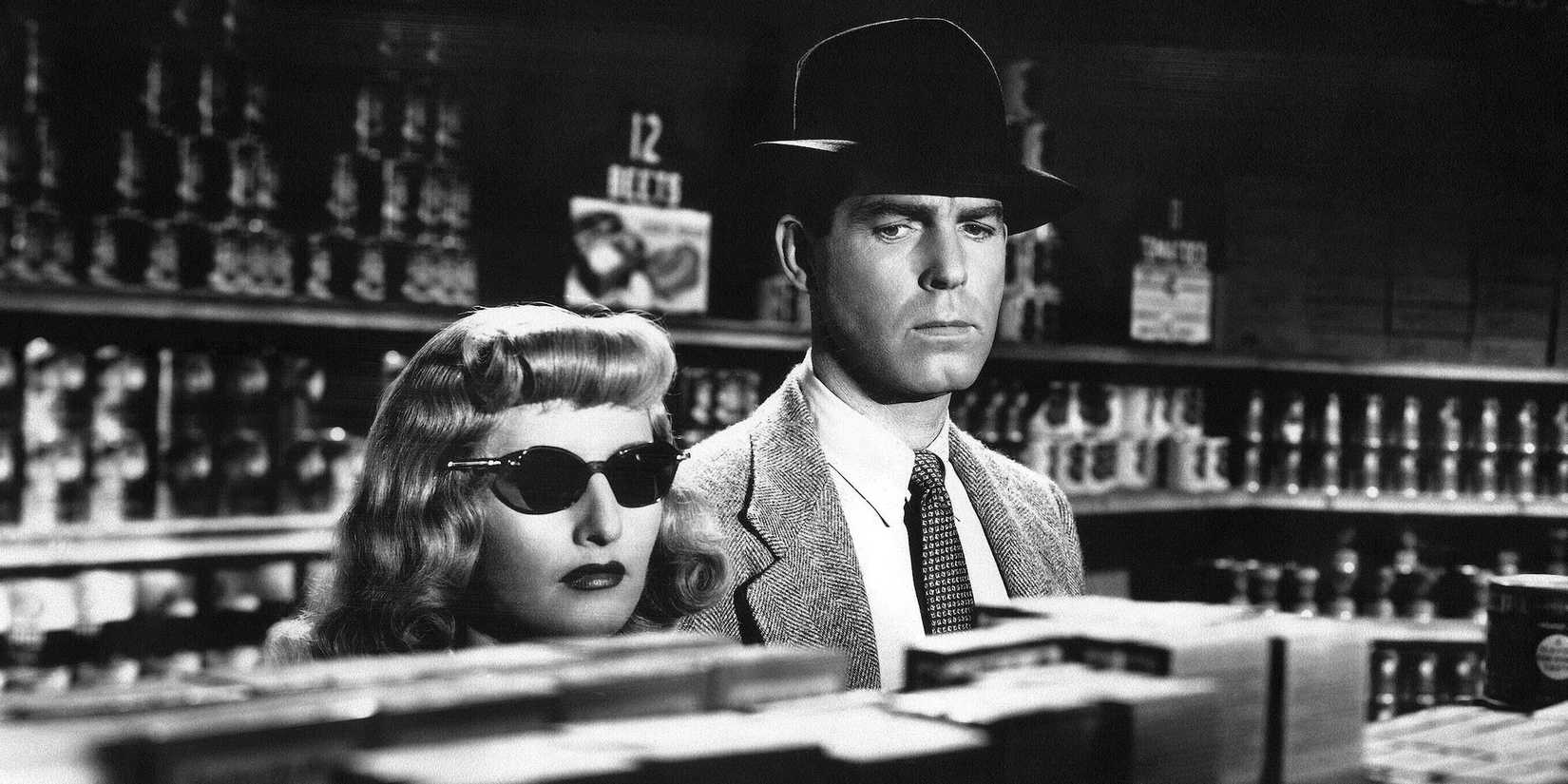
Double Indemnity is often considered the greatest noir film ever made because of the clarity of its structure and tropes. It defines and designs noir, from a femme fatale to a naive man willing to put his hand in a flame for her and a sleight of hand that no one sees, including the audience. And what makes it a thriller masterpiece is Billy Wilder‘s establishment of many thriller bases still used today: the unreliable narrator, the slow collapse of a “perfect” plan, and the use of shadows and tight interiors to emphasize the sense of entrapment.
Double Indemnity follows the insurance salesman Walter Neff (Fred MacMurray), who enters an insurance scheme to help the dissatisfied housewife, Phyllis Dietrichson (Barbara Stanwyck) get out of her marriage. The film is structured from Neff’s point of view (and narration) as a confession of the crime, which removes suspense about what happens and instead focuses all its tension on how and why things fall apart. Double Indemnity‘s influence on modern psychological thrillers is unparalleled.
19
‘High and Low’ (1963)


Akira Kurosawa has tackled several genres in his career; as a lover of art in general, he always had ideas for a new story, and oftentimes, it was an idea that inspired other filmmakers and future generations. For example, 62 years after the premiere of his hit High and Low, Spike Lee made a remake called Highest 2 Lowest, proving that the original still feels relevant and resonant. Indeed, High and Low begins as a crime story, unfolds as a moral dilemma, and ends like a police procedural; it’s one of the most unique and immersive thrillers you could give yourself the joy of watching.
In High and Low, a wealthy executive, Kingo Gondo (Toshirō Mifune), is in the middle of a major business buyout, when a kidnapper calls and asks for ransom for Gondo’s son. However, Gondo, his family, associates, and his driver, soon realize that the kidnapped child is actually the driver’s son. The first half of the film takes place almost entirely in a single room, where decisions unfold in real time. Later, it turns into a procedural manhunt, but the tension stays rooted in class conflict, contrasting elevated interiors with crowded streets and showing how decisions made up High ripple downward to Low. High and Low weaves together social structure and suspense, and the title isn’t just literal, but highly thematic.
18
‘Heat’ (1995)

Michael Mann‘s Heat is considered a thriller masterpiece because of its commitment to procedural realism, the one compelling downtown LA shootout, and an unusual symmetry between its leads, Robert De Niro and Al Pacino. Both play for different sides but equally operate by their own strict codes; the story doesn’t designate one as morally superior, making it a not-so-classic story of “cops and robbers.” The famous diner scene is all about their mutual recognition, and the viewers’ understanding that these men are the two sides of the same coin. Heat also keeps the tension on a high notch over a long runtime without losing focus, which is rare in thrillers, or any sort of movie, for that matter.
Heat follows two professionals: Neil McCauley (De Niro), a disciplined career criminal, and Detective Vincent Hanna (Pacino), an obsessive detective; both are defined by their work and feel a sense of duty toward “the game.” The plot is linear, introducing robberies, surveillance, and pursuit, but the tension comes from preparation, routine, and inevitable but somewhat predictable moments. It’s incredible how knowing what might happen still feels intensely exciting; like a rush of “I told you so” but with higher stakes. Heat‘s influence is visible across modern crime cinema, and it’s so well-made that it still looks fresh and exciting.
17
‘Alien’ (1979)
Alien is one of the most recognizable horror thrillers of our time, and Ridley Scott‘s masterpiece. It’s a sci-fi film with lots of iconic elements, starting with the aliens designed by H.R. Giger and going into the design of the spaceship. Sound design comes into it, too, the deliberate pacing, and the absences as much as head-on confrontations, making the movie a masterclass of suspense. Overall, Alien often works less as sci-fi and more as a survival thriller, using isolation and the unknown as the main points of tension.
Alien follows a commercial space crew who encounter a deadly alien creature after responding to a distress signal picked up by their ship’s computer. The alien is revealed slowly, and much of the fear comes from the unseen, or just the hints of its presence. With the monster’s appearance, Alien begins to flip expectations by killing off characters who seem crucial, allowing Ellen Ripley (Sigourney Weaver) to organically become the protagonist, showing a competent and calculated fighter. Alien is still the greatest example of restraint and structure being used to create lasting suspense; many people who see the images from the film still remember the first time they watched this movie and the feeling it gave them.
16
‘Oldboy’ (2003)
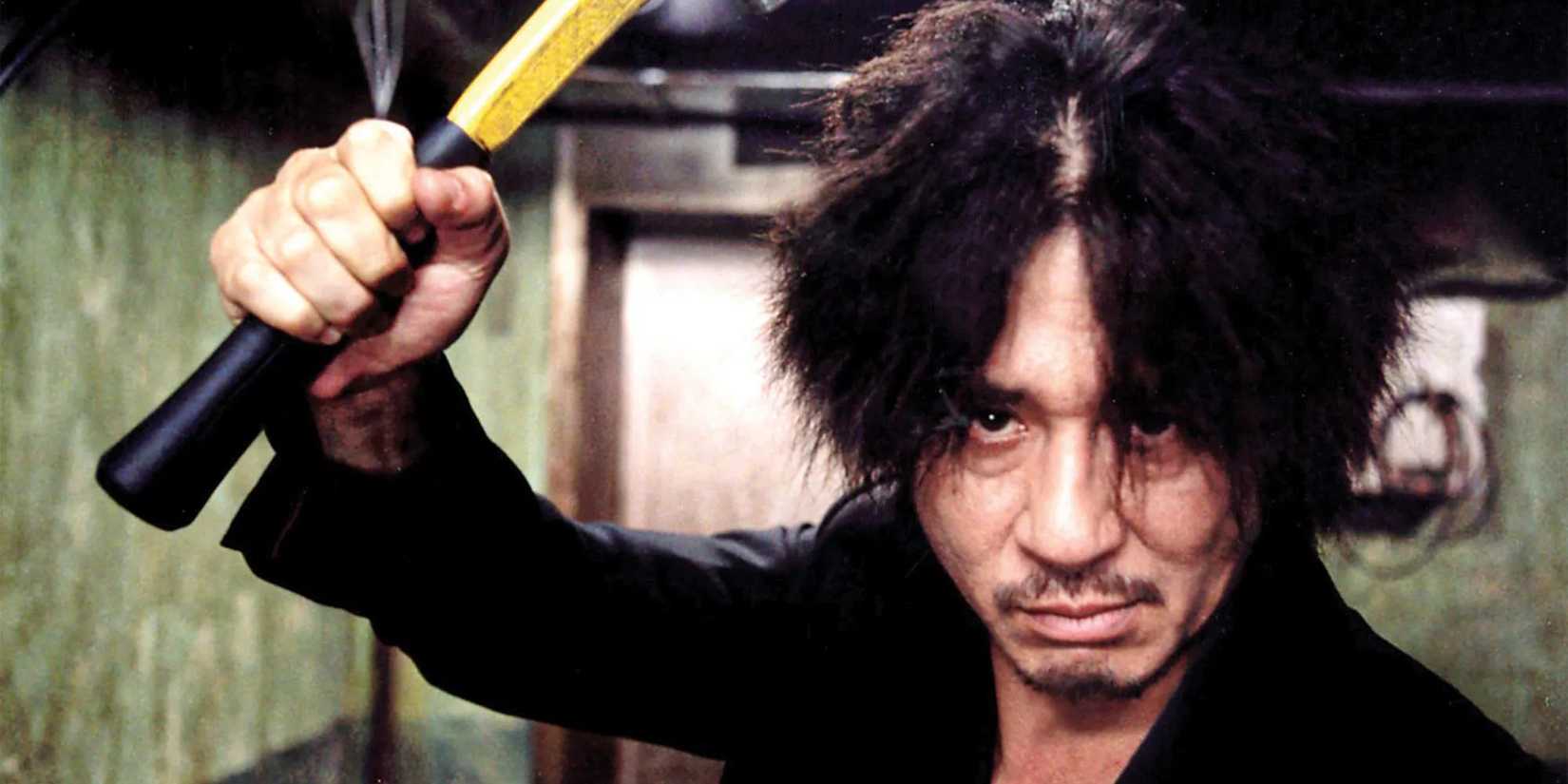
Oldboy is the most famous movie Park Chan-wook has made, though his filmography is a collection of visually stunning stories that are attention-grabbing, shocking, and entrancing. Still, Oldboy stands as his masterpiece, and it truly is an all-time kind of film, moving boundaries of storytelling, introducing plot twists, and innovative, intuitive camerawork. The one unique part that makes Oldboy a fantastic thriller is how it uses and presents information. The protagonist knows as much as the audience—he’s a blank slate to himself as much as he is to viewers, until memories start attacking.
Oldboy follows Oh Dae-su (Choi Min-sik), a man who is imprisoned for 15 years without any explanation and then suddenly released. He’s given a limited amount of time to discover who imprisoned him and why, and his journey is mysterious and quite stressful, full of revenge and psychological thriller elements. Choi delivers an amazingly physical role, which helps make Oldboy so fascinating; he’s not afraid of looking unkempt and goofy, and the comparison of Dae-su’s old and new self elevates Oldboy to the best representative of character-driven thrillers.
15
‘Memories of Murder’ (2003)
Bong Joon-ho is a unique storyteller because his movies have something unexplainably amazing, like biting into a hard fruit on the outside that turns out soft and delicious on the inside. It may feel like an off metaphor, but let’s take Memories of Murder as one of the earliest examples of Bong’s genius—it’s based on a gruesome series of murders (hard on the outside), but shows how the killings impact the psyches of the detectives solving them (soft on the inside). It’s quite a masterpiece, and the more times you watch it, the more it settles in how well Bong’s framing and camerawork create an atmosphere of dread, desperation, and fear.
Memories of Murder was based on the biggest serial killing case in 1980s South Korea, which wasn’t solved until 2019. The movie follows a rural detective, Doo-man (Song Kang-ho), and a city detective, Tae-yoon (Kim Sang-kyung) as they attempt to solve the growingly gruesome series of murders with limited resources. When standard investigative tools don’t work anymore, the detectives begin drowning in repetition and helplessness. Memories of Murder has some pretty terrifying scenes that give it its thriller charm, but the overall impression is that the story was always going to be a symbol of institutional and social limitations and failures.
14
‘Rosemary’s Baby’ (1968)
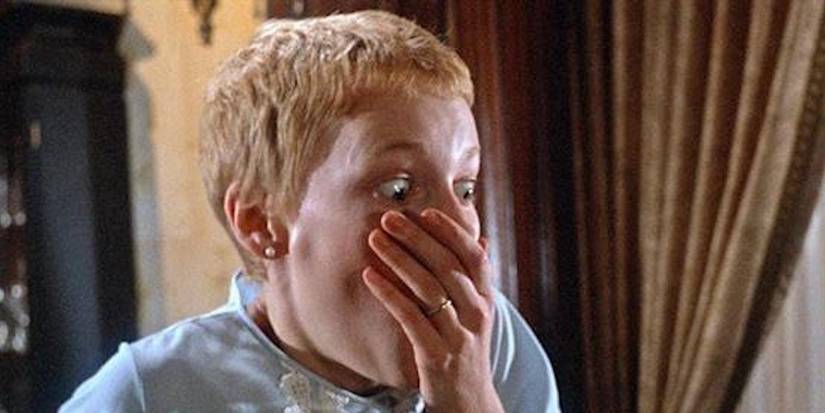
Before Roman Polanski‘s personal life descended into complete chaos due to some terrible choices, he directed a thriller that became a blueprint for folk horror and psychological thriller for years to come, Rosemary’s Baby. This movie, starring Mia Farrow, is a feverish depiction of paranoia, fear, and isolation, showing a woman at her wit’s end; the viewers know something’s happening, they experience it with her, but those she wishes to convince won’t listen, and the fear grows into frustration and then back into fear for her and us.
Rosemary’s Baby follows Rosemary (Farrow), who moves with her actor husband Guy (John Cassavetes) into a building with a notorious past. They’re warned by a friend that the building has a dark history, and while Guy is dismissive, Rosemary becomes worried. Soon, Rosemary becomes pregnant, and Guy is often away for work, so she becomes increasingly isolated and distrustful as her pregnancy progresses. The story is entirely shown from Rosemary’s experience, and as events unfold, she’s subjected to terrifying social expectations and control. Rosemary’s Baby has a lasting impact because of how much the horror feels embedded into everyday life, using motherhood as a weapon and a symbol.
13
‘Zodiac’ (2007)

Zodiac is a true crime thriller that feels both underrated and appropriately rated; the reason it’s a masterpiece (more than most of David Fincher‘s works) is because it possesses a certain comfort. Some have even cited Zodiac as their feel-good movie, and it’s completely understandable why—it’s long, but doesn’t drag out; it immerses you into the world it tries to represent; it presents the procedural process with a lot of information and even fascination, and it’s brilliantly acted that you forget these actors are A-listers and not just terribly obsessed pursuers of the Zodiac Killer.
Zodiac follows journalists Paul Avery (Robert Downey Jr.) and Robert Graysmith (Jake Gyllenhaal) and detective Dave Toschi (Mark Ruffalo) as they obsessively track the Zodiac Killer over decades. The Zodiac taunts the press and the police through letters and cryptic ciphers, and while every lead, suspect, and false connection make the pursuit frustrating, it leaves those truly interested in catching him even more motivated. Some moments are more intense than others and the flow of the film helps viewers draw their own conclusions; the Zodiac was never caught, and Fincher took 18 months to conduct his own investigation before directing the film.
12
‘The Parallax View’ (1974)

Speaking of underrated masterpieces, The Parallax View is undoubtedly one of them. This Alan J. Pakula movie is a representative example of conspiracy thrillers, an underestimated sub-genre. There’s nothing like a great conspiracy movie to kickstart the anxiety—it’s everything we want out of a good thriller. The Parallax View makes paranoia seem completely rational by unfolding the conspiracy through the commonsense protagonist, a journalist played by Warren Beatty. Pakula’s directing is pretty interesting here: he shows large public spaces and wide compositions to diminish the characters and reinforce the power imbalance at play. This is where image and sound join forces to make us feel like “the man” is always all around us.
The Parallax View follows journalist Joe Frady (Beatty), whose ex-girlfriend, journalist Lee (Paula Prentiss) dies suspiciously. This prompts Joe to begin investigating a series of political assassinations that seem unrelated but share unsettling similarities. As he digs deeper, the film’s paranoia grows stronger, revealing a threat that’s not a single antagonist, but a system designed to absorb and erase individuals. If you missed this existential masterpiece, make sure you watch it soon and see for yourself why it’s so revered and respected.
11
‘Mulholland Drive’ (2001)
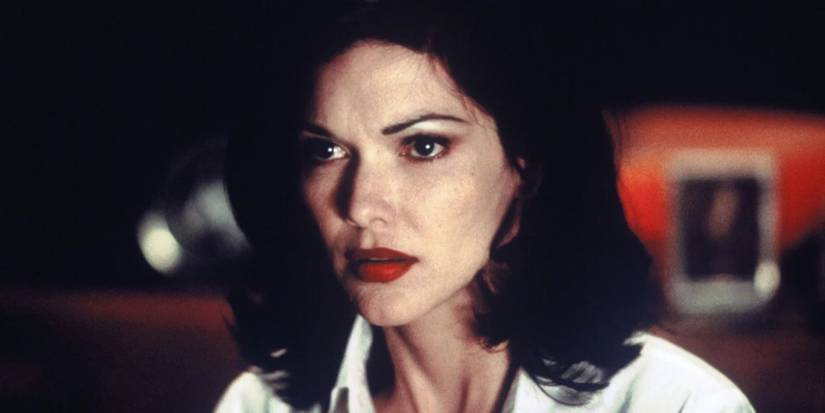
Mulholland Drive is often considered one of the greatest movies ever made, and it’s a thriller that often blurs the lines between dream and reality. Many analyses say the movie turns into a dream halfway through, others believe every bit of it is fantasy, while some rationalize it in many different ways. According to David Lynch, none of this is correct, and all of it is—he never really cared about rebuking or confirming theories about any of his movies. Lynch uses sound design, repetition, and abrupt tonal shifts to create unease; the theme is identity, which is the most fragile subject to cover in a thriller that often knocks the metaphorical ground beneath our feet.
Mulholland Drive follows the aspiring actress, Betty Elms (Naomi Watts) and an amnesiac woman calling herself Rita (Laura Harring), who meet by accident and attempt to piece together Rita’s identity and uncover a crime that may or may not have occurred. Nothing comes easy when watching Mulholland Drive; it feels comforting to draw conclusions but also just watch the movie unfold without deciding what happens. You can watch it and experience it differently in any state of mind, making Lynch’s masterpiece the ultimate thriller that plays with the viewers’ minds.
You must be logged in to post a comment Login