Entertainment
The 35 Best Thrillers of All Time, Ranked

Thriller isn’t just a word used as the title for one of pop music’s biggest albums of all time. It’s also a word used to describe an incredibly popular and long-lasting genre of movies: something that lies somewhere between horror, drama, and action, with a story that aims to excite, unnerve, or thrill its audience. The thriller genre has been popular ever since the silent era, and has continued to thrive as a reliable type of movie well into the 21st century.
It’s also a fairly broad genre, with countless movies that can be described as thrillers, or perhaps have elements of a thriller combined with other genres. The following selection of movies aims to look at the greatest thriller films of all time, predominantly focusing on movies where “thriller” is the primary genre. Above all, they’re very likely to get one’s heart racing, and are all easy to recommend to viewers who crave more adrenaline rushes in their movie diet.
35
‘Marathon Man’ (1976)


With a dynamite screenplay coupled with excellent performances by Dustin Hoffman and Laurence Olivier, Marathon Man is a movie that never lets up. It stands in contrast to other films from the 1970s that sometimes had slower pacing, with this movie about a man getting wrapped up in a bizarre and convoluted conspiracy likely to make you as breathless as running a real marathon. Some would argue that the genre is at its best when it’s at its most stressful, and Marathon Man is indeed a nail-biting and stressful movie.
There are also times when Marathon Man verges dangerously close to becoming a grisly horror film, and will likely make viewers fear a trip to the dentist even more than they might’ve before. Any way you cut it, it’s good stuff, and sufficiently thrilling for those who are after something pulse-quickening in nature.
34
‘The Chaser’ (2008)

There have been plenty of great South Korean crime thrillers released in the 21st century so far, and The Chaser‘s would have to rank among the best of the lot. It follows a corrupt cop who discovers there may be a serial killer targeting prostitutes, and he sets out to try and find this murderer by any means necessary.
The results aren’t pretty, with The Chaser being an exceedingly dark, gritty, and oftentimes unpleasant movie that’s nonetheless difficult to look away from, compelling as it needs to be for a film of this kind. Its particularly dark take on the thriller genre might well ensure it’s not to everyone’s liking, but those who feel like they can handle something that gets very down and dirty might well find themselves sufficiently thrilled.
33
‘Le Samouraï’ (1967)

Being an assassin has never looked as cool as it’s looked in Le Samouraï, it has to be said. While the film doesn’t glamorize the life of its main character, or suggest his line of work is easy by any means, Le Samouraï is ridiculously stylish and just effortlessly suave, thanks to its deliberate pacing, visual aesthetic, and lead performance by Alain Delon.
It was also one of the best films released in 1967, which itself was very much a cool and radical year for cinema, in many ways. It tells a simple story about an assassin fighting for his life after a hit gone wrong, and does so in a timeless and very efficient way that makes Le Samouraï a singular crime/thriller movie, an enduring classic of French cinema, and a shining example of how good arthouse crime movies can be.
32
‘All the President’s Men’ (1976)

There has never been a better era for political thriller cinema than the 1970s. The contemporary skepticism of the American public was stoked by incidents like the Watergate scandal, creating an atmosphere of distrust and cynicism that many movies capitalized on. All the President’s Men is the absolute best of these films, taking direct interest in the Watergate scandal itself as it follows two reporters’ investigation of a botched burglary of the Democratic Party Headquarters that has ties to the White House and Richard Nixon’s presidency.
Its biographical status imbues it with a sense of urgent realism that is palpable, especially as government agents resort to intimidation to dissuade the journalists from persevering with their investigation. However, All the President’s Men is also bolstered by the exceptional performances of and dynamic between Robert Redford and Dustin Hoffman, the brilliantly naturalistic writing, and Alan J. Pakula’s sharp direction, making it an ageless triumph of political thriller cinema as well as a provocative expose on presidential corruption. —Ryan Heffernan
31
‘Zodiac’ (2007)

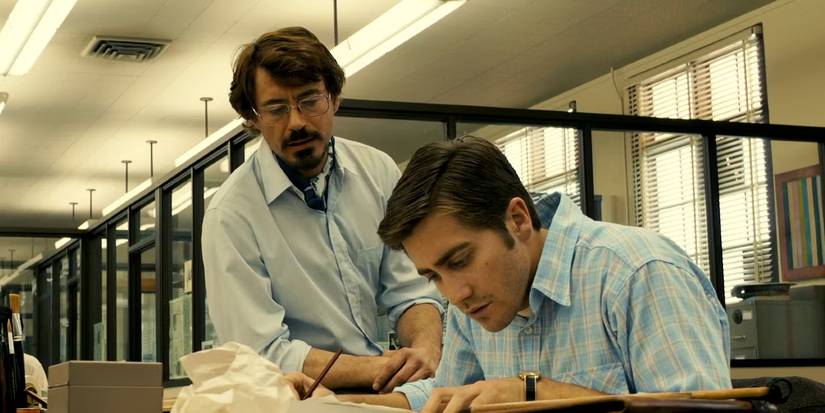
David Fincher is something of a maestro when it comes to thriller cinema. His technical precision, icy aesthetic, and his intense interest in stories of amorality, crime, and obsession have made for several of the genre’s defining triumphs over the past 30 years. While it might not be quite as revered as some of his other films, Zodiac stands tall as a commanding true crime thriller in its own right as it follows cartoonist Robert Graysmith’s (Jake Gyllenhaal) festering interest in investigating the Zodiac killer.
With a runtime of 157 minutes, Zodiac flaunts an epic, all-encompassing sense of scale that boldly marries its simmering slow-burn suspense with several sequences of blood-curdling terror. Fincher’s trademark ability to worm into the viewer’s mind is on full display from the film’s creeping opening minutes right through to its disconcerting final scene. Further propelled by a litany of strong performances, flawless period production design, and a sense of lingering and weighted resonance, Zodiac is a modern masterpiece of cinematic tension. —Ryan Heffernan
30
‘Double Indemnity’ (1944)
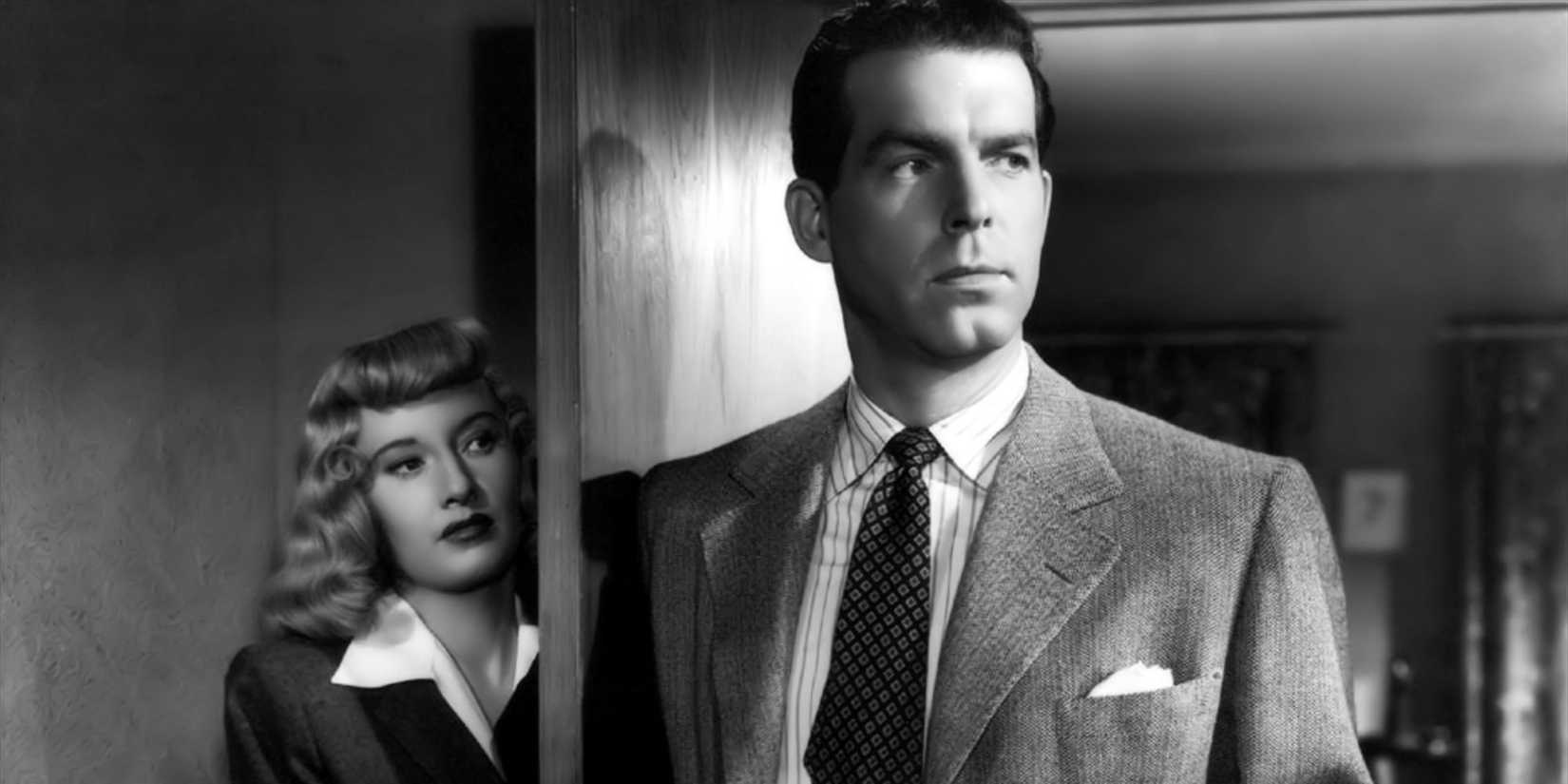
It might be most classifiable as a movie within the film noir genre, but Double Indemnity is also excellent when judged as a thriller. It’s about an insurance agent being targeted by a cunning femme fatale type of character, and seduced into helping her murder her husband for insurance money.
Things go about as well as you’d expect them to (essentially, things end in disaster; it’s a film noir tradition, after all). The thrill comes from watching things fall apart in an inevitable yet still somehow surprising way, with Double Indemnity holding up almost 80 years on from release as one of the most exciting movies from the film noir genre. Everything adds up to make Double Indemnity easily up there with the very best releases of the 1940s, regardless of genre.
29
‘Rear Window’ (1954)

A classic Alfred Hitchcock movie that ranks as one of the best films released in 1954, Rear Window is a highly inventive and ambitious mystery/thriller movie with a remarkably confined setting. It follows a man unable to leave his apartment, due to an injured leg, and as a strange hobby of sorts, he begins passing the time by spying on his various neighbors through their windows.
It touches on voyeurism and, in turn, paranoia, given the main character begins to suspect that one of his neighbors may have committed a murder. Rear Window stays surprisingly engaging, working wonders with a small cast and limited scope, showing that few directors could make thrillers quite as well as Hitchcock could in his prime. And no one can deny that Hitchcock was undoubtedly on fire throughout the 1950s.
28
‘Black Swan’ (2010)

Darren Aronofsky specializes in making intensely psychological movies, and while most of them could probably be classified more as dramas than thrillers, Black Swan certainly feels like a psychological thriller. It arguably feels like a horror movie in parts, too (as various intense movies from Aronofsky tend to be), telling a fiercely intense story about a young ballerina getting very immersed in her role during a production of Swan Lake, with violent and alarming results.
Black Swan is a stomach-churning movie, with a dizzying style, a continuing sense of escalating tension and dread, and an amazing lead performance from Natalie Portman. It’s one of Darren Aronofsky’s best films, and though its 2010 release makes it more recent than other classic thrillers, it deserves to be recognized among the best of the best.
27
‘Fatal Attraction’ (1987)

Fatal Attraction is a movie that has a reputation that precedes it. It’s a quintessential 1980s thriller, telling the now familiar-sounding story about one man having an affair with a woman who turns out to be more than he bargained for, and the way his family life is affected when she decides to stalk/terrorize him after he moves on.
Some elements date the movie, without a doubt, which can make it a little uncomfortable to watch today. It doesn’t handle a delicate topic like mental health with much care, even by the standards of a movie that came out more than three decades ago. However, Fatal Attraction is undeniably iconic as a thriller, earning six Oscar nominations and becoming a huge success at the box office (the highest grosser worldwide in 1987).
26
‘Straw Dogs’ (1971)
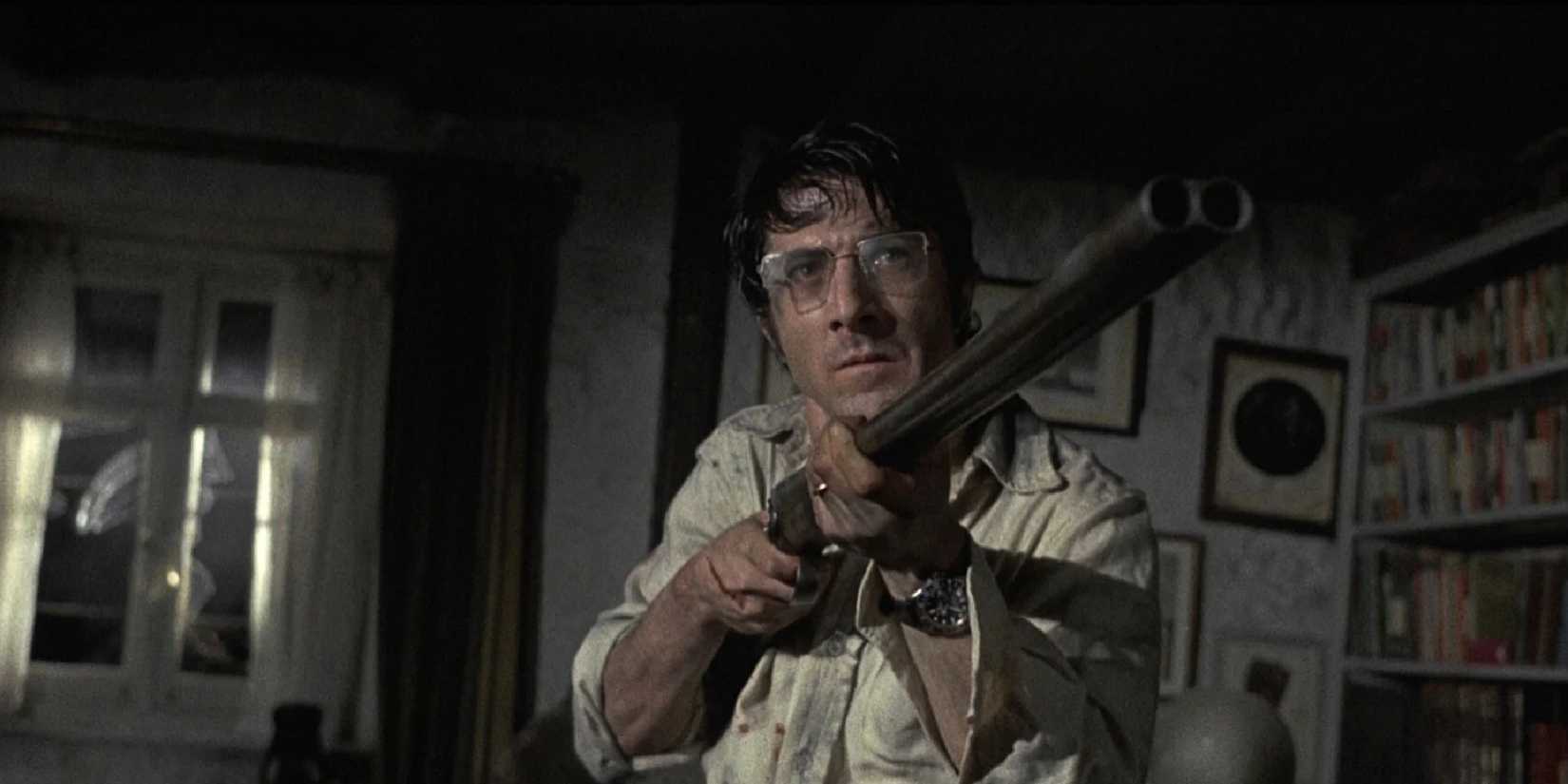
Anyone familiar with the filmography of Sam Peckinpah probably won’t be surprised by the direction Straw Dogs ends up going, though it does stick out for being one of the director’s few well-known non-Westerns (it’s no less violent, though). The plot follows a couple who go to live in a small rural town; one that at first seems to offer a peaceful alternative to life in a busy city.
However, things don’t go to plan. Certain townspeople harass the new couple, with things escalating from verbal to physical abuse. At that point, the slow-burn nature of the thriller’s plot explodes into violence, with the third act being an unsettling and still shocking rampage of revenge. Straw Dogs is a difficult film that won’t be to everyone’s tastes, but it’s amazingly well-made and acted overall.
You must be logged in to post a comment Login