Entertainment
The Backlash to He-Man and Mandalorian This Summer Says More About Us Than the Movies

Movie fans spend a lot of time talking about what Hollywood is doing wrong. Studios rely too heavily on franchises. Everything is “too cynical.” Blockbusters “take themselves too seriously.” Audiences want adventure and escapism again, and they want the kind of crowd-pleasing summer movies that once made going to the theater feel like an event. Then movies like The Mandalorian and Grogu and Masters of the Universe arrive, and something strange happens.
Instead of embracing them for what they are, many viewers immediately begin criticizing them for what they aren’t. Neither movie is trying to reinvent blockbuster filmmaking, and neither is positioning itself as the future of cinema. They’re big, sincere adventure movies designed to entertain audiences for a couple of hours before sending them home with a smile on their face. Yet a surprising amount of the conversation surrounding both movies has focused on their perceived shortcomings rather than their actual successes. That’s not because criticism is inherently wrong. Every movie deserves to be evaluated honestly. The problem is that many modern audiences seem unable to meet a movie on its own terms. Somewhere along the way, we’ve stopped asking whether a blockbuster was fun and started asking whether it justified its existence.
We’ve Started Expecting Every Movie To Be More Than a Movie
One of the biggest changes in movie culture over the last decade has been the way audiences engage with blockbusters. Every release now arrives carrying the weight of expectations that often have very little to do with the movie itself. A new Star Wars movie isn’t allowed to simply be a Star Wars movie. It has to fix the franchise, or settle years of online debates, or at least prove Lucasfilm has a plan. Likewise, a movie like Masters of the Universe isn’t judged solely on whether it’s an entertaining fantasy adventure. Instead, it’s forced to answer questions about intellectual property, franchise fatigue, and whether Hollywood should be revisiting the property at all.
Those conversations can be interesting, but they often overshadow the movie sitting directly in front of us. Take The Mandalorian and Grogu. At its core, it’s exactly what the title promises: another adventure featuring Din Djarin (Pedro Pascal) and Grogu. That’s why audiences fell in love with these characters in the first place. Their story wasn’t built on galaxy-shattering revelations or franchise-defining twists, it was built on a simple but effective foundation: a lone warrior, a child in need of protection, and a galaxy full of dangers waiting around every corner. The movie understands that appeal, yet much of the discourse surrounding it has focused on whether it does enough to move the larger Star Wars franchise forward. That’s a strange criticism to level at a movie that was never trying to be anything other than an entertaining continuation of a story people already enjoyed.
‘Masters of the Universe’ Understands Something Many Audiences Have Forgotten
The reaction to Masters of the Universe has been equally revealing. For years, fans have claimed they want fantasy movies that embrace wonder, adventure, and larger-than-life heroes. They want colorful worlds, memorable villains, and stories that aren’t afraid to be earnest. Then Masters of the Universe delivers exactly that, and many viewers respond by questioning whether the movie should exist in the first place. It’s a bizarre contradiction.
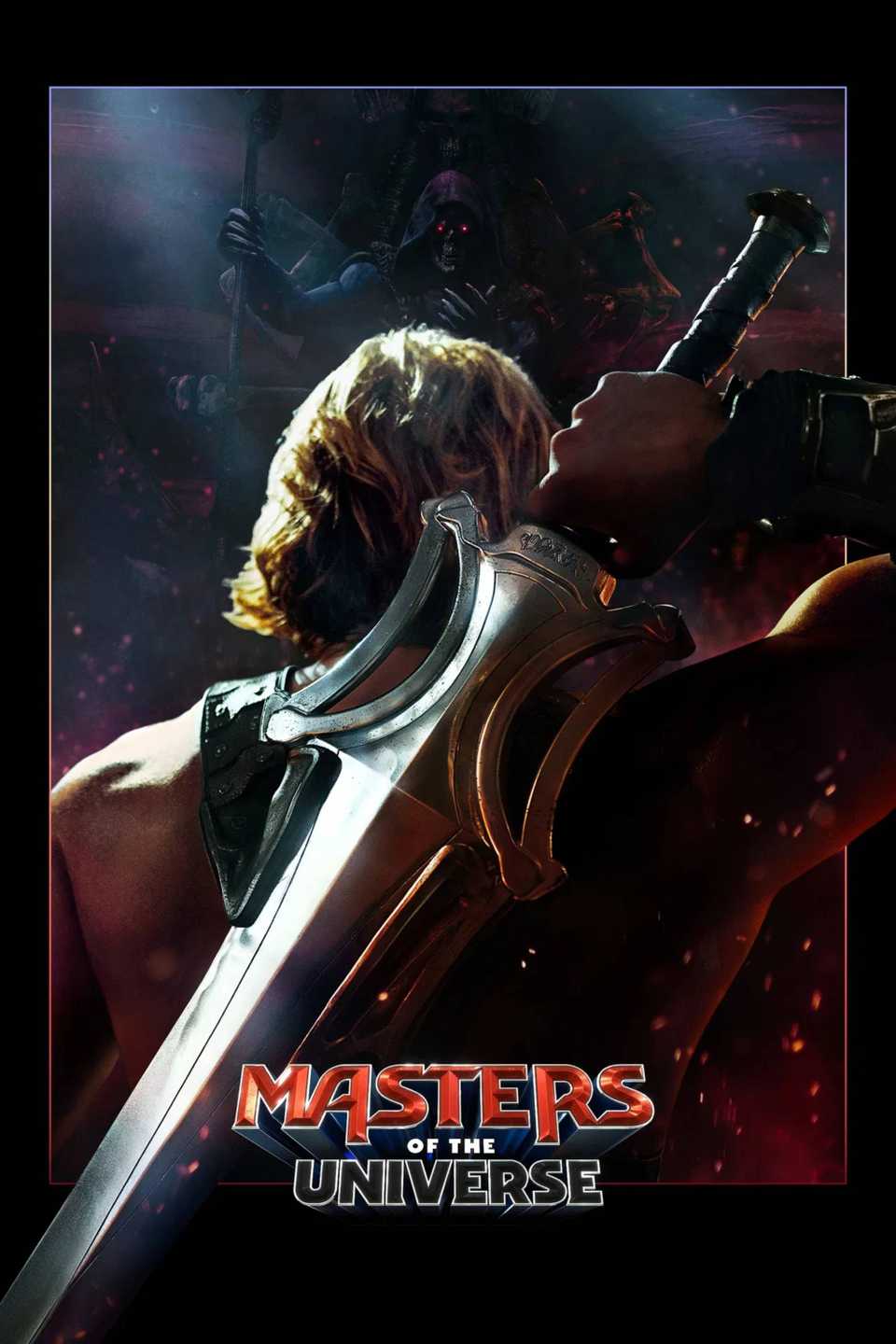
The entire appeal of Masters of the Universe has always been its unapologetic sincerity. This is a franchise about magical swords, cosmic battles, and a hero named He-Man (Nicholas Gailtzine) fighting a villain called Skeletor (Jared Leto) with a skull for a face. It was never designed to be grounded or realistic, it was designed to be fun, and the movie understands that. Rather than trying to transform the property into something darker or more self-important, it embraces the same adventurous spirit that made generations of fans fall in love with Eternia, and yes, that includes even its cringiest moments and dialogue. Not every fantasy movie needs to be the next The Lord of the Rings. Sometimes audiences just want to watch heroes battle villains in an imaginative world filled with monsters, magic, and spectacle. For decades, that was enough.
Somewhere Along the Way, Fun Became an Insufficient Defense
Perhaps the strangest aspect of modern blockbuster discourse is the way audiences often treat fun as if it’s a lesser achievement. If someone enjoys a movie because it made them laugh, cheer, or sit on the edge of their seat, that reaction is often dismissed as shallow. The movie must be analyzed through the lens of cultural impact, franchise strategy, or artistic ambition before it’s allowed to be considered successful. But why? Some of the most beloved blockbusters ever made aren’t remembered because they changed cinema forever, they’re remembered because they’re endlessly entertaining. Audiences didn’t fall in love with Raiders of the Lost Ark because it solved every problem facing Hollywood, they fell in love with it because it was exciting. The same is true of movies like The Mummy, Back to the Future, and countless other adventure classics.
Those movies succeeded because they understood a simple truth: entertainment matters. That doesn’t mean audiences should stop thinking critically about movies, and it certainly doesn’t mean every blockbuster deserves praise. Plenty of movies fail to deliver on their promises. But there is a growing tendency to evaluate movies against impossible standards rather than appreciating what they’re trying to accomplish. A blockbuster doesn’t need to redefine a genre to be worthwhile, and it doesn’t need to become a cultural milestone. Sometimes its job is simply to provide a memorable night at the movies.


What’s particularly interesting about the reactions to The Mandalorian and Grogu and Masters of the Universe is how disconnected some online criticism feels from the experience of actually sitting in a theater. Spend enough time on social media, and you’d think every blockbuster was either a masterpiece or a disaster. There’s very little room left for movies that are simply good, entertaining, and that deliver exactly what audiences expected and leave them satisfied. Yet those are often the kinds of movies that thrive with general audiences. Most people don’t buy a ticket hoping to witness the future of cinema, they just want to escape for a few hours. They want to laugh and to be transported somewhere else for an evening before returning to reality.
That’s what summer blockbusters have always done best. The backlash surrounding The Mandalorian and Grogu and Masters of the Universe suggests many movie fans have forgotten that simple reality. Both movies have flaws, and both are worthy of criticism, but the insistence that they should have been something other than what they were designed to be feels increasingly disconnected from why people fell in love with movies in the first place. Not every blockbuster needs to change the industry, sometimes it’s enough to have a great time. And maybe audiences would enjoy more movies if they remembered that.

- Release Date
-
June 5, 2026
- Director
-
Travis Knight
- Writers
-
Chris Butler
- Producers
-
Jason Blumenthal, Robbie Brenner, Steve Tisch, Todd Black
You must be logged in to post a comment Login